Bat Removal Glendale Welcome to the Bat Removal Glendale, AZ playlist from AAAC Wildlife Removal Of Phoenix. This playlist provides helpful information for Glendale homeowners dealing with bats around their homes, attics, roofs, and other structures. Bats can enter through small openings and may use attic spaces or other protected…Bat Removal Glendale Welcome to the Bat Removal Glendale, AZ playlist from AAAC Wildlife Removal Of Phoenix. This playlist provides helpful information for Glendale homeowners dealing with bats around their homes, attics, roofs, and other structures. Bats can enter through small openings and may use attic spaces or other protected areas as shelter. The tracks in this playlist cover common signs of bat activity and important considerations when addressing bats inside a property. Glendale, AZ, has established neighborhoods, mature landscaping, parks, and desert surroundings that provide bats with opportunities to find food and suitable shelter. Bats may access structures through openings around rooflines, soffits, fascia, vents, chimneys, and other areas of a building. Homeowners may notice bats entering or leaving a structure around dusk, hear activity in enclosed spaces, or find droppings near potential entry points. AAAC Wildlife Removal Of Phoenix provides bat removal and exclusion services designed to address bat activity around Glendale properties. The process may include inspecting the structure, identifying potential entry points, safely removing bats, installing appropriate one-way exclusion devices when suitable, and sealing openings after the bats have exited. Attic cleanup and sanitation may also be needed when bat activity has affected insulation or other areas of the property. Explore this playlist to learn more about Bat Removal Glendale, AZ and the services available from AAAC Wildlife Removal Of Phoenix. The tracks provide information about bat activity, exclusion, entry points, attic concerns, and ways to help protect homes from future wildlife access. Follow AAAC Wildlife Removal Of Phoenix on SoundCloud for additional educational content covering bats and other wildlife removal topics in Glendale. More on Sound Cloud: https://soundcloud.com/aaacphoenix/sets/squirrel-removal-glendale On YouTube: https://www.youtube.com/playlist?list=PLQCmOnOvmMd8 AAAC Wildlife Removal of Phoenix offers professional bat removal services in Glendale, Arizona. Contact Us: AAAC Wildlife Removal of Phoenix 4256 N Brown Ave Suite A Scottsdale, AZ 85251 623-259-6307 Website: https://phoenix.aaacwildliferemoval.com/ Email: phoenix@aaacwildliferemoval.com Find us around the web: YouTube: https://www.youtube.com/channel/UCtUod5oRNMjbBlhITHtz64A Facebook: https://web.facebook.com/AAACPhoenix/ Twitter: https://twitter.com/AAACPhoenixAZ SoundCloud: https://soundcloud.com/aaacphoenix Blogger: https://aaacphoenix.blogspot.com WordPress: https://aaacphoenix.wordpress.com Tumblr: https://aaacphoenix.tumblr.com
“Chocolate, avocados, onions, and moldy foods are some of the most poisonous items you can leave out for squirrels. Even small amounts of these everyday ingredients can cause serious health issues—or be fatal—for these sensitive rodents.” Squirrels may look harmless scampering across your fence or chasing each other up a…“Chocolate, avocados, onions, and moldy foods are some of the most poisonous items you can leave out for squirrels. Even small amounts of these everyday ingredients can cause serious health issues—or be fatal—for these sensitive rodents.” Squirrels may look harmless scampering across your fence or chasing each other up a tree, but when they show up in your attic or tear through your garden, that charm disappears fast. In leafy neighborhoods where parks are close by and backyard bird feeders are everywhere, it’s no surprise that squirrels are regular visitors—and sometimes uninvited tenants. While many people enjoy watching them or even tossing out food, what you leave behind can actually be dangerous to squirrels—and a bigger headache for you without proper squirrel control . This article isn’t about harming wildlife. It’s about knowing what food is poisonous to squirrels so you don’t accidentally invite them in or make them sick. If you’ve been leaving out scraps, filling feeders, or composting without thinking twice, there’s a good chance you’re creating a squirrel buffet without even realizing it. Let’s break down what to avoid, what to secure, and how to protect both your home and the squirrels from a bad encounter. What Is The Most Dangerous Foods for Squirrels? Chocolate and Caffeinated Products Chocolate is one of the most toxic substances you can accidentally leave out for squirrels or any rodent. It contains theobromine—a stimulant that these small animals can’t metabolize effectively. Just a small amount from a brownie, chocolate almond bar, or sugar-filled candy can trigger tremors, elevated heart rate, or seizures in squirrels. Since they have such fast metabolisms and tiny bodies, the toxic effects hit hard and fast, often with serious consequences. Caffeinated foods and drinks are equally dangerous. Coffee grounds , soda spills, or chocolate-covered espresso beans tossed into a compost pile can be life-threatening if a squirrel gets into them. Where outdoor parties and backyard BBQs are common, it’s easy for sugary or caffeine-rich snacks to end up where rodents roam. To keep squirrels safe and your property clear of unwelcome visitors, make it a habit to clean up thoroughly and store all sweet or stimulant-laced foods securely. Avocados Avocados contain persin, a fungicidal toxin found in the fruit’s skin, pit, and even its leaves. While persin might not harm humans, it can be toxic to many animals, including squirrels. The risk isn’t just in eating an avocado—squirrels that nibble on a discarded peel, chewed seed, or exposed pit can experience digestive issues or worse. What makes this even more concerning is how easily avocado waste can be overlooked, especially in compost bins. If you’re growing avocado trees or preparing guacamole from scratch, this is something to stay mindful of. As urban farming and composting become more popular, the risk of accidentally exposing squirrels to this toxic fruit increases. Make sure avocado scraps are properly sealed or discarded, and if you have a tree, regularly clear fallen fruit from the yard. It’s better to be safe than to unknowingly poison a local animal. Onions, Garlic, and Spicy Foods While these aromatic kitchen staples may keep your chili full of flavor, they spell serious trouble for squirrels. Onions and garlic contain compounds that can damage red blood cells, leading to anemia and other health complications. The danger extends to cooked dishes, too. If a squirrel gets into leftover food seasoned with garlic or onions, even in small amounts, it can suffer lasting effects. In worst cases, repeated exposure can be fatal over time. Spicy foods also pack a punch that squirrels can’t handle. Hot sauce remnants, chili powder, or discarded tacos can cause severe digestive distress. Where spicy dishes are a staple, food waste often ends up in outdoor bins or compost piles. Make sure spicy scraps are stored in critter-proof containers, and avoid tossing seasoned leftovers near your patio or yard. The goal isn’t just to avoid harming squirrels—it’s to stop inviting them altogether. Alcohol and Fermented Fruit Alcohol might seem like an unlikely threat to wildlife, but squirrels are highly sensitive to it. Whether it’s beer spills from a tailgate, wine left out on the porch, or sugary cocktails left on patio tables, these drinks can lead to disorientation, slowed reaction time, and eventually liver failure in squirrels. Their small bodies can’t handle even trace amounts, and it doesn’t take much to put them in serious danger. Another sneaky culprit? Overripe or fermenting fruit, especially in backyards with peach, fig, or persimmon trees. As the fruit falls and begins to break down, it can release natural alcohols that attract squirrels and get them intoxicated. They may stagger, fall from trees, or become easy prey for predators. Regularly clean up fruit from the ground and keep alcoholic beverages secure during outdoor events. Salty Snacks and Chips Salt is another ingredient that can easily disrupt a squirrel’s internal balance. While humans can handle a salty snack during a football game or backyard hangout, squirrels don’t process salt well. Even a few bites of junk food like chips, pretzels, or salted walnut snacks can dehydrate them and overwork their kidneys. These types of treats also contain added sugar and artificial ingredients that offer zero nutritional value for squirrels—making them both harmful and useless from a dietary perspective. Many of these items—especially sugary breakfast cereals or processed snack mixes—are casually dropped or tossed outside without much thought. But to a hungry squirrel, that forgotten bowl of cereal or spilled trail mix is a full meal. Where outdoor events, food trucks, and weekend cookouts are part of the culture, squirrels quickly learn where the good stuff is. Cleaning up sugary crumbs and sealing snack waste tightly are easy steps that help discourage squirrels from turning your yard into their favorite buffet line. Surprising “Healthy” Foods That Still Poisonous To Squirrels Not all squirrel-dangerous foods are obviously harmful. Some look totally natural or even nutritious—but for squirrels, they can cause more harm than good. These foods often show up in gardens, bird feeders, compost piles, or well-meaning attempts to “feed the wildlife.” Here’s what to watch for. Raw Corn (Especially Moldy Corn) Corn might seem harmless—it’s a common ingredient in bird seed, livestock feed, and even human snacks. But when corn starts to mold, it can develop aflatoxins, which are highly toxic to squirrels and many other animals. Aflatoxins are produced by certain types of fungi and can affect liver function, immune systems, and even lead to cancer in wildlife. A squirrel doesn’t have to eat much moldy corn for it to cause serious internal damage. The risk goes up during warm, humid stretches—especially in summer—when moisture speeds up mold growth. Corn that’s left outside for too long, stored improperly in feeders, or tossed into compost piles can quickly become a hidden hazard. If you’re putting out corn in a feeder, store it in a dry place, change it frequently, and never offer anything that smells off or looks discolored. It’s not just about nutrition—it’s about safety. Bread and Processed Carbs Bread might feel like a safe, throwaway snack for critters—but it’s actually a poor and potentially harmful food choice for squirrels. Bread, crackers, and other refined carbs offer little to no nutrition, and they can expand in a squirrel’s stomach, leading to bloating or discomfort. In some cases, processed bread products contain preservatives and additives that are hard for squirrels to digest, weakening their system over time. Squirrels that eat too much bread often end up malnourished despite feeling full. This is especially common in neighborhoods where residents leave out food “just to be nice.” Unfortunately, the kindness backfires. Instead of helping, you may be attracting squirrels that grow dependent on an unhealthy food source—and more likely to take up permanent residence in your attic. If you want to be squirrel-friendly, stick to natural deterrents and avoid the bread basket. Peanuts (Especially Salted or Moldy) Peanuts are a bit of a wildcard. While they’re often seen in squirrel food blends or used to lure wildlife for photos, they aren’t actually nuts—they’re legumes. And when they’re salted, roasted, or worse, moldy, they become a serious risk. Moldy peanuts, like corn, can carry aflatoxins that attack a squirrel’s liver and immune system. Salted peanuts, on the other hand, can cause dehydration and kidney stress. This matters because many people use peanuts to feed birds or squirrels without realizing the risks. In fact, some birdseed mixes from big-box stores still include them. If you’re trying to keep squirrels away from your yard—or avoid poisoning them by accident—skip the peanuts. And if you must use them, go for raw, unsalted, and fresh, and use a squirrel-proof bird feeder so your effort to help one species doesn’t endanger another. Foods That Attract Squirrels (But Shouldn’t) Some foods might not be poisonous, but they’re basically neon signs saying “Free Snacks Here!” for squirrels. These attractants can lead to more frequent visits, nesting, and eventual infestations. If you’re trying to squirrel-proof your yard or keep them from invading your home, these are the items to manage carefully. Bird Seed and Pet Food Bird feeders are one of the top culprits for squirrel problems. Many blends contain sunflower seeds, millet, corn, and peanuts—aka squirrel candy. Once they find a reliable food source, squirrels will return again and again, sometimes destroying the feeder in the process. The same goes for pet food left outside. Dry kibble and wet food alike are high-protein, calorie-dense meals that squirrels will happily devour. Where backyard birdwatching is popular and outdoor pet bowls are commo
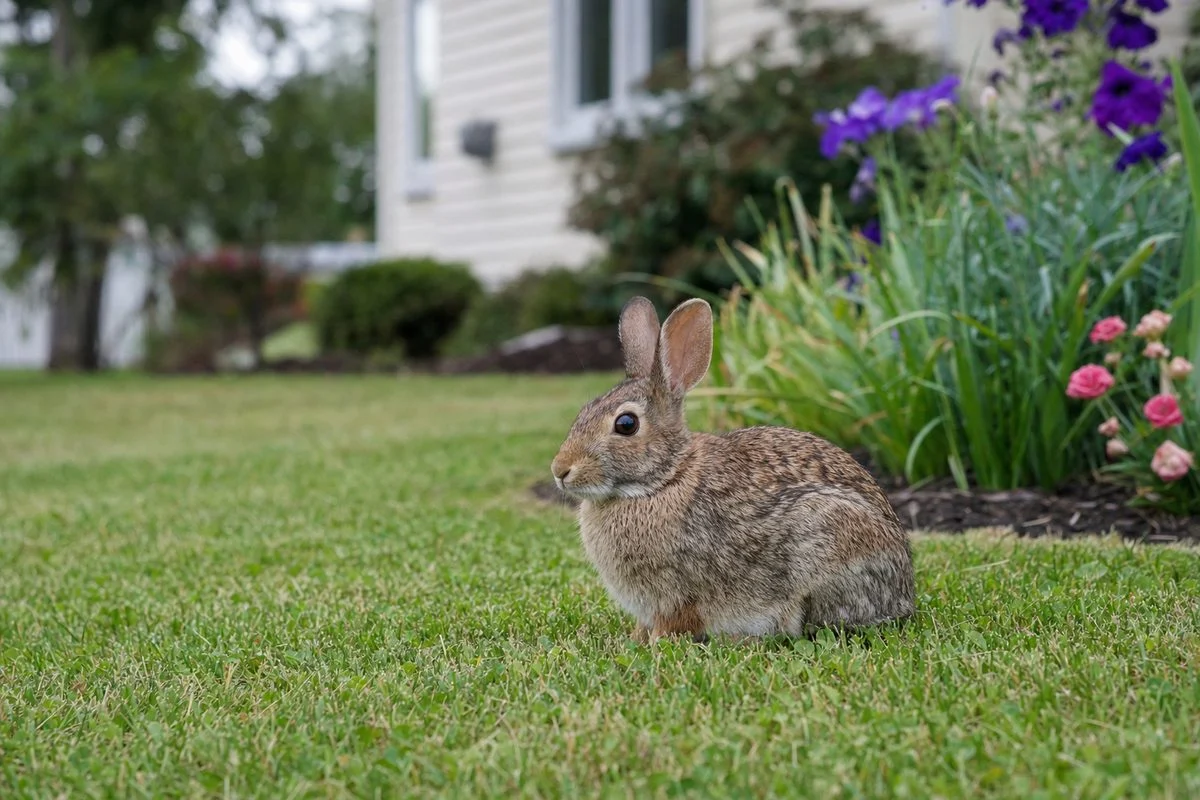
A rabbit staying in your yard usually means it’s found food, shelter, and safety. It may also be nesting nearby or using the area to feed regularly. Rabbits might seem like quiet, harmless guests, but when one keeps hanging around your yard, it’s worth paying attention. What starts as a…A rabbit staying in your yard usually means it’s found food, shelter, and safety. It may also be nesting nearby or using the area to feed regularly. Rabbits might seem like quiet, harmless guests, but when one keeps hanging around your yard, it’s worth paying attention. What starts as a cute sighting can quickly turn into garden damage, hidden nests, or even a rabbit family settling in for the long haul. In this guide, we’ll break down why rabbits choose certain yards, what their behavior means, and how to tell when it’s time to step in, or call a wildlife expert for help. Learn more: What kills rabbits in your yard? What does it mean when a rabbit stays in your yard? If a rabbit keeps returning or settles in your yard, it’s likely found a perfect mix of food, shelter, and safety. Yards with garden beds, tall grass, bushes, or open compost piles are basically rabbit paradise; easy to hide in, easy to eat from, and mostly undisturbed. In some cases, the rabbit may have a nest nearby or be preparing to raise young, especially during spring and summer. Their presence often signals that your property is part of their regular routine or territory, which means they could be sticking around longer than you’d expect. Why do rabbits choose certain yards over others? Rabbits are picky about where they settle, and they’re naturally drawn to yards that feel quiet, lush, and protected. If your yard has tall grass, dense shrubs, woodpiles, or low-traffic areas, it becomes a cozy shelter from predators and harsh weather. They’re also big fans of easily accessible food like vegetable gardens, flowerbeds, birdseed, and even fallen fruit. Add in a water source like a birdbath or dripping hose, and your yard becomes a full-service bunny buffet that’s hard for them to resist. Should you be concerned about a rabbit staying in your yard? At first glance, a rabbit might not seem like a problem; but over time, they can cause real damage. Rabbits love to chew on tender plants, dig around garden beds, and nibble bark off young trees, which can ruin your landscaping and even kill certain plants. There’s also the potential for bigger issues, like attracting predators such as foxes, hawks, or coyotes that follow prey animals into residential areas. Plus, if one rabbit feels comfortable enough to stick around, it may be a sign that more are on the way, especially during breeding season. How can you tell if there’s a rabbit nest nearby? Rabbit nests are often hidden in plain sight and can be easy to miss if you don’t know what to look for. They typically appear as shallow depressions in the ground, lightly covered with grass, leaves, and tufts of fur pulled from the mother rabbit’s belly to insulate her young. You might also notice increased rabbit activity in a specific area, such as repeated visits to the same patch of lawn or garden bed. If you see disturbed mulch, narrow trails in tall grass, or sudden movement from a hiding rabbit, there’s a good chance a nest is nearby. What should you do if a rabbit won’t leave? If a rabbit keeps returning to your yard, the first step is to remove anything that’s making it feel at home. Keep your lawn trimmed, secure your garden with fencing, clean up fallen fruit or birdseed, and remove brush piles or low-lying shrubs where they might hide. Avoid handling or disturbing a rabbit nest directly, especially if babies are present. Instead, use gentle deterrents like motion-activated sprinklers, reflective garden tape, or predator scent granules to make your yard less appealing without harming the animal. When should you call a wildlife removal expert? You should contact a wildlife expert if a rabbit has nested too close to your home, refuses to leave despite deterrents, or is causing noticeable damage. Nests near walkways, patios, or dog runs can create stress for the animal and risk for pets or small children. Professionals can assess the situation, safely relocate the rabbit if necessary, and help you secure your yard to prevent future visits. They’ll also make sure all actions follow local wildlife laws, which often protect rabbits and restrict how they can be handled. How AAAC Wildlife Removal helps with rabbit problems At AAAC Wildlife Removal , we specialize in humane, effective solutions for managing unwanted wildlife, including rabbits that have overstayed their welcome. Our team begins with a full property inspection to identify hiding spots, feeding areas, and signs of nesting, then creates a custom plan tailored to your yard. We use safe relocation practices, secure any entry points or shelter zones, and offer expert advice on long-term prevention. Whether it’s a single rabbit or an entire family, we’ll help restore balance to your outdoor space without harming the animals or your landscape. Stop the Spread Before It Starts Seeing a rabbit lounging in your yard might seem harmless at first, but it’s often a sign that your property has become a hotspot for nesting, feeding, or long-term shelter. Left unchecked, one quiet visitor can lead to plant damage, predator attraction, or even a full-blown rabbit colony. Understanding what draws rabbits in, and how to respond, makes all the difference. With the right mix of prevention and professional help from AAAC Wildlife Removal, you can keep your yard safe, clean, and bunny-free without harming local wildlife. Ready to Reclaim Your Yard from Unwanted Rabbits? If a rabbit has made your yard its new hangout; or worse, its nesting ground, it’s time to call in the pros at AAAC Wildlife Removal. We’ll safely assess the situation, remove the problem, and help you rabbit-proof your property for good. Don’t wait for one bunny to turn into many. Contact AAAC Wildlife Removal today for fast, humane, and effective rabbit control you can trust.
< Previous Article Next Article > Home ICWDM TWS WDM News 26 Center, Internet, Wildlife Damage Management TWS Wildlife Damage Management Working Group Newsletter: Vol. 10, Issue 2 Fall 2003 Authors Date of this Version 2003 Document Type Article Abstract Forward ; Working Group Annual Meeting Minutes ; 2003 Wildlife…< Previous Article Next Article > Home ICWDM TWS WDM News 26 Center, Internet, Wildlife Damage Management TWS Wildlife Damage Management Working Group Newsletter: Vol. 10, Issue 2 Fall 2003 Authors Date of this Version 2003 Document Type Article Abstract Forward ; Working Group Annual Meeting Minutes ; 2003 Wildlife Damage Management Working Group Board Member Ballot; News And Announcements; Executive Board Candidates; Application For Membership / The Wildlife Society Download DOWNLOADS Since November 09, 2010 Included in Environmental Health and Protection Commons COinS
Author affiliation: Robert Koch Institute, Berlin, Germany (C. Kohl, T. Muzeniek, T. Perera, D. Bas, M. Öruc, A. Brinkmann, B. Becker-Ziaja. F. Schwarz, A. Nitsche); University of Colombo, Columbo, Sri Lanka (S. Siriwardana, T. Perera, J. Weerasena, S. Handunetti, I.C. Perera, S. Premawansa, W. Yapa); Ministry of Health, Colombo (H.…Author affiliation: Robert Koch Institute, Berlin, Germany (C. Kohl, T. Muzeniek, T. Perera, D. Bas, M. Öruc, A. Brinkmann, B. Becker-Ziaja. F. Schwarz, A. Nitsche); University of Colombo, Columbo, Sri Lanka (S. Siriwardana, T. Perera, J. Weerasena, S. Handunetti, I.C. Perera, S. Premawansa, W. Yapa); Ministry of Health, Colombo (H. Jeevatharan); Colombo North Teaching Hospital, Ragama, Sri Lanka (G. Premawansa) Nipah virus (NiV; Henipavirus nipahense ) and Hendra virus ( H. hendraense ) are species within the genus Henipavirus of the family Paramyxoviridae ( 1 ). Several paramyxoviruses, including measles virus and respiratory syncytial virus, cause serious respiratory illnesses and are often highly transmissible through the air. NiV can cause severe outbreaks in humans; its clinical symptoms range from subclinical infection to severe encephalitis, respiratory diseases, and death ( 2 ). Reported case-fatality rate (CFR) of NiV encephalitis is 61% (95% CI 45.7%–75.4%) ( 2 , 3 ). NiV emerged in 1998 in Malaysia and Singapore ( 4 ). Subsequent outbreaks were reported from Bangladesh, the Philippines, and India; they resulted in >643 laboratory-confirmed infections and 380 deaths ( 2 ). Bats (flying foxes, Pteropus spp.) are the known reservoir hosts of NiV ( 5 ). Transmission from bat to human occurs via exposure to urine, either through consumption of raw palm sap contaminated with bat excreta, direct contact with infected intermediate hosts (e.g., swine), or direct contact with bat urine ( 5 ). In 2023 several cases of Nipah virus were reported from Kozhikode, Kerala district, India, and in Dhaka, Rajbari, and Shariatpur districts in Bangladesh ( 6 ). The shortest distance between Mannar Island, Sri Lanka, and Natarajapuram, India, is <55 km; Pteropus spp. bats are reported to migrate >450 km with ease ( 7 ). In this study, we monitored urine excreted by several colonies of P. medius bats in Sri Lanka for the presence of viruses using molecular techniques. Our focus was to investigate if NiV is present in Sri Lanka and to determine the measures required to prevent spillover into humans. We obtained ethics approval for this study from the Institute of Biology, Sri Lanka (WL/3/2/05/18) and necessary clearance from the Department of Wildlife Conservation, Sri Lanka. During March 2018–June 2019, we monitored P. medius bat colonies for shedding of pathogens in Colombo, Mannar, Anuradhapura, and Badulla, Sri Lanka. We laid clean sampling sheets below roosting trees in the early morning and transferred excreted urine drop by drop to sterile microtiter plates in the morning using disposable pipettes. We conducted all work while wearing appropriate personal protective equipment (PPE) as previously described ( 5 ). We collected a total of 2,218 urine samples and combined them into 32 pools with < 8 urine specimens each. We extracted RNA from the individual pools using the QIAamp Viral RNA Mini Kit (QIAGEN, https://www.qiagen.com ). We performed Nipah virus screening using real-time PCR targeting the phosphoprotein (P) gene, as previously described ( 8 ). As an additional confirmation, we developed a real-time PCR targeting the nucleocapsid protein of the Nipah virus genome ( Table 1 ). Figure 1 Figure 1 . Positions of primers used for NiVliSeq amplification panel in study of Nipah virus shedding in urine from fruit bats, Sri Lanka, 2018–2019. Blue and green represent 2 nonoverlapping primer pools... We used Illumina HiSeq ( https://www.illumina.com ) to sequence the NiV positive pools S3_P02 and S18_P08 (2 of 32 pools). We trimmed using Trimmomatic ( 9 ) and mapped to NiV strain MCL-18-H-1088 (accession no. MHK523642; Kerala, India) as a reference strain. In addition, we developed an AmpliSeq primer panel, NiVliSeq, spanning the whole NiV genome using Primer3 version 2.3.7 ( Figure 1 ; Appendix Table). We sequenced corresponding PCR products on the MinIon platform as described previously ( 10 , 11 ). We submitted draft genomes to GenBank (accession nos. PP893186–9) and aligned them with NiV strains and type species of paramyxovirus genomes indicated by the International Committee on Taxonomy of Viruses and available in GenBank. We calculated phylogenetic molecular clock reconstruction with MrBayes version 0.39 software ( https://nbisweden.github.io/MrBayes ) using Markov chain Monte Carlo approach of molecular clock reconstruction based on the general time reversible model with the parameters set at 1 million replicates, 4 chains, and burn in at 10% (partial large sequence 7,977 nt; coding for the RNA-dependent RNA polymerase gene, of the subfamily Orthoparamyxovirinae). We collected pool S3_P02 and pool S18_P08 in Colombo; both tested positive for NiV using the henipavirus quantitative PCR (qPCR) targeting the P gene ( 8 ). The NiV qPCR (targeting the nucleocapsid gene) further confirmed NiV in the same sample pools ( Table 2 ). Sequencing revealed corresponding NiV reads in the 2 sample pools that we mapped over the entire NiV genome ( Table 2 ), providing additional confirmation. The NiVliSeq approach revealed 93% of the NiV genome from pool S3_P02 and 98% of NiV genome for pool S18-08, ( Table 2 ). Comparison of the NiV genomes with the GenBank database revealed the highest identity to a strain collected from a human patient during the 2018 outbreak in Kerala, India (accession no. MH396625); the genomes from pool S3_P02 and pool S18-08 each had 98% nucleotide identity to the Kerala strain. We named the Sri Lanka NiV strains in accordance with the system used for the India strains: NiV strain C-18-B-0302 Sri Lanka (accession no. PP893186.1) and NiV strain C-19-B-1808 Sri Lanka (accession no. PP893188.1). In that nomenclature, C denotes Colombo, 18 and 19 indicate the years 2018 and 2019, B denotes bat, and the remaining numbers represent the sample number. Figure 2 Figure 2 . Phylogenetic reconstruction of subfamily Orthoparamyxovirinae viruses in study of NiV shedding in urine from fruit bats, Sri Lanka, 2018–2019. The alignment is based on the partial large gene (7,977 nt)... Phylogenetic analysis allocated the novel Nipah virus strains C-18-B-0302 Sri Lanka and C-19-B-1808 Sri Lanka to the species Nipah virus ( H. nipahense ) within the genus Henipavirus ( Figure 2 ). Both are clustering monophyletically with the strains sampled from humans during the outbreaks in Kerala region, India in 2007, 2018, 2019, 2021, and 2023. This study demonstrated the presence of NiV strains in Sri Lanka. The qPCR and NiVliSeq sequencing approach we developed validated previously obtained results and represented valuable tools that can be used in further studies. The identified strains have highest similarities to human-pathogenic strains causing recent outbreaks in India (2007, 2018, 2019, and 2023). However, NiV is still a rare disease, and transmission rates are comparably low. Furthermore, the detection of a certain virus in a bat population does not necessarily mean that transmission occurs; diverse strains of henipaviruses can be found in Pteropus spp. bats across the whole distribution range. The initial prevention of any infection should be one of the major goals and could include protection of the bats and their roosts. Bat colonies are vital for healthy ecosystems and should be protected for several reasons, including the ecosystem services they provide such as pollination and seed dispersal. Moreover, Pteropus spp. bats are threatened by extinction ( 12 ). The World Health Organization (WHO) has recognized the need for research and diagnosis of NiV within the distribution range of Pteropus spp. ( 13 ). Understanding the mechanisms influencing shedding of NiV will likely prevent further spread; NiV shedding likely also follows seasonal and temporal pulses previously reported for Hendra virus ( 14 – 15 ). We recognize that disease emergence might be a result of disturbance within ecologic systems and hence cannot be alleviated by further disturbance. As a tropical country, Sri Lanka has complex and diverse ecosystems; its resilience to climate change may be better than other regions of the world. The potential of zoonotic bat-to-human transmission of NiV could be minimized by preventive measures. Such measures could include education of healthcare workers to raise appropriate awareness for NiV, equipment and training for the early detection of NiV RNA in clinical specimens, preparation for clinical management of NiV-positive patients, and messaging the public about avoidance of known infection routes to prevent transmission (i.e., circular fencing of trees with roosting bats). Dr. Kohl is a scientist at the Robert Koch Institute in Berlin, Germany, at the Centre for Biological Threats and Special Pathogens. Her research interests are the detection of emerging and reemerging viruses and the characterization of novel pathogens, especially from bats. Top We thank the Genome Competence Center at the Robert Koch Institute for Illumina sequencing and Ursula Erikli for copyediting. We also thank the Federal Ministry of Health, Germany (Bundesministerium für Gesundheit, BMG) for funding and Department of Wildlife Conservation, Sri Lanka, for necessary approvals and permits. We also thank Colombo Municipal Council for granting permission and access to conduct the research in the public park. The study involved non-invasive sampling (sheet sampling of bat droppings and urine). However, research has been approved by appropriate human or animal subjects research review boards. This research was conducted according to the guidelines of the Fauna and Flora Protection Ordinance (FFPO) of Sri Lanka under permit no. WL/3/2/05/18, issued by the Department of Wildlife Conservation, Sri Lanka, January 10, 2018. Collection of bat urine under roosting trees was carried out according to relevant guidelines and regulations of the Fauna and Flora Protection Ordinance, Sri Lanka. The results reported in this study were obtained without t
Author affiliation: Instituto Politécnico Nacional, Mexico City, Mexico (E. Vázquez-Guerrero, G. Paniagua-Campos, P. Estrada-de los Santos, J.A. Ibarra); Baylor College of Medicine, Houston, Texas, USA (A.R. Kneubehl, J.E. Lopez) Ornithodoros turicata ticks were originally described in Mexico by Alfredo Dugès at the end of the 19th Century. In 1936, it…Author affiliation: Instituto Politécnico Nacional, Mexico City, Mexico (E. Vázquez-Guerrero, G. Paniagua-Campos, P. Estrada-de los Santos, J.A. Ibarra); Baylor College of Medicine, Houston, Texas, USA (A.R. Kneubehl, J.E. Lopez) Ornithodoros turicata ticks were originally described in Mexico by Alfredo Dugès at the end of the 19th Century. In 1936, it was implicated as the vector of tick-borne relapsing fever (TBRF) when febrile patients were first described in the city of Aguascalientes, in central Mexico ( 1 ). Borrelia turicatae is the species of TBRF spirochete transmitted by O. turicata , an argasid tick has been found in multiple regions of the United States and Mexico ( 2 , 3 ). We isolated B. turicatae from O. turicata ticks captured in the northern state of Sinaloa and used the diagnostic recombinant glycerophosphodiester phosphodiesterase (rGlpQ) antigen to detect circulating antibodies in clinical patients ( 4 , 5 ). Those findings indicated that B. turicatae and its vector are endemic in regions of Mexico, with spillover into human populations. However, TBRF in Mexico and in many other regions worldwide is a neglected disease that is often misdiagnosed because its symptoms are frequently confused with those of other diseases, such as malaria and brucellosis ( 4 ). Figure 1 Figure 1 . Locations of collection sites in study of Borrelia turicatae in ticks from animals in a public park, Aguascalientes, Mexico. A) Location of the state of Aguascalientes (black shading) in... We obtained 5 isolates of B. turicatae from O. turicata ticks collected at La Pona Park in Aguascalientes, Mexico, in January and April 2023 ( Figure 1 ). We examined tick specimens morphologically and molecularly by taxonomically analyzing a fragment of the mitochondrial genome, as described ( 6 ). Using a mouse model (either C57BL/6 or DBA/2J) ( 5 ), we evaluated the ticks by feeding them on the animals and assessing murine infection. We performed bacterial isolation as previously described by culturing blood samples from mice with spirochetemia in liquid, modified, and supplemented Barbour-Stoenner-Kelly II media supplemented with 10 µg/mL rifampin, 4 µg/mL phosphomycin, and 0.5 µg/mL amphotericin B ( 5 ). We amplified the 16S rRNA genes from each isolate by PCR, then sequenced and taxonomically analyzed them to confirm that all 5 isolates were B. turicatae ; we named the isolates AGU1–AGU5. Of the 5 isolates, we sequenced genomic DNA from isolates AGU1–4 using NovaSeq X (Illumina, https://www.illumina.com ); we used MinION for AGU1–3 and PromethION P2 Solo for AGU4 (Oxford Nanopore Technologies, https://nanoporetech.com ). We base-called nanopore sequencing data using Dorado version 7.4.12 with the version 4.3.0 ( https://github.com/nanoporetech/dorado ) super-accurate base-calling model. We generated Illumina data using the Illumina DNA library prep kit 2 × 150 bp. We assembled chromosome-resolved and plasmid-resolved genome assemblies from Oxford Nanopore and Illumina data as previously described ( 7 ), with some modifications. We inferred a maximum-likelihood species tree as previously described; the tree demonstrated that AGU1–AGU4 clustered with B. turicatae 91E135, BTE5EL, and BTCAM1 strains ( Appendix Figure). Both 91E135 and BTE5EL originated in Texas, USA, whereas BTCAM1 originated in Sinaloa, Mexico. AGU1–AGU5 are the southernmost B. turicatae isolates identified as of April 2026. Figure 2 Figure 2 . Immunoblot results assessing antibody responses in study of Borrelia turicatae in ticks from animals in a public park, Aguascalientes, Mexico. Images show responses in opossums and a feral cat... As part of our investigation, we captured wild fauna in La Pona public park to determine whether local animals were exposed to Borrelia spp. We collected blood samples in accordance with animal welfare guidelines ( 8 ). We captured 5 opossums ( Didelphis virginiana ), 1 deer mouse ( Peromyscus sp.), and 1 feral cat ( Felis silvestris catus ) and tested serum samples by immunoblotting to detect antibodies against B. turicatae protein lysates, rGlpQ, and rBipA, as described previously ( 4 , 5 ). Results showed that the opossum and cat serum samples were reactive with B. turicatae protein lysates rGlpQ, and rBipA ( Figure 2 ). None of the opossum samples were negative for the immunoblotting test, which might be a limitation of our study; however, opossum and cat serum samples from other states tested negative. Our results suggest that B. turicatae circulates in a tick–opossum–feral cat infectious cycle. Our findings support efforts to understand the mechanisms maintaining B. turicatae in nature, the distribution of infected O. turicata ticks, and the public health impact. Although we identified endemic foci of infected ticks, we did not determine the prevalence of B. turicatae in these populations. Understanding prevalence is relevant to public health because B. turicatae can be vertically transmitted from female ticks to their offspring at rates as high as 40% ( 9 ). Public parks and human dwellings have been shown to be a source for infected soft ticks in the southern United States and likely in human infections ( 10 ), but that relationship has been scarcely studied in Mexico. Given that unhoused and underserved persons reside in La Pona public park, they are at risk for exposure to O. turicata ticks and infection with B. turicatae . Our future work will focus on defining the tick–vertebrate infectious cycle of B. turicatae and assessing its effect on human populations living in or around La Pona Park. Clinicians should be aware of this potential zoonotic risk to humans in the area. Dr. Vázquez-Guerrero is a physician, pediatrician, and infectious disease specialist in Mexico. His areas of interest include vectorborne infectious diseases and microbiology . Top We thank the authorities of the Aguascalientes city municipality for permission to collect ticks and capture animals in La Pona. We also thank our research groups at Laboratorio de Genética Microbiana and Baylor University. The animal protocol followed in this study was approved by our Research Ethics Committee at ENCB Instituto Politécnico Nacional (no. ZOO-001-2022e1). Capture of wild fauna was approved by Secretaría de Medio Ambiente y Recursos Naturales, Government of Mexico (no. SGPA/DGVS/0564/21). Borrelia turicatae sequencing data and genome assemblies were submitted to GenBank associated with BioProject PRJNA1338334. Secretaría de Investigación y Posgrado IPN provided financial support for this study (project nos. 20250266, 20253924, and 20260917). Dugès A. Turicata of Guanajuato. Artículo en el periódico “El Repertorio” de Guanajuato. 1876 ;Sect. 11–12. Donaldson TG , Pèrez de León AA , Li AY , Castro-Arellano I , Wozniak E , Boyle WK , et al. Assessment of the geographic distribution of Ornithodoros turicata (Argasidae): climate variation and host diversity. PLoS Negl Trop Dis . 2016 ; 10 : e0004383 . DOI PubMed Google Scholar Guzmán-Cornejo C , Herrera-Mares A , Robbins RG , Rebollo-Hernández A . The soft ticks (Parasitiformes: Ixodida: Argasidae ) of Mexico: species, hosts, and geographical distribution. Zootaxa . 2019 ; 4623 : 3 . DOI PubMed Google Scholar Vázquez-Guerrero E , Gordillo-Pérez G , Ríos-Sarabia N , Lopez JE , Ibarra JA . Case report: exposure to relapsing fever group borreliae in patients with undifferentiated febrile illness in Mexico. Am J Trop Med Hyg . 2023 ; 108 : 510 – 2 . DOI PubMed Google Scholar Vázquez-Guerrero E , Kneubehl AR , Pellegrini-Hernández P , González-Quiroz JL , Domínguez-López ML , Krishnavajhala A , et al. Borrelia turicatae from ticks in peridomestic setting, Camayeca, Mexico. Emerg Infect Dis . 2024 ; 30 : 380 – 3 . DOI PubMed Google Scholar Vázquez-Guerrero E , González-Quiroz JL , Domínguez-López ML , Kneubehl AR , Krishnavajhala A , Curtis MW , et al. New records of Ornithodoros turicata (Ixodida: Argasidae) in rural and urban sites in the Mexican states of Aguascalientes and Zacatecas indicate the potential for tick-borne relapsing fever. Exp Appl Acarol . 2023 ; 91 : 99 – 110 . DOI PubMed Google Scholar Kneubehl AR , Krishnavajhala A , Leal SM , Replogle AJ , Kingry LC , Bermúdez SE , et al. Comparative genomics of the Western Hemisphere soft tick-borne relapsing fever borreliae highlights extensive plasmid diversity. BMC Genomics . 2022 ; 23 : 410 . DOI PubMed Google Scholar Sikes RS ; Animal Care and Use Committee of the American Society of Mammalogists . 2016 Guidelines of the American Society of Mammalogists for the use of wild mammals in research and education. J Mammal . 2016 ; 97 : 663 – 88 . DOI PubMed Google Scholar Filatov S , Krishnavajhala A , Lopez JE . Autogenous reproduction by Ornithodoros turicata (Ixodida: Argasidae) females and vertical transmission of the tick-borne pathogen Borrelia turicatae (Spirochaetales: Borreliaceae ). Appl Environ Microbiol . 2023 ; 89 : e0103223 . DOI PubMed Google Scholar Bissett JD , Ledet S , Krishnavajhala A , Armstrong BA , Klioueva A , Sexton C , et al. Detection of tickborne relapsing fever spirochete, Austin, Texas, USA. Emerg Infect Dis . 2018 ; 24 : 2003 – 9 . DOI PubMed Google Scholar 1 These authors contributed equally to this article. The conclusions, findings, and opinions expressed by authors contributing to this journal do not necessarily reflect the official position of the U.S. Department of Health and Human Services, the Public Health Service, the Centers for Disease Control and Prevention, or the authors' affiliated institutions. Use of trade names is for identification only and does not imply endorsement by any of the groups named above.
Genetically Distinct African Swine Fever Virus Genotype II Variant in Wild Boar, Spain, 2025–2026 Author affiliation: Centro de Investigación en Sanidad Animal, Valdeolmos, Spain (C. Gallardo, R. Nieto, N. Casado, A. Soler, J. Fernandez-Pinero, A. Simón, C. Pérez, C. Gómez, P. Aguilera-Sepulveda, I. Aldea, M. Arias); Barcelona Supercomputing Center, Barcelona,…Genetically Distinct African Swine Fever Virus Genotype II Variant in Wild Boar, Spain, 2025–2026 Author affiliation: Centro de Investigación en Sanidad Animal, Valdeolmos, Spain (C. Gallardo, R. Nieto, N. Casado, A. Soler, J. Fernandez-Pinero, A. Simón, C. Pérez, C. Gómez, P. Aguilera-Sepulveda, I. Aldea, M. Arias); Barcelona Supercomputing Center, Barcelona, Spain (M. Marcet-Houben, C. García, M. Labrador, T. Gabaldón); Institute for Research in Biomedicine, Barcelona (M. Marcet-Houben, C. García, M. Labrador, T. Gabaldón); CIBER de Enfermedades Infecciosas, Instituto de Salud Carlos III, Madrid, Spain (M. Marcet-Houben, T. Gabaldón); Laboratorio Central de Veterinaria, Algete, Spain (M. Agüero, M.J. Ruano, R. Villalba, M.B. Gómez); Unitat Mixta d’Investigació Institut de Recerca i Tecnologia Agroalimentàries–Universitat Autònoma de Barcelona en Sanitat Animal, Barcelona (J. Argilaguet, L. Coronado, N. Majó); Centre de Recerca en Sanitat Animal, Barcelona (J. Argilaguet, L. Coronado); World Organisation for Animal Health Collaborating Centre for the Research and Control of Emerging and Re-Emerging Swine Diseases in Europe, Barcelona (J. Argilaguet, L. Coronado, N. Majó); Universitat Autónoma de Barcelona, Barcelona (N. Majó); Catalan Institution for Research and Advanced Studies, Barcelona (T. Gabaldón) Cite This Article Citation for Media Abstract African swine fever virus genotype II was detected in wild boar in Spain in 2025 after >30 years of absence. Whole-genome sequencing and molecular follow-up of 8 representative cases identified a stable 9.8-kb deletion affecting the multigene family in the left variable region, defining an ASFV genotype II variant. Figure 1 Figure 1 . Spatial distribution of African swine fever virus (ASFV)–positive wild boar cases detected in northeastern Spain, 2025–2026. A) Geographic distribution of ASFV-positive wild boar cases detected during November 2025–May 2026 in... African swine fever (ASF) is a highly contagious disease of domestic pigs and wild suids with major economic consequences. After the emergence of ASF virus (ASFV) genotype II in Georgia in 2007 ( 1 ), the virus spread across Europe and Asia and reached the Caribbean, demonstrating its capacity for transcontinental spread. In Europe, ASFV circulation is maintained in wild boar populations ( 2 ). On November 26, 2025, ASFV was confirmed in Spain ( 3 ). By May 29, 2026, a total of 326 ASFV-positive wild boar had been detected ( Figure 1 , panel A). Spain rapidly implemented control measures to limit wild boar movement, including carcass search and removal, reinforced passive surveillance, movement restrictions, and installation of fencing. This study describes the genomic characterization and molecular follow-up of 8 representative ASFV-positive wild boar cases detected during November 2025–February 2026, including the index cases ( Figure 1 , panel B). Two freshly dead wild boar ( Sus scrofa ) were found on November 26, 2025, during passive wildlife surveillance near Barcelona, northeastern Spain ( 3 ). The animals were located ≈1 km apart in a periurban area with high human connectivity. We analyzed whole blood, serum, spleen, tonsil, and lymph node samples at Unitat Mixta d’Investigació Institut de Recerca i Tecnologia Agroalimentàries, Centre de Recerca en Sanitat Animal (IRTA-CReSA; Bellaterra, Spain), the Spanish National Reference Laboratory for ASF (Algete, Spain), and the European Union Reference Laboratory for ASF (EURL-ASF; Valdeolmos, Spain). We confirmed that both animals tested ASFV-positive by World Organisation for Animal Health (WOAH) real-time PCR procedure 2; virus isolation in primary porcine alveolar macrophages showed the characteristic hemadsorption pattern. We detected ASFV-specific antibodies in both animals by WOAH indirect immunoperoxidase test; serum titers were 1:2,560. Figure 2 Figure 2 . Geographic distribution of African swine fever (ASF) virus genotype II genetic groups in Europe, 2007–2025. We combined analysis of 6 genomic regions to define genetic groups. We assigned groups through... Genotyping based on partial B646L (p72) sequencing assigned the virus to genotype II, which has circulated in Europe since 2007 ( 4 ). To determine whether the Spain ASFV corresponded to any of the 28 genotype II genetic groups the EURL-ASF identified in Europe ( Figure 2 ), we analyzed viruses from both index wild boar using a harmonized 6-locus framework ( 5 ). Comparison with 1,192 homologous genotype II sequences available in the EURL-ASF sequence database ( Appendix 1 Table 1) showed that 5 of 6 analyzed loci matched the Georgia 2007 genotype II variant 1 profile, whereas a previously undescribed G→A substitution within the MGF505- 9R/10R intergenic region supported classification of the Spain isolate as a new genetic group, 29 ( Figure 2 ). We performed whole-genome sequencing to obtain higher-resolution genomic characterization of the Spain ASFV. We processed ASFV-positive blood samples using target-enriched libraries prepared with KAPA HyperCap workflow (Roche Sequencing Solutions, https://diagnostics.roche.com ) and sequenced on an Illumina iSeq 100 platform ( https://www.illumina.com ), generating 2 × 150 bp paired-end reads. We mapped reads to the ASFV Georgia 2007/1 reference genome (GenBank accession no. FR682468.2). Both index wild boar cases yielded nearly identical genomes of 180,757 nt; mean coverage exceeded 200 times. We designated the consensus genome sequence SP25WB2611 (GenBank accession no. PZ023911). Sequence analysis revealed a ≈9.8-kb deletion within the left variable region (LVR), spanning positions 10,264–20,087 of the reference genome. The deletion removed 21 coding sequences, predominantly members of multigene family (MGF) 110, together with MGF360-4L, MGF360-6L, and MGF100-1R ( Appendix 2 Figure). Outside the deleted region, the genome retained >99.9% homology with Georgia 2007/1 with 30 differences: 18 single-nucleotide polymorphisms (SNPs) and 12 insertions or deletions. Figure 3 Figure 3 . Maximum-likelihood phylogenetic tree based on complete genome sequences of ASFV genotype II from study of the variant in wild boar, Spain, 2025–2026. The analysis included 40 publicly available genomes retrieved... To investigate the phylogenetic relationship of the Spanish ASFV, we retrieved 40 genotype II genomes sharing > 99.94% nucleotide identity with the Spain isolate from GenBank. Maximum-likelihood analysis placed SP25WB2611 within the major genotype II lineage derived from Georgia 2007/1 ( Figure 3 ). The Spain isolate clustered near historical Caucasus genotype II viruses, including Armenia 2007 and the Russian Federation 2008 Stavropol isolate, on the basis of SNP similarity outside the large LVR deletion. To support molecular follow-up of the outbreak, we selected 6 additional ASFV-positive wild boar cases detected during November 2025–February 2026 for whole-genome sequencing ( Figure 1 , panel B; Appendix 1 Table 2). Those included the oldest ASFV-positive case identified during field investigation (SP25WBCASE5), considered the probable index case of the outbreak (case 0), which had likely been dead for ≈1.5–4 months before detection. All genomes clustered within the same clade and showed the characteristic ≈9.8-kb LVR deletion and nearly identical profiles compared with SP25WB2611. The only relevant difference was a synonymous SNP in case 11 relative to the Georgia 2007/1 reference genome (C→T at position 164,421). We also observed minor variations within polynucleotide tracts. We described genomic variants and epidemiologic data ( Appendix 1 Tables 2, 3). We submitted the 6 consensus genome sequences to GenBank (accession nos. PZ619929–34). Genomic characterization of ASFV detected in wild boar in northeastern Spain identified a distinct genotype II variant defined by a unique multigene profile and a large LVR deletion. Outside the deleted region, although the virus remained highly similar to the Georgia 2007/1 lineage, we found 30 nt differences, together with the novel MGF signature defining genetic group 29. In whole-genome phylogenetic analysis, the study isolate clustered near early Caucasus genotype II viruses. However, that clustering should be interpreted cautiously because the large LVR deletion contributed little to the phylogenetic topology. Furthermore, genotype II ASFVs show limited genomic divergence because of their slow evolutionary rate (≈1–1.5 × 10 −5 substitutions/site/year; ≈2 substitutions/genome/year) ( 6 ). Consequently, relatively few SNP differences might influence phylogenetic grouping among closely related genotype II viruses. The clustering we observed does not necessarily indicate a direct epidemiologic relationship with early Caucasus isolates. Analysis of 6 additional ASFV-positive wild boar cases confirmed the stability of the large LVR deletion and the high genomic similarity among the Spain isolates; we detected 1 synonymous SNP within the E423R coding region in case 11. Of importance, case 0 already carried the same deletion, suggesting that it was present before introduction into Spain. Although the precise origin of the variant remains unresolved, our data support a long-distance, human-mediated introduction; the isolated detection in a periurban setting with high human connectivity, along with the absence of epidemiologic continuity with affected regions, support that interpretation. Contaminated pork products remain a recognized pathway for ASFV introduction ( 7 – 9 ). The genomic features of the Spain ASFVs result primarily from structural changes within the LVR, particularly the deletion affecting MGF110 and MGF360 genes involved in host–virus interactions and innate immune responses ( 10 , 11 ). Comparable LVR deletions have been reported in ASFV field variants from Estonia and Italy with different virulence outcomes ( 12 , 13 ), during adaptation of genotype II viruses to continuous cell cultures ( 14 ), and
Back to Resources WHEN September 30, 2026 @ 12:00pm–1:00pm EDT This presentation is geared toward citizens and wildlife professionals who want to make a change, but don’t know where to start. A Simple Guide to Policy breaks down the legislative process into practical, easy-to-understand steps, explaining how the government and…Back to Resources WHEN September 30, 2026 @ 12:00pm–1:00pm EDT This presentation is geared toward citizens and wildlife professionals who want to make a change, but don’t know where to start. A Simple Guide to Policy breaks down the legislative process into practical, easy-to-understand steps, explaining how the government and Congress operate, how bills move through the legislative process, and how to find, read, analyze and track legislation. It also provides practical advocacy strategies, including contacting elected officials, writing letters and petitions, organizing supporters, and preparing for meetings with lawmakers and their staff. The goal is to help individuals move from simply caring about an issue to understanding how policy decisions are made and how they can effectively participate in shaping them. Hosted by the Student Development Working Group.
“The YSC provides a place for students who are passionate about climate change to meet and learn. The program helps students see all the possibilities they have through activism and … Read more The post NWF Program for High Schoolers in New York State Fosters Community, Hope and Civic Action…“The YSC provides a place for students who are passionate about climate change to meet and learn. The program helps students see all the possibilities they have through activism and … Read more The post NWF Program for High Schoolers in New York State Fosters Community, Hope and Civic Action appeared first on The National Wildlife Federation Blog.
Birding sits at the intersection of so many of my interests: the solitude of nature, the beauty of wildlife, and the excitement of discovery. Blend in my longtime love of … Read more The post National Wildlife Refuges: A Birdwatcher’s Paradise appeared first on The National Wildlife Federation Blog.
Birds fear this portable tool's high-intensity green beam. The post Wildlife Control Supplies: WCS 499mW Handheld Bird Laser first appeared on Pest Management Professional.
The gated community of Kiawah Island was a nature lovers dream. Until bobcats started showing up dead. On a tiny island off the coast of South Carolina, bobcats are local celebrities. Residents hope to glimpse their shy neighbors ducking under palmettos or dashing between vacation homes. Up until 2019, the…The gated community of Kiawah Island was a nature lovers dream. Until bobcats started showing up dead. On a tiny island off the coast of South Carolina, bobcats are local celebrities. Residents hope to glimpse their shy neighbors ducking under palmettos or dashing between vacation homes. Up until 2019, the population’s survival rate was stable at around 98%. But that year, wildlife officials found a female bobcat ( Lynx rufus ) that bled to death while in labor. Within a few months, two more animals showed up dead with no signs of external injury—about 10% of the island’s 30-35 bobcats had been wiped out. In the next four years, 12 more bobcats total died. The survival rate plummeted to 39%. With a rate that low, Kiawah Island was on a path to extirpation in as little as five years. Local wildlife professionals scrambled for answers. “We had years and years of no mortalities,” said Meghan Keating, a doctoral candidate at Clemson University. “We knew something was going on.” Up until around a year old, juvenile bobcats stay with their mothers and learn how to hunt. Credit: Jim Jordan/Town of Kiawah Island The island’s wildlife biologist sent the dead bobcats to a state lab for testing. The results came back: all of the animals had high levels of rodenticides in their blood and livers. Their prey had poisoned them. Rats need a vacation, too Kiawah Island is a famous vacation destination in South Carolina. The 13-mile-long, 1.5-mile-wide island has a year-round population of around 2,000 but swells to 10,000 during the peak tourist season. Although heavily developed, the gated community markets itself as an eco-friendly destination with strict environmental regulations that preserve habitat for animals like bobcats and birds. “While it’s heavily urbanized relative to other areas, they have maintained a dense native plant community,” Keating said. That habitat is critical for local wildlife like bobcats. Researchers have been studying the population for over 30 years. After wildlife professionals sedated the bobcats were sedated, Keating fitted them with GPS collars, like this Lotek LiteTrack Iridium collar, to track their movement. Credit: Meghan Keating/Clemson University According to Keating’s research, published recently in Animal Conservation , the number of short-term rentals on the island skyrocketed in 2018, alongside growing concerns about pests like mice and rats. And with pests comes pest control. The most used class of rodenticides in the U.S. is anticoagulants, which kill animals by stopping blood clotting, often leading to internal bleeding. “[Anticoagulant rodenticides] work from the inside out,” Keating said. With current technology, known as second-generation anticoagulant rodenticides, it only takes one bite of a poisoned bait to kill. “Those are the ones that we think are most concerning for wildlife,” Keating said. The bobcats aren’t directly eating the poisoned baits but are ingesting rodenticides through their prey in a process called bioaccumulation. The poisons can take up to a week to fully kick in. In the meantime, more drugged rodents scurry around confused and lethargic. “If you know about cats,” she said, “that’s really fun for them.” Poisoning or a ‘tipping point’? Keating wanted to know if they could really blame Kiawah’s bobcat decline exclusively on rodenticides or if Kiawah Island had finally hit an urbanization “tipping point” and could no longer support its relatively large bobcat population. “Did [rodenticides] really lower survival or was it just a fluke that these three cats died?” she wondered. Keating used satellite imagery to track development on the island over time. She also interviewed community members and local pest control companies to track rodenticide use. She mapped exposure risk from other animals that showed up dead, like raccoons ( Procyon lotor ), opossums ( Didelphis virginiana ) and even an alligator ( Alligator mississippiensis ). She couldn’t get more precise data on how much rat poison had been distributed across the island. In South Carolina, like many states, pesticide use isn’t public information. Even if she could get access to the information, pest control companies are only required to keep records of pesticide use for two years. In order to share what was happening with their bobcats, the Town of Kiawah Island posted a video showing the effects of anticoagulant rodenticides, including this female that died giving birth to two kittens. Credit: Jim Jordan/Town of Kiawah Island In many states, rodenticides are largely unregulated. You can walk into a local hardware store and pick up anticoagulant rodenticides or order them online. And at the time the bobcats were dying, anyone in South Carolina could go to the grocery store and put rat poison on their property. Keating combined local knowledge, animal deaths, development data and bobcat collar data from 2007 to 2022. She found that there wasn’t a significant correlation between housing density and bobcat survival but that exposure to anticoagulant rodenticides was linked to lower survival. “There are very few instances where scientists have the data to show the population level impacts of rodenticides,” Keating said. Based on blood and fecal samples and liver samples of dead cats, she found that over 70% of the bobcats had been exposed to four or more chemicals. Each pesticide bait block only uses one chemical. “That means it’s repeated exposure events,” Keating said. Community action saved the day Based on the survival rates of bobcats in 2021, scientists predicted that Kiawah Island would lose its bobcats as early as 2025. But the island’s unofficial mascot is still roaming free because the community stepped in. “They could’ve lost their bobcats by now if they hadn’t taken action,” Keating said. While bobcats can have litters of up to six kittens, the typical size is two to three. Credit: Jim Jordan/Town of Kiawah Island In late 2020, about a year after the mother and her two kits turned up dead, concerned community members founded the Bobcat Guardian program . The program includes a pledge for individuals and businesses alike to not use anticoagulant rodenticides. The state of South Carolina now passed a ban on anticoagulant rodenticide use, and you now need a license to purchase this class of poisons in the state of South Carolina. “This community loves their bobcats,” Keating said. “They’re very proud to have maintained this population.” Keating said that monitoring also played a role in saving the population. “There could be other places where this is happening and we’re just not aware,” she said. More than just bobcats are at stake. The dead alligator they found hadn’t eaten a rodent directly but likely ate a bobcat or raccoon that had eaten a poisoned mouse or rat. Limiting use of anticoagulant rodenticides likely helps other species, too, like snakes and raptors that specialize on rodents. “Anything that eats another animal has the opportunity to bioaccumulate a toxin,” she said. Article by Olivia Milloway
In 2008, I attended a presentation by a University of Delaware professor who shared the story of restoring a newly purchased property in Pennsylvania. Rather than maintaining hay fields and … Read more The post Roadmap to Habitat Impact appeared first on The National Wildlife Federation Blog.
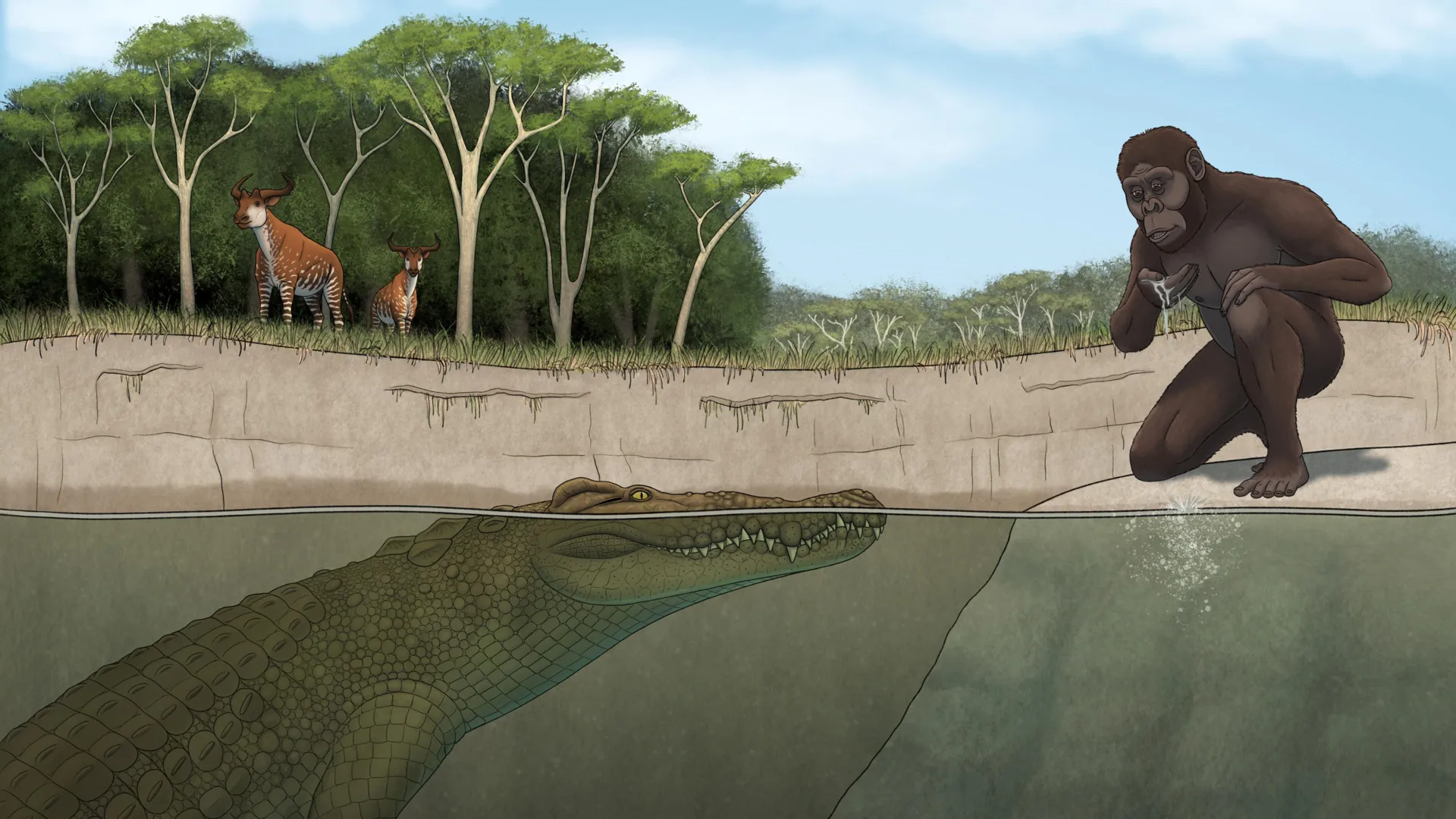
More than 3 million years ago, the famous early human ancestor Lucy and her relatives shared the landscape of East Africa with a formidable predator. Hidden in rivers and lakes, a massive crocodile with a distinctive hump on its snout likely posed one of the greatest dangers to these ancient…More than 3 million years ago, the famous early human ancestor Lucy and her relatives shared the landscape of East Africa with a formidable predator. Hidden in rivers and lakes, a massive crocodile with a distinctive hump on its snout likely posed one of the greatest dangers to these ancient hominins. Now, a University of Iowa-led team has identified that reptile as a previously unknown species. In a study published in the Journal of Systematic Palaeontology , researchers formally describe the crocodile and name it Crocodylus lucivenator , meaning "Lucy's hunter." A Crocodile From Lucy's Time The name reflects the animal's place in history. The crocodile lived between 3.4 million and 3 million years ago in what is now Ethiopia, during the same period and in the same region inhabited by Lucy and her species, Australopithecus afarensis . Discovered in 1974, Lucy became one of the most important fossil finds in human evolution. At the time, her skeleton was the oldest and most complete early human ancestor or relative ever discovered. The find also helped demonstrate that walking upright on two legs, known as bipedalism, evolved before larger brain size. The newly identified crocodile was an impressive animal, measuring roughly 12 to 15 feet long and weighing between 600 and 1,300 pounds. It was the only crocodile known from the Hadar landscape, an environment that included shrublands, wetlands, rivers, and tree-lined waterways. Researchers believe it was an ambush predator that spent much of its time concealed in the water, waiting for animals to approach for a drink. "It was the largest predator in that ecosystem, more so than lions and hyenas, and the biggest threat to our ancestors who lived there during that time," says Christopher Brochu, professor in the Department of Earth and Environmental Sciences at Iowa and the study's corresponding author. "It's a near certainty this crocodile would have hunted Lucy's species. Whether a particular crocodile tried to grab Lucy, we'll never know, but it would have seen Lucy's kind and thought, 'Dinner.'" A Strange and Distinctive Crocodile Brochu has spent 35 years studying ancient crocodilians. He first examined Crocodylus lucivenator specimens during a visit to a museum in Addis Ababa, Ethiopia, in 2016. "I was just blown away because it had this really weird combination of character states," Brochu recalls. One of the crocodile's most unusual features was a prominent hump located in the middle of its snout. Similar structures are found in American crocodiles but not in Africa's Nile crocodiles. Researchers believe the hump may have played a role in courtship displays. "You see this in some modern crocodiles," Brochu says. "The male will lower his head down a little bit to a female to show it off." The species also had a snout that extended farther beyond its nostrils than those of other crocodiles living at the time. According to the researchers, this feature more closely resembles the elongated snouts seen in modern crocodiles. Fossils Reveal Ancient Behavior To identify the new species, researchers analyzed 121 cataloged fossil remains, including skulls, teeth, and jaw fragments from dozens of individuals. The fossils were recovered from the Hadar Formation in Ethiopia's Afar region. For decades, Hadar has been one of the most important sites for understanding human origins. In addition to Lucy and other early hominin fossils, the area contains a rich record of ancient wildlife and was designated a UNESCO World Heritage site in 1980. Most of the crocodile fossils were incomplete, requiring scientists to reconstruct aspects of the animal's anatomy. One specimen, however, preserved evidence of a violent encounter. Several partially healed injuries on its jaw suggest it had fought with another crocodile. "The fossil record preserves similar injuries in extinct groups as well, so this kind of face-biting behavior can be found throughout the crocodile family tree," says Stephanie Drumheller, teaching associate professor at the University of Tennessee who earned a doctorate at Iowa. "We can't know which combatant came out on top of that fight, but the healing tells us that, winner or loser, this animal survived the encounter." Top Predator of the Hadar Ecosystem Although at least three other crocodile species lived farther south in the Eastern Rift Valley, Crocodylus lucivenator appears to have had the Hadar region largely to itself. "During the Pliocene, Hadar was composed of a variety of habitats alongside its lake and river systems over space and time, including open and closed woodlands, gallery forests, wet grasslands, and shrublands," says Christopher Campisano, associate professor in the School of Human Evolution and Social Change at Arizona State University and a study co-author. "Interestingly, this crocodile was one of only a few species that was able to persist throughout." The study is titled "Lucy's Peril: A Pliocene Crocodile from the Hadar Formation, Northeastern Ethiopia." Nathan Platt and Daniel Leaphart from the School of Earth, Environment, and Sustainability at Iowa contributed to the research. Additional co-authors include Getahun Tekle and Tomas Getachew of the National Museum of Ethiopia and Jason Head of the University of Cambridge. Funding for the research was provided by the U.S. National Science Foundation, the Leakey Foundation, the University of Iowa Office of International Programs, and the College of Liberal Arts and Sciences at Iowa.
TWS Council approved this revised version of what was previously its Position Statement on Animal Rights Philosophy and Conservation in March 2026. This statement provides background information on animal rights principles as they align, or conflict, with the animal welfare philosophy practiced in wildlife management and conservation in North America.…TWS Council approved this revised version of what was previously its Position Statement on Animal Rights Philosophy and Conservation in March 2026. This statement provides background information on animal rights principles as they align, or conflict, with the animal welfare philosophy practiced in wildlife management and conservation in North America. It establishes the policies of TWS regarding the animal rights philosophy. Although a range of individual philosophies exists within the realm of “animal rights,” this Issue Statement addresses The Wildlife Society’s policy with respect to the specific animal rights principles that (1) each individual animal has inherent rights, (2) every animal should live free from human-induced pain and suffering, (3) animals should not be exploited for any human purposes, and (4) every individual animal has equal status regardless of commonality or rarity, or whether or not the species is native, exotic, invasive, or feral. In contrast to the above philosophies, TWS supports an animal welfare philosophy that focuses on healthy populations and quality of life for individuals within those populations, and, importantly, conservation of species of animals as described by the Responsible Human Use of Wildlife Position Statement. It does not preclude management of animal populations or use of animals for food or other cultural uses, as long as the loss of life is justified, sustainable, and achieved through humane methods. The conflict between many tenets of an animal rights philosophy and an animal welfare philosophy is profound. The Wildlife Society supports regulated hunting, trapping, and fishing; research on wild animals; non-lethal techniques such as aversive conditioning or capture and marking for research purposes; and the right of people to pursue either consumptive or non-consumptive use of wildlife. The Wildlife Society believes that curtailment of these uses will inhibit wildlife science and conservation. The animal rights view holds that it is wrong to take a sentient animal’s life or cause it to suffer for nearly any reason, even to conserve species or ecosystems or to promote human welfare and safety, with a possible exception of defense of one’s life . According to the animal rights philosophy, animals should be given all the same moral considerations and legal protection as humans. However, animal rights adherents have not come to consensus regarding which species are sentient enough to warrant these protections. The animal rights emphasis on individual animals fails to recognize the inter-relatedness of wildlife communities within functioning ecosystems, and holds that protecting individual animals is more important than conserving populations, species, or ecosystems. Further, the animal rights viewpoint precludes the use of animals in scientific research, designed to benefit animals and their populations. Finally, the animal rights philosophy fails to acknowledge the negative consequences to both wildlife and people that can result when wildlife populations are unmanaged and/or exceed their carrying capacity. Nor does the animal rights philosophy acknowledge the suffering inherent in the natural deaths of virtually all free-ranging wildlife. The Wildlife Society is concerned that foundational elements of the animal rights philosophy contradict the principles that have led to the recognized successes of wildlife management and conservation in North America. Selective or broad application of elements of animal rights philosophy to contemporary issues of wildlife management promotes false choices regarding potential human-wildlife relationships, promotes false expectations for wildlife population management, and erodes the confidence in decades of knowledge acquired through scientific inquiry and indigenous knowledge of wildlife and their habitats. The Public Trust Doctrine, the foundation of many laws protecting wildlife in the U.S., is based on the premise that wild animals are a public resource to be held in trust by the government for the benefit of all citizens. Animal rights advocates philosophically oppose this concept of wildlife as a public trust resource, and further advocate affording legal rights to all animals. Taken literally, under the animal rights legal framework, there would be no existing legal basis for wildlife conservation and management. If the Public Trust Doctrine concept was voided, it would be difficult, if not impossible, for wildlife professionals to manage endangered species, overabundant, invasive, exotic, or ecologically detrimental animal populations, and to protect human health and safety, let alone conduct research for the benefits of wildlife themselves, or allow for widely accepted use of wildlife by humans. The policy of The Wildlife Society regarding animal rights philosophy is to: Recognize that the philosophy of animal rights as defined above, is inconsistent with science-based conservation and management of wildlife. Recognize that animal welfare philosophies can be consistent with science-based conservation and management of wildlife. Educate organizations and individuals about the need for scientific management of wildlife and habitats and about the practical problems relative to the conservation of wildlife and habitats, and to human society, with the animal rights philosophy. Support an animal welfare philosophy, which holds that animals can be studied and managed through science-based methods and that human use of wildlife is acceptable, including regulated hunting, trapping, and lethal control for the benefit of populations, species, and human society, provided the practice is consistent with science and traditional knowledge, is sustainable, and individual animals are treated ethically and humanely, consistent with the Responsible Human Use of Wildlife Position Statement. Related TWS position statements include The Role of the North American Model of Wildlife Conservation, and Responsible Human Use of Wildlife.
Hantavirus is making headlines once again, this time after an outbreak on a cruise ship that started its journey in Argentina on April 1. The post Hantavirus risks: How to clean up after rodents first appeared on Pest Management Professional.
Launched in 2024 in the heart of Times Square in partnership with the National Wildlife Federation (NWF), the LG Vulnerable and Endangered Species Series, a part of their “Life’s Good” … Read more The post Students Tell us Why Protecting Endangered Species is Important! appeared first on The National Wildlife…Launched in 2024 in the heart of Times Square in partnership with the National Wildlife Federation (NWF), the LG Vulnerable and Endangered Species Series, a part of their “Life’s Good” … Read more The post Students Tell us Why Protecting Endangered Species is Important! appeared first on The National Wildlife Federation Blog.
On the edge of the Eagle Cap Wilderness in Wallowa Mountains of northeastern Oregon, I found myself surrounded by forests of firs and pine criss-crossed by mountain streams and dotted … Read more The post The Wonder of the Oregon’s Wallowa Mountains and HB 4134 appeared first on The National…On the edge of the Eagle Cap Wilderness in Wallowa Mountains of northeastern Oregon, I found myself surrounded by forests of firs and pine criss-crossed by mountain streams and dotted … Read more The post The Wonder of the Oregon’s Wallowa Mountains and HB 4134 appeared first on The National Wildlife Federation Blog.