Squirrel Abatement Attic Chandler Squirrel Abatement Attic Chandler, AZ can be important when squirrels enter an attic and begin using the space for shelter or nesting. AAAC Wildlife Removal Of Phoenix provides professional wildlife removal services for homeowners and businesses in Chandler. Squirrels can find access through small gaps around…Squirrel Abatement Attic Chandler Squirrel Abatement Attic Chandler, AZ can be important when squirrels enter an attic and begin using the space for shelter or nesting. AAAC Wildlife Removal Of Phoenix provides professional wildlife removal services for homeowners and businesses in Chandler. Squirrels can find access through small gaps around rooflines, soffits, fascia, vents, and other exterior areas of a building. Signs of squirrels inside an attic can include scratching and running sounds, disturbed insulation, nesting materials, droppings, gnaw marks, and damage around vents or other openings. Squirrels may continue using an attic when they have reliable access to a sheltered space. Identifying the entry point can help determine how they are getting inside and which areas need to be addressed. AAAC Wildlife Removal Of Phoenix provides humane squirrel removal and exclusion services for attic wildlife concerns. The process may include inspecting the attic and exterior of the structure, identifying squirrel entry points, safely removing the animals, and sealing openings after removal. Cleanup and sanitation may also be recommended when squirrel activity has affected insulation or other areas of the attic. Watch this video to learn more about Squirrel Abatement Attic Chandler, AZ and the signs that may indicate squirrel activity inside your attic. If you hear scratching or running sounds overhead or discover evidence of squirrels, contact AAAC Wildlife Removal Of Phoenix for professional inspection, humane removal, exclusion, entry-point sealing, and cleanup services. More on YouTube: https://www.youtube.com/watch?v=jTMZHoia2qk On Sound Cloud: AAAC Wildlife Removal of Phoenix provides professional squirrel removal services in Chandler, Arizona. Contact Us: AAAC Wildlife Removal of Phoenix 4256 N Brown Ave Suite A Scottsdale, AZ 85251 623-259-6307 Website: https://phoenix.aaacwildliferemoval.com/ Email: phoenix@aaacwildliferemoval.com Find us around the web: YouTube: https://www.youtube.com/channel/UCtUod5oRNMjbBlhITHtz64A Facebook: https://web.facebook.com/AAACPhoenix/ Twitter: https://twitter.com/AAACPhoenixAZ SoundCloud: https://soundcloud.com/aaacphoenix Blogger: https://aaacphoenix.blogspot.com WordPress: https://aaacphoenix.wordpress.com Tumblr: https://aaacphoenix.tumblr.com
Squirrel Removal Chandler Squirrels can become a nuisance when they gain access to homes and businesses in Chandler, AZ. These active animals may enter attics, roof spaces, soffits, and other sheltered areas through small openings around the exterior of a structure. AAAC Wildlife Removal Of Phoenix provides professional squirrel removal…Squirrel Removal Chandler Squirrels can become a nuisance when they gain access to homes and businesses in Chandler, AZ. These active animals may enter attics, roof spaces, soffits, and other sheltered areas through small openings around the exterior of a structure. AAAC Wildlife Removal Of Phoenix provides professional squirrel removal services to help Chandler property owners address unwanted squirrel activity and protect their buildings from further wildlife intrusion. Squirrel activity can produce several noticeable signs. Homeowners may hear scratching, running, or chewing sounds coming from an attic or roof area, particularly when squirrels are moving through the structure. Other signs can include damaged vents, gnawed materials, nesting debris, droppings, and visible openings that may provide access to the building. Effective squirrel removal involves more than simply getting an animal out of an attic. The process can include inspecting the property, identifying active entry points, safely removing squirrels, and addressing openings that could allow them to return. AAAC Wildlife Removal Of Phoenix uses a wildlife removal and exclusion approach designed to address the source of the intrusion while helping secure vulnerable areas of the structure. This playlist provides information about Squirrel Removal Chandler, AZ and the wildlife removal services available from AAAC Wildlife Removal Of Phoenix. Listen to learn more about common signs of squirrel activity, potential entry points, attic concerns, humane removal, exclusion, and property protection. Addressing wildlife access points can help Chandler homeowners and businesses reduce the likelihood of recurring squirrel problems. More on Sound Cloud: https://soundcloud.com/aaacphoenix/sets/raccoon-removal-chandler On YouTube: https://www.youtube.com/playlist?list=PLIKCTANhl7WA AAAC Wildlife Removal of Phoenix provides professional squirrel removal services in Chandler, Arizona. Contact Us: AAAC Wildlife Removal of Phoenix 4256 N Brown Ave Suite A Scottsdale, AZ 85251 623-259-6307 Website: https://phoenix.aaacwildliferemoval.com/ Email: phoenix@aaacwildliferemoval.com Find us around the web: YouTube: https://www.youtube.com/channel/UCtUod5oRNMjbBlhITHtz64A Facebook: https://web.facebook.com/AAACPhoenix/ Twitter: https://twitter.com/AAACPhoenixAZ SoundCloud: https://soundcloud.com/aaacphoenix Blogger: https://aaacphoenix.blogspot.com WordPress: https://aaacphoenix.wordpress.com Tumblr: https://aaacphoenix.tumblr.com
“Chocolate, avocados, onions, and moldy foods are some of the most poisonous items you can leave out for squirrels. Even small amounts of these everyday ingredients can cause serious health issues—or be fatal—for these sensitive rodents.” Squirrels may look harmless scampering across your fence or chasing each other up a…“Chocolate, avocados, onions, and moldy foods are some of the most poisonous items you can leave out for squirrels. Even small amounts of these everyday ingredients can cause serious health issues—or be fatal—for these sensitive rodents.” Squirrels may look harmless scampering across your fence or chasing each other up a tree, but when they show up in your attic or tear through your garden, that charm disappears fast. In leafy neighborhoods where parks are close by and backyard bird feeders are everywhere, it’s no surprise that squirrels are regular visitors—and sometimes uninvited tenants. While many people enjoy watching them or even tossing out food, what you leave behind can actually be dangerous to squirrels—and a bigger headache for you without proper squirrel control . This article isn’t about harming wildlife. It’s about knowing what food is poisonous to squirrels so you don’t accidentally invite them in or make them sick. If you’ve been leaving out scraps, filling feeders, or composting without thinking twice, there’s a good chance you’re creating a squirrel buffet without even realizing it. Let’s break down what to avoid, what to secure, and how to protect both your home and the squirrels from a bad encounter. What Is The Most Dangerous Foods for Squirrels? Chocolate and Caffeinated Products Chocolate is one of the most toxic substances you can accidentally leave out for squirrels or any rodent. It contains theobromine—a stimulant that these small animals can’t metabolize effectively. Just a small amount from a brownie, chocolate almond bar, or sugar-filled candy can trigger tremors, elevated heart rate, or seizures in squirrels. Since they have such fast metabolisms and tiny bodies, the toxic effects hit hard and fast, often with serious consequences. Caffeinated foods and drinks are equally dangerous. Coffee grounds , soda spills, or chocolate-covered espresso beans tossed into a compost pile can be life-threatening if a squirrel gets into them. Where outdoor parties and backyard BBQs are common, it’s easy for sugary or caffeine-rich snacks to end up where rodents roam. To keep squirrels safe and your property clear of unwelcome visitors, make it a habit to clean up thoroughly and store all sweet or stimulant-laced foods securely. Avocados Avocados contain persin, a fungicidal toxin found in the fruit’s skin, pit, and even its leaves. While persin might not harm humans, it can be toxic to many animals, including squirrels. The risk isn’t just in eating an avocado—squirrels that nibble on a discarded peel, chewed seed, or exposed pit can experience digestive issues or worse. What makes this even more concerning is how easily avocado waste can be overlooked, especially in compost bins. If you’re growing avocado trees or preparing guacamole from scratch, this is something to stay mindful of. As urban farming and composting become more popular, the risk of accidentally exposing squirrels to this toxic fruit increases. Make sure avocado scraps are properly sealed or discarded, and if you have a tree, regularly clear fallen fruit from the yard. It’s better to be safe than to unknowingly poison a local animal. Onions, Garlic, and Spicy Foods While these aromatic kitchen staples may keep your chili full of flavor, they spell serious trouble for squirrels. Onions and garlic contain compounds that can damage red blood cells, leading to anemia and other health complications. The danger extends to cooked dishes, too. If a squirrel gets into leftover food seasoned with garlic or onions, even in small amounts, it can suffer lasting effects. In worst cases, repeated exposure can be fatal over time. Spicy foods also pack a punch that squirrels can’t handle. Hot sauce remnants, chili powder, or discarded tacos can cause severe digestive distress. Where spicy dishes are a staple, food waste often ends up in outdoor bins or compost piles. Make sure spicy scraps are stored in critter-proof containers, and avoid tossing seasoned leftovers near your patio or yard. The goal isn’t just to avoid harming squirrels—it’s to stop inviting them altogether. Alcohol and Fermented Fruit Alcohol might seem like an unlikely threat to wildlife, but squirrels are highly sensitive to it. Whether it’s beer spills from a tailgate, wine left out on the porch, or sugary cocktails left on patio tables, these drinks can lead to disorientation, slowed reaction time, and eventually liver failure in squirrels. Their small bodies can’t handle even trace amounts, and it doesn’t take much to put them in serious danger. Another sneaky culprit? Overripe or fermenting fruit, especially in backyards with peach, fig, or persimmon trees. As the fruit falls and begins to break down, it can release natural alcohols that attract squirrels and get them intoxicated. They may stagger, fall from trees, or become easy prey for predators. Regularly clean up fruit from the ground and keep alcoholic beverages secure during outdoor events. Salty Snacks and Chips Salt is another ingredient that can easily disrupt a squirrel’s internal balance. While humans can handle a salty snack during a football game or backyard hangout, squirrels don’t process salt well. Even a few bites of junk food like chips, pretzels, or salted walnut snacks can dehydrate them and overwork their kidneys. These types of treats also contain added sugar and artificial ingredients that offer zero nutritional value for squirrels—making them both harmful and useless from a dietary perspective. Many of these items—especially sugary breakfast cereals or processed snack mixes—are casually dropped or tossed outside without much thought. But to a hungry squirrel, that forgotten bowl of cereal or spilled trail mix is a full meal. Where outdoor events, food trucks, and weekend cookouts are part of the culture, squirrels quickly learn where the good stuff is. Cleaning up sugary crumbs and sealing snack waste tightly are easy steps that help discourage squirrels from turning your yard into their favorite buffet line. Surprising “Healthy” Foods That Still Poisonous To Squirrels Not all squirrel-dangerous foods are obviously harmful. Some look totally natural or even nutritious—but for squirrels, they can cause more harm than good. These foods often show up in gardens, bird feeders, compost piles, or well-meaning attempts to “feed the wildlife.” Here’s what to watch for. Raw Corn (Especially Moldy Corn) Corn might seem harmless—it’s a common ingredient in bird seed, livestock feed, and even human snacks. But when corn starts to mold, it can develop aflatoxins, which are highly toxic to squirrels and many other animals. Aflatoxins are produced by certain types of fungi and can affect liver function, immune systems, and even lead to cancer in wildlife. A squirrel doesn’t have to eat much moldy corn for it to cause serious internal damage. The risk goes up during warm, humid stretches—especially in summer—when moisture speeds up mold growth. Corn that’s left outside for too long, stored improperly in feeders, or tossed into compost piles can quickly become a hidden hazard. If you’re putting out corn in a feeder, store it in a dry place, change it frequently, and never offer anything that smells off or looks discolored. It’s not just about nutrition—it’s about safety. Bread and Processed Carbs Bread might feel like a safe, throwaway snack for critters—but it’s actually a poor and potentially harmful food choice for squirrels. Bread, crackers, and other refined carbs offer little to no nutrition, and they can expand in a squirrel’s stomach, leading to bloating or discomfort. In some cases, processed bread products contain preservatives and additives that are hard for squirrels to digest, weakening their system over time. Squirrels that eat too much bread often end up malnourished despite feeling full. This is especially common in neighborhoods where residents leave out food “just to be nice.” Unfortunately, the kindness backfires. Instead of helping, you may be attracting squirrels that grow dependent on an unhealthy food source—and more likely to take up permanent residence in your attic. If you want to be squirrel-friendly, stick to natural deterrents and avoid the bread basket. Peanuts (Especially Salted or Moldy) Peanuts are a bit of a wildcard. While they’re often seen in squirrel food blends or used to lure wildlife for photos, they aren’t actually nuts—they’re legumes. And when they’re salted, roasted, or worse, moldy, they become a serious risk. Moldy peanuts, like corn, can carry aflatoxins that attack a squirrel’s liver and immune system. Salted peanuts, on the other hand, can cause dehydration and kidney stress. This matters because many people use peanuts to feed birds or squirrels without realizing the risks. In fact, some birdseed mixes from big-box stores still include them. If you’re trying to keep squirrels away from your yard—or avoid poisoning them by accident—skip the peanuts. And if you must use them, go for raw, unsalted, and fresh, and use a squirrel-proof bird feeder so your effort to help one species doesn’t endanger another. Foods That Attract Squirrels (But Shouldn’t) Some foods might not be poisonous, but they’re basically neon signs saying “Free Snacks Here!” for squirrels. These attractants can lead to more frequent visits, nesting, and eventual infestations. If you’re trying to squirrel-proof your yard or keep them from invading your home, these are the items to manage carefully. Bird Seed and Pet Food Bird feeders are one of the top culprits for squirrel problems. Many blends contain sunflower seeds, millet, corn, and peanuts—aka squirrel candy. Once they find a reliable food source, squirrels will return again and again, sometimes destroying the feeder in the process. The same goes for pet food left outside. Dry kibble and wet food alike are high-protein, calorie-dense meals that squirrels will happily devour. Where backyard birdwatching is popular and outdoor pet bowls are commo
The American Red Squirrel is a small, feisty, and fascinating creature often seen darting through trees and chattering away. Hi there, nature lovers! Ever spotted a tiny, russet-colored acrobat scurrying up a tree or heard a high-pitched, rapid chatter in the woods? You’ve likely encountered the American Red Squirrel! These…The American Red Squirrel is a small, feisty, and fascinating creature often seen darting through trees and chattering away. Hi there, nature lovers! Ever spotted a tiny, russet-colored acrobat scurrying up a tree or heard a high-pitched, rapid chatter in the woods? You’ve likely encountered the American Red Squirrel! These energetic little creatures are not only adorable but also incredibly fascinating. Let’s dive into the quirky world of the American Red Squirrel and discover some of their most interesting traits. Key Takeaways American Red Squirrels are known for their vibrant red fur and white underbellies. They are highly territorial and can be quite aggressive. These squirrels are expert foragers and have complex food storage systems. Their vocalizations include a variety of sounds used for communication and warning. They play a crucial role in forest ecosystems. Appearance and Behavior Alright, let’s get up close and personal with these charismatic critters. The American Red Squirrel might be small, but it packs a lot of charm into that tiny frame. Distinctive Look One of the first things you’ll notice about the American Red Squirrel is its striking reddish fur. This vibrant color sets it apart from other squirrels, making it quite the head-turner. Complementing its red coat is a white underbelly that adds a nice contrast. Those big, dark eyes and tufted ears give them a perpetually curious and slightly mischievous expression. Size and Weight These squirrels are petite, typically around 12 inches long from nose to tail, with their bushy tails making up a good portion of that length. They weigh in at about half a pound, which might not seem like much, but it’s all muscle and energy. Active and Agile If you’ve ever watched a red squirrel in action, you know they’re always on the move. They’re like the parkour athletes of the animal kingdom, leaping from branch to branch with incredible agility and speed. Whether they’re foraging for food or just playing, their movements are a blur of frenetic energy. Territorial Natur Don’t be fooled by their small size – these squirrels have big personalities and are fiercely territorial. They’ll defend their patch of forest with loud chattering, tail flicking, and even physical confrontations if necessary. This territorial behavior helps them secure their food caches and nesting sites from intruders. Daily Routine Red squirrels are diurnal, meaning they’re active during the day. Their mornings are usually spent foraging for food, while afternoons might be dedicated to grooming and resting in their nests. As evening approaches, they’re back out foraging, ensuring they have enough supplies to see them through the night and the next day. Habitat and Range Now that we’ve got a good look at these feisty little furballs, let’s explore where they call home and how they stake out their territory. Forest Dwellers American Red Squirrels are true forest aficionados. Their preferred hangouts are coniferous forests, where they can feast on their favorite snacks – pine seeds. These forests provide them with an abundance of food and plenty of trees for shelter and play. However, they’re not too picky and can also thrive in mixed woodlands that offer a variety of food sources and nesting sites. Home Sweet Home These squirrels are expert architects when it comes to building nests. They often construct their homes, called dreys, high up in the trees using twigs, leaves, and moss. These dreys provide insulation against the cold and protection from predators. Sometimes, they take advantage of existing tree cavities or even move into abandoned bird nests. Territorial Nature Red squirrels are known for their fiercely territorial behavior. Each squirrel stakes out a territory that can range from half an acre to over two acres, depending on the availability of food and nesting sites. They defend these territories with an impressive display of chattering, tail flicking, and even physical confrontations. Trespassers are not welcome! Marked Boundaries To mark their territories, these squirrels use a combination of scent marking and vocalizations. They have special glands on their cheeks, feet, and under their tails that release scent markers. By rubbing these glands on trees and other objects, they create a scent map that informs other squirrels of their presence. Their vocal warnings are equally important, as they let potential intruders know that the area is already claimed. Range and Distribution The American Red Squirrel’s range covers a vast area across North America. They’re found from Alaska and Canada all the way down through the Rocky Mountains and into parts of the northeastern United States. Their adaptability to different forest types allows them to thrive in various environments, from dense, cold boreal forests to more temperate, mixed woodlands. Adaptation to Seasons These squirrels are well-adapted to seasonal changes. In winter, their thick fur provides insulation against the cold, and they rely on their cached food supplies to survive when resources are scarce. During the warmer months, they’re busy gathering food and reinforcing their nests to prepare for the next winter. Diet and Foraging Ready to dive into the dining habits of our red-coated friends? The American Red Squirrel’s diet is as dynamic and fascinating as they are. These little creatures are master foragers, and their eating habits play a vital role in the forest ecosystem. Food Preferences The primary staple of the American Red Squirrel’s diet is conifer seeds, particularly from pine trees. They have a special knack for extracting seeds from pine cones, which they deftly strip using their sharp teeth. But these squirrels are far from picky eaters. Their diet also includes a variety of other foods such as nuts, berries, fruits, fungi, and even tree bark. Caching Behavior One of the most intriguing aspects of the American Red Squirrel’s behavior is their food caching habit, also known as “larder hoarding.” These squirrels create multiple food caches, known as middens, where they store pine cones and other food items. Middens are often located at the base of trees and can be used year after year, becoming extensive storage sites that help the squirrels survive through the winter when food is scarce. Complex Storage Systems Their caching strategy is quite sophisticated. They don’t just stash food anywhere; they carefully select and prepare storage sites. By spreading their food across numerous caches, they reduce the risk of losing their entire supply to thieves or spoilage. Each cache is strategically located and often covered with leaves and other debris to conceal it from potential raiders. Seasonal Diet Changes The American Red Squirrel’s diet changes with the seasons. During the spring and summer, they feast on fresh berries, fruits, and new plant growth. In the fall, their diet shifts to gathering and storing nuts and seeds to prepare for the winter months. They also consume fungi, which they may even store in tree crevices to dry out for later consumption. Nutty Efficiency These squirrels are incredibly efficient foragers. Their sharp teeth and nimble paws allow them to quickly harvest and prepare their food. They can strip a pine cone in mere minutes, and their strong jaws can crack open the toughest nuts. This efficiency is crucial for building up their food stores before the onset of winter. Memory Masters American Red Squirrels have excellent memories, especially when it comes to locating their food caches. They use spatial memory to remember the locations of their many food stashes, even months after hiding them. This remarkable ability ensures they can find enough food to sustain themselves through the harsh winter months. Dietary Flexibility While seeds and nuts are their primary food sources, American Red Squirrels are opportunistic feeders. They may also consume insects, bird eggs, and even small vertebrates when other food sources are limited. This dietary flexibility helps them adapt to different environments and seasonal changes. Communication and Vocalizations Now that we’ve explored the diet and foraging habits of the American Red Squirrel, let’s tune into the lively chatter and complex communication methods of these vocal little critters. Chatterboxes of the Forest American Red Squirrels are known for their vocal nature. These tiny chatterboxes use a wide array of sounds to communicate with each other and to signal various messages. From high-pitched squeaks to rapid-fire chattering, their vocalizations are a constant backdrop in their forest habitats. Vocal Repertoire The vocal repertoire of the American Red Squirrel includes several distinct sounds, each serving a specific purpose: Chirps and Squeaks: These are often used for general communication between squirrels, conveying a range of emotions from curiosity to mild agitation. Rattles and Chatters: Rapid, repetitive sounds that can serve as a territorial warning. If you hear a red squirrel chattering away, it’s likely telling another squirrel to back off from its turf. Growls and Screams: These louder and more aggressive sounds are typically used in confrontations or to ward off predators. Whistles and Trills: High-pitched and melodious, these sounds are often associated with courtship and mating behaviors. Alarm Calls One of the most important aspects of the red squirrel’s vocalizations is their alarm call system. When a squirrel detects a predator, it emits a series of loud, sharp calls to alert other squirrels in the vicinity. These alarm calls can vary depending on the type of threat: Short, Sharp Calls: Often used to signal the presence of ground predators like foxes or snakes. Longer, Repetitive Calls: Typically used to warn of aerial predators like hawks or owls. These calls can sometimes be mistaken for bird calls, given their clarity and repetition. Body Language In addition to vocalizations, American Red Squirrels use body language t
Squirrel Removal From Attic Chandler Squirrel Removal From Attic Chandler, AZ can be necessary when squirrels find an opening and begin using an attic as a shelter or nesting area. AAAC Wildlife Removal Of Phoenix provides professional squirrel removal services for homeowners and businesses in Chandler. Squirrels can enter attics…Squirrel Removal From Attic Chandler Squirrel Removal From Attic Chandler, AZ can be necessary when squirrels find an opening and begin using an attic as a shelter or nesting area. AAAC Wildlife Removal Of Phoenix provides professional squirrel removal services for homeowners and businesses in Chandler. Squirrels can enter attics through gaps around rooflines, soffits, fascia, vents, and other exterior areas that provide access to protected spaces. Hearing scratching, running, or movement sounds above the ceiling can be a sign that squirrels are active in an attic. Property owners may also find disturbed insulation, nesting materials, droppings, gnaw marks, or damage around vents and other entry points. An inspection can help identify where squirrels are entering and determine which areas need to be addressed. AAAC Wildlife Removal Of Phoenix provides humane squirrel removal and exclusion services designed to address attic wildlife concerns. The process may include inspecting the attic and exterior, locating squirrel entry points, safely removing the animals, and sealing openings after removal. Cleanup and sanitation may also be recommended if squirrels have occupied the attic and left behind affected materials. Watch this video to learn more about Squirrel Removal From Attic Chandler, AZ and the signs that squirrels may be using your attic. If you hear wildlife activity overhead or discover evidence of squirrels inside your attic, contact AAAC Wildlife Removal Of Phoenix for professional inspection, humane removal, exclusion, entry-point sealing, and cleanup services. More on YouTube: https://www.youtube.com/watch?v=9Ehs4ua5bFg On Sound Cloud: AAAC Wildlife Removal of Phoenix provides professional squirrel removal services in Chandler, Arizona. Contact Us: AAAC Wildlife Removal of Phoenix 4256 N Brown Ave Suite A Scottsdale, AZ 85251 623-259-6307 Website: https://phoenix.aaacwildliferemoval.com/ Email: phoenix@aaacwildliferemoval.com Find us around the web: YouTube: https://www.youtube.com/channel/UCtUod5oRNMjbBlhITHtz64A Facebook: https://web.facebook.com/AAACPhoenix/ Twitter: https://twitter.com/AAACPhoenixAZ SoundCloud: https://soundcloud.com/aaacphoenix Blogger: https://aaacphoenix.blogspot.com WordPress: https://aaacphoenix.wordpress.com Tumblr: https://aaacphoenix.tumblr.com
Center, Internet, Wildlife Damage Management TWS Wildlife Damage Management Working Group Newsletter:Spring 1999 - Volume 6(2) Date of this Version 1999 Document Type Article Abstract Forward -- Scott Craven; 1999 Wildlife Damage Management Working Group Officers:; Contributors To This Issue; Wildlife Damage Management Around The World - Part 4; Wildlife…Center, Internet, Wildlife Damage Management TWS Wildlife Damage Management Working Group Newsletter:Spring 1999 - Volume 6(2) Date of this Version 1999 Document Type Article Abstract Forward -- Scott Craven; 1999 Wildlife Damage Management Working Group Officers:; Contributors To This Issue; Wildlife Damage Management Around The World - Part 4; Wildlife Damage Management In Mexico; Next Edition Deadlines; Conditioned Food Avoidance For Predator Depredation Alert; Preliminary Program 6th Annual Conference * September 7-11, 1999; Tws 6th Annual Conference Working Group Sponsored Sessions; In Memory: William D. Fitzwater; Next Edition Deadlines; In Memoriam: Jack H. Berryman; A Wildlife Contraception Technical Review Committee; Call For Papers 19th Vertebrate Pest Conference; Application For Membership / The Wildlife Society DOWNLOADS Since November 09, 2010 COinS
Squirrel Removal Chandler Squirrel Removal Chandler, AZ can help property owners dealing with squirrels that have entered their homes or businesses. AAAC Wildlife Removal Of Phoenix provides professional squirrel removal services for properties where squirrels may be getting into attics, rooflines, soffits, garages, crawl spaces, and other concealed areas. Squirrels…Squirrel Removal Chandler Squirrel Removal Chandler, AZ can help property owners dealing with squirrels that have entered their homes or businesses. AAAC Wildlife Removal Of Phoenix provides professional squirrel removal services for properties where squirrels may be getting into attics, rooflines, soffits, garages, crawl spaces, and other concealed areas. Squirrels can take advantage of small openings around a building when searching for a protected place to shelter or nest. Squirrel activity can produce several signs around a property. Homeowners may hear scratching or running sounds in the attic, notice disturbed insulation, find nesting materials, see gnaw marks, or discover damaged vents and other openings. Squirrels can use gaps around soffits, fascia, rooflines, vents, and other exterior areas to gain access to a structure. AAAC Wildlife Removal Of Phoenix provides humane squirrel removal and exclusion services in Chandler, AZ. The process may include inspecting the property, locating squirrel entry points, safely removing the animals, and sealing openings after removal. Cleanup and sanitation may also be recommended when squirrels have occupied an attic, crawl space, roofline, or another enclosed area. Watch this video to learn more about Squirrel Removal Chandler, AZ and common squirrel problems affecting local properties. If you are hearing wildlife activity in your attic or finding signs of squirrels around your home or business, AAAC Wildlife Removal Of Phoenix can inspect the property and help with professional squirrel removal, exclusion, entry-point sealing, and cleanup services. More on YouTube: https://www.youtube.com/watch?v=_D6HhrOtJWE On Sound Cloud: AAAC Wildlife Removal of Phoenix provides professional squirrel removal services in Chandler, Arizona. Contact Us: AAAC Wildlife Removal of Phoenix 4256 N Brown Ave Suite A Scottsdale, AZ 85251 623-259-6307 Website: https://phoenix.aaacwildliferemoval.com/ Email: phoenix@aaacwildliferemoval.com Find us around the web: YouTube: https://www.youtube.com/channel/UCtUod5oRNMjbBlhITHtz64A Facebook: https://web.facebook.com/AAACPhoenix/ Twitter: https://twitter.com/AAACPhoenixAZ SoundCloud: https://soundcloud.com/aaacphoenix Blogger: https://aaacphoenix.blogspot.com WordPress: https://aaacphoenix.wordpress.com Tumblr: https://aaacphoenix.tumblr.com
“The number one killer of squirrels isn’t cars or disease—it’s predators like hawks, owls, coyotes, and even outdoor cats.” Squirrels may look like carefree little acrobats racing across trees and rooftops, but their survival isn’t as easy as it seems. These animals face constant threats every single day, from predators…“The number one killer of squirrels isn’t cars or disease—it’s predators like hawks, owls, coyotes, and even outdoor cats.” Squirrels may look like carefree little acrobats racing across trees and rooftops, but their survival isn’t as easy as it seems. These animals face constant threats every single day, from predators overhead to dangers on the ground, and not all of them make it through a season alive. That leaves many people wondering: what is the number one killer of squirrels? The answer might surprise you. While many assume cars or harsh weather take the top spot, it’s actually predators that claim the most squirrel lives. Hawks, owls, snakes, coyotes, and even free-roaming cats are a squirrel’s biggest danger. Understanding this helps homeowners see why squirrels often move closer to houses, attics, and neighborhoods where they hope to find safety from the natural threats outside. The Top Threat: Predators in the Wild The number one killer of squirrels is predation. Despite their quick reflexes and acrobatic skills, squirrels are a vital part of the food chain. Hawks, owls, coyotes, and other hunters rely on them for survival, which keeps squirrel populations in balance. While this is a natural process, it also explains why squirrels frequently push closer to human homes in search of safety. In cities and their surrounding suburbs, predators are never far away. Open fields, wooded areas, and even neighborhood parks provide hunting grounds where squirrels are easy targets. Young squirrels and those caught foraging in open spaces are the most vulnerable, but even experienced adults can be taken by surprise when predators strike quickly and silently. Main Predators of Squirrels: Hawks and Owls – These birds of prey swoop down at high speeds, often leaving squirrels no time to react. Daytime hunters like hawks and nighttime hunters like owls make squirrels vulnerable around the clock. Coyotes – Opportunistic and adaptable, coyotes hunt squirrels both in wooded areas and near the edges of neighborhoods. Their presence has grown in urban areas, creating constant pressure on local squirrel populations. Snakes – Many snakes target young or unsuspecting squirrels near nests. Arboreal snakes can climb trees and ambush squirrels directly in their nests, making them especially dangerous to litters. Domestic Cats – Outdoor cats are surprisingly effective hunters and kill a significant number of squirrels each year. Unlike natural predators, cats often hunt for sport, which adds even more pressure to local populations. Foxes – While not as common in suburbs, foxes still roam rural and park areas, and squirrels are a frequent target when other prey is scarce. Predation not only reduces squirrel numbers but also changes their behavior. In urban settings, squirrels may avoid open yards or wooded edges where predators are active, instead climbing into attics, garages, and rooflines. These man-made shelters offer protection from natural enemies, but they create new problems for homeowners when squirrels start nesting indoors. Other Major Causes of Squirrel Death Road Traffic Collisions with vehicles are one of the most visible dangers to squirrels living in urban and suburban areas. These animals often dart across busy roads without hesitation, making them highly vulnerable during rush hours. Unfortunately, their natural zigzag running pattern—meant to escape predators—often makes it harder for drivers to avoid them. Morning and evening are peak times for squirrel activity, which also line up with commuter traffic. As neighborhoods expand and roads cut through wooded areas, more squirrels find themselves in harm’s way. For many urban squirrels, cars are a daily hazard that significantly shortens their lifespan. Disease and Parasites Squirrels are also at risk from illnesses like squirrel pox, mange, and respiratory infections. These diseases can weaken entire populations, especially when squirrels live in close proximity to one another. Parasites such as ticks, fleas, and internal worms further add to the burden, often leading to slow declines in health. Dense squirrel populations in parks and neighborhoods make it easier for diseases to spread. While not always immediately fatal, these conditions lower a squirrel’s ability to escape predators or survive harsh weather, ultimately increasing mortality rates. Starvation and Harsh Weather Although squirrels are skilled food gatherers, starvation does occur, particularly in times of drought or after severe winters. When natural food sources like acorns or berries run short, squirrels struggle to find enough to survive. Young squirrels and weaker adults are often hit the hardest. Harsh weather also plays a role in survival. Extreme summer heat can dehydrate squirrels quickly, while unexpected freezes during winter can wipe out food stashes. These seasonal challenges make food security a constant battle for squirrels year-round. Human Hazards Human activity poses another serious risk to squirrels. Poison left out for rodents, improperly set traps, and accidental electrocution on power lines all claim squirrel lives. While these may not always be intentional, the consequences can be deadly for urban wildlife. DIY removal attempts also put squirrels in danger, and in many cases, create risks for homeowners as well. Improper handling can lead to injury, property damage, and health hazards. This is why professional wildlife control is always the safer and more humane option. Why This Matters for Homeowners The constant threats squirrels face in the wild—predators, cars, disease, and harsh weather—often push them toward the safety of human homes. Attics, soffits, and garages provide secure shelter where squirrels can escape predators and extreme temperatures. For them, your property isn’t just convenient, it’s a lifeline. Unfortunately, this survival instinct creates serious problems for homeowners. Once inside, squirrels can chew wires, tear insulation, and damage structural wood, all while leaving behind droppings that pose health risks. What seems like a harmless guest can quickly escalate into costly repairs and dangerous hazards. Understanding why squirrels seek shelter helps explain why infestations are so common. By recognizing the pressures these animals face outdoors, homeowners can better appreciate the importance of prevention. Addressing entry points early ensures your attic doesn’t become the next refuge for a desperate squirrel. How AAAC Wildlife Removal Can Help Humane Removal At AAAC Wildlife Removal, the focus is always on safe and humane solutions. Instead of harmful traps or poisons, trained specialists use proven techniques to remove squirrels without causing unnecessary suffering. This approach protects the animals while keeping your home and family safe from unintended consequences. Humane removal also reduces the chance of future issues. By addressing the infestation correctly from the start, you avoid problems like dead animals in walls or attics, which can create odor and sanitation concerns. It’s the responsible way to restore balance without making things worse. Exclusion and Prevention Once squirrels are removed, the next critical step is sealing off entry points. Professionals carefully inspect the roofline, soffits, vents, and chimneys to find where squirrels are sneaking in. These vulnerable spots are then sealed with durable materials designed to withstand chewing and weather conditions. Prevention is just as important as removal. By closing access points, you ensure squirrels don’t come back, reducing the cycle of infestation. Homeowners benefit from long-term peace of mind knowing their property is protected against repeat invasions. Repairs and Cleanup Squirrels often leave behind extensive damage that needs professional attention. Chewed wires, shredded insulation, and droppings are not just a nuisance—they can become fire hazards and health risks if ignored. AAAC’s team offers repair and sanitation services to restore your attic to a safe, clean condition. Cleanup also helps prevent future problems. Removing droppings and nesting materials eliminates odors and bacteria that could attract other wildlife. A thorough restoration ensures your home is safe for your family while discouraging pests from returning. Conclusion: Nature’s Balance and Homeowner Action Predators may be the number one killer of squirrels, but they’re far from the only threat these animals face. Disease, traffic, weather, and human hazards all play a role in shortening squirrel lifespans. These challenges often explain why squirrels seek the safety of attics, garages, and rooflines when the outdoors becomes too dangerous. For homeowners, this survival instinct can turn into an expensive headache. Once inside, squirrels can damage insulation, chew through electrical wiring, and leave droppings that create serious health concerns. Ignoring the problem rarely makes it go away—in fact, it usually leads to more damage over time. The good news is you don’t have to deal with it alone. AAAC Wildlife Removal specializes in humane squirrel removal, exclusion, and cleanup to keep your home safe. If you’ve noticed scratching in your attic or other signs of squirrel activity, call AAAC today and let the experts protect your home while keeping nature in balance. Take Action Today Don’t wait until a squirrel infestation turns into costly damage. Protect your home with safe, humane, and effective wildlife removal services. AAAC Wildlife Removal is ready to help you solve the problem fast and prevent it from happening again. 📞 Call us today or request an inspection online to keep your home squirrel-free—for good.
Removal Of Squirrels In Attic Chandler Removal Of Squirrels In Attic Chandler, AZ can become necessary when squirrels find their way inside a home or business and begin using the attic as a shelter or nesting area. AAAC Wildlife Removal Of Phoenix provides professional squirrel removal services for properties throughout…Removal Of Squirrels In Attic Chandler Removal Of Squirrels In Attic Chandler, AZ can become necessary when squirrels find their way inside a home or business and begin using the attic as a shelter or nesting area. AAAC Wildlife Removal Of Phoenix provides professional squirrel removal services for properties throughout Chandler. Squirrels can enter through gaps around rooflines, soffits, fascia, vents, and other exterior openings that provide access to protected spaces. Property owners may notice several signs when squirrels are active inside an attic. Scratching and running sounds above the ceiling, disturbed insulation, nesting materials, droppings, gnaw marks, and damage around vents can all indicate squirrel activity. Locating the entry point is an important part of addressing the problem and determining how squirrels are getting into the structure. AAAC Wildlife Removal Of Phoenix provides humane squirrel removal and exclusion services in Chandler, AZ. The process may include inspecting the attic and exterior areas, identifying squirrel entry points, safely removing the animals, and sealing openings after removal. Cleanup and sanitation may also be recommended when squirrels have occupied the attic or affected insulation and other materials. Watch this video to learn more about Removal Of Squirrels In Attic Chandler, AZ and the common signs of squirrel activity inside an attic. If you hear scratching or running sounds overhead or discover evidence of squirrels, contact AAAC Wildlife Removal Of Phoenix for professional inspection, humane removal, exclusion, entry-point sealing, and cleanup services. More on YouTube: https://www.youtube.com/watch?v=M9KWKOLgVaY On Sound Cloud: AAAC Wildlife Removal of Phoenix provides professional squirrel removal services in Chandler, Arizona. Contact Us: AAAC Wildlife Removal of Phoenix 4256 N Brown Ave Suite A Scottsdale, AZ 85251 623-259-6307 Website: https://phoenix.aaacwildliferemoval.com/ Email: phoenix@aaacwildliferemoval.com Find us around the web: YouTube: https://www.youtube.com/channel/UCtUod5oRNMjbBlhITHtz64A Facebook: https://web.facebook.com/AAACPhoenix/ Twitter: https://twitter.com/AAACPhoenixAZ SoundCloud: https://soundcloud.com/aaacphoenix Blogger: https://aaacphoenix.blogspot.com WordPress: https://aaacphoenix.wordpress.com Tumblr: https://aaacphoenix.tumblr.com
Document Type Report Publication Date 1985 Abstract This paper reports on the results of a study designed both to gather important information through Delphi and to evaluate several key features of the Delphi process. We intend to present information developed, and also describe and discuss Delphi so as to make…Document Type Report Publication Date 1985 Abstract This paper reports on the results of a study designed both to gather important information through Delphi and to evaluate several key features of the Delphi process. We intend to present information developed, and also describe and discuss Delphi so as to make resource managers more comfortable with it, aware of its potential, and willling to consider it along with other information gathering tools. Recommended Citation United States Department of Agriculture, Forest Service, "The Delphi Method: Application to Elk Habitat Quality" (1985). Wildlife Conservation and Management. Paper 3. https://digitalcommons.usu.edu/govdocs_wildlife/3 DOWNLOADS Since October 22, 2010 COinS
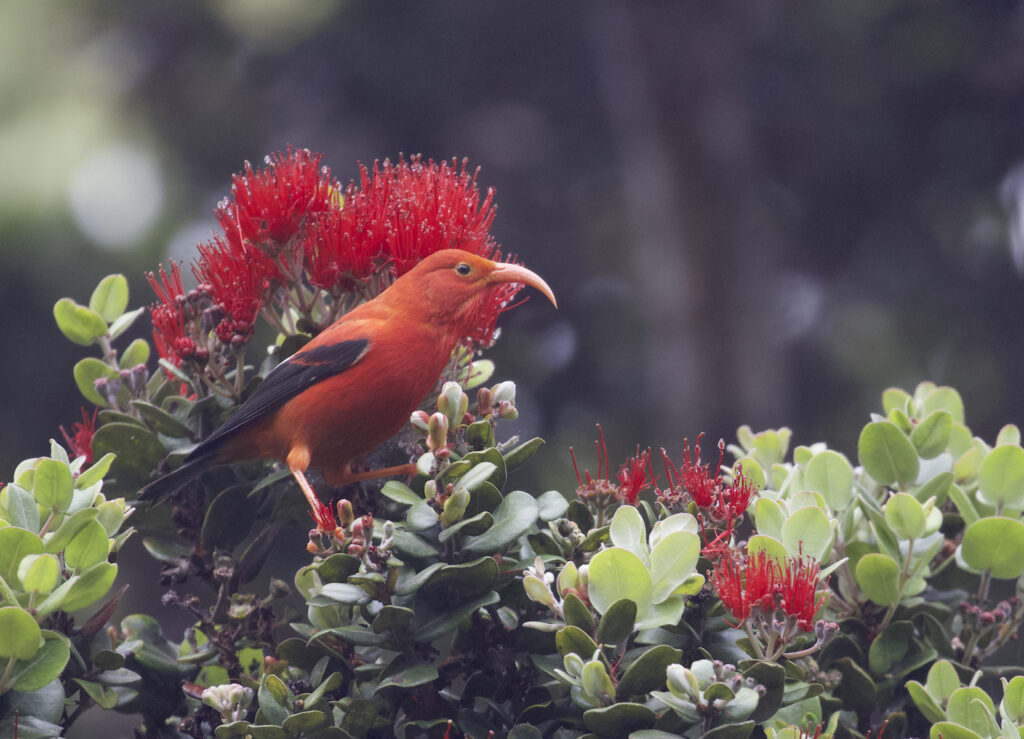
Back to Resources Scarlet honeycreepers (I’iwi, Drepanis coccinea ) are among the few dozen species endemic to the Hawaiian Islands. Credit: Gregory “Slobirdr” Smith The dozens of unique honeycreepers found in Hawaii are mostly descended from an explosion of diversification that occurred more than 2.5 million years ago. According to…Back to Resources Scarlet honeycreepers (I’iwi, Drepanis coccinea ) are among the few dozen species endemic to the Hawaiian Islands. Credit: Gregory “Slobirdr” Smith The dozens of unique honeycreepers found in Hawaii are mostly descended from an explosion of diversification that occurred more than 2.5 million years ago. According to new research, about 60 Hawaiian honeycreeper species all emerged from a single ancestor that arrived on the archipelago sometime after it formed. Many of those species are now extinct—only 17 honeycreeper species are extant in Hawaii today. Researchers with the Smithsonian Institute conducted genetic analysis to determine the relationships between living and extinct honeycreeper species. They found that most species appeared 2.5-3.5 million years ago, roughly when Oahu formed. A better understanding of these taxonomic relationships could help researchers learn more about how some species can better resist introduced diseases like avian malaria . “The genomic data we generated for this study should also be useful for understanding the morphological evolution of the honeycreepers, as well as to offer clues about how the genomic variation of some honeycreeper species may have influenced their ability to survive disease,” said Robert Fleischer, scientist emeritus at Smithsonian’s National Zoo and Conservation Biology Institute and senior author of the study, in a press release. Read more at Smithsonian’s National Zoo & Conservation Biology Institute.
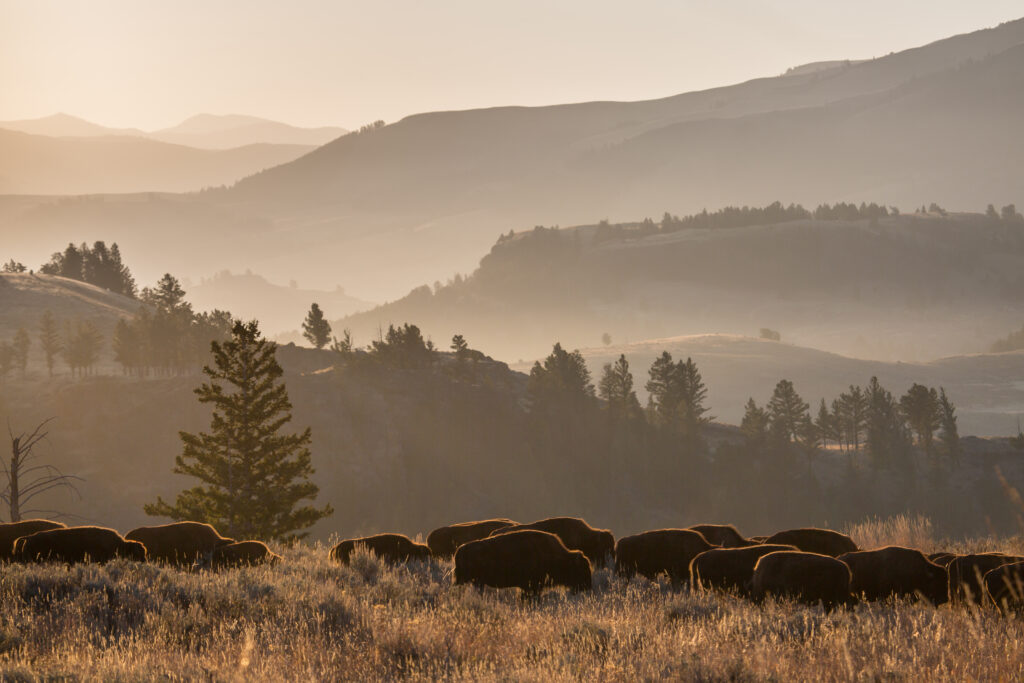
Bison used for ecological restoration have been served an eviction notice on federal lands, leaving other herds in limbo and sparking debate over how livestock and the term “domestic” are defined. The U.S. Bureau of Land Management (BLM) has issued a final decision on American bison ( Bison bison )…Bison used for ecological restoration have been served an eviction notice on federal lands, leaving other herds in limbo and sparking debate over how livestock and the term “domestic” are defined. The U.S. Bureau of Land Management (BLM) has issued a final decision on American bison ( Bison bison ) grazing permits to American Prairie, a nonprofit focused on restoring bison and the prairie ecosystem in Montana. On its website , American Prairie states that its “long-term goal is to grow bison herds to a population size that would result in the species fulfilling their ecological role on the landscape.” Bison are a keystone species, ecologically important to habitat diversity in prairie ecosystems. In response to the proposed decision issued in January 2026, interest groups challenged the proposed revocation, claiming it would be an invalid and potentially harmful reinterpretation of the law governing livestock grazing on federal lands. “This proposal is an unprecedented reversal of BLM’s own decision-making after more than 40 years of treating bison as eligible livestock under federal grazing law,” said Alison Fox, CEO of American Prairie, in a press release . “BLM lawfully approved these permits after a thorough environmental review and defended them for years.” BLM justified the proposal to revoke American Prairie’s 2022 grazing authorization because the animals are used for ecological restoration as opposed to traditional livestock grazing operations. The justification focuses on the Taylor Grazing Act of 1934 and on the BLM’s designation of American Prairie’s bison herd as wildlife rather than domestic livestock. In the decision to revoke the permits, they define “species of domestic livestock” as cattle, sheep, horses, burros and goats. The BLM states that livestock grazing on their land must be used for “production-oriented purposes,” such as meat, milk or fiber. But the Act does not include the term “production-oriented purposes.” The agency also states that the term “domestic” has a “plain and obvious meaning” and that it is meant to be “the opposite of wild.” The agency states that the leasing does not apply to animals “presently treated as wild or are intended to be released into the wild.” What is the definition? The Taylor Grazing Act of 1934 is a landmark piece of legislation that aimed to prevent unregulated livestock overgrazing on public grazing lands by establishing grazing districts and issuing 10-year permits to qualified ranchers. In the Taylor Grazing Act of 1934, “livestock” and “domestic” are not defined. For the past 40 years, the leasing process has included bison, but some ranchers have contested that interpretation of the Act. “We have always said that the law is clear: grazing permits under the Taylor Grazing Act are for domestic livestock production, not for creating a massive nature reserve that displaces families who have stewarded this land for generations,” said Republican Gov. Greg Gianforte about the proposed decision in a press release . Bison are considered ecologically extinct in the wild, meaning they no longer serve their ecological function. Credit: US Geological Survey The rescission must contend with challenges arising from overlapping laws and differing agency definitions, as well as interest-group concerns. Grazers are subject to local laws and taxes in Montana, which define livestock as cattle, horses, mules, asses, sheep, llamas, alpacas, bison, swine, ostriches, rheas, emus and goats, and separate domestic bison from wild bison based in part on whether a person owns the bison. The BLM’s definition is also in juxtaposition to the U.S. Forest Service, which also regulates grazing on its lands and defines livestock as “animals of any kind kept or raised for use or pleasure.” The shift in interpretation leaves the roughly 41 BLM bison permits held by American Prairie and other groups that raise bison in question and has Tribes concerned they could be stripped of their ability to graze bison on public rangelands. The Coalition of Large Tribes (COLT), which represents more than 50 Tribes, filed against the decision, calling the current definition “unworkable” and stating, “What separates wild versus domestic animals is: (1) ownership; (2) control; and (3) captivity status,” which they argue would define the herds as domestic. “Under no definition would someone consider bison confined behind fences’ wild,” said COLT in a protest letter . There are concerns that the language may harm other groups due to its vague use of “production-oriented purposes” and “treated as wild,” which may discriminate against homesteaders and cattle ranchers who use sustainable methods. There is no statutory requirement that livestock be for “production-oriented purposes” or that outlines the management practices that ranchers must use for federal grazing leases. TWS does not define livestock in our position on rangeland livestock grazing . We support an ecosystem approach to managing rangeland livestock grazing that addresses rangeland integrity, resilience and function, while working to understand the motivations of various stakeholders to inform policy decisions. Article by Kaylyn Zipp
Advertising PCN Paper Subscription Send Your Story Privacy Policy Contact Germany Spain Dutch Poland Home PCN Issues PCN Issues – 2026 PCN Issues – 2025 PCN Issues – 2024 PCN Issues – 2023 PCN Issues – 2022 PCN Issues – 2021 PCN Issues – 2020 PCN Issues – 2019 PCN…Advertising PCN Paper Subscription Send Your Story Privacy Policy Contact Germany Spain Dutch Poland Home PCN Issues PCN Issues – 2026 PCN Issues – 2025 PCN Issues – 2024 PCN Issues – 2023 PCN Issues – 2022 PCN Issues – 2021 PCN Issues – 2020 PCN Issues – 2019 PCN Issues – 2018 PCN Issues – 2017 PCN Issues – 2016 PCN Issues – 2015 PCN Issues – 2014 View All Issues PCN Junior News PCN News CRRU View All Events PCN Dinner 2026 Terms and Conditions Downloads Download PMA Download CRRU Download Media Pack View All Downloads Training About Vacancies Advertising Send Your Story Paper Subscription Built on the award-winning patented design of the original flyDetect®, the flyDetect® X is a 24/7 remote fly monitoring system that requires no software subscriptions and uses advanced Quantum® X LED tubes . It combines proven capture performance with advanced digital monitoring to deliver more efficient pest management. You have full access to its monitoring capabilities, making it a reliable and cost-effective investment. Designed to Cut Energy Use and Maintenance The flyDetect® X uses Quantum® X LED tubes – a unique 360° LED tube technology designed to maximise the potential of UV LEDs and provide the best flying insect attraction on the market. These tubes consume less than half the power of their fluorescent model, significantly reducing running costs and maintenance requirements, and only need replacing every three years. Save Time with Centralised Monitoring Manage all customer locations from one straightforward dashboard within the flyDetect® app, with real-time alerts across multiple sites. Review performance across your entire portfolio in minutes, removing the need for site-to-site visits and freeing up time for higher-value work. Scheduled Maintenance and Compliance Support The flyDetect® X provides scheduled notifications for replacing Quantum® X LED tubes and sticky boards. This ensures consumables are changed on time to maintain capture performance and provides clear, auditable proof of compliance with safety and environmental health standards. By combining smart monitoring, real-time data, and energy-efficient technology, the flyDetect® X provides a complete remote surveillance solution for flying insect control. No subscription fees, clear multi-site oversight, and proven capture performance make it a practical choice for protecting customer sites. Share This Post About US PCN is an independent trade magazine, which is sent out free of charge to all industries relating to pest management… Read More We’re accepting new partnerships right now. To subscribe for your paper copy of PCN please click here . Email Us: editor@pestcontrolnews.com Contact: 01924 268400 EVENTS No data was found Our Sponsors
Close Menu Facebook X (Twitter) Instagram Advertising PCN Paper Subscription Send Your Story Privacy Policy Contact Germany Spain Dutch Poland Facebook X (Twitter) Instagram Home PCN Issues PCN Issues – 2026 PCN Issues – 2025 PCN Issues – 2024 PCN Issues – 2023 PCN Issues – 2022 PCN Issues –…Close Menu Facebook X (Twitter) Instagram Advertising PCN Paper Subscription Send Your Story Privacy Policy Contact Germany Spain Dutch Poland Facebook X (Twitter) Instagram Home PCN Issues PCN Issues – 2026 PCN Issues – 2025 PCN Issues – 2024 PCN Issues – 2023 PCN Issues – 2022 PCN Issues – 2021 PCN Issues – 2020 PCN Issues – 2019 PCN Issues – 2018 PCN Issues – 2017 PCN Issues – 2016 PCN Issues – 2015 PCN Issues – 2014 View All Issues PCN Junior News PCN News CRRU View All Join Killgerm as an Area Sales Manager – Midlands & Wales 08/18/2026 Killgerm Group Ltd Announce the Retirement of Philip Dalgliesh, Company Chemist & Director for Killgerm Chemicals 04/24/2026 BASF Launches Easter Bonanza Competition for Pest Control Professionals 03/30/2026 NPTA Announces New Chair and Vice Chair Appointments 01/20/2026 New guidance issued to professional rodenticide users 08/05/2024 Changes for farmers, gamekeepers and pest control businesses in new rodenticide stewardship report 02/20/2024 UPDATED OPTIONS FOR RODENTICIDE ‘PROOF-OF-COMPETENCE’ TRAINING 10/21/2022 New rodenticide guidelines: Future availability of professional baits in users’ own hands 02/23/2022 Maxforce® Platin to be withdrawn from the UK & Irish market 09/28/2026 Join Killgerm as an Area Sales Manager – Midlands & Wales 08/18/2026 Killgerm Group Announce New Leadership Structure 07/01/2026 Killgerm Group Ltd Announce the Retirement of Philip Dalgliesh, Company Chemist & Director for Killgerm Chemicals 04/24/2026 Events PCN Dinner 2026 Terms and Conditions Downloads Download PMA Download CRRU Download Media Pack View All Downloads Training About Vacancies Advertising Send Your Story Paper Subscription Killgerm Group attended, sponsored and presented at the 11 th International Conference on Urban Pests in Lund (Sweden), supporting and delivering original scientific research in the field of urban pest management. Killgerm and University of Reading PhD student Ana Carolina Yamakawa, supervised by Killgerm’s Dr Matthew Davies, presented cutting-edge scientific research on rodent pathogens. Dr Matthew Davies (Head of Technical Department at Killgerm Chemicals Ltd, Chair of the 9 th International Conference on Urban Pests and now a member of the Executive Committee), also delivered a workshop on the ‘Future of the International Conference on Urban Pests’ and presented findings to the assembled delegates, who represented an incredible 31 countries. In attendance were also Killgerm Germany biologists Dr Carolin Pfeiffer and Dr Melania Akkose. The UK contingent was added to by Technical Managers Melvin Knapp and Michael Dunbar. Martin Nilsson provided the local presence as Managing Director of Killgerm Sweden. Share This Post Prev Previous Killgerm Hosts Another Successful “On the Farm Day” at Hurcott Farm Next Experience the Flavour: Book Your Free Session Next About US PCN is an independent trade magazine, which is sent out free of charge to all industries relating to pest management… Read More We’re accepting new partnerships right now. To subscribe for your paper copy of PCN please click here . Email Us: editor@pestcontrolnews.com Contact: 01924 268400 EVENTS No data was found Vacancies Vacancies Field based covering London & South East England We have an exciting opportunity for a hardworking and focussed individual to join Killgerm… Our Sponsors PCN Sister sites Germany Spain Dutch Poland
The UK pest control industry is saddened to learn of the passing of Oliver Madge, a widely respected figure who dedicated nearly three decades to the sector. Known for his passionate advocacy for education and professional standards, Mr. Madge was an influential voice who left a lasting impact on the…The UK pest control industry is saddened to learn of the passing of Oliver Madge, a widely respected figure who dedicated nearly three decades to the sector. Known for his passionate advocacy for education and professional standards, Mr. Madge was an influential voice who left a lasting impact on the organisations and individuals he worked with. Mr. Madge’s most prominent role was as Chief Executive Officer of the British Pest Control Association (BPCA), a post he held for three and a half years. After leaving the BPCA, he founded the consultancy Pestwise, becoming a leading industry tutor, and established the not-for-profit Bed Bug Foundation CIC to raise standards in bed bug management. His most documented work centred on advancing the industry as a whole. His influence extended across the sector. He was a sought-after speaker at key events such as PestTech and a regular author for publications like Professional Pest Controller magazine, sharing his expertise on topics from rodent baiting to risk mitigation. He also served as a media advisor for national outlets, including the BBC, ensuring the industry was represented with authority and professionalism. Oliver Madge will be remembered for his unwavering dedication, his forward-thinking leadership, and his significant contribution to the professionalisation of the UK pest control industry.
Wildlife Removal Services, a family-operated, licensed and insured wildlife control company serving San Diego County since 2008, has opened a new office in Escondido, Calif. The expansion positions the company to deliver faster response times and more consistent service coverage across North County San Diego. Comprehensive services now available in…Wildlife Removal Services, a family-operated, licensed and insured wildlife control company serving San Diego County since 2008, has opened a new office in Escondido, Calif. The expansion positions the company to deliver faster response times and more consistent service coverage across North County San Diego. Comprehensive services now available in North County The Escondido office […] The post Wildlife Removal Services Expands within California first appeared on Pest Management Professional.
August 25, 2026September 25, 2026 CAN Newsletter , Policy Library Download Resource The Wildlife Society’s Conservation Affairs Network supports communication, collaboration and coordination on policy engagement across our organization and participating chapters, sections, working groups and student chapters. The monthly CAN newsletter highlights policy issues occurring at local, regional and…August 25, 2026September 25, 2026 CAN Newsletter , Policy Library Download Resource The Wildlife Society’s Conservation Affairs Network supports communication, collaboration and coordination on policy engagement across our organization and participating chapters, sections, working groups and student chapters. The monthly CAN newsletter highlights policy issues occurring at local, regional and national levels, and provides opportunities for wildlife professionals and students to engage with those issues. Related Articles CAN Newsletter, News, Policy Library Volume 12, Issue 10, October 2026 CAN Newsletter FYI Georgia will reopen wildlife management area Policy Library TWS comments on proposed revisions to NRCS National Handbook of Conservation Practices, Conservation Practice Standards
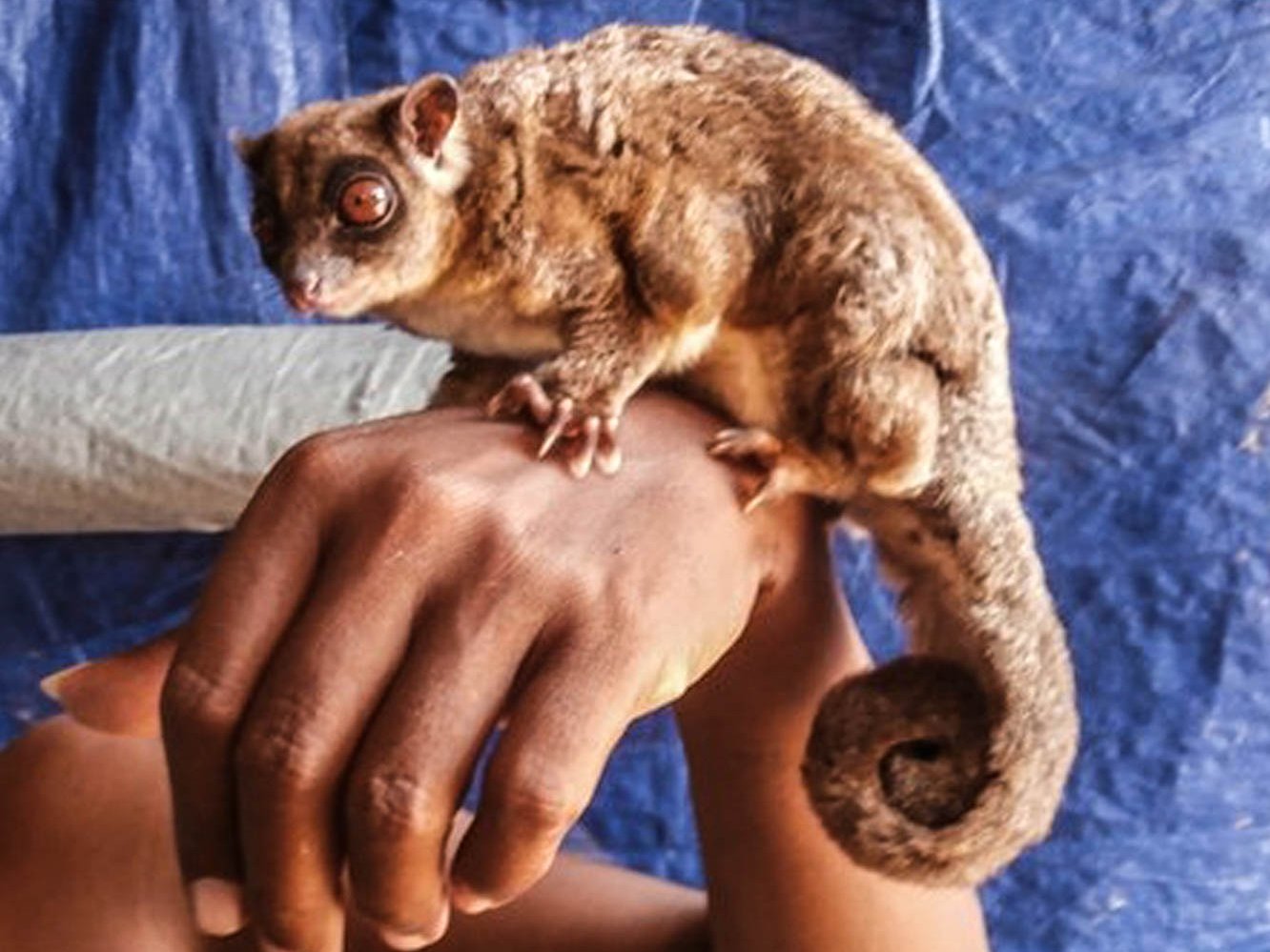
Back to Resources This ring-tailed glider was captured on the Vogelkop Peninsula of Indonesia New Guinea. Credit: Arman Muharmansyah New species are being described —and disappearing—faster than ever. But what’s much less common? Species popping back up that were thought to be long extinct. Not one, but two marsupials thought…Back to Resources This ring-tailed glider was captured on the Vogelkop Peninsula of Indonesia New Guinea. Credit: Arman Muharmansyah New species are being described —and disappearing—faster than ever. But what’s much less common? Species popping back up that were thought to be long extinct. Not one, but two marsupials thought by scientists to have been gone for thousands of years have been documented living in the rainforests of New Guinea. The pygmy long-fingered possum ( Dactylonax kambuayai ) and the ring-tailed glider ( Tous ayamaruensis ), species once thought to be extinct before metaphorically rising from the dead, join the Lazarus taxon. A long-fingered possum, which uses its namesake finger to feed on insect larvae buried in logs, was collected, misidentified and used as a teaching specimen in the Australian Museum in 1992. Researchers thought the species had disappeared during the last ice age, at least 6,000 years ago. It wasn’t until recently that scientists compared the specimen to fossil fragments and recently captured photos that the marsupial’s identity was revealed. The other marsupial, the ring-tailed glider, was first described via fossils in the 20 th century by an Australian paleontologist. Some Indigenous groups consider the animal sacred. Rika Korain, a local Maybrat woman and coauthor on the recent paper published in Records of the Australian Museum , said that collaboration with local Indigenous groups was crucial for this research. Read more at The Guardian .
The natural resources profession is entering a period of tremendous opportunity and change. Demand for skilled professionals in wildlife biology, ecology, forestry, fisheries, wetland science and related fields is expected to grow in the coming years. At the same time, employers increasingly seek professionals with diverse technical expertise, strong communication…The natural resources profession is entering a period of tremendous opportunity and change. Demand for skilled professionals in wildlife biology, ecology, forestry, fisheries, wetland science and related fields is expected to grow in the coming years. At the same time, employers increasingly seek professionals with diverse technical expertise, strong communication abilities, interdisciplinary knowledge and practical field experience. As the profession evolves, universities face an important question: Are we preparing students with the knowledge, skills and experiences needed to succeed in today’s workforce? Aaron Haines To help answer that question, I am conducting a nationwide survey of natural resource professionals to identify the academic content, field techniques, professional competencies and workplace skills most important for career success. The results of the survey titled “Help Shape the Future of the Natural Resources Profession” will be used to develop a career-readiness tool database designed to better prepare students for careers in natural resources while increasing transparency about pathways to employment. Why this project matters Although employment opportunities in natural resources continue to expand, the profession has historically faced challenges in recruiting and retaining a diverse workforce. At the same time, modern natural resource management has become increasingly interdisciplinary, requiring professionals to possess a broader and more complex set of skills than ever before. Students often enter college with different levels of exposure to natural resources careers. Some have access to mentoring, internships, outdoor experiences and professional networks, while others may have little familiarity with career expectations or professional development opportunities. This information gap can create barriers for students attempting to navigate career pathways. The goal of this project is to help level the playing field by providing aspiring professionals with direct guidance from individuals currently working in the field. Developing a career-readiness tool The proposed career-readiness tool, a database to help students and educators better understand how to prepare for the natural resources field, will be built from feedback provided by practicing natural resource professionals. By compiling information from a large number of natural resource professionals across multiple disciplines, the tool will help students better understand: Educational requirements for various career paths Technical skills most valued by employers Important field and laboratory techniques Professional competencies needed for advancement Career experiences that improve employability Emerging trends within the profession The database will allow students to compare career paths, identify skill gaps and prioritize educational and professional development opportunities that align with their career goals. Rather than relying solely on anecdotal advice, students will have access to insights derived directly from professionals working throughout the natural resources sector. Benefits for students and educators The project is intended to benefit not only students but also colleges, universities and employers. For students, the tool can provide greater clarity, confidence and preparedness when pursuing careers in wildlife conservation, ecological research, forestry, fisheries management, wetlands and other natural resource professions. For educators, the survey findings can help inform curriculum development and experiential learning opportunities. Professional feedback can identify areas where academic programs may better incorporate workforce-relevant training and professional skills. Previous research has emphasized the importance of integrating skills, such as communication, collaboration, structured decision-making, leadership, consensus-building and professional problem-solving. By understanding employer expectations and workforce needs, academic programs can more effectively prepare graduates for successful careers in natural resource conservation, management and research. A request to natural resource professionals The success of this initiative depends on participation from practicing professionals across the natural resources field. Whether you work as a wildlife biologist, ecologist, forester, fisheries professional, wetland scientist, environmental consultant, conservation practitioner, natural resource manager or in some other capacity as a wildlifer, your experience and perspective are valuable. By sharing insights from those currently working in the field, this project aims to strengthen workforce readiness, improve accessibility to career information and support efforts to build a more diverse and effective natural resources profession. Your participation can help shape the future of conservation education and ensure that tomorrow’s professionals are equipped with the knowledge and skills needed to meet the complex challenges of natural resource management. The survey takes approximately 10 minutes to complete and seeks feedback regarding the knowledge, skills and competencies most important in your profession. The information gathered will contribute directly to the development of a career-readiness resource that can help guide future generations of conservation professionals. For questions regarding participant rights, contact Jeffry Porter, Director of Sponsored Projects and Research Administration, Millersville University, at Je *********** @ ********** le.edu . Click here to take the “Help Shape the Future of the Natural Resources Profession survey.” Article by Aaron Haines
As regulatory pressure surrounding glue traps continue to accelerate, a new industry-led certification aims to establish a clear standard. The post Glue trap usage: Industry leaders launch certification standard first appeared on Pest Management Professional.
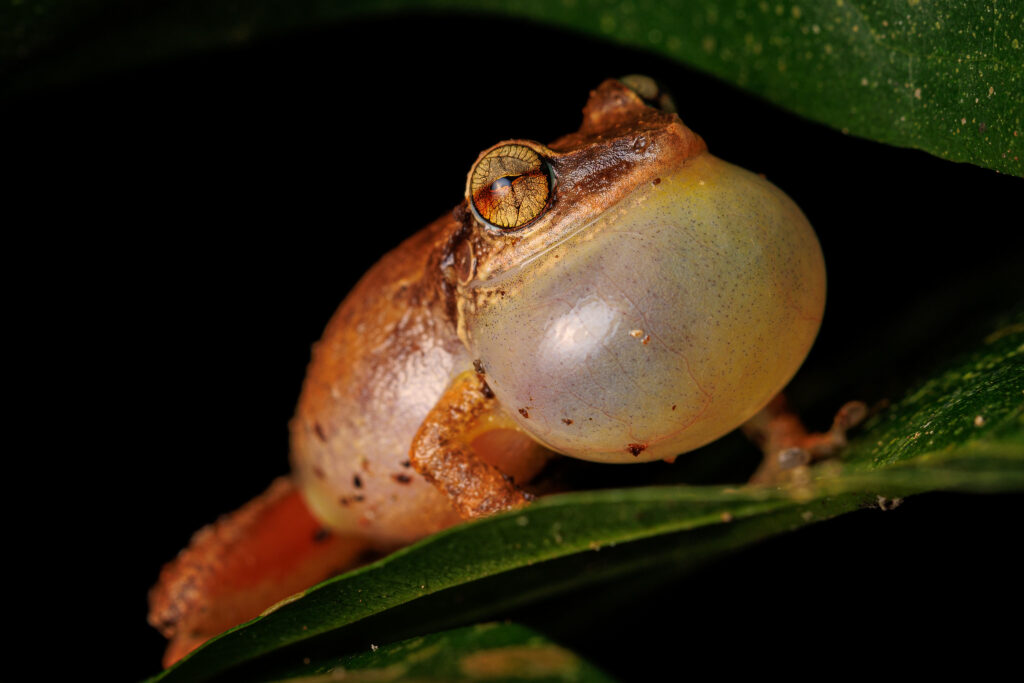
Back to Resources Common coquis prioritize growth in their early days over disease resistance. Credit: Alberto López Young frogs disregard fighting disease in favor of faster growth—until the illness gets serious. Researchers have found that growth is the most important factor for young frogs with limited energy to spare, as…Back to Resources Common coquis prioritize growth in their early days over disease resistance. Credit: Alberto López Young frogs disregard fighting disease in favor of faster growth—until the illness gets serious. Researchers have found that growth is the most important factor for young frogs with limited energy to spare, as larger sizes give them a better chance of survival. They modeled data taken from common coqui frogs ( Eleutherodactylus coqui ) infected with the chytrid fungus, Batrachochytrium dendrobatidis. The model revealed that young frogs prioritized growth early in their development and only began to spend energy fighting the disease when infection levels became severe. “We found that individuals invest in growth for as long as they can, and only to switch to immune defenses when the pathogen becomes a real threat,” said Zuania Colón-Piñeiro, lead author of the study published recently in the Journal of Animal Ecology , in a press release. These results, the researchers said, could inform strategies for releasing captive-bred amphibians in areas where disease is prevalent—older, head-started frogs may be better equipped to deal with infections. Read more at the University of Florida News .