Raccoon Exterminator Chandler Raccoon Exterminator Chandler, AZ is a search many property owners use when raccoons begin entering their homes, businesses, attics, garages, or other areas. AAAC Wildlife Removal Of Phoenix provides professional raccoon removal services in Chandler, AZ, helping property owners address unwanted raccoon activity. Raccoons can enter structures…Raccoon Exterminator Chandler Raccoon Exterminator Chandler, AZ is a search many property owners use when raccoons begin entering their homes, businesses, attics, garages, or other areas. AAAC Wildlife Removal Of Phoenix provides professional raccoon removal services in Chandler, AZ, helping property owners address unwanted raccoon activity. Raccoons can enter structures through gaps around rooflines, soffits, fascia, vents, chimneys, and other exterior openings. Raccoon activity can leave behind noticeable signs around a property. Scratching and movement sounds in an attic, disturbed insulation, nesting materials, droppings, damaged vents, and visible openings can indicate that raccoons have gained access. Locating the entry point is an important part of the removal process because an open access point may allow raccoons or other wildlife to enter again. AAAC Wildlife Removal Of Phoenix focuses on humane raccoon removal and exclusion services. The process may include inspecting the property, identifying areas where raccoons are entering, safely removing the animals, and sealing openings once removal is complete. Cleanup and sanitation may also be recommended when raccoons have occupied an attic, crawl space, roofline, or another enclosed area. Watch this video to learn more about Raccoon Exterminator Chandler, AZ and common raccoon concerns affecting local properties. If you are dealing with raccoons around your home or business, AAAC Wildlife Removal Of Phoenix can inspect the property and provide professional raccoon removal, exclusion, entry-point sealing, and cleanup services to address the wildlife problem. More on YouTube: https://www.youtube.com/watch?v=DSveaomPyj4 On Sound Cloud: AAAC Wildlife Removal of Phoenix provides professional and humane raccoon removal services in Chandler, Arizona. Contact Us: AAAC Wildlife Removal of Phoenix 4256 N Brown Ave Suite A Scottsdale, AZ 85251 623-259-6307 Website: https://phoenix.aaacwildliferemoval.com/ Email: phoenix@aaacwildliferemoval.com Find us around the web: YouTube: https://www.youtube.com/channel/UCtUod5oRNMjbBlhITHtz64A Facebook: https://web.facebook.com/AAACPhoenix/ Twitter: https://twitter.com/AAACPhoenixAZ SoundCloud: https://soundcloud.com/aaacphoenix Blogger: https://aaacphoenix.blogspot.com WordPress: https://aaacphoenix.wordpress.com Tumblr: https://aaacphoenix.tumblr.com
Raccoon Removal Chandler Raccoons can become a nuisance when they find their way into homes and businesses in Chandler, AZ. These adaptable animals may enter attics, crawl spaces, roofs, and other areas through openings around soffits, vents, fascia, and rooflines. AAAC Wildlife Removal Of Phoenix provides professional raccoon removal services…Raccoon Removal Chandler Raccoons can become a nuisance when they find their way into homes and businesses in Chandler, AZ. These adaptable animals may enter attics, crawl spaces, roofs, and other areas through openings around soffits, vents, fascia, and rooflines. AAAC Wildlife Removal Of Phoenix provides professional raccoon removal services to help Chandler property owners address unwanted raccoon activity and protect their properties from further intrusion. Signs of raccoons around a property can include scratching and movement sounds in the attic, damaged vents or roofing materials, nesting debris, droppings, and unusual odors. Raccoons may also create openings while attempting to access sheltered areas. An inspection can help determine where raccoons are entering and identify areas that may need attention as part of the removal and exclusion process. Raccoon removal involves more than simply removing an animal from a structure. The process may include inspecting the property, identifying entry points, safely removing raccoons, and sealing openings that could allow them to return. Cleanup and sanitation may also be necessary when raccoons have occupied an attic or other enclosed space. This playlist provides information about Raccoon Removal Chandler, AZ and the wildlife services offered by AAAC Wildlife Removal Of Phoenix. Learn more about common signs of raccoon activity, potential access points, humane removal methods, exclusion, and steps property owners can take to reduce future wildlife intrusion around their homes and businesses in Chandler. More on Sound Cloud: https://soundcloud.com/aaacphoenix/sets/aaac-wildlife-removal-chandler On YouTube: https://www.youtube.com/playlist?list=PLSibCzlQXblM AAAC Wildlife Removal of Phoenix provides professional and humane raccoon removal services in Chandler, Arizona. Contact Us: AAAC Wildlife Removal of Phoenix 4256 N Brown Ave Suite A Scottsdale, AZ 85251 623-259-6307 Website: https://phoenix.aaacwildliferemoval.com/ Email: phoenix@aaacwildliferemoval.com Find us around the web: YouTube: https://www.youtube.com/channel/UCtUod5oRNMjbBlhITHtz64A Facebook: https://web.facebook.com/AAACPhoenix/ Twitter: https://twitter.com/AAACPhoenixAZ SoundCloud: https://soundcloud.com/aaacphoenix Blogger: https://aaacphoenix.blogspot.com WordPress: https://aaacphoenix.wordpress.com Tumblr: https://aaacphoenix.tumblr.com
“Chocolate, avocados, onions, and moldy foods are some of the most poisonous items you can leave out for squirrels. Even small amounts of these everyday ingredients can cause serious health issues—or be fatal—for these sensitive rodents.” Squirrels may look harmless scampering across your fence or chasing each other up a…“Chocolate, avocados, onions, and moldy foods are some of the most poisonous items you can leave out for squirrels. Even small amounts of these everyday ingredients can cause serious health issues—or be fatal—for these sensitive rodents.” Squirrels may look harmless scampering across your fence or chasing each other up a tree, but when they show up in your attic or tear through your garden, that charm disappears fast. In leafy neighborhoods where parks are close by and backyard bird feeders are everywhere, it’s no surprise that squirrels are regular visitors—and sometimes uninvited tenants. While many people enjoy watching them or even tossing out food, what you leave behind can actually be dangerous to squirrels—and a bigger headache for you without proper squirrel control . This article isn’t about harming wildlife. It’s about knowing what food is poisonous to squirrels so you don’t accidentally invite them in or make them sick. If you’ve been leaving out scraps, filling feeders, or composting without thinking twice, there’s a good chance you’re creating a squirrel buffet without even realizing it. Let’s break down what to avoid, what to secure, and how to protect both your home and the squirrels from a bad encounter. What Is The Most Dangerous Foods for Squirrels? Chocolate and Caffeinated Products Chocolate is one of the most toxic substances you can accidentally leave out for squirrels or any rodent. It contains theobromine—a stimulant that these small animals can’t metabolize effectively. Just a small amount from a brownie, chocolate almond bar, or sugar-filled candy can trigger tremors, elevated heart rate, or seizures in squirrels. Since they have such fast metabolisms and tiny bodies, the toxic effects hit hard and fast, often with serious consequences. Caffeinated foods and drinks are equally dangerous. Coffee grounds , soda spills, or chocolate-covered espresso beans tossed into a compost pile can be life-threatening if a squirrel gets into them. Where outdoor parties and backyard BBQs are common, it’s easy for sugary or caffeine-rich snacks to end up where rodents roam. To keep squirrels safe and your property clear of unwelcome visitors, make it a habit to clean up thoroughly and store all sweet or stimulant-laced foods securely. Avocados Avocados contain persin, a fungicidal toxin found in the fruit’s skin, pit, and even its leaves. While persin might not harm humans, it can be toxic to many animals, including squirrels. The risk isn’t just in eating an avocado—squirrels that nibble on a discarded peel, chewed seed, or exposed pit can experience digestive issues or worse. What makes this even more concerning is how easily avocado waste can be overlooked, especially in compost bins. If you’re growing avocado trees or preparing guacamole from scratch, this is something to stay mindful of. As urban farming and composting become more popular, the risk of accidentally exposing squirrels to this toxic fruit increases. Make sure avocado scraps are properly sealed or discarded, and if you have a tree, regularly clear fallen fruit from the yard. It’s better to be safe than to unknowingly poison a local animal. Onions, Garlic, and Spicy Foods While these aromatic kitchen staples may keep your chili full of flavor, they spell serious trouble for squirrels. Onions and garlic contain compounds that can damage red blood cells, leading to anemia and other health complications. The danger extends to cooked dishes, too. If a squirrel gets into leftover food seasoned with garlic or onions, even in small amounts, it can suffer lasting effects. In worst cases, repeated exposure can be fatal over time. Spicy foods also pack a punch that squirrels can’t handle. Hot sauce remnants, chili powder, or discarded tacos can cause severe digestive distress. Where spicy dishes are a staple, food waste often ends up in outdoor bins or compost piles. Make sure spicy scraps are stored in critter-proof containers, and avoid tossing seasoned leftovers near your patio or yard. The goal isn’t just to avoid harming squirrels—it’s to stop inviting them altogether. Alcohol and Fermented Fruit Alcohol might seem like an unlikely threat to wildlife, but squirrels are highly sensitive to it. Whether it’s beer spills from a tailgate, wine left out on the porch, or sugary cocktails left on patio tables, these drinks can lead to disorientation, slowed reaction time, and eventually liver failure in squirrels. Their small bodies can’t handle even trace amounts, and it doesn’t take much to put them in serious danger. Another sneaky culprit? Overripe or fermenting fruit, especially in backyards with peach, fig, or persimmon trees. As the fruit falls and begins to break down, it can release natural alcohols that attract squirrels and get them intoxicated. They may stagger, fall from trees, or become easy prey for predators. Regularly clean up fruit from the ground and keep alcoholic beverages secure during outdoor events. Salty Snacks and Chips Salt is another ingredient that can easily disrupt a squirrel’s internal balance. While humans can handle a salty snack during a football game or backyard hangout, squirrels don’t process salt well. Even a few bites of junk food like chips, pretzels, or salted walnut snacks can dehydrate them and overwork their kidneys. These types of treats also contain added sugar and artificial ingredients that offer zero nutritional value for squirrels—making them both harmful and useless from a dietary perspective. Many of these items—especially sugary breakfast cereals or processed snack mixes—are casually dropped or tossed outside without much thought. But to a hungry squirrel, that forgotten bowl of cereal or spilled trail mix is a full meal. Where outdoor events, food trucks, and weekend cookouts are part of the culture, squirrels quickly learn where the good stuff is. Cleaning up sugary crumbs and sealing snack waste tightly are easy steps that help discourage squirrels from turning your yard into their favorite buffet line. Surprising “Healthy” Foods That Still Poisonous To Squirrels Not all squirrel-dangerous foods are obviously harmful. Some look totally natural or even nutritious—but for squirrels, they can cause more harm than good. These foods often show up in gardens, bird feeders, compost piles, or well-meaning attempts to “feed the wildlife.” Here’s what to watch for. Raw Corn (Especially Moldy Corn) Corn might seem harmless—it’s a common ingredient in bird seed, livestock feed, and even human snacks. But when corn starts to mold, it can develop aflatoxins, which are highly toxic to squirrels and many other animals. Aflatoxins are produced by certain types of fungi and can affect liver function, immune systems, and even lead to cancer in wildlife. A squirrel doesn’t have to eat much moldy corn for it to cause serious internal damage. The risk goes up during warm, humid stretches—especially in summer—when moisture speeds up mold growth. Corn that’s left outside for too long, stored improperly in feeders, or tossed into compost piles can quickly become a hidden hazard. If you’re putting out corn in a feeder, store it in a dry place, change it frequently, and never offer anything that smells off or looks discolored. It’s not just about nutrition—it’s about safety. Bread and Processed Carbs Bread might feel like a safe, throwaway snack for critters—but it’s actually a poor and potentially harmful food choice for squirrels. Bread, crackers, and other refined carbs offer little to no nutrition, and they can expand in a squirrel’s stomach, leading to bloating or discomfort. In some cases, processed bread products contain preservatives and additives that are hard for squirrels to digest, weakening their system over time. Squirrels that eat too much bread often end up malnourished despite feeling full. This is especially common in neighborhoods where residents leave out food “just to be nice.” Unfortunately, the kindness backfires. Instead of helping, you may be attracting squirrels that grow dependent on an unhealthy food source—and more likely to take up permanent residence in your attic. If you want to be squirrel-friendly, stick to natural deterrents and avoid the bread basket. Peanuts (Especially Salted or Moldy) Peanuts are a bit of a wildcard. While they’re often seen in squirrel food blends or used to lure wildlife for photos, they aren’t actually nuts—they’re legumes. And when they’re salted, roasted, or worse, moldy, they become a serious risk. Moldy peanuts, like corn, can carry aflatoxins that attack a squirrel’s liver and immune system. Salted peanuts, on the other hand, can cause dehydration and kidney stress. This matters because many people use peanuts to feed birds or squirrels without realizing the risks. In fact, some birdseed mixes from big-box stores still include them. If you’re trying to keep squirrels away from your yard—or avoid poisoning them by accident—skip the peanuts. And if you must use them, go for raw, unsalted, and fresh, and use a squirrel-proof bird feeder so your effort to help one species doesn’t endanger another. Foods That Attract Squirrels (But Shouldn’t) Some foods might not be poisonous, but they’re basically neon signs saying “Free Snacks Here!” for squirrels. These attractants can lead to more frequent visits, nesting, and eventual infestations. If you’re trying to squirrel-proof your yard or keep them from invading your home, these are the items to manage carefully. Bird Seed and Pet Food Bird feeders are one of the top culprits for squirrel problems. Many blends contain sunflower seeds, millet, corn, and peanuts—aka squirrel candy. Once they find a reliable food source, squirrels will return again and again, sometimes destroying the feeder in the process. The same goes for pet food left outside. Dry kibble and wet food alike are high-protein, calorie-dense meals that squirrels will happily devour. Where backyard birdwatching is popular and outdoor pet bowls are commo
Author affiliation: National Institute for Communicable Diseases, Johannesburg, South Africa (M. Birkhead, A.A. Grobbelaar, K. Govender, L.H. Blumberg, N. Moolla, N.D. Tebeila, N. Govender, V. Dermaux-Msimang, J. Weyer); Ampath Laboratories Ltd., Centurion, South Africa (D. Morobadi, T. Marshall, W. Grayson); Mpumalanga Department of Health, Mbombela, South Africa (H.D. Mpangani, M.…Author affiliation: National Institute for Communicable Diseases, Johannesburg, South Africa (M. Birkhead, A.A. Grobbelaar, K. Govender, L.H. Blumberg, N. Moolla, N.D. Tebeila, N. Govender, V. Dermaux-Msimang, J. Weyer); Ampath Laboratories Ltd., Centurion, South Africa (D. Morobadi, T. Marshall, W. Grayson); Mpumalanga Department of Health, Mbombela, South Africa (H.D. Mpangani, M. Zwane); Hoedspruit Family Practice, Hoedspruit, South Africa (J. Dabrowski); Right to Care, Johannesburg (L.H. Blumberg); University of Stellenbosch, Stellenbosch, South Africa (L.H. Blumberg); University of Pretoria, Pretoria, South Africa (L.H. Blumberg, N. Moolla, J. Weyer); University of the Witwatersrand, Johannesburg (N. Moolla, W. Grayson, J. Weyer) Tanapox virus (TANV), a member of the genus Yatapoxvirus (Poxviridae), is associated with a rare zoonotic infection; only 1 human tanapox case has been reported globally since 2004 ( 1 – 3 ). That case originated in Skukuza, a subtropical area of Kruger National Park (KNP), a wildlife reserve in South Africa. That geographic location differed from all previously recorded tanapox cases from endemic countries in equatorial Africa, including Democratic Republic of the Congo, Kenya, Republic of Congo, and Sierra Leone, and from Tanzania in tropical east Africa ( 4 – 9 ). Skukuza is also south of the possible TANV distribution predicted by ecologic niche modeling ( 9 ). Although geographic origins differ, the environmental and clinical features of all reported human tanapox cases are comparable. TANV is thought to be transmitted mechanically from wildlife hosts (nonhuman primates) to humans by hematophagous culicine mosquitoes ( 4 – 10 ). All previously reported cases originated from locations where human–wildlife interfaces were closely juxtaposed, after heavy rainfall and high temperatures that preceded the mosquito breeding season ( 3 – 5 , 9 ). Generally, TANV infection presents as 1–3 nodules in exposed body areas where mosquitoes typically tend to bite, such as hands, elbows, lower limbs, and toes ( 5 ). Although the centrally umbilicated lesions are self-limiting, resolving without intervention over 6–8 weeks, TANV infection can cause symptoms consistent with a viraemia, including fever, fatigue, intense headaches, myalgia, lymphadenopathy, and viral exanthem. The lesions can be unsightly, painful, and pruritic and infrequently become secondarily infected after scratching ( 2 , 4 , 5 , 8 ). As yet, no human-to-human TANV transmission or infection from contact or fomites has been recorded, and no deaths or systemic infection have been reported ( 2 , 5 , 11 ). Given the self-limiting nature and mildness of the infection, underreporting by workers in wildlife areas is highly probable, but for persons who do seek medical assistance, a lack of familiarity with the disease could lead to misdiagnosis and inappropriate treatment. We describe a cluster of tanapox cases from in and around KNP, South Africa, a novel, subtropical location for TANV transmission. Figure 1 Figure 1 . Locations of cases in a cluster of human tanapox cases in wildlife reserve, South Africa, 2024. Of 11 cases in 2024, nine were laboratory confirmed by PCR and sequencing, and... In February 2024, a patient (case 1) with several skin lesions sought care from a general practitioner in Hoedspruit, a small town ≈68 km west of KNP. The patient resided in KNP staff lodging near Orpen ( Figure 1 ). On the advice of an infectious diseases expert familiar with poxvirus infections, a lesion swab sample was sent to the Special Viral Pathogens Laboratory, Centre for Emerging Zoonotic and Parasitic Diseases, National Institute for Communicable Diseases (NICD), Johannesburg, South Africa, for poxvirus testing. Using previously described methods ( 3 ), we performed molecular testing to identify the genus of poxvirus involved. We confirmed Yatapoxvirus TANV by sequencing, which we corroborated by transmission electron microscopy of a subsequent lesion biopsy ( Table ; Appendix Figure 1). Two other persons (cases 2 and 3), household members of case-patient 1, also had pox-like nodules ( Table ). Consequently, we developed and distributed a questionnaire through established, community communication networks that link KNP and Greater KNP, a collection of private and community-owned wildlife reserves adjacent to the western boundary of KNP. We received 10 additional lesion swab samples (cases 2–11) for molecular confirmatory testing, among which 8 (cases 2–9) were accompanied by a completed questionnaire ( Table ). Of those 10 lesion swab samples, 8 were TANV-positive, and we submitted a representative example of the sequences to GenBank (accession no. PV816105). Two specimens, from cases 4 and 10, failed PCR amplification because the swabs were likely collected after the lesions had sufficiently healed and consequently no longer contained viral DNA. However, we included those 2 as suspected cases on the basis of epidemiologic and clinical features common to all 11 cases in the cluster. Figure 2 Figure 2 . Clinical data from a cluster of human tanapox cases in wildlife reserve, South Africa, 2024. Data represent 9 laboratory-confirmed cases of 11 persons for whom lesion samples were submitted. All TANV cases occurred within 20 km of each other ( Figure 1 ). Most case-patients were male (7 game rangers, 1 adult visitor, and 1 resident child); 2 were female (both KNP residents). Lesions and symptoms were consistent with those described in cases originating from equatorial Africa during 1957–2004 ( 4 – 8 ). Typically, case-patients had 1–3 umbilicated lesions coinciding with common sites for mosquito bites ( Table ). Case-patients noted that nodules initially were itchy; some mentioned that they thought nodules were just mosquito or insect bites, but most case-patients said nodules later became painful ( Figure 2 ). Case-patients reported other symptoms of TANV infection, most consistently headaches, myalgia, and fatigue ( Figure 2 ). Among 3 case-patients who reported a maculopapular viral exanthem, 2 described a generalized distribution over the torso. An initial misdiagnosis of impetigo in some patients prompted topical antibiotic treatment, and 1 person was treated with intravenous antibiotic drugs for a suspected superinfection associated with lymphadenitis. Lesion development described in questionnaires by 2 persons detailed the progression from an itchy bite to a firm, circular nodule with an erythematous base ( Appendix Figure 2). The centrally umbilicated nodules, some of which enlarged to 20 mm diameter, remained firm and noncystic. Other nodules ulcerated at a diameter of < 15 mm, forming craters with raised edges around a necrotic central area. Subsequent crusting and re-epithelialization began around the circumference, and concurrent tissue granulation developed in the center. About 25 days after symptom onset, the central tissue dried to form a scab, which darkened and sloughed off ≈3 weeks later. The initial erythematous areola surrounding each lesion persisted for the duration of lesion development, with varying degrees of associated edema and inflammation. Extensive inflammation, for example affecting an entire forearm ( Appendix Figure 2), was more likely to be associated with local lymphadenopathy. NICD compiled tanapox information for online public dissemination ( 12 ). NICD also alerted regional stakeholders, including the provincial health department, private practitioners, managers of wildlife reserves, and training facilities in the area, and asked them to further distribute tanapox information. Serendipitous feedback included the possibility of 2 tanapox cases acquired by visitors to the Pafuri area of KNP in February 2021 ( Figure 1 ). On telephonic follow-up, we suspected clinical diagnoses of tanapox in the 2 adult male visitors on the basis of a suitable environment (omnipresent nonhuman primates and a perceived abundance of mosquito vectors after high rainfall recorded in previous weeks), lesion attributes (photographic evidence of number, placement, and appearance), as well as other recalled symptoms, including headaches, myalgia, and extreme fatigue. Both men sought medical assistance; 1 had his lesion excised, and the other was placed on intravenous antibiotic drugs because of apparent purulence of 1 of the lesions, possibly associated with a diabetically compromised immune system. This cluster of cases strongly suggests autochthonous TANV transmission is occurring in the KNP area. Therefore, residents, workers, and visitors to KNP and surrounding areas need to be aware of the possibility of tanapox during February and March, after peak summer rainfall. Because no evidence supports the assumption that inflammation associated with tanapox nodules is caused by a bacterial superinfection, clinicians should be aware of tanapox symptoms and pathogenesis and avoid antibiotic use. Instead, clinicians can provide more applicable patient management by reducing anxiety, unnecessary medical procedures, and expense. As with any mosquito-transmitted virus, persons at risk for mosquito exposure should follow recommendations for using mosquito repellents and bed nets, especially considering that no antiviral drugs or vaccines for TANV are available. Dr. Birkhead is an electron microscopist in the Centre for Emerging Zoonotic and Parasitic Diseases, National Institute for Communicable Diseases, South Africa. Her research interests are biological ultrastructure, particularly that of pathogens, and ultrastructural diagnosis of primary ciliary dyskinesia. Author contributions: J.W. and M.B. conceptualized the study; D.M., J.D., L.H.B., T.M., and W.G. conducted data and specimen collection; A.A.G., K.G., N.M., and J.W. performed laboratory testing; M.B. performed microscopy; J.D. and L.H.B. conducted case finding; H.D.M., J.W., L.H.B., N.G., N.T., M.Z., and V.D.-M. conducted outbreak investigation; J.W., M.B., N.T., an
Raccoon Removal Chandler Raccoon Removal Chandler, AZ is an important service for homeowners and businesses dealing with raccoons around their properties. AAAC Wildlife Removal Of Phoenix helps address raccoon activity involving attics, rooflines, garages, crawl spaces, and other areas where raccoons may find shelter. These animals can enter through gaps…Raccoon Removal Chandler Raccoon Removal Chandler, AZ is an important service for homeowners and businesses dealing with raccoons around their properties. AAAC Wildlife Removal Of Phoenix helps address raccoon activity involving attics, rooflines, garages, crawl spaces, and other areas where raccoons may find shelter. These animals can enter through gaps around soffits, fascia, vents, rooflines, chimneys, and other openings in a building. Raccoons can leave behind several signs when they have entered a structure. Homeowners may notice scratching or movement sounds in the attic, disturbed insulation, droppings, nesting materials, damaged vents, or visible openings around the exterior. Identifying these signs and locating the entry point can help determine how raccoons are accessing the property and which areas need attention. AAAC Wildlife Removal Of Phoenix provides humane raccoon removal and exclusion services in Chandler, AZ. Our process may include inspecting the property, identifying raccoon entry points, safely removing the animals, and sealing openings after removal. Cleanup and sanitation may also be necessary when raccoons have occupied an attic, crawl space, roofline, or another enclosed area. Watch this video to learn more about Raccoon Removal Chandler, AZ and what property owners should know when raccoons enter a home or business. If you are dealing with raccoon activity, contact AAAC Wildlife Removal Of Phoenix for professional inspection, humane removal, exclusion, sealing, and cleanup services designed to address the problem at its source. More on YouTube: https://www.youtube.com/watch?v=Vq8RjaY8iBU On Sound Cloud: AAAC Wildlife Removal of Phoenix provides professional and humane raccoon removal services in Chandler, Arizona. Contact Us: AAAC Wildlife Removal of Phoenix 4256 N Brown Ave Suite A Scottsdale, AZ 85251 623-259-6307 Website: https://phoenix.aaacwildliferemoval.com/ Email: phoenix@aaacwildliferemoval.com Find us around the web: YouTube: https://www.youtube.com/channel/UCtUod5oRNMjbBlhITHtz64A Facebook: https://web.facebook.com/AAACPhoenix/ Twitter: https://twitter.com/AAACPhoenixAZ SoundCloud: https://soundcloud.com/aaacphoenix Blogger: https://aaacphoenix.blogspot.com WordPress: https://aaacphoenix.wordpress.com Tumblr: https://aaacphoenix.tumblr.com
Document Type Report Publication Date 1995 Abstract Sound and video tape recordings and still pictures were taken of two populations of strutting male sage grouse (Centrocercus urophasianus). The two populations studied were from the Strawberry Valley and Parker Mountains. Sixteen elements of sounds were identified in the strutting sequence. These…Document Type Report Publication Date 1995 Abstract Sound and video tape recordings and still pictures were taken of two populations of strutting male sage grouse (Centrocercus urophasianus). The two populations studied were from the Strawberry Valley and Parker Mountains. Sixteen elements of sounds were identified in the strutting sequence. These elements were the same for both populations. Video tape and still picture analysis revealed that both populations were similar in posturing during the strutting sequence. We concluded that the Parker Mountains sage grouse population is suitable in terms of breeding display behavior to augment the Strawberry Valley population. Sexual compatibility would need to be determined in future studies. Recommended Citation United States Department of Agriculture, Forest Service, "Strutting Sounds and Strutting Posturing of Two Utah Sage Grouse Populations" (1995). Wildlife Conservation and Management. Paper 8. https://digitalcommons.usu.edu/govdocs_wildlife/8 DOWNLOADS Since January 05, 2011 COinS
Raccoon Trappers Chandler Raccoon Trappers Chandler, AZ can help property owners dealing with unwanted raccoons around their homes and businesses. AAAC Wildlife Removal Of Phoenix provides professional raccoon removal services for properties where raccoons may be entering attics, garages, crawl spaces, rooflines, or other concealed areas. Raccoons often look for…Raccoon Trappers Chandler Raccoon Trappers Chandler, AZ can help property owners dealing with unwanted raccoons around their homes and businesses. AAAC Wildlife Removal Of Phoenix provides professional raccoon removal services for properties where raccoons may be entering attics, garages, crawl spaces, rooflines, or other concealed areas. Raccoons often look for protected spaces that provide shelter, especially when accessible openings are present around a structure. Signs of raccoon activity can include scratching and movement sounds in an attic, disturbed insulation, nesting materials, droppings, damaged vents, and visible openings around the exterior of a building. Raccoons may enter through gaps around soffits, fascia, rooflines, vents, chimneys, and other vulnerable areas. Finding these access points can help determine how raccoons are getting inside and what needs to be addressed. AAAC Wildlife Removal Of Phoenix provides humane raccoon removal and exclusion services in Chandler, AZ. Our process may include inspecting the property, identifying raccoon entry points, safely removing the animals, and sealing openings after removal. When raccoons have occupied an enclosed space, cleanup and sanitation may also be recommended to address areas affected by wildlife activity. Watch this video to learn more about Raccoon Trappers Chandler, AZ and what property owners should know when raccoons become a problem. If you are dealing with raccoons around your home or business, contact AAAC Wildlife Removal Of Phoenix for professional inspection, humane removal, exclusion, sealing, and cleanup services. More on YouTube: https://www.youtube.com/watch?v=hIzID5ZT3mM On Sound Cloud: AAAC Wildlife Removal of Phoenix provides professional and humane raccoon removal services in Chandler, Arizona. Contact Us: AAAC Wildlife Removal of Phoenix 4256 N Brown Ave Suite A Scottsdale, AZ 85251 623-259-6307 Website: https://phoenix.aaacwildliferemoval.com/ Email: phoenix@aaacwildliferemoval.com Find us around the web: YouTube: https://www.youtube.com/channel/UCtUod5oRNMjbBlhITHtz64A Facebook: https://web.facebook.com/AAACPhoenix/ Twitter: https://twitter.com/AAACPhoenixAZ SoundCloud: https://soundcloud.com/aaacphoenix Blogger: https://aaacphoenix.blogspot.com WordPress: https://aaacphoenix.wordpress.com Tumblr: https://aaacphoenix.tumblr.com
Raccoon Pest Control Chandler Raccoon Pest Control Chandler, AZ can become a concern when raccoons start entering homes, businesses, attics, garages, crawl spaces, or other areas around a property. AAAC Wildlife Removal Of Phoenix provides professional raccoon removal services for property owners dealing with unwanted raccoon activity. Raccoons may enter…Raccoon Pest Control Chandler Raccoon Pest Control Chandler, AZ can become a concern when raccoons start entering homes, businesses, attics, garages, crawl spaces, or other areas around a property. AAAC Wildlife Removal Of Phoenix provides professional raccoon removal services for property owners dealing with unwanted raccoon activity. Raccoons may enter through gaps around rooflines, soffits, fascia, vents, chimneys, and other openings that provide access to sheltered areas. Raccoons can leave behind several signs when they have entered a structure. Scratching and movement sounds in an attic, disturbed insulation, nesting materials, droppings, damaged vents, and visible openings around the exterior can all indicate raccoon activity. Locating the access point is an important part of addressing the problem because an opening can allow the same or other wildlife to enter the structure again. AAAC Wildlife Removal Of Phoenix uses a humane raccoon removal and exclusion process in Chandler, AZ. The service may include inspecting the property, identifying raccoon entry points, safely removing the animals, and sealing openings after removal. Cleanup and sanitation may also be needed if raccoons have occupied an attic, crawl space, roofline, or another enclosed area. Watch this video to learn more about Raccoon Pest Control Chandler, AZ and common raccoon problems affecting local properties. If raccoons are causing problems around your home or business, AAAC Wildlife Removal Of Phoenix can inspect the property and help with professional raccoon removal, exclusion, entry-point sealing, and cleanup services. More on YouTube: https://www.youtube.com/watch?v=FxhmramnkPs On Sound Cloud: AAAC Wildlife Removal of Phoenix provides professional and humane raccoon removal services in Chandler, Arizona. Contact Us: AAAC Wildlife Removal of Phoenix 4256 N Brown Ave Suite A Scottsdale, AZ 85251 623-259-6307 Website: https://phoenix.aaacwildliferemoval.com/ Email: phoenix@aaacwildliferemoval.com Find us around the web: YouTube: https://www.youtube.com/channel/UCtUod5oRNMjbBlhITHtz64A Facebook: https://web.facebook.com/AAACPhoenix/ Twitter: https://twitter.com/AAACPhoenixAZ SoundCloud: https://soundcloud.com/aaacphoenix Blogger: https://aaacphoenix.blogspot.com WordPress: https://aaacphoenix.wordpress.com Tumblr: https://aaacphoenix.tumblr.com
Center, Internet, Wildlife Damage Management TWS Wildlife Damage Management Working Group Newsletter: Late Summer 2001 – Volume 8(2) Date of this Version 2001 Document Type Article Abstract Forward -Bob Timm; New Jersey Polices Chief Prevents 15mm Launcher Use; Close Encounters Of Predator Kind Rising; Fecal Canada Goose Study Results Available;…Center, Internet, Wildlife Damage Management TWS Wildlife Damage Management Working Group Newsletter: Late Summer 2001 – Volume 8(2) Date of this Version 2001 Document Type Article Abstract Forward -Bob Timm; New Jersey Polices Chief Prevents 15mm Launcher Use; Close Encounters Of Predator Kind Rising; Fecal Canada Goose Study Results Available; Special Prepublication Offer On New Human Dimensions Book; Tws Reno/Tahoe 2001 8th Annual Conference Of The Wildlife Society Reno/Tahoe, Nevada, September 25–29, 2001 Preliminary Program; Application For Membership / The Wildlife Society DOWNLOADS Since November 09, 2010 COinS
Three American red wolf pups born in captivity are now thriving in the wild after release, according to new trail camera footage from the U.S. Fish and Wildlife Service. The three pups were born in captivity at the Saint Louis Zoo’s Sears Lehmann, Jr. Wildlife Reserve. Wildlife managers then flew…Three American red wolf pups born in captivity are now thriving in the wild after release, according to new trail camera footage from the U.S. Fish and Wildlife Service. The three pups were born in captivity at the Saint Louis Zoo’s Sears Lehmann, Jr. Wildlife Reserve. Wildlife managers then flew them to Alligator River National Wildlife Refuge in North Carolina and placed them into a wild red wolf ( Canis rufus ) den. The captive-born red wolf pups are now growing alongside their wild foster siblings. To make sure the wild mother wasn’t overwhelmed with a large litter, the biologists swapped three captive-born pups with three born in the wild. This strategy, known as cross-fostering, lets wildlife managers add new genes into a struggling population. The fostering program comes after a successful denning season that saw four litters of pups born in the wild. It’s important the transfers happen within the first two weeks of a pup’s life to ensure the foster mom accepts the pup as its own. There are currently fewer than 40 red wolves in the wild but hundreds of wolves in captive breeding programs. “It’s hard to describe the joy that comes from being part of this foster,” said Saint Louis zookeeper Nicole Becker. Becker was one of the biologists who traveled with the zoo-born pups to North Carolina. “Groundbreaking conservation efforts like this are the backbone of why we do what we do, caring for red wolves in our own backyard and protecting their wild counterparts for future generations.” Read more at Saint Louis Zoo.
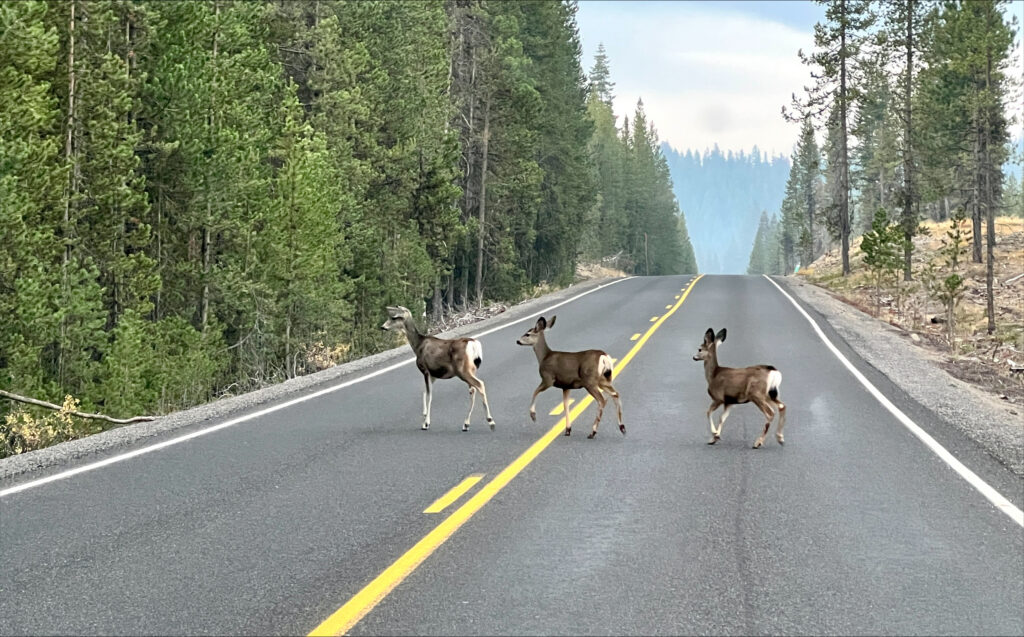
Back to Resources Each year, 1-2 million vehicles hit large wild animals such as deer, elk and bears. Credit: Oregon Department of Transportation Lawmakers have included funding for wildlife crossings in a bipartisan transportation package that the U.S. House of Representatives will vote on in the coming weeks. The House…Back to Resources Each year, 1-2 million vehicles hit large wild animals such as deer, elk and bears. Credit: Oregon Department of Transportation Lawmakers have included funding for wildlife crossings in a bipartisan transportation package that the U.S. House of Representatives will vote on in the coming weeks. The House Transportation and Infrastructure Committee plans to introduce the Building Unrivaled Infrastructure and Long-term Development for America’s 250 th , also known as the BUILD America 250 Act, which, if passed, would invest in roads, bridges and transit infrastructure nationwide while reauthorizing the Wildlife Crossings Pilot Program. The BUILD America 250 Act would provide $80 million annually for the program from fiscal years 2027 through 2031. The bill also looks to increase access to transport grant programs by removing the requirement that Tribes match federal funds. Instead, the federal government would fully fund approved projects. The change would increase Tribal access to the Wildlife Crossings Pilot Program as well as Aquatic Organism Passage and Better Utilizing Investments to Leverage Development, otherwise known as BUILD grants. “You can’t have a big-league economy with little-league infrastructure,” said Rep. Rick Larsen (D-WA). “The BUILD America 250 Act makes key investments in the nation’s transportation—from restoring aging bridges and repairing crumbling roads to building out safe, accessible transit and bike infrastructure.” Read more in the press release from the Committee on Transportation and Infrastructure .
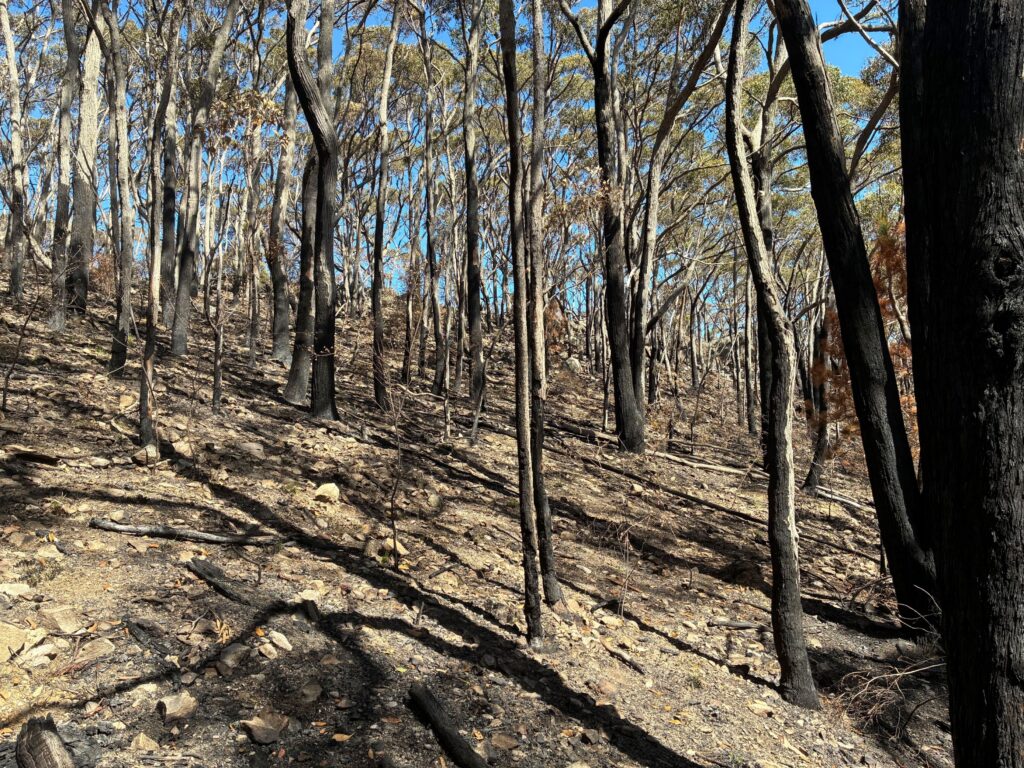
After a prescribed fire, wildlife biologists have less than two weeks to document the number of dead animals, according to a new study published in the Australian Journal of Zoology. “Conducting surveys immediately after fire is essential if we want an accurate picture of how many small animals are being…After a prescribed fire, wildlife biologists have less than two weeks to document the number of dead animals, according to a new study published in the Australian Journal of Zoology. “Conducting surveys immediately after fire is essential if we want an accurate picture of how many small animals are being killed by prescribed burns,” said Shawn Scott, a researcher at Adelaide University in South Australia who led the study. Researchers monitored prescribed burns in the Mount Lofty Ranges near Adelaide, searching for carcasses of lizards that had died in prescribed burns in eucalyptus forests. They found the majority of the carcasses within 28 hours after the fire. By 12 days post-fire, each of the carcasses had disappeared. The authors believe that scavengers are responsible for getting rid of the crispy carcasses, leading scientists that arrive too late to underestimate the number of animals killed in a fire. “Our recommendation to do wildlife surveys immediately after prescribed burns will likely improve our understanding of other animals being killed, including small mammals, frogs and invertebrates,” Scott said. Read more at Adelaide University.
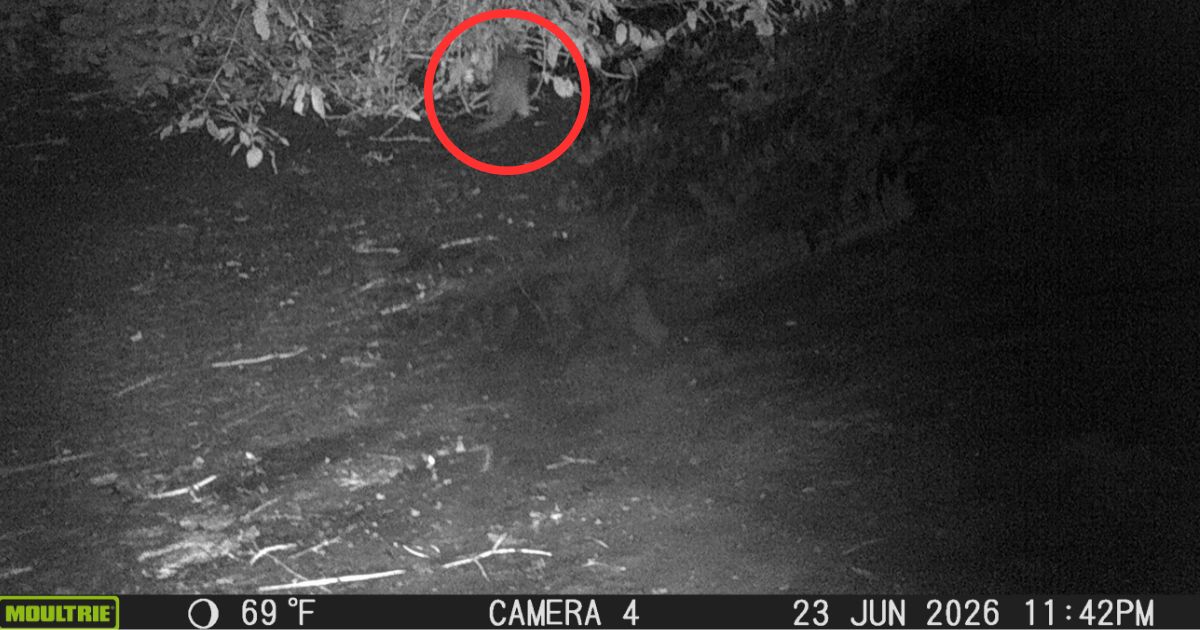
Back to Resources This footage represents the first sighting of a river otter in the Bronx River in more than a century. Credit: Wildlife Conservation Society Education Department/RJ Hawkins In the past century, the pace of river otter population growth has exceeded that of humans in New York City. While…Back to Resources This footage represents the first sighting of a river otter in the Bronx River in more than a century. Credit: Wildlife Conservation Society Education Department/RJ Hawkins In the past century, the pace of river otter population growth has exceeded that of humans in New York City. While human populations have increased by many millions in the state, depending on the source you use, the population of otters ( Lontra canadensis ) in the Bronx River has increased by 100%. In 1926, there were zero, and now there is one—a recent photo has captured the first shot of a river otter in the Bronx’s waterway for more than a century. “When I first reviewed the images, I could hardly believe what I was seeing,” said R. J. Hawkins, a scientist affiliated with the Wildlife Conservation Society’s (WCS) Bronx Zoo, in a press release. “Knowing this may be the first documented river otter in the Bronx in generations was an incredible moment,” he said. “It shows why long-term wildlife monitoring and environmental restoration efforts matter.” The reappearance of these mustelids speaks to the decades of restoration conservationists have invested into the river, the WCS said. Read more at The Guardian .
Conservation outreach professionals are tasked with the challenge of not only clearly explaining conservation programs but also personally connecting with farmers. This combination of technical skills and personal communication skills … Read more The post Know More to Grow More appeared first on The National Wildlife Federation Blog.
Back to Resources Jaguars are found from Mexico to Argentina, but their connectivity is poor in parts of their range. Credit: Marcos Amend/WCS New maps show the ways that jaguars can move across their range in the Americas—as well as corridors that are closing off for the big cats. In…Back to Resources Jaguars are found from Mexico to Argentina, but their connectivity is poor in parts of their range. Credit: Marcos Amend/WCS New maps show the ways that jaguars can move across their range in the Americas—as well as corridors that are closing off for the big cats. In a study published recently in Ecosphere , researchers created a map that spans jaguar ( Panthera onca ) range from Mexico to Argentina. The team connected the dots made from 134,000 GPS locations from 99 different jaguars. These maps revealed many of the corridors that connect important habitat for the big cats. It also reveals places that jaguar populations are becoming more isolated. “Connectivity is fundamental to the long-term survival of jaguars,” said Harshad Karandikar, the lead author of the study and a Wildlife Conservation Society conservationist, in a press release. “Some of the corridors we identified align with previous conservation priorities, while others suggest new opportunities to maintain connectivity before it is lost.” Read more at the Wildlife Conservation Society.
Despite their reputation for having an appetite for roadrunners, coyotes aren’t strictly bird-eaters—they’re not even carnivores. These clever and resourceful canids will take advantage of nearly any food that comes their way. New research out of southern Florida shows that coyotes in Miami-Dade County have a diverse diet, including fruits,…Despite their reputation for having an appetite for roadrunners, coyotes aren’t strictly bird-eaters—they’re not even carnivores. These clever and resourceful canids will take advantage of nearly any food that comes their way. New research out of southern Florida shows that coyotes in Miami-Dade County have a diverse diet, including fruits, birds and iguanas—and that their palates change with the seasons. In a new study published in the Journal of Urban Ecology , researchers at the Montgomery Botanical Center in Coral Gables, Florida, dug through the scat of coyotes that roamed the gardens at night to see what they were eating. Combined with camera traps, their year-long study revealed a surprising pattern. “The coyotes were choosing to eat vegetation when it was available—predominantly fruit and some grasses—and when vegetation was less available, iguanas and some peafowl,” said Mark Kraus, a volunteer at the center and lead author on the study. Paying attention and asking questions When Kraus first volunteered at the Montgomery Botanical Center, he was a little more qualified than most volunteers. He held a doctorate in biological research and was recently retired from his role as the chair of the natural sciences department at Miami-Dade College. Neither coyotes nor green iguanas are native to south Florida. While iguanas were brought on ships, the coyotes dispersed naturally. Credit: Mark Kraus Like any good naturalist, he would observe the natural world around him. After one night of particularly low temperatures, many green iguanas ( Iguana iguana ), which are invasive species in Florida, died. He expected the vultures circling the garden to feast on the fresh carrion. Instead, he observed the scavengers eating avocados. After reviewing the literature, he found records of vultures eating fruit, which the authors noted was likely due to a lack of carrion. But in the gardens, plenty of iguanas were around for the taking. “I came to the conclusion that they eat the most nutritious food, whether it’s fruit or carrion,” Kraus said. He wondered if there were other secrets hidden in the diets of well-studied species. He found his next study on the bottom of his shoe: studying the piles of scat that coyotes ( Canis latrans ) left on the centers’ many paths. Heading south Coyotes haven’t always called the eastern U.S. home. Over the last century, the species has slowly expanded eastward. By the 1960s, they had made their way to Florida. Kraus guesses that coyotes have been in Miami-Dade County, which sits on the eastern side of Florida’s tip, for around 15 to 20 years. Kraus set up a trail camera on the north side of the center near Royal Lake. Credit: Tracy Magellan For Kraus, this was one reason why the study was so exciting. “We knew we had a new population, and they were—at least from their dietary habits—being significantly different from what we expected of them,” he said. Kraus thinks coyotes are dispersing for a few reasons, primarily because their native habitat—grasslands—has become more common across the country. Until recently, the eastern U.S. was covered in forests. “The old-timers would say, ‘You can put a squirrel on the Atlantic coast, and it can walk across the treetops till it gets to the Mississippi River,’” Kraus said. “Farmlands probably substitute for western prairies and let coyotes function the way they had historically,” he said. Like pigeons or rats, coyotes are synanthropes—a species that tends to do well when humans move in. Becoming ‘Scat Man’ For one year, Kraus collected 120 scat samples from the botanical garden grounds. At around 120 acres, the mostly manicured garden has the largest collection of palms and cycads, which are ancient, palm-like plants, in the world. Kraus picked apart the fecal samples to figure out what the coyotes had been eating. “Things like bones, skin, feathers and tough digestion don’t get digested,” he said. “They pass right through.” By the end of the study, he had earned the nickname “Scat Man.” Mark Kraus with a mangrove palm (Nypa fruticans) at Montgomery Botanical Center. Credit: Tracy Magellan Kraus also used camera traps to document feeding patterns and worked with collaborators at the University of Florida and an employee of the botanical center to conduct the analyses. He found that what coyotes ate depended on the season. In the wet season, which runs from April through October, the coyotes consumed more fruits and vegetation, likely because that’s when most of the plants are fruiting. In the dry season, coyotes relied more on animals, including iguanas, peafowl ( Pavo cristatus ) and land crabs. The iguana skin was easy to identify in the scat, as were bird bones, which are hollow. But iguanas still made up the diet of coyotes each month of the year, except March and April. In July and August, he saw adults taking stunned or dead iguanas out of the garden through a hole in the bottom of a fence. This time period coincides with when the coyote pups need help learning how to hunt. Florida used to have red wolves (Canis rufus ) , as well as more robust populations of black bears ( Ursus americanus) and Florida panthers (Puma concolor coryi ). In an ecosystem without these apex predators, coyotes may be helping keep populations of invasive iguanas and peafowl in check. Coyotes were rarely photographed in the garden during the day. Credit: Mark Kraus Coyotes also took advantage of peafowl during this time of the year, which are introduced ground nesting birds. Another study looking at urban coyote diets in west-central Florida found raccoon ( Procyon lotor ) bones in coyote scat during the summer. “It shows that these animals are very elastic in their feeding habits,” Kraus said. Kraus was impressed by the range of fruit the coyotes were eating. He found lots of palm fruits, which he could identify to the genus level, because all of the fruit had been swallowed whole. They commonly fed on mangoes and water chestnuts as well, but no avocados, like the vultures. “The study completely changed my view of what a coyote is and does,” Kraus said. In future studies, he hopes that he can radio collar the coyotes to see where they go during the day when they’re not at the center. “Montgomery was the center of the universe for my study, but it’s not for these coyotes,” he said. Article by Olivia Milloway
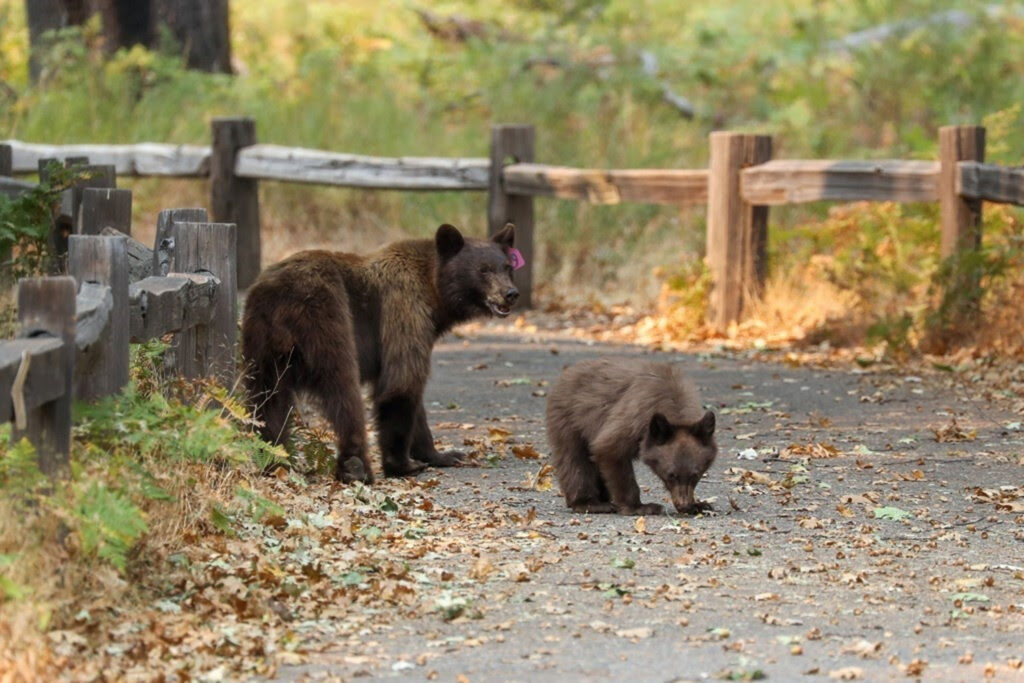
The Journal of Wildlife Management is a benefit of membership in The Wildlife Society. Published eight times annually, it is one of the world’s leading scientific journals covering wildlife science, management and conservation, focusing on aspects of wildlife that can assist management and conservation. Join today for access to The…The Journal of Wildlife Management is a benefit of membership in The Wildlife Society. Published eight times annually, it is one of the world’s leading scientific journals covering wildlife science, management and conservation, focusing on aspects of wildlife that can assist management and conservation. Join today for access to The Journal of Wildlife Management and all the other great benefits of TWS membership. In the featured article for this issue, researchers looked at the relationship between humans, domestic dogs and bears in conflicts across North America from 1901 to 2023. They uncovered that it may be riskier to hike with a dog companion than without one when it comes to bear attacks. Other articles in this issue address the potential of military lands providing an opportunity to recover red wolves, how little penguins select nest boxes and how recreational boats affect beluga whale dispersion and more. Log in to read the August issue today.
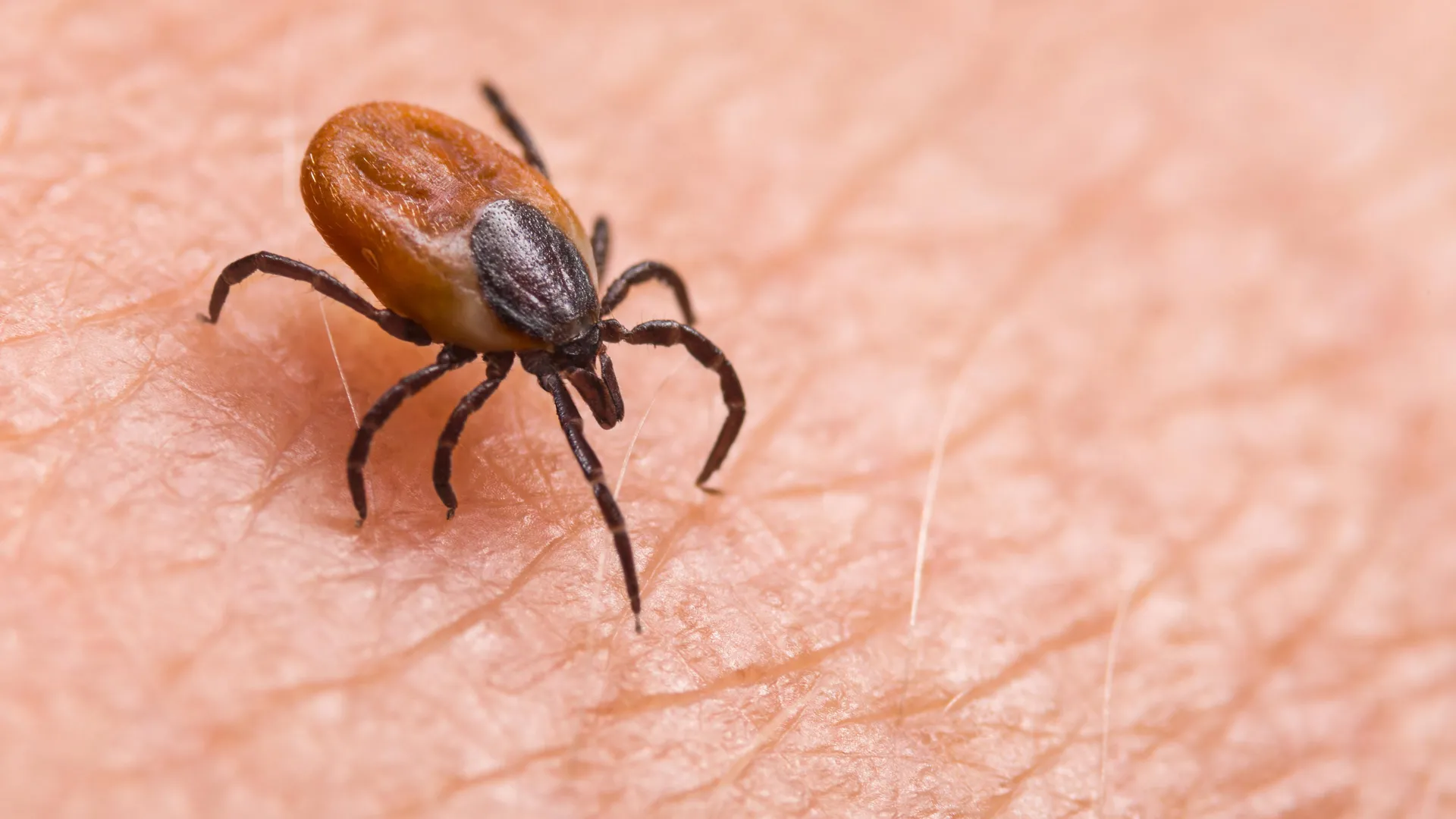
Scientists in China have discovered a previously unknown tick-borne virus that can cause a flu-like illness involving fever, fatigue, gastrointestinal (GI) symptoms, and unusual laboratory results. Researchers led by the State Key Laboratory of Pathogen and Biosecurity in Beijing have named the newly identified orthonairovirus Asian longhorned tick nairovirus (ALTNV).…Scientists in China have discovered a previously unknown tick-borne virus that can cause a flu-like illness involving fever, fatigue, gastrointestinal (GI) symptoms, and unusual laboratory results. Researchers led by the State Key Laboratory of Pathogen and Biosecurity in Beijing have named the newly identified orthonairovirus Asian longhorned tick nairovirus (ALTNV). The discovery, reported in the New England Journal of Medicine , grew out of efforts to understand why about 30% of patients with symptoms suggestive of Dabie bandavirus (DBV) infection test negative for the tick-borne hemorrhagic fever. A Search for the Cause of Unexplained Tick Illness DBV causes severe fever with thrombocytopenia syndrome (SFTS), a potentially deadly disease found across Asia. The infection has a case-fatality rate of 10% to 30%. Thrombocytopenia refers to an abnormally low level of platelets, the blood cells involved in clotting. The World Health Organization has identified DBV as a priority pathogen for research. To investigate unexplained cases, researchers collected samples from people who had been bitten by ticks and were treated at sentinel hospitals in regions of China where tick-borne viruses are known to circulate. Using RNA sequencing and viral isolation, the team detected the previously unknown virus. "The cocirculation of ALTNV and DBV in the same areas, coupled with their shared tick vector, underscores the need for improved differential diagnosis between infections with these viruses in regions where SFTS is endemic." Genetic analyses placed ALTNV within the orthonairovirus genus in the family Nairoviridae. Its proteins shared less than 80% of their amino acids with those of other species in the genus, supporting its identification as a distinct virus. Researchers also exposed laboratory cells to human serum containing ALTNV RNA. The virus grew in the cells and was identified as ALTNV using immunofluorescence to detect viral antigens. Electron microscopy revealed features typical of orthonairoviruses, while additional experiments showed that the virus could replicate in several types of cells. ALTNV Found in More Than 10% of Patients Tested Among 3,163 patients included in the study, 10.4% tested positive for ALTNV based on the presence of viral RNA or immunoglobulin M antibodies, which can indicate a recent infection. The proportion was even higher among people who tested negative for DBV. In that group, 15.1% were positive for ALTNV. Among patients infected only with ALTNV, the most common symptom was fatigue, reported by 84%. Gastrointestinal (GI) problems occurred in 80%, while 38% developed thrombocytopenia. Elevated aminotransferase concentrations were found in 36% (indicating inflammation or injury of the liver or other tissues; 36%). These patients ultimately recovered completely. Coinfections Were Linked to More Severe Complications Researchers also identified 38 patients who were infected with both ALTNV and DBV. Compared with people infected only with DBV, those with both viruses experienced respiratory symptoms more often, affecting 61% compared with 38%. Kidney impairment was also more common in coinfected patients, occurring in 84% compared with 66%. Seven of the 38 coinfected patients died, representing 18.4% of that group. Virus Detected in Ticks Across 15 Provinces The researchers also tested 47,428 ticks collected from 15 provinces. ALTNV RNA was present in 1.3% of them. The highest prevalence was found in Haemaphysalis longicornis , commonly known as the Asian longhorned tick, with 1.8% testing positive. Laboratory experiments provided further evidence that this tick species can spread the virus. Researchers showed that H longicornis was capable of transmitting ALTNV to mice. Because ALTNV and DBV occur in the same regions and can be spread by the same tick vector, the researchers say distinguishing between the two infections could become increasingly important. "The cocirculation of ALTNV and DBV in the same areas, coupled with their shared tick vector, underscores the need for improved differential diagnosis between infections with these viruses in regions where SFTS is endemic," the authors concluded.