Eliminating Squirrels In The Attic Seminole Manor Eliminating Squirrels In The Attic Seminole Manor, FL services from AAAC Wildlife Removal - Palm Beaches help homeowners deal with squirrels that have entered attic spaces and other areas near the roof. Squirrels may gain access through damaged soffits, loose vents, roof gaps,…Eliminating Squirrels In The Attic Seminole Manor Eliminating Squirrels In The Attic Seminole Manor, FL services from AAAC Wildlife Removal - Palm Beaches help homeowners deal with squirrels that have entered attic spaces and other areas near the roof. Squirrels may gain access through damaged soffits, loose vents, roof gaps, fascia openings, and other vulnerable areas while searching for shelter or a secure place to build a nest. Common signs of squirrels in the attic include scratching, scampering, chewing, and rustling noises above the ceiling. Homeowners may also notice damaged insulation, gnawed wood, droppings, nesting materials, chewed wiring, or squirrels repeatedly entering and leaving the same section of the roof. AAAC Wildlife Removal - Palm Beaches provides professional Eliminating Squirrels In The Attic Seminole Manor, FL solutions based on the location and extent of the activity. Services may include attic inspections, squirrel trapping and removal, wildlife exclusion, entry-point sealing, damage repair, cleanup, and prevention strategies designed to help reduce the chances of squirrels returning. Proper squirrel control also involves finding and addressing the openings that allowed the animals to enter the attic. A detailed inspection can help identify damaged vents, weak roof areas, soffit gaps, fascia openings, and other access points that may need to be repaired or sealed after the squirrels are removed. If you hear unusual noises coming from your attic or notice squirrels entering your roofline, contact AAAC Wildlife Removal - Palm Beaches. Our team is ready to help Seminole Manor, FL property owners with squirrel removal, attic exclusion, damage repair, cleanup, and prevention solutions designed to help keep unwanted wildlife out of the home. More on YouTube: https://www.youtube.com/watch?v=Hc2PSDUNezc On Sound Cloud: AAAC Wildlife Removal - Palm Beaches provides professional squirrel removal services in Seminole Manor, Florida. Contact Us: AAAC Wildlife Removal - Palm Beaches 4440 PGA Blvd Suite 600 Palm Beach Gardens , FL , 33410 561-515-0201 Website: https://palm-beaches.aaacwildliferemoval.com/ Email: palmbeaches@aaacwildliferemoval.com Find us around the web: YouTube: https://www.youtube.com/@aaacwildliferemovalofthepa5785 Facebook: Twitter: SoundCloud: https://soundcloud.com/aaac-wildlife-removal Blogger: WordPress: Tumblr:
Squirrel Removal Seminole Manor Squirrel Removal Seminole Manor, FL highlights professional wildlife solutions for homeowners and property owners dealing with unwanted squirrel activity. AAAC Wildlife Removal - Palm Beaches provides squirrel removal services for residential and commercial properties where squirrels may enter attics, rooflines, soffits, vents, crawl spaces, and other…Squirrel Removal Seminole Manor Squirrel Removal Seminole Manor, FL highlights professional wildlife solutions for homeowners and property owners dealing with unwanted squirrel activity. AAAC Wildlife Removal - Palm Beaches provides squirrel removal services for residential and commercial properties where squirrels may enter attics, rooflines, soffits, vents, crawl spaces, and other vulnerable areas. Squirrels can become a major nuisance when they move into a structure to build nests or seek shelter. Property owners may hear scratching, scurrying, or chewing sounds, especially during the early morning or daytime hours. Other signs may include damaged insulation, chewed wiring, nesting debris, droppings, and visible entry points around the roof or exterior of the property. AAAC Wildlife Removal - Palm Beaches uses careful inspections to identify squirrel activity, locate access points, and determine an appropriate removal and exclusion strategy. Squirrel removal services may also include sealing vulnerable openings, addressing wildlife-related damage, and helping reduce conditions that could allow squirrels to return. This SoundCloud playlist focuses on Squirrel Removal Seminole Manor, FL and the professional wildlife services available from AAAC Wildlife Removal - Palm Beaches. Explore these tracks to learn more about squirrel removal, attic inspections, exclusion methods, entry point repairs, and practical ways to help protect homes and businesses from recurring squirrel problems. More on Sound Cloud: https://soundcloud.com/aaac-wildlife-removal/sets/raccoon-removal-seminole-manor On YouTube: https://www.youtube.com/playlist?list=PLFa3uj7fXGmo AAAC Wildlife Removal - Palm Beaches provides professional squirrel removal services in Seminole Manor, Florida. Contact Us: AAAC Wildlife Removal - Palm Beaches 4440 PGA Blvd Suite 600 Palm Beach Gardens , FL , 33410 561-515-0201 Website: https://palm-beaches.aaacwildliferemoval.com/ Email: palmbeaches@aaacwildliferemoval.com Find us around the web: YouTube: https://www.youtube.com/@aaacwildliferemovalofthepa5785 Facebook: Twitter: SoundCloud: https://soundcloud.com/aaac-wildlife-removal Blogger: WordPress: Tumblr:
“Chocolate, avocados, onions, and moldy foods are some of the most poisonous items you can leave out for squirrels. Even small amounts of these everyday ingredients can cause serious health issues—or be fatal—for these sensitive rodents.” Squirrels may look harmless scampering across your fence or chasing each other up a…“Chocolate, avocados, onions, and moldy foods are some of the most poisonous items you can leave out for squirrels. Even small amounts of these everyday ingredients can cause serious health issues—or be fatal—for these sensitive rodents.” Squirrels may look harmless scampering across your fence or chasing each other up a tree, but when they show up in your attic or tear through your garden, that charm disappears fast. In leafy neighborhoods where parks are close by and backyard bird feeders are everywhere, it’s no surprise that squirrels are regular visitors—and sometimes uninvited tenants. While many people enjoy watching them or even tossing out food, what you leave behind can actually be dangerous to squirrels—and a bigger headache for you without proper squirrel control . This article isn’t about harming wildlife. It’s about knowing what food is poisonous to squirrels so you don’t accidentally invite them in or make them sick. If you’ve been leaving out scraps, filling feeders, or composting without thinking twice, there’s a good chance you’re creating a squirrel buffet without even realizing it. Let’s break down what to avoid, what to secure, and how to protect both your home and the squirrels from a bad encounter. What Is The Most Dangerous Foods for Squirrels? Chocolate and Caffeinated Products Chocolate is one of the most toxic substances you can accidentally leave out for squirrels or any rodent. It contains theobromine—a stimulant that these small animals can’t metabolize effectively. Just a small amount from a brownie, chocolate almond bar, or sugar-filled candy can trigger tremors, elevated heart rate, or seizures in squirrels. Since they have such fast metabolisms and tiny bodies, the toxic effects hit hard and fast, often with serious consequences. Caffeinated foods and drinks are equally dangerous. Coffee grounds , soda spills, or chocolate-covered espresso beans tossed into a compost pile can be life-threatening if a squirrel gets into them. Where outdoor parties and backyard BBQs are common, it’s easy for sugary or caffeine-rich snacks to end up where rodents roam. To keep squirrels safe and your property clear of unwelcome visitors, make it a habit to clean up thoroughly and store all sweet or stimulant-laced foods securely. Avocados Avocados contain persin, a fungicidal toxin found in the fruit’s skin, pit, and even its leaves. While persin might not harm humans, it can be toxic to many animals, including squirrels. The risk isn’t just in eating an avocado—squirrels that nibble on a discarded peel, chewed seed, or exposed pit can experience digestive issues or worse. What makes this even more concerning is how easily avocado waste can be overlooked, especially in compost bins. If you’re growing avocado trees or preparing guacamole from scratch, this is something to stay mindful of. As urban farming and composting become more popular, the risk of accidentally exposing squirrels to this toxic fruit increases. Make sure avocado scraps are properly sealed or discarded, and if you have a tree, regularly clear fallen fruit from the yard. It’s better to be safe than to unknowingly poison a local animal. Onions, Garlic, and Spicy Foods While these aromatic kitchen staples may keep your chili full of flavor, they spell serious trouble for squirrels. Onions and garlic contain compounds that can damage red blood cells, leading to anemia and other health complications. The danger extends to cooked dishes, too. If a squirrel gets into leftover food seasoned with garlic or onions, even in small amounts, it can suffer lasting effects. In worst cases, repeated exposure can be fatal over time. Spicy foods also pack a punch that squirrels can’t handle. Hot sauce remnants, chili powder, or discarded tacos can cause severe digestive distress. Where spicy dishes are a staple, food waste often ends up in outdoor bins or compost piles. Make sure spicy scraps are stored in critter-proof containers, and avoid tossing seasoned leftovers near your patio or yard. The goal isn’t just to avoid harming squirrels—it’s to stop inviting them altogether. Alcohol and Fermented Fruit Alcohol might seem like an unlikely threat to wildlife, but squirrels are highly sensitive to it. Whether it’s beer spills from a tailgate, wine left out on the porch, or sugary cocktails left on patio tables, these drinks can lead to disorientation, slowed reaction time, and eventually liver failure in squirrels. Their small bodies can’t handle even trace amounts, and it doesn’t take much to put them in serious danger. Another sneaky culprit? Overripe or fermenting fruit, especially in backyards with peach, fig, or persimmon trees. As the fruit falls and begins to break down, it can release natural alcohols that attract squirrels and get them intoxicated. They may stagger, fall from trees, or become easy prey for predators. Regularly clean up fruit from the ground and keep alcoholic beverages secure during outdoor events. Salty Snacks and Chips Salt is another ingredient that can easily disrupt a squirrel’s internal balance. While humans can handle a salty snack during a football game or backyard hangout, squirrels don’t process salt well. Even a few bites of junk food like chips, pretzels, or salted walnut snacks can dehydrate them and overwork their kidneys. These types of treats also contain added sugar and artificial ingredients that offer zero nutritional value for squirrels—making them both harmful and useless from a dietary perspective. Many of these items—especially sugary breakfast cereals or processed snack mixes—are casually dropped or tossed outside without much thought. But to a hungry squirrel, that forgotten bowl of cereal or spilled trail mix is a full meal. Where outdoor events, food trucks, and weekend cookouts are part of the culture, squirrels quickly learn where the good stuff is. Cleaning up sugary crumbs and sealing snack waste tightly are easy steps that help discourage squirrels from turning your yard into their favorite buffet line. Surprising “Healthy” Foods That Still Poisonous To Squirrels Not all squirrel-dangerous foods are obviously harmful. Some look totally natural or even nutritious—but for squirrels, they can cause more harm than good. These foods often show up in gardens, bird feeders, compost piles, or well-meaning attempts to “feed the wildlife.” Here’s what to watch for. Raw Corn (Especially Moldy Corn) Corn might seem harmless—it’s a common ingredient in bird seed, livestock feed, and even human snacks. But when corn starts to mold, it can develop aflatoxins, which are highly toxic to squirrels and many other animals. Aflatoxins are produced by certain types of fungi and can affect liver function, immune systems, and even lead to cancer in wildlife. A squirrel doesn’t have to eat much moldy corn for it to cause serious internal damage. The risk goes up during warm, humid stretches—especially in summer—when moisture speeds up mold growth. Corn that’s left outside for too long, stored improperly in feeders, or tossed into compost piles can quickly become a hidden hazard. If you’re putting out corn in a feeder, store it in a dry place, change it frequently, and never offer anything that smells off or looks discolored. It’s not just about nutrition—it’s about safety. Bread and Processed Carbs Bread might feel like a safe, throwaway snack for critters—but it’s actually a poor and potentially harmful food choice for squirrels. Bread, crackers, and other refined carbs offer little to no nutrition, and they can expand in a squirrel’s stomach, leading to bloating or discomfort. In some cases, processed bread products contain preservatives and additives that are hard for squirrels to digest, weakening their system over time. Squirrels that eat too much bread often end up malnourished despite feeling full. This is especially common in neighborhoods where residents leave out food “just to be nice.” Unfortunately, the kindness backfires. Instead of helping, you may be attracting squirrels that grow dependent on an unhealthy food source—and more likely to take up permanent residence in your attic. If you want to be squirrel-friendly, stick to natural deterrents and avoid the bread basket. Peanuts (Especially Salted or Moldy) Peanuts are a bit of a wildcard. While they’re often seen in squirrel food blends or used to lure wildlife for photos, they aren’t actually nuts—they’re legumes. And when they’re salted, roasted, or worse, moldy, they become a serious risk. Moldy peanuts, like corn, can carry aflatoxins that attack a squirrel’s liver and immune system. Salted peanuts, on the other hand, can cause dehydration and kidney stress. This matters because many people use peanuts to feed birds or squirrels without realizing the risks. In fact, some birdseed mixes from big-box stores still include them. If you’re trying to keep squirrels away from your yard—or avoid poisoning them by accident—skip the peanuts. And if you must use them, go for raw, unsalted, and fresh, and use a squirrel-proof bird feeder so your effort to help one species doesn’t endanger another. Foods That Attract Squirrels (But Shouldn’t) Some foods might not be poisonous, but they’re basically neon signs saying “Free Snacks Here!” for squirrels. These attractants can lead to more frequent visits, nesting, and eventual infestations. If you’re trying to squirrel-proof your yard or keep them from invading your home, these are the items to manage carefully. Bird Seed and Pet Food Bird feeders are one of the top culprits for squirrel problems. Many blends contain sunflower seeds, millet, corn, and peanuts—aka squirrel candy. Once they find a reliable food source, squirrels will return again and again, sometimes destroying the feeder in the process. The same goes for pet food left outside. Dry kibble and wet food alike are high-protein, calorie-dense meals that squirrels will happily devour. Where backyard birdwatching is popular and outdoor pet bowls are commo
Document Type Report Publication Date 6-1993 Abstract The status of black bears in North America ranges from pest to threatened. The species appears relatively secure throughout most parts of its range except the southeastern coastal plain; in this region a number of disjunct populations exist on primarily publicly owned lands.…Document Type Report Publication Date 6-1993 Abstract The status of black bears in North America ranges from pest to threatened. The species appears relatively secure throughout most parts of its range except the southeastern coastal plain; in this region a number of disjunct populations exist on primarily publicly owned lands. Concern over the status of Ursus americanus luteolus led to a petition to list this subspecies under the Endangered Species Act. The Endangered Species Act is arguably the most important wildlife legislation in recent years. However, applying this valuable, but young, untested, and evolving legislation to the black bear subspecies is judged unwarranted and premature because of the following reasons: (1) extensive restocking efforts with Ursus americanus americanus from outside the region and empirical evidence of breeding with native animals, (2) bears of different subspecies using dispersal corridors and likely past and future artificial shuffling of bears, (3) genetic evidence of a homogeneous population throughout the region, (4) likely influence of nutrient-rich habitats and phenotypic responses by the bears, (5) historically applying artificial subspecific criteria, (6) historically underestimating initial population estimates and documenting these underestimates through intensive site-specific studies, (7) large amounts of existing bottomland hardwood forests in Louisiana and their concomitant relative stability into the future because of public ownership and regulation, (8) recent history of applying the Endangered Species Act to some charismatic megafauna and resulting problems of consistency, equitability, flexibility, expediency, and perceptions as well as breadth of interpreting the present Endangered Species Act, and (9) many remaining important, unanswered questions. Certainly, the more than 30 "populations" in the Southeast need our attention, particularly the smaller, more disjunct ones. The Endangered Species Act is a valuable tool but the wrong one to apply in this instance without substantially more documentation, research, and modification. Help for bears in the region may better be provided through existing state, federal, and private cooperation by a regional organization such as the Southeastern Association of Fish and Wildlife Agencies. Recommended Citation United States Department of the Interior, National Park Service, "Proceedings of the Fourth Western Black Bear Workshop" (1993). Wildlife Conservation and Management. Paper 9. https://digitalcommons.usu.edu/govdocs_wildlife/9 DOWNLOADS Since August 29, 2011 COinS
Removal Of Squirrels In Attic Seminole Manor Removal Of Squirrels In Attic Seminole Manor, FL services from AAAC Wildlife Removal - Palm Beaches help homeowners deal with squirrels that have entered attic spaces and other parts of the home. Squirrels often look for warm, sheltered areas for nesting, and damaged…Removal Of Squirrels In Attic Seminole Manor Removal Of Squirrels In Attic Seminole Manor, FL services from AAAC Wildlife Removal - Palm Beaches help homeowners deal with squirrels that have entered attic spaces and other parts of the home. Squirrels often look for warm, sheltered areas for nesting, and damaged soffits, roof gaps, vents, and fascia openings can give them easy access to an attic. Common signs of squirrels in the attic include scratching, scampering, chewing, and rustling noises coming from above the ceiling. Homeowners may also notice damaged insulation, gnawed wood, droppings, nesting materials, chewed wiring, or squirrels repeatedly entering and leaving the same area of the roof. AAAC Wildlife Removal - Palm Beaches provides professional Removal Of Squirrels In Attic Seminole Manor, FL solutions based on the location and severity of the wildlife activity. Services may include attic inspections, squirrel trapping and removal, wildlife exclusion, entry-point sealing, damage repair, cleanup, and prevention measures designed to reduce the risk of squirrels returning. Successful squirrel removal also requires identifying how the animals entered the attic. A detailed inspection can uncover loose vents, damaged roof materials, soffit gaps, fascia openings, and other vulnerable areas that may need to be repaired or sealed after the squirrels are removed. If you hear unusual noises in your attic or notice squirrels entering your roofline, contact AAAC Wildlife Removal - Palm Beaches. Our team is ready to help Seminole Manor, FL property owners with squirrel removal, attic exclusion, damage repair, and prevention solutions designed to help keep unwanted wildlife out of the home. More on YouTube: https://www.youtube.com/watch?v=NkjvXOm7kTk On Sound Cloud: AAAC Wildlife Removal - Palm Beaches provides professional squirrel removal services in Seminole Manor, Florida. Contact Us: AAAC Wildlife Removal - Palm Beaches 4440 PGA Blvd Suite 600 Palm Beach Gardens , FL , 33410 561-515-0201 Website: https://palm-beaches.aaacwildliferemoval.com/ Email: palmbeaches@aaacwildliferemoval.com Find us around the web: YouTube: https://www.youtube.com/@aaacwildliferemovalofthepa5785 Facebook: Twitter: SoundCloud: https://soundcloud.com/aaac-wildlife-removal Blogger: WordPress: Tumblr:
Author affiliation: Worldwide Influenza Centre, The Francis Crick Institute, London, UK (A.M.P. Byrne, N.S. Lewis); Food and Agriculture Organization of the United Nations, Rome, Italy (L. Carnegie); World Health Organization Collaborating Centre for Reference and Research on Influenza, Peter Doherty Institute for Infection and Immunity, University of Melbourne, Melbourne, Victoria,…Author affiliation: Worldwide Influenza Centre, The Francis Crick Institute, London, UK (A.M.P. Byrne, N.S. Lewis); Food and Agriculture Organization of the United Nations, Rome, Italy (L. Carnegie); World Health Organization Collaborating Centre for Reference and Research on Influenza, Peter Doherty Institute for Infection and Immunity, University of Melbourne, Melbourne, Victoria, Australia (I.G. Barr, M. Wille); Institut Pasteur du Cambodge, Phnom Penh, Cambodia (E.A. Karlsson); Environment and Infectious Risks Unit, Laboratory for Urgent Response to Biological Threats, Institut Pasteur, Paris, France (E.A. Karlsson) Avian influenza viruses (AIVs) remain among the most identifiable but unpredictable threats to both public health and food security ( 1 – 4 ). Since their emergence in 1996, highly pathogenic avian influenza (HPAI) H5Nx viruses of the A/goose/Guangdong/1/1996 lineage have spread globally, heavily devastating poultry production and repeatedly spilling over into mammals, including humans, often with fatal outcomes. As of August 30, 2025, the World Health Organization (WHO) has reported 990 laboratory-confirmed H5N1 human cases across > 25 countries, including 475 deaths ( 5 ). Since the onset of the HPAI H5Nx panzootic in 2021, the global focus has been on clade 2.3.4.4b, given its dramatic global spread. The focus on clade 2.3.4.4b is warranted given the spillover to and circulation in dairy cattle and the increase in human cases associated with those outbreaks, because those issues raise substantial concerns that the viruses might emerge as a future human pandemic. However, the focus on clade 2.3.4.4b risks obscuring major evolutionary and zoonotic changes within more ancestral but persistent H5N1 clade 2.3.2.1 lineages, which remain enzootic in parts of Asia and receive limited global attention. HPAI H5N1 clade 2.3.2.1 emerged in 2007 and subsequently spread across Asia and into Europe ( 6 , 7 ). Continued circulation in Asia led to further classification into subclades 2.3.2.1a, 2.3.2.1b, and 2.3.2.1c in 2014. Because the viruses have continued to evolve, 2.3.2.1c has been further reclassified into subclades 2.3.2.1d–g ( 6 , 8 ). That diversification reflects regional geography and poultry production systems, such that at present those viruses predominately circulate in live bird markets; clade 2.3.2.1a has predominately been detected in poultry in Bangladesh and India, and 2.3.2.1e circulates in Cambodia, Laos, and Vietnam ( 1 , 9 – 11 ; A.A. Raut et al., unpub. data, https://www.biorxiv.org/content/10.1101/2025.02.23.638954v1 ). Beyond 2.3.2.1a and 2.3.2.1e, the only other subclade that continues to be detected (2.3.2.1g) is restricted to poultry in Indonesia ( 12 ; T.T. Lam et al., unpub. data, https://www.biorxiv.org/content/10.1101/2025.11.23.690055v1 ). The remaining 2.3.2.1 subclades were previously found to have circulated predominantly in poultry in Asia; China (2.3.2.1b, 2.3.2.1d, and 2.3.2.1f), Hong Kong (2.3.2.1b and 2.3.2.1c), India (2.3.2.1f), Mongolia (2.3.2.1c), Nepal (2.3.2.1c), Japan (2.3.2.1c), Vietnam (2.3.2.1b), the Middle East (2.3.2.1f), Africa (2.3.2.1f), and Europe (2.3.2.1c), but very few cases have been detected since 2020 (T.T. Lam et al., unpub. data). Figure 1 Figure 1 . Emergence and human case trends of highly pathogenic avian influenza (HPAI) H5N1 clade 2.3.2.1 viruses in study of reassortment of HPAI as a driver for zoonotic spillover, Asia. A, B)... Before 2015, HPAI H5N1 virus clade 2.3.2.1 caused 1 human infection across Cambodia, India, and Bangladesh; in subsequent years, the clade became enzootic and ecologically stable in poultry within those countries but was associated with relatively few reported human infections ( Figure 1 ). Since 2023, a measurable rise in human infections caused by clade 2.3.2.1 virus has been observed. During February 2023–November 19, 2025, Cambodia reported 34 HPAI H5N1 cases after nearly a decade without confirmed infections, based on notifications to WHO and sequence data from GISAID ( 13 ) and GenBank ( 14 ). In parallel, 6 HPAI H5N1 human cases were reported in India and Bangladesh in 2025 alone ( 15 ). Figure 2 Figure 2 . Simplified schematic of the segment constellations of identified human reassortant viruses in study of reassortment of highly pathogenic avian influenza as a driver for zoonotic spillover, Asia. Figure demonstrates the... Alarmingly, all HPAI H5N1 human infections since October 2023 were caused by reassortants from viral backgrounds with distinct ecologic and evolutionary characteristics: long-circulating enzootic clade 2.3.2.1 lineages, HPAI H5N1 clade 2.3.4.4b, and low pathogenicity avian influenza (LPAI). Specifically, in Cambodia, all recent human infections have involved reassortant viruses containing hemagglutinin (HA), neuraminidase (NA), and nucleoprotein (NP) gene segments from clade 2.3.2.1e viruses and internal gene segments likely derived from clade 2.3.4.4b (polymerase basic [PB] 2, matrix protein [MP], nonstructural [NS]) and LPAI (PB1 and polymerase acidic [PA]) viruses ( Figure 2 ) ( 11 ). This genotype is now dominant in poultry in Cambodia ( 11 ). In parallel, reassortant clade 2.3.2.1a viruses have caused 2 human cases in India ( 15 ) and 4 cases in Bangladesh in 2025 ( 5 , 15 , 16 ) and was detected in a person traveling from India to Australia in 2024 ( 9 ). Those viruses retained the clade 2.3.2.1a HA, NA, NP, and NS gene segments but had internal gene segments likely derived from a combination of clade 2.3.4.4b (PB2 and MP) or LPAI (PB1 and PA) viruses ( Figure 2 ). Reassortment is well recognized as the mechanism underlying all human influenza pandemic viruses in the 20th Century ( 4 , 17 – 19 ). In the context of HPAI H5N1 clade 2.3.2.1, both 2.3.2.1a and 2.3.2.1e clades have undergone reassortment in the past, but available data suggest that, in the decade before the recent reassortants emerged, they were characterized by relatively stable gene constellations ( 20 , 21 ). In contrast, clade 2.3.4.4b viruses have been marked by frequent reassortment ( 22 , 23 ; J. Baxter et al., unpub. data, https://www.biorxiv.org/content/10.1101/2025.07.19.665680v2 ). The emergence of reassortants between clades 2.3.4.4b and 2.3.2.1 viruses might therefore reshape the epidemiology of clade 2.3.2.1 viruses, challenging long-held assumptions about their behavior in poultry systems and their associated zoonotic risk ( 11 ; W.T. Harvey, unpub. data, https://www.biorxiv.org/content/10.1101/2025.08.20.670882v1 ). We hypothesize that the potential epidemiologic changes in HPAI H5N1 clade 2.3.2.1a/e viruses, coinciding with phenotypic changes from the reassortment, might have increased opportunities for zoonotic spillover in Asia. Specifically, we propose that those reassortants emerged and circulated in poultry before they were detected in humans and that they might have gained a fitness or transmission advantage in poultry that increased human exposure. Testing for those potential changes is currently constrained by a key knowledge gap: the gene constellations of viruses circulating in poultry in Asia before the human detections have not been systematically characterized. That gap means neither the origin nor the prevalence of the reassortants can be comprehensively established. Resolving the gap in the short term will require retrospective testing of archived poultry samples collected before the recognized human cases (where available) and, in the longer term, improved surveillance systems. Detecting the reassortant constellations in such samples would support previous circulation in poultry; its absence would instead point to a fitness advantage for mammalian adaptation rather than poultry transmission. To our knowledge, no such systematic retrospective screening has yet been reported, and it should be prioritized to clarify the directionality of spillover. Key research in epidemiology and phenotypic characterization is needed to test our hypotheses. So far, we have not observed a rise in poultry prevalence before human infections caused by the reassortants; however, in the HPAI H5N1 enzootic poultry systems where outbreaks are often underreported, confirming whether the true prevalence has increased is challenging. To understand that question, more timely and sensitive surveillance and phylogenetic and epidemiologic analyses are needed. We also do not know whether reassortment itself caused a phenotypic advantage in causing zoonotic infections. Further phenotypic characterization is needed to elucidate the potential mechanisms through which these reassortants gained the ability to cause zoonotic infections. Although a direct causal link between those specific reassortment events and the increase in recent human infections in Asia has not yet been demonstrated, current research in Cambodia and available sequence data from other countries, such as Bangladesh, demonstrate a clear association ( 9 , 11 ). It is of particular concern that those reassortants combine gene segments from viral backgrounds with distinct ecologic and evolutionary characteristics. Therefore, we argue that, in general, reassortment is a key evolutionary mechanism shaping zoonotic risk for HPAI H5N1. Accordingly, we highlight the gap in current surveillance systems and propose an improved system to detect and interpret avian influenza virus strains of zoonotic risk. Current surveillance systems have key limitations in detecting and interpreting reassortment events. The issue is not only whether a reassortant virus is detected but whether its significance is recognized early enough to enable appropriate mitigation strategies to be implemented. In many endemic poultry settings, surveillance still relies heavily on clade-level reporting and targeted monitoring of known mammalian-adaptive mutations or antigenic markers ( 24 – 27 ), rather than routine whole-genome sequencing (WGS) and integrated genotype-level analysis. That fa
Squirrel Removal From Attic Seminole Manor Squirrel Removal From Attic Seminole Manor, FL services from AAAC Wildlife Removal - Palm Beaches help homeowners address squirrels that have made their way into attic spaces. Squirrels often enter through roof gaps, damaged soffits, vents, fascia boards, and other vulnerable openings while searching…Squirrel Removal From Attic Seminole Manor Squirrel Removal From Attic Seminole Manor, FL services from AAAC Wildlife Removal - Palm Beaches help homeowners address squirrels that have made their way into attic spaces. Squirrels often enter through roof gaps, damaged soffits, vents, fascia boards, and other vulnerable openings while searching for a secure place to nest or shelter. Signs of squirrels in the attic may include scratching, scampering, chewing, or rustling noises above the ceiling, especially during the early morning or daytime hours. Homeowners may also notice disturbed insulation, nesting materials, gnawed wood, damaged wiring, droppings, or squirrels repeatedly entering and leaving the same section of the roof. AAAC Wildlife Removal - Palm Beaches provides professional Squirrel Removal From Attic Seminole Manor, FL solutions based on the location and extent of the activity. Services may include attic inspections, squirrel trapping and removal, wildlife exclusion, entry-point sealing, damage repair, cleanup, and prevention strategies designed to help reduce the chances of squirrels returning. Removing squirrels from an attic also means identifying how they gained access in the first place. A thorough inspection can reveal damaged roof components, loose vents, soffit gaps, or other openings that need to be secured. Addressing these vulnerable areas can help create a longer-lasting solution and protect the attic from future wildlife intrusions. If you hear unusual noises coming from your attic or notice squirrels entering your roofline, contact AAAC Wildlife Removal - Palm Beaches. Our team is ready to help Seminole Manor, FL property owners with professional squirrel removal, attic exclusion, cleanup, and prevention services designed to keep unwanted wildlife outside. More on YouTube: https://www.youtube.com/watch?v=89uTNjjbjxo On Sound Cloud: AAAC Wildlife Removal - Palm Beaches provides professional squirrel removal services in Seminole Manor, Florida. Contact Us: AAAC Wildlife Removal - Palm Beaches 4440 PGA Blvd Suite 600 Palm Beach Gardens , FL , 33410 561-515-0201 Website: https://palm-beaches.aaacwildliferemoval.com/ Email: palmbeaches@aaacwildliferemoval.com Find us around the web: YouTube: https://www.youtube.com/@aaacwildliferemovalofthepa5785 Facebook: Twitter: SoundCloud: https://soundcloud.com/aaac-wildlife-removal Blogger: WordPress: Tumblr:
Check for these tell-tale signs to stay safe! Hey there, adventurer! Ever been out on a hike, soaking in the beauty of nature, when you suddenly spot something slithering across your path? Your heart skips a beat, and you wonder, “Is that snake dangerous?” We’ve all been there. It’s a…Check for these tell-tale signs to stay safe! Hey there, adventurer! Ever been out on a hike, soaking in the beauty of nature, when you suddenly spot something slithering across your path? Your heart skips a beat, and you wonder, “Is that snake dangerous?” We’ve all been there. It’s a mix of excitement and a bit of panic. But fear not! I’m here to help you unravel the mystery of how to tell if a snake is venomous. In this guide, we’re diving deep into the world of snakes, busting myths, and giving you the lowdown on spotting the dangerous ones. Spoiler alert: It’s not just about the color! Whether you’re a seasoned hiker, a curious learner, or someone who just loves nature, by the end of this article, you’ll have the know-how to confidently identify whether a snake is a friend or foe. Stick with me, and I promise you’ll not only become the go-to snake expert among your friends but also feel a whole lot safer on your next outdoor adventure. Ready to become a snake-savvy superstar? Let’s slither right in! Key Takeaways Learn the main physical traits of venomous snakes. Understand behavioral signs that indicate danger. Discover safety tips for when you encounter a snake. Identifying Physical Traits Alright, let’s get down to business. How exactly can you tell if a snake is venomous? Here are the main physical traits to look out for: Head Shape One of the easiest ways to identify a venomous snake is by its head shape. Most venomous snakes have a distinct triangular or diamond-shaped head. This is due to the venom glands located on either side of their heads. So, if you see a snake with a broad, angular head, it’s time to stay cautious. Pupil Shape Ever heard that the eyes are the windows to the soul? Well, in the case of snakes, they can also be windows to danger. Venomous snakes often have elliptical, slit-like pupils, much like a cat’s eyes. In contrast, non-venomous snakes typically have round pupils. Next time you’re face-to-face with a snake, check out its peepers! Body Patterns This one’s a bit trickier because it’s not a hard-and-fast rule, but many venomous snakes have distinct, bright patterns on their bodies. However, don’t rely solely on this. Some harmless snakes can be just as colorful, while some venomous ones are more subdued in color. Presence of Fangs venomous snakes have prominent fangs that they use to inject venom into their prey. If you can safely observe, look for those tell-tale fangs. But remember, getting too close is never a good idea unless you’re a trained professional. Behavioral Signs Alright, now that we’ve covered the physical traits, let’s talk about behavior. Snakes have their own way of communicating danger, and if you know what to look for, their behavior can be a dead giveaway. Aggressiveness Venomous snakes are often more aggressive when they feel threatened. If a snake is coiling up, hissing, or making sudden movements towards you, it’s likely not a happy camper. This defensive behavior is a clear sign that the snake could be dangerous. Always give it plenty of space to avoid any unpleasant encounters. Warning Signals Some venomous snakes have built-in alarm systems. Take the rattlesnake, for instance. That iconic rattle isn’t just for show—it’s a warning to back off. Similarly, some snakes might flatten their bodies, puff up, or make loud hissing sounds. These warning signals are their way of saying, “Hey, stay away, I mean business!” Movement Watch the way the snake moves. Some venomous snakes, like the cottonmouth, have a unique way of swimming on the water’s surface with their bodies fully exposed. This distinctive movement can be a clue to their venomous nature. On land, a snake’s movement can also tell you a lot. If it seems overly confident and undeterred by your presence, it might be because it knows it has venomous backup. Safety Tips When Encountering Snakes Now that you’re well-versed in the physical and behavioral signs of venomous snakes, let’s talk about what to do if you actually encounter one. Here are some practical tips to keep you safe: Keep Your Distance This is the golden rule. The best way to stay safe is to maintain a respectful distance from any snake. Most snake bites occur when people try to handle or get too close to the snake. Stay Calm If you see a snake, don’t panic. Sudden movements can provoke a snake to strike. Take a deep breath, stay calm, and slowly back away from the snake. Educate Yourself Knowledge is power! Familiarize yourself with the types of snakes that are common in your area. Knowing what to expect can help you stay prepared and confident. Emergency Preparedness Know what to do in case of a snake bite. Quick and calm actions can make a huge difference. Keep a first aid kit handy and learn the basic steps of snake bite treatment. Remember, seeking professional medical help as soon as possible is crucial. Myth-Busting: Common Misconceptions Alright, let’s debunk some myths! There’s a lot of misinformation out there about snakes, and it’s time to set the record straight. Color Confusion Not all brightly colored snakes are venomous, and not all dull-colored snakes are safe. While some venomous snakes do have bright warning colors, many harmless snakes mimic these patterns to ward off predators. Don’t rely solely on color to make your judgment. Size Matters Think big snakes are more dangerous? Think again! Venomous snakes come in all sizes. Some of the most dangerous snakes can be quite small, so never judge a snake’s danger level by its size alone. Snake Charms Forget about those old wives’ tales and folklore. Stick to facts and evidence-based knowledge. For example, the idea that all venomous snakes have triangular heads is generally true but not foolproof. Always use a combination of traits to make your identification. Conclusion Next time you’re out exploring, you’ll be armed with the knowledge to stay safe and maybe even impress your friends with your snake smarts. Remember, when it comes to snakes, respect and caution are your best friends. Happy adventuring, and may your paths be snake-free—or at least, snake-savvy!
Squirrel Abatement Attic Seminole Manor Squirrel Abatement Attic Seminole Manor, FL services from AAAC Wildlife Removal - Palm Beaches help homeowners address squirrel activity inside attics, roof spaces, and other vulnerable areas of the home. Squirrels may enter through damaged soffits, loose vents, roof gaps, fascia openings, and other small…Squirrel Abatement Attic Seminole Manor Squirrel Abatement Attic Seminole Manor, FL services from AAAC Wildlife Removal - Palm Beaches help homeowners address squirrel activity inside attics, roof spaces, and other vulnerable areas of the home. Squirrels may enter through damaged soffits, loose vents, roof gaps, fascia openings, and other small access points while searching for shelter or a secure place to build a nest. Signs of squirrels in the attic may include scratching, scampering, chewing, or rustling noises above the ceiling, along with damaged insulation, gnawed wood, droppings, nesting materials, and chewed wiring. Homeowners may also notice squirrels repeatedly entering and leaving the same section of the roof, which can indicate an active entry point that needs professional attention. AAAC Wildlife Removal - Palm Beaches provides professional Squirrel Abatement Attic Seminole Manor, FL solutions based on the location and extent of the squirrel activity. Services may include attic inspections, squirrel trapping and removal, wildlife exclusion, entry-point sealing, damage repair, cleanup, and prevention measures designed to help reduce the risk of squirrels returning. Effective squirrel abatement also focuses on correcting the conditions that allowed squirrels to enter the attic. A detailed inspection can help identify damaged vents, weak roof areas, soffit gaps, fascia openings, and other vulnerable locations that may need repairs or exclusion work after the animals are removed. If you hear unusual noises coming from your attic or notice squirrels entering your roofline, contact AAAC Wildlife Removal - Palm Beaches. Our team is ready to help Seminole Manor, FL property owners with squirrel abatement, attic removal, exclusion, damage repair, and prevention services designed to help keep unwanted wildlife outside. More on YouTube: https://www.youtube.com/watch?v=P739D2gqhao On Sound Cloud: AAAC Wildlife Removal - Palm Beaches provides professional squirrel removal services in Seminole Manor, Florida. Contact Us: AAAC Wildlife Removal - Palm Beaches 4440 PGA Blvd Suite 600 Palm Beach Gardens , FL , 33410 561-515-0201 Website: https://palm-beaches.aaacwildliferemoval.com/ Email: palmbeaches@aaacwildliferemoval.com Find us around the web: YouTube: https://www.youtube.com/@aaacwildliferemovalofthepa5785 Facebook: Twitter: SoundCloud: https://soundcloud.com/aaac-wildlife-removal Blogger: WordPress: Tumblr:
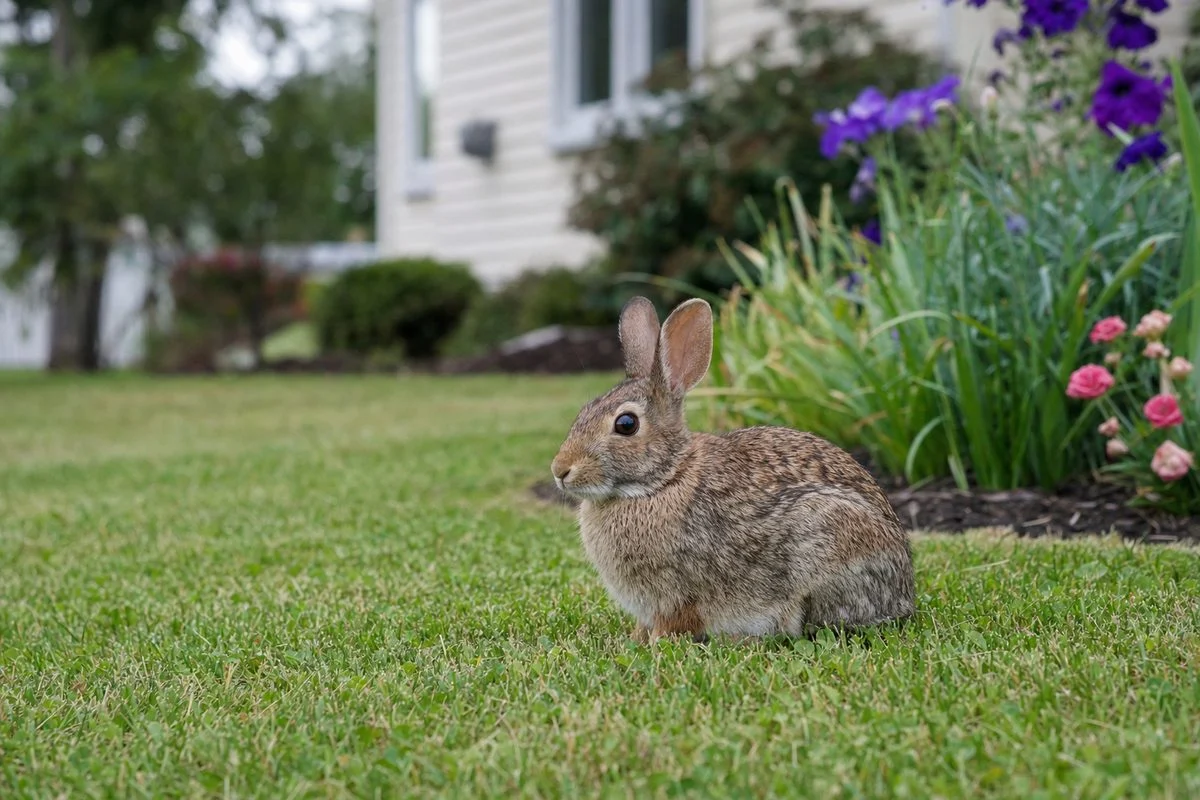
A rabbit staying in your yard usually means it’s found food, shelter, and safety. It may also be nesting nearby or using the area to feed regularly. Rabbits might seem like quiet, harmless guests, but when one keeps hanging around your yard, it’s worth paying attention. What starts as a…A rabbit staying in your yard usually means it’s found food, shelter, and safety. It may also be nesting nearby or using the area to feed regularly. Rabbits might seem like quiet, harmless guests, but when one keeps hanging around your yard, it’s worth paying attention. What starts as a cute sighting can quickly turn into garden damage, hidden nests, or even a rabbit family settling in for the long haul. In this guide, we’ll break down why rabbits choose certain yards, what their behavior means, and how to tell when it’s time to step in, or call a wildlife expert for help. Learn more: What kills rabbits in your yard? What does it mean when a rabbit stays in your yard? If a rabbit keeps returning or settles in your yard, it’s likely found a perfect mix of food, shelter, and safety. Yards with garden beds, tall grass, bushes, or open compost piles are basically rabbit paradise; easy to hide in, easy to eat from, and mostly undisturbed. In some cases, the rabbit may have a nest nearby or be preparing to raise young, especially during spring and summer. Their presence often signals that your property is part of their regular routine or territory, which means they could be sticking around longer than you’d expect. Why do rabbits choose certain yards over others? Rabbits are picky about where they settle, and they’re naturally drawn to yards that feel quiet, lush, and protected. If your yard has tall grass, dense shrubs, woodpiles, or low-traffic areas, it becomes a cozy shelter from predators and harsh weather. They’re also big fans of easily accessible food like vegetable gardens, flowerbeds, birdseed, and even fallen fruit. Add in a water source like a birdbath or dripping hose, and your yard becomes a full-service bunny buffet that’s hard for them to resist. Should you be concerned about a rabbit staying in your yard? At first glance, a rabbit might not seem like a problem; but over time, they can cause real damage. Rabbits love to chew on tender plants, dig around garden beds, and nibble bark off young trees, which can ruin your landscaping and even kill certain plants. There’s also the potential for bigger issues, like attracting predators such as foxes, hawks, or coyotes that follow prey animals into residential areas. Plus, if one rabbit feels comfortable enough to stick around, it may be a sign that more are on the way, especially during breeding season. How can you tell if there’s a rabbit nest nearby? Rabbit nests are often hidden in plain sight and can be easy to miss if you don’t know what to look for. They typically appear as shallow depressions in the ground, lightly covered with grass, leaves, and tufts of fur pulled from the mother rabbit’s belly to insulate her young. You might also notice increased rabbit activity in a specific area, such as repeated visits to the same patch of lawn or garden bed. If you see disturbed mulch, narrow trails in tall grass, or sudden movement from a hiding rabbit, there’s a good chance a nest is nearby. What should you do if a rabbit won’t leave? If a rabbit keeps returning to your yard, the first step is to remove anything that’s making it feel at home. Keep your lawn trimmed, secure your garden with fencing, clean up fallen fruit or birdseed, and remove brush piles or low-lying shrubs where they might hide. Avoid handling or disturbing a rabbit nest directly, especially if babies are present. Instead, use gentle deterrents like motion-activated sprinklers, reflective garden tape, or predator scent granules to make your yard less appealing without harming the animal. When should you call a wildlife removal expert? You should contact a wildlife expert if a rabbit has nested too close to your home, refuses to leave despite deterrents, or is causing noticeable damage. Nests near walkways, patios, or dog runs can create stress for the animal and risk for pets or small children. Professionals can assess the situation, safely relocate the rabbit if necessary, and help you secure your yard to prevent future visits. They’ll also make sure all actions follow local wildlife laws, which often protect rabbits and restrict how they can be handled. How AAAC Wildlife Removal helps with rabbit problems At AAAC Wildlife Removal , we specialize in humane, effective solutions for managing unwanted wildlife, including rabbits that have overstayed their welcome. Our team begins with a full property inspection to identify hiding spots, feeding areas, and signs of nesting, then creates a custom plan tailored to your yard. We use safe relocation practices, secure any entry points or shelter zones, and offer expert advice on long-term prevention. Whether it’s a single rabbit or an entire family, we’ll help restore balance to your outdoor space without harming the animals or your landscape. Stop the Spread Before It Starts Seeing a rabbit lounging in your yard might seem harmless at first, but it’s often a sign that your property has become a hotspot for nesting, feeding, or long-term shelter. Left unchecked, one quiet visitor can lead to plant damage, predator attraction, or even a full-blown rabbit colony. Understanding what draws rabbits in, and how to respond, makes all the difference. With the right mix of prevention and professional help from AAAC Wildlife Removal, you can keep your yard safe, clean, and bunny-free without harming local wildlife. Ready to Reclaim Your Yard from Unwanted Rabbits? If a rabbit has made your yard its new hangout; or worse, its nesting ground, it’s time to call in the pros at AAAC Wildlife Removal. We’ll safely assess the situation, remove the problem, and help you rabbit-proof your property for good. Don’t wait for one bunny to turn into many. Contact AAAC Wildlife Removal today for fast, humane, and effective rabbit control you can trust.
Back to Resources This new version of TWS’ Lead (Pb) and Wildlife Fact Sheet reflects updated research and additional information on this topic, and features a new design with TWS’ new logo for 2026.
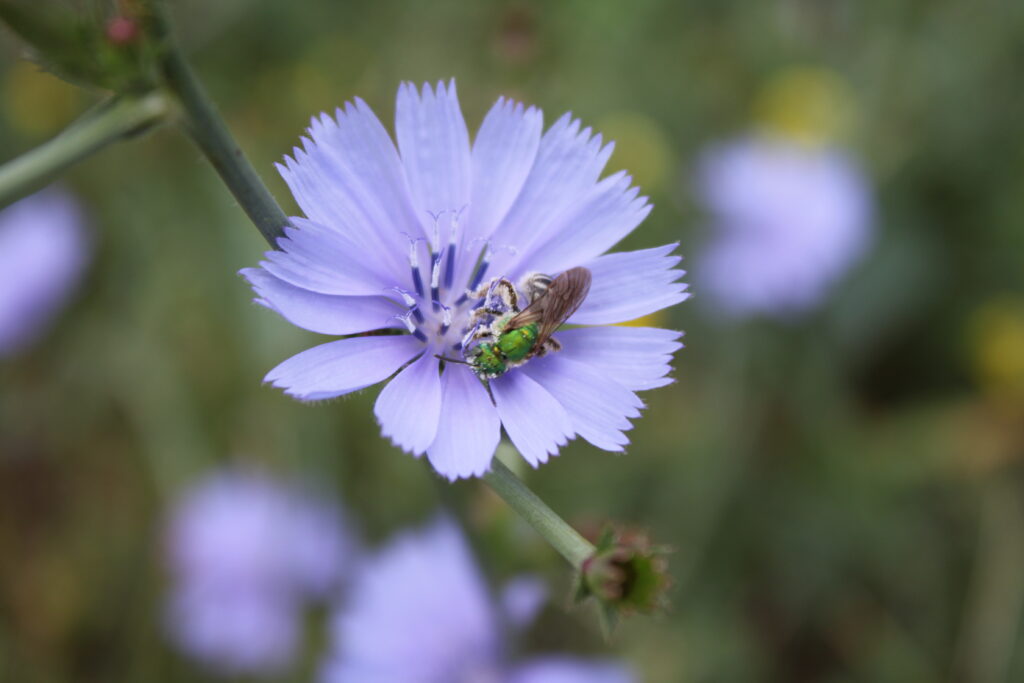
Among littered debris in Cleveland’s vacant lots, small purple and yellow flowers reach toward the sky. In the afternoon sunshine, a researcher hovers a device that, to the casual observer, might look like a shop vacuum over a glittering metallic blue-and-black insect. With a soft whirl, the device, a bee…Among littered debris in Cleveland’s vacant lots, small purple and yellow flowers reach toward the sky. In the afternoon sunshine, a researcher hovers a device that, to the casual observer, might look like a shop vacuum over a glittering metallic blue-and-black insect. With a soft whirl, the device, a bee vacuum, sucks a wild bee safely inside its chamber. Wildlife scientists are paying close attention to these vacant lots, a remnant of the rise and fall of Cleveland’s industrial sector. As industry left, factories closed and residents moved away to seek economic opportunities elsewhere. Once vibrant, populated neighborhoods became abandoned homes that were eventually demolished, transforming once densely built city blocks of Cleveland into a patchwork of vacant lots. These lots have proven to hold important bee habitats in urban areas, supporting over 37% of Ohio’s bee fauna. “Cleveland, Ohio, has lost over 50% of its human residents and since has experienced a variety of challenges,” said Michelle Pham, a PhD student at The Ohio State University, who processed the data as part of her dissertation. “You’re doing fieldwork within the historical legacy of what has been lost, but also the resilient communities that remain.” Some think of the lots as neglected spaces due to debris, dirt and at times overgrown appearance, but urban ecologists view them differently. These vacant lots have the potential to be habitats for ground-dwelling bees in a mostly paved landscape. In new research published in Ecological Entomology , Pham and her collaborators explored if vacant lots could be managed to support bee conservation. One of the pocket prairies established in vacant land as part of the Cleveland Pocket Prairie Project. Credit: Michelle Pham Pham’s PhD adviser Mary Gardiner, a professor of entomology at The Ohio State University, explored this potential management by starting the Cleveland Pocket Prairie Project . The Gardiner Lab collaborated with the Cuyahoga Land Bank, a city-run program that acquires and manages vacant and foreclosed property, to find empty lots that could be leased. Gardiner and her research team then managed 64 vacant lots across eight neighborhoods of Cleveland to see how bees would respond to the planting of native wildflowers when compared to untouched lots and semi-natural greenspace in the Cleveland Metroparks system. The team monitored 27 sites from 2014 until 2019, with 24 lots converted into pocket prairies, a term for the vacant lots planted with native wildflowers. The researchers then sampled the bees by vacuuming them off of flowering vegetation and passively collecting them with bowl traps. Then, they assessed the bee community in the area. Pham and her collaborators found that pocket prairies hosted more bees and a greater diversity of species than unmanaged vacant lots. “There’s minimal investment put into these habitats, but they provide a lot of value for insects,” Pham said. Although the pocket prairies did not support as many species overall as the nearby park system, they buzzed with nearly as many individual bees as the parks. They also found that as the native wildflowers established, the bees fed on them more frequently, highlighting the importance of long-term habitat establishment for urban bee conservation. “There are actions people can take to sustainably manage vacant land and make cities better for insects and other pollinators,” Pham said, suggesting that new life can arise from the industrial legacy of cities like Cleveland. Article by Kaylyn Zipp
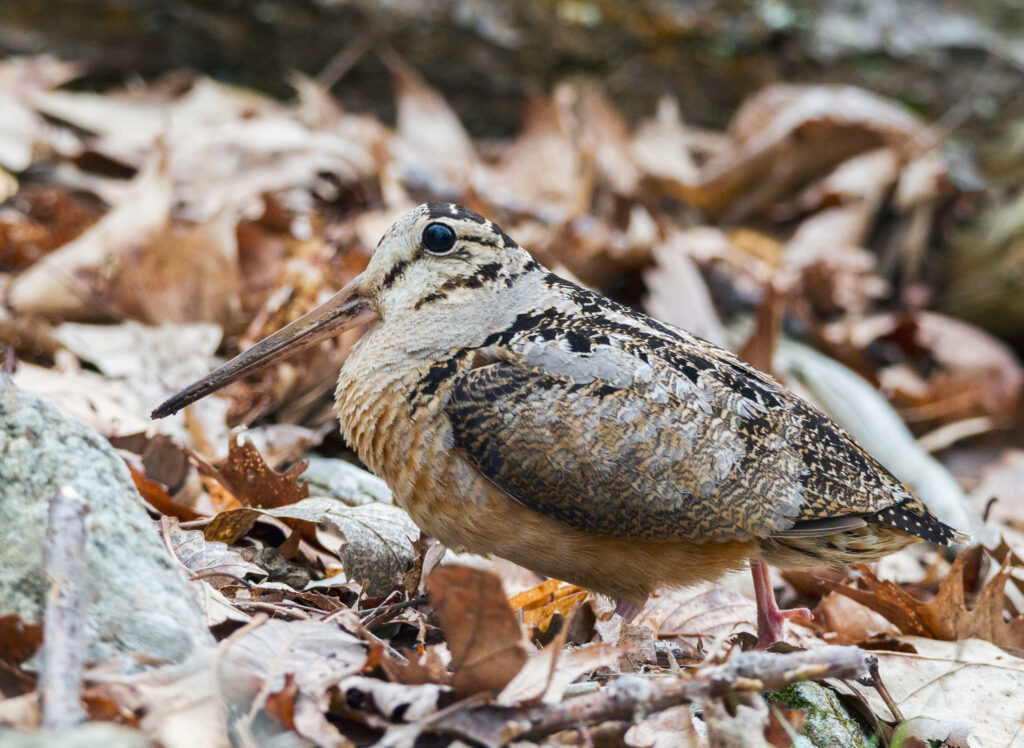
The American woodcock is known for its dancing, not combat skills. But researchers at the University of Maine have captured what might be the first recorded instance of a ground-nesting bird defending itself against a deer. White-tailed deer ( Odocoileus virginianus ) are opportunistic omnivores, occasionally eating eggs and even…The American woodcock is known for its dancing, not combat skills. But researchers at the University of Maine have captured what might be the first recorded instance of a ground-nesting bird defending itself against a deer. White-tailed deer ( Odocoileus virginianus ) are opportunistic omnivores, occasionally eating eggs and even baby birds. American woodcock ( Scolopax minor ) hens, who nest in leaf litter, usually sit stock-still to hide themselves and their nests from predators. Their feathers also blend in with the ground around them. But during a game camera study in April 2024, researchers at the University of Maine recorded six instances of woodcocks defending their nests against deer. Scientist were baffled when they witnessed woodcocks fiercely defend their nests from an animal that could easily eat or trample them to death. “That small birds are willing to aggressively defend their nests against something as large as a deer, using different strategies based on the situation, opens a lot of interesting questions about how these unexpected interactions affect wildlife communities,” said Kylie Brunette, lead author on the paper and a doctoral student at the University of Maine, in a press release. The woodcocks only displayed the defensive behavior a minority of the time: only six instances recorded over 73 recordings of deer approaching woodcock nests. In the other 67 interactions, the birds relied on their camouflage. “While we only recorded a handful of instances, documenting these behaviors got us thinking more deeply about how birds could respond to deer as nest predators,” Brunette said. Read more at UMaine News.
Western Pest Control has reached a milestone of 25 years of serving Southern Utah. The post Western Pest Control celebrates 25 Years of business first appeared on Pest Management Professional.
Atticus' trademarked Tirade Ultra SC controls more than 100 labeled insect pests indoors and outdoors with low use rates. The post Atticus: Tirade CS with EnduraCap Technology first appeared on Pest Management Professional.
EcoVia 3-in-1’s updated label now supports broad structural pest control applications. The post Rockwell Labs: Expanded label for EcoVia 3-in-1 first appeared on Pest Management Professional.
Back to Resources This footage represents the first sighting of a river otter in the Bronx River in more than a century. Credit: Wildlife Conservation Society Education Department/RJ Hawkins In the past century, the pace of river otter population growth has exceeded that of humans in New York City. While…Back to Resources This footage represents the first sighting of a river otter in the Bronx River in more than a century. Credit: Wildlife Conservation Society Education Department/RJ Hawkins In the past century, the pace of river otter population growth has exceeded that of humans in New York City. While human populations have increased by many millions in the state, depending on the source you use, the population of otters ( Lontra canadensis ) in the Bronx River has increased by 100%. In 1926, there were zero, and now there is one—a recent photo has captured the first shot of a river otter in the Bronx’s waterway for more than a century. “When I first reviewed the images, I could hardly believe what I was seeing,” said R. J. Hawkins, a scientist affiliated with the Wildlife Conservation Society’s (WCS) Bronx Zoo, in a press release. “Knowing this may be the first documented river otter in the Bronx in generations was an incredible moment,” he said. “It shows why long-term wildlife monitoring and environmental restoration efforts matter.” The reappearance of these mustelids speaks to the decades of restoration conservationists have invested into the river, the WCS said. Read more at The Guardian .
This blog is part of a series introducing National Wildlife Federation’s Environmental Justice Advisory Council (EJAC). Established in 2023, the EJAC provides advice and guidance not only to the Environmental … Read more The post Meet NWF’s Environmental Justice Advisory Council: Reverend Leo Woodberry appeared first on The National Wildlife…This blog is part of a series introducing National Wildlife Federation’s Environmental Justice Advisory Council (EJAC). Established in 2023, the EJAC provides advice and guidance not only to the Environmental … Read more The post Meet NWF’s Environmental Justice Advisory Council: Reverend Leo Woodberry appeared first on The National Wildlife Federation Blog.
Evidence of Rat Hepatitis E Virus Circulation through Wastewater Surveillance, Central Argentina Cite This Article Citation for Media To the Editor: A recently published dispatch about rat hepatitis E virus (rHEV) detected high levels of rHEV in wastewater samples from Argentina (67.7%) ( 1 ). The study authors claimed their…Evidence of Rat Hepatitis E Virus Circulation through Wastewater Surveillance, Central Argentina Cite This Article Citation for Media To the Editor: A recently published dispatch about rat hepatitis E virus (rHEV) detected high levels of rHEV in wastewater samples from Argentina (67.7%) ( 1 ). The study authors claimed their findings supported further investigation of the virus in animal reservoirs and humans, with a focus on hepatitis cases of unknown etiology. rHEV is genetically distinct from conventional human-infecting hepatitis E virus (HEV; Paslahepevirus balayani ) and is not detected by the PCRs that detect HEV RNA. A recent study in Spain detected an rHEV frequency of 1.4% among patients with hepatitis of unknown etiology ( 2 ). The rHEV spillover mechanism to humans is unclear. We analyzed rHEV in wastewater samples from Toulouse, France, where HEV is endemic (HEV IgG seroprevalence 47.8%) ( 3 ). We collected 49 wastewater samples weekly during 2025 and detected rHEV in all by using a previously published protocol ( 4 ). However, we could not sequence the genomes because of low viral concentration. During 2023–2025, we tested 484 immunocompetent patients with a positive HEV IgM result by using Liaison (Diasorin, https://us.diasorin.com ), to detect HEV IgM in patients with rHEV infection ( 5 ), and 578 immunocompromised patients living in the same area. We collected the samples at infection onset when the liver enzymes were elevated and AltoStar HEV PCR Kit (Altona Diagnostics, https://altona-diagnostics.com ) results were negative. None of the samples were positive for rHEV RNA. The high detection rate of rHEV in wastewater reflecting high circulation in urban rodents contrasts with the rarity of human cases. This contrast could be linked to low exposure of humans to contaminated sources, low human infection capability of rHEV, or cross protection because of immunity conferred by HEV in Toulouse, where the seroprevalence is higher than in Spain, where rHEV human cases are more frequent ( 2 ). Future studies to evaluate rHEV-specific serologic response could be useful. Top Florence Abravanel , Clément Castille, Nicolas Marter, Jean Luc Guerin, Sébastien Lhomme, and Jacques Izopet Author affiliation: CHU Toulouse Purpan, INSERM UMR1291, CNRS UMR5051, Université de Toulouse, Toulouse, France (F. Abravanel, S. Lhomme, J. Izopet); ENVT, Université de Toulouse, INRAE, IHAP, Toulouse (C. Castille, J.L. Guerin); Eau de Toulouse Métropole, Toulouse (N. Marter). Top References Filoni B , Lucero ME , Di Cola G , Fantilli A , Roccia A , Sicilia P , et al. Evidence of rat hepatitis E virus circulation through wastewater surveillance, central Argentina. Emerg Infect Dis . 2026 ; 32 : 133 – 6 . DOI PubMed Google Scholar Caballero-Gómez J , Casares-Jiménez M , Gallo-Marín M , Pereira-Pardo S , Beato-Benítez A , Poyato A , et al. ; GEHEP-014 Study Group . Rat hepatitis E virus as an aetiological agent of acute hepatitis of unknown origin. J Hepatol . 2025 ; 83 : 662 – 9 . DOI PubMed Google Scholar Dimeglio C , El Rakaawi M , Boineau J , De Smet C , Abravanel F , Lhomme S , et al. Increase in HEV IgG seroprevalence during the past years in southern France. J Med Virol . 2025 ; 97 : e70483 . DOI PubMed Google Scholar Parraud D , Lhomme S , Péron JM , Da Silva I , Tavitian S , Kamar N , et al. Rat hepatitis E virus: presence in humans in south-western France? Front Med (Lausanne) . 2021 ; 8 : 726363 . DOI PubMed Google Scholar Fourgeaud J , Veyrenche N , Laloum I , Jais J-P , Roger C , Rabant M , et al. Occult rat hepatitis E virus infection as a cause of cirrhosis and posttransplant recurrence: insights into the role of metagenomics. Am J Transplant. 2026 ;S1600-6135(26):00007-9. Top Cite This Article DOI: 10.3201/eid3205.260304 Original Publication Date: April 27, 2026 Top Table of Contents – Volume 32, Number 5—May 2026 EID Search Options Advanced Article Search – Search articles by author and/or keyword. Articles by Country Search – Search articles by the topic country. Article Type Search – Search articles by article type and issue. Top Top Page created: March 30, 2026 Page updated: May 08, 2026 Page reviewed: May 08, 2026 The conclusions, findings, and opinions expressed by authors contributing to this journal do not necessarily reflect the official position of the U.S. Department of Health and Human Services, the Public Health Service, the Centers for Disease Control and Prevention, or the authors' affiliated institutions. Use of trade names is for identification only and does not imply endorsement by any of the groups named above.
Why solving the real problem — not just treating it — is the future of our industry. The post The silent cost of “good enough” pest control first appeared on Pest Management Professional.
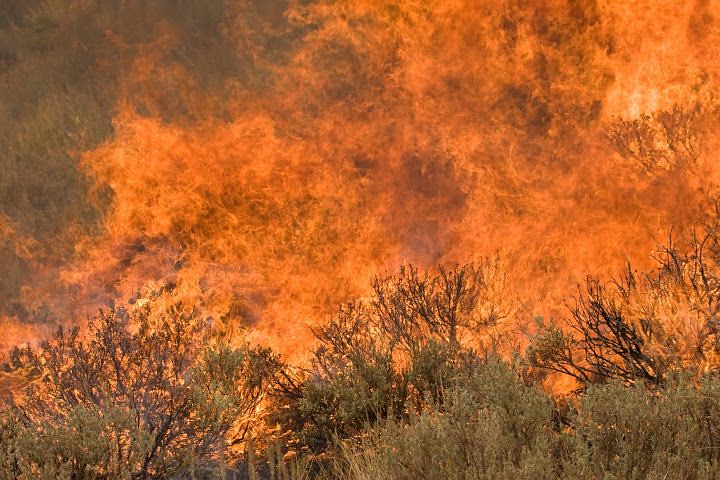
Back to Resources Castle Rock wildfire near Ketchum, Idaho, in 2007. Credit: Kari Greer The Wildlife Society, along with other organizations represented by America’s Wildlife Conservation Partners, signed this letter in support of the Wildfire Emissions Prevention Act of 2026. This bill would remove regulatory conditions within the Clean Air…Back to Resources Castle Rock wildfire near Ketchum, Idaho, in 2007. Credit: Kari Greer The Wildlife Society, along with other organizations represented by America’s Wildlife Conservation Partners, signed this letter in support of the Wildfire Emissions Prevention Act of 2026. This bill would remove regulatory conditions within the Clean Air Act that limit the use of prescribed fire for wildlife habitat and forest health management. The letter details the importance of prescribed fire as a tool for land managers to create healthy ecosystems and sustain habitat for fish and wildlife, as well as preventing catastrophic wildfires.
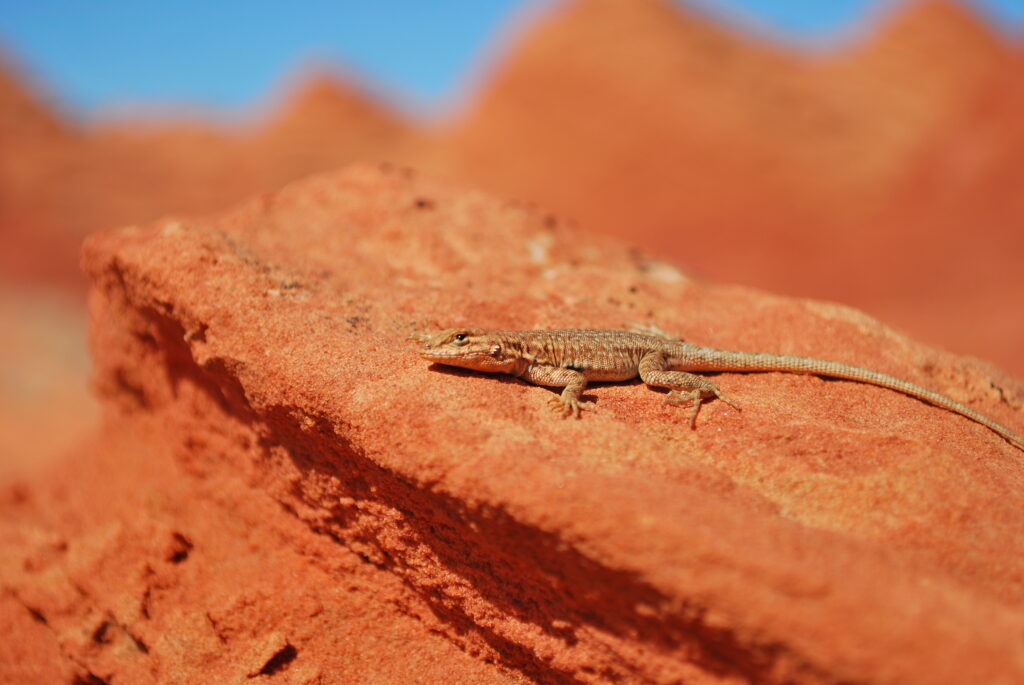
Back to Resources A lizard sunbathes on a rock in Vermillion Cliffs National Monument in Arizona. Credit: Patrick Russell Cold-blooded animals rely on their environment for the necessary heat to stay alive. But a new study found that when faced with daily fluctuations in temperature, ectotherms, which include fish, reptiles,…Back to Resources A lizard sunbathes on a rock in Vermillion Cliffs National Monument in Arizona. Credit: Patrick Russell Cold-blooded animals rely on their environment for the necessary heat to stay alive. But a new study found that when faced with daily fluctuations in temperature, ectotherms, which include fish, reptiles, amphibians and invertebrates, struggle to adjust. A new review published in Philosophical Transactions of the Royal Society B combined the findings of 26 studies that tested how ectotherms respond to temperature fluctuations. The researchers thought that they would find physiological evidence of ectotherms becoming less sensitive to daily temperature fluctuations. “Instead, we found the opposite,” said lead author Gomez Isaza of Murdoch University. “There was no consistent evidence that ectotherms fine-tune their physiology in response to these predictable fluctuations.” As climate change worsens, temperatures are becoming less predictable and reaching new highs and lows. Researchers warn that ectotherms may be particularly vulnerable to the effects of climate change and that long-term resilience will come from genetic changes rather than daily adaptations to temperature fluctuations. Read more at Murdoch University.