Eliminating Squirrels In The Attic Riviera Beach This video focuses on eliminating squirrels in the attic in Riviera Beach, FL, featuring real wildlife control work from AAAC Wildlife Removal Palm Beaches. Riviera Beach’s coastal environment, with its warm temperatures, dense trees, and residential rooftops, creates ideal conditions for squirrels to…Eliminating Squirrels In The Attic Riviera Beach This video focuses on eliminating squirrels in the attic in Riviera Beach, FL, featuring real wildlife control work from AAAC Wildlife Removal Palm Beaches. Riviera Beach’s coastal environment, with its warm temperatures, dense trees, and residential rooftops, creates ideal conditions for squirrels to seek shelter inside attic spaces. Squirrels can quickly become a serious issue once they enter an attic. They often chew on wood, insulation, and electrical wiring while building nests and moving throughout the space. In this video, you will learn how squirrel infestations begin, the common signs homeowners notice such as scratching noises or droppings, and why quick action is important to prevent further damage. You will also see how squirrel elimination is handled through a structured professional process. This includes detailed inspections to locate entry points, humane trapping and removal methods, and exclusion work designed to seal the home and prevent squirrels from getting back inside the attic. If you are hearing movement overhead or suspect squirrels are living in your attic, this video provides helpful insight into the elimination process and what to expect during service in Riviera Beach, FL. It is designed to help homeowners understand the issue clearly and take the right steps to protect their home from ongoing wildlife problems. More on YouTube: https://www.youtube.com/watch?v=kH3p8EwPq-Y On Sound Cloud: AAAC Wildlife Removal Palm Beaches provides professional squirrel removal services in Riviera Beach, Florida. Contact Us: AAAC Wildlife Removal - Palm Beaches 4440 PGA Blvd Suite 600 Palm Beach Gardens , FL , 33410 561-515-0201 Website: https://palm-beaches.aaacwildliferemoval.com/ Email: palmbeaches@aaacwildliferemoval.com Find us around the web: YouTube: https://www.youtube.com/@aaacwildliferemovalofthepa5785 Facebook: Twitter: SoundCloud: https://soundcloud.com/aaac-wildlife-removal Blogger: WordPress: Tumblr:
Squirrel Removal Riviera Beach Squirrel removal in Riviera Beach, FL is an important service for homeowners and businesses dealing with unwanted wildlife activity inside their properties. AAAC Wildlife Removal Palm Beaches provides professional squirrel control solutions designed to safely and effectively remove these animals while preventing them from returning. This…Squirrel Removal Riviera Beach Squirrel removal in Riviera Beach, FL is an important service for homeowners and businesses dealing with unwanted wildlife activity inside their properties. AAAC Wildlife Removal Palm Beaches provides professional squirrel control solutions designed to safely and effectively remove these animals while preventing them from returning. This playlist highlights common squirrel problems in the area and how they impact homes, especially when they gain access to attic spaces. Riviera Beach’s warm climate and suburban environment create ideal conditions for squirrels to thrive year-round. These animals are agile climbers and often enter homes through roof gaps, soffits, vents, and damaged construction areas while searching for shelter and nesting sites. Once inside, squirrels can chew on wood, tear insulation, damage electrical wiring, and create constant scratching or running noises in attics and ceilings. This playlist explains how squirrel infestations start and why they are a frequent issue for local property owners. AAAC Wildlife Removal Palm Beaches uses a humane and thorough approach to squirrel removal that focuses on both immediate removal and long-term prevention. Each job begins with a detailed inspection to identify entry points and nesting areas, followed by safe removal techniques tailored to the situation. After the squirrels are removed, exclusion work is performed to seal vulnerable access points and help prevent future infestations. This playlist also covers cleanup recommendations and how to restore attic spaces affected by squirrel activity. Whether you are hearing noises above your ceiling, noticing signs of chewing or droppings, or suspect squirrels are living in your attic, quick action is essential. AAAC Wildlife Removal Palm Beaches proudly serves Riviera Beach, FL with trusted squirrel removal services designed to protect homes and businesses. This playlist is meant to help property owners understand squirrel behavior, recognize early warning signs, and take the right steps to keep their property safe and wildlife-free. More on Sound Cloud: https://soundcloud.com/aaac-wildlife-removal/sets/raccoon-removal-riviera-beach On YouTube: https://www.youtube.com/playlist?list=PL6KWuz7L6wfujXNn8LRZYLERO1j0ERgkS AAAC Wildlife Removal Palm Beaches provides professional squirrel removal services in Riviera Beach, Florida. Contact Us: AAAC Wildlife Removal - Palm Beaches 4440 PGA Blvd Suite 600 Palm Beach Gardens , FL , 33410 561-515-0201 Website: https://palm-beaches.aaacwildliferemoval.com/ Email: palmbeaches@aaacwildliferemoval.com Find us around the web: YouTube: https://www.youtube.com/@aaacwildliferemovalofthepa5785 Facebook: Twitter: SoundCloud: https://soundcloud.com/aaac-wildlife-removal Blogger: WordPress: Tumblr:
“Chocolate, avocados, onions, and moldy foods are some of the most poisonous items you can leave out for squirrels. Even small amounts of these everyday ingredients can cause serious health issues—or be fatal—for these sensitive rodents.” Squirrels may look harmless scampering across your fence or chasing each other up a…“Chocolate, avocados, onions, and moldy foods are some of the most poisonous items you can leave out for squirrels. Even small amounts of these everyday ingredients can cause serious health issues—or be fatal—for these sensitive rodents.” Squirrels may look harmless scampering across your fence or chasing each other up a tree, but when they show up in your attic or tear through your garden, that charm disappears fast. In leafy neighborhoods where parks are close by and backyard bird feeders are everywhere, it’s no surprise that squirrels are regular visitors—and sometimes uninvited tenants. While many people enjoy watching them or even tossing out food, what you leave behind can actually be dangerous to squirrels—and a bigger headache for you without proper squirrel control . This article isn’t about harming wildlife. It’s about knowing what food is poisonous to squirrels so you don’t accidentally invite them in or make them sick. If you’ve been leaving out scraps, filling feeders, or composting without thinking twice, there’s a good chance you’re creating a squirrel buffet without even realizing it. Let’s break down what to avoid, what to secure, and how to protect both your home and the squirrels from a bad encounter. What Is The Most Dangerous Foods for Squirrels? Chocolate and Caffeinated Products Chocolate is one of the most toxic substances you can accidentally leave out for squirrels or any rodent. It contains theobromine—a stimulant that these small animals can’t metabolize effectively. Just a small amount from a brownie, chocolate almond bar, or sugar-filled candy can trigger tremors, elevated heart rate, or seizures in squirrels. Since they have such fast metabolisms and tiny bodies, the toxic effects hit hard and fast, often with serious consequences. Caffeinated foods and drinks are equally dangerous. Coffee grounds , soda spills, or chocolate-covered espresso beans tossed into a compost pile can be life-threatening if a squirrel gets into them. Where outdoor parties and backyard BBQs are common, it’s easy for sugary or caffeine-rich snacks to end up where rodents roam. To keep squirrels safe and your property clear of unwelcome visitors, make it a habit to clean up thoroughly and store all sweet or stimulant-laced foods securely. Avocados Avocados contain persin, a fungicidal toxin found in the fruit’s skin, pit, and even its leaves. While persin might not harm humans, it can be toxic to many animals, including squirrels. The risk isn’t just in eating an avocado—squirrels that nibble on a discarded peel, chewed seed, or exposed pit can experience digestive issues or worse. What makes this even more concerning is how easily avocado waste can be overlooked, especially in compost bins. If you’re growing avocado trees or preparing guacamole from scratch, this is something to stay mindful of. As urban farming and composting become more popular, the risk of accidentally exposing squirrels to this toxic fruit increases. Make sure avocado scraps are properly sealed or discarded, and if you have a tree, regularly clear fallen fruit from the yard. It’s better to be safe than to unknowingly poison a local animal. Onions, Garlic, and Spicy Foods While these aromatic kitchen staples may keep your chili full of flavor, they spell serious trouble for squirrels. Onions and garlic contain compounds that can damage red blood cells, leading to anemia and other health complications. The danger extends to cooked dishes, too. If a squirrel gets into leftover food seasoned with garlic or onions, even in small amounts, it can suffer lasting effects. In worst cases, repeated exposure can be fatal over time. Spicy foods also pack a punch that squirrels can’t handle. Hot sauce remnants, chili powder, or discarded tacos can cause severe digestive distress. Where spicy dishes are a staple, food waste often ends up in outdoor bins or compost piles. Make sure spicy scraps are stored in critter-proof containers, and avoid tossing seasoned leftovers near your patio or yard. The goal isn’t just to avoid harming squirrels—it’s to stop inviting them altogether. Alcohol and Fermented Fruit Alcohol might seem like an unlikely threat to wildlife, but squirrels are highly sensitive to it. Whether it’s beer spills from a tailgate, wine left out on the porch, or sugary cocktails left on patio tables, these drinks can lead to disorientation, slowed reaction time, and eventually liver failure in squirrels. Their small bodies can’t handle even trace amounts, and it doesn’t take much to put them in serious danger. Another sneaky culprit? Overripe or fermenting fruit, especially in backyards with peach, fig, or persimmon trees. As the fruit falls and begins to break down, it can release natural alcohols that attract squirrels and get them intoxicated. They may stagger, fall from trees, or become easy prey for predators. Regularly clean up fruit from the ground and keep alcoholic beverages secure during outdoor events. Salty Snacks and Chips Salt is another ingredient that can easily disrupt a squirrel’s internal balance. While humans can handle a salty snack during a football game or backyard hangout, squirrels don’t process salt well. Even a few bites of junk food like chips, pretzels, or salted walnut snacks can dehydrate them and overwork their kidneys. These types of treats also contain added sugar and artificial ingredients that offer zero nutritional value for squirrels—making them both harmful and useless from a dietary perspective. Many of these items—especially sugary breakfast cereals or processed snack mixes—are casually dropped or tossed outside without much thought. But to a hungry squirrel, that forgotten bowl of cereal or spilled trail mix is a full meal. Where outdoor events, food trucks, and weekend cookouts are part of the culture, squirrels quickly learn where the good stuff is. Cleaning up sugary crumbs and sealing snack waste tightly are easy steps that help discourage squirrels from turning your yard into their favorite buffet line. Surprising “Healthy” Foods That Still Poisonous To Squirrels Not all squirrel-dangerous foods are obviously harmful. Some look totally natural or even nutritious—but for squirrels, they can cause more harm than good. These foods often show up in gardens, bird feeders, compost piles, or well-meaning attempts to “feed the wildlife.” Here’s what to watch for. Raw Corn (Especially Moldy Corn) Corn might seem harmless—it’s a common ingredient in bird seed, livestock feed, and even human snacks. But when corn starts to mold, it can develop aflatoxins, which are highly toxic to squirrels and many other animals. Aflatoxins are produced by certain types of fungi and can affect liver function, immune systems, and even lead to cancer in wildlife. A squirrel doesn’t have to eat much moldy corn for it to cause serious internal damage. The risk goes up during warm, humid stretches—especially in summer—when moisture speeds up mold growth. Corn that’s left outside for too long, stored improperly in feeders, or tossed into compost piles can quickly become a hidden hazard. If you’re putting out corn in a feeder, store it in a dry place, change it frequently, and never offer anything that smells off or looks discolored. It’s not just about nutrition—it’s about safety. Bread and Processed Carbs Bread might feel like a safe, throwaway snack for critters—but it’s actually a poor and potentially harmful food choice for squirrels. Bread, crackers, and other refined carbs offer little to no nutrition, and they can expand in a squirrel’s stomach, leading to bloating or discomfort. In some cases, processed bread products contain preservatives and additives that are hard for squirrels to digest, weakening their system over time. Squirrels that eat too much bread often end up malnourished despite feeling full. This is especially common in neighborhoods where residents leave out food “just to be nice.” Unfortunately, the kindness backfires. Instead of helping, you may be attracting squirrels that grow dependent on an unhealthy food source—and more likely to take up permanent residence in your attic. If you want to be squirrel-friendly, stick to natural deterrents and avoid the bread basket. Peanuts (Especially Salted or Moldy) Peanuts are a bit of a wildcard. While they’re often seen in squirrel food blends or used to lure wildlife for photos, they aren’t actually nuts—they’re legumes. And when they’re salted, roasted, or worse, moldy, they become a serious risk. Moldy peanuts, like corn, can carry aflatoxins that attack a squirrel’s liver and immune system. Salted peanuts, on the other hand, can cause dehydration and kidney stress. This matters because many people use peanuts to feed birds or squirrels without realizing the risks. In fact, some birdseed mixes from big-box stores still include them. If you’re trying to keep squirrels away from your yard—or avoid poisoning them by accident—skip the peanuts. And if you must use them, go for raw, unsalted, and fresh, and use a squirrel-proof bird feeder so your effort to help one species doesn’t endanger another. Foods That Attract Squirrels (But Shouldn’t) Some foods might not be poisonous, but they’re basically neon signs saying “Free Snacks Here!” for squirrels. These attractants can lead to more frequent visits, nesting, and eventual infestations. If you’re trying to squirrel-proof your yard or keep them from invading your home, these are the items to manage carefully. Bird Seed and Pet Food Bird feeders are one of the top culprits for squirrel problems. Many blends contain sunflower seeds, millet, corn, and peanuts—aka squirrel candy. Once they find a reliable food source, squirrels will return again and again, sometimes destroying the feeder in the process. The same goes for pet food left outside. Dry kibble and wet food alike are high-protein, calorie-dense meals that squirrels will happily devour. Where backyard birdwatching is popular and outdoor pet bowls are commo
Author affiliation: National Institute for Communicable Diseases, Johannesburg, South Africa (M. Birkhead, A.A. Grobbelaar, K. Govender, L.H. Blumberg, N. Moolla, N.D. Tebeila, N. Govender, V. Dermaux-Msimang, J. Weyer); Ampath Laboratories Ltd., Centurion, South Africa (D. Morobadi, T. Marshall, W. Grayson); Mpumalanga Department of Health, Mbombela, South Africa (H.D. Mpangani, M.…Author affiliation: National Institute for Communicable Diseases, Johannesburg, South Africa (M. Birkhead, A.A. Grobbelaar, K. Govender, L.H. Blumberg, N. Moolla, N.D. Tebeila, N. Govender, V. Dermaux-Msimang, J. Weyer); Ampath Laboratories Ltd., Centurion, South Africa (D. Morobadi, T. Marshall, W. Grayson); Mpumalanga Department of Health, Mbombela, South Africa (H.D. Mpangani, M. Zwane); Hoedspruit Family Practice, Hoedspruit, South Africa (J. Dabrowski); Right to Care, Johannesburg (L.H. Blumberg); University of Stellenbosch, Stellenbosch, South Africa (L.H. Blumberg); University of Pretoria, Pretoria, South Africa (L.H. Blumberg, N. Moolla, J. Weyer); University of the Witwatersrand, Johannesburg (N. Moolla, W. Grayson, J. Weyer) Tanapox virus (TANV), a member of the genus Yatapoxvirus (Poxviridae), is associated with a rare zoonotic infection; only 1 human tanapox case has been reported globally since 2004 ( 1 – 3 ). That case originated in Skukuza, a subtropical area of Kruger National Park (KNP), a wildlife reserve in South Africa. That geographic location differed from all previously recorded tanapox cases from endemic countries in equatorial Africa, including Democratic Republic of the Congo, Kenya, Republic of Congo, and Sierra Leone, and from Tanzania in tropical east Africa ( 4 – 9 ). Skukuza is also south of the possible TANV distribution predicted by ecologic niche modeling ( 9 ). Although geographic origins differ, the environmental and clinical features of all reported human tanapox cases are comparable. TANV is thought to be transmitted mechanically from wildlife hosts (nonhuman primates) to humans by hematophagous culicine mosquitoes ( 4 – 10 ). All previously reported cases originated from locations where human–wildlife interfaces were closely juxtaposed, after heavy rainfall and high temperatures that preceded the mosquito breeding season ( 3 – 5 , 9 ). Generally, TANV infection presents as 1–3 nodules in exposed body areas where mosquitoes typically tend to bite, such as hands, elbows, lower limbs, and toes ( 5 ). Although the centrally umbilicated lesions are self-limiting, resolving without intervention over 6–8 weeks, TANV infection can cause symptoms consistent with a viraemia, including fever, fatigue, intense headaches, myalgia, lymphadenopathy, and viral exanthem. The lesions can be unsightly, painful, and pruritic and infrequently become secondarily infected after scratching ( 2 , 4 , 5 , 8 ). As yet, no human-to-human TANV transmission or infection from contact or fomites has been recorded, and no deaths or systemic infection have been reported ( 2 , 5 , 11 ). Given the self-limiting nature and mildness of the infection, underreporting by workers in wildlife areas is highly probable, but for persons who do seek medical assistance, a lack of familiarity with the disease could lead to misdiagnosis and inappropriate treatment. We describe a cluster of tanapox cases from in and around KNP, South Africa, a novel, subtropical location for TANV transmission. Figure 1 Figure 1 . Locations of cases in a cluster of human tanapox cases in wildlife reserve, South Africa, 2024. Of 11 cases in 2024, nine were laboratory confirmed by PCR and sequencing, and... In February 2024, a patient (case 1) with several skin lesions sought care from a general practitioner in Hoedspruit, a small town ≈68 km west of KNP. The patient resided in KNP staff lodging near Orpen ( Figure 1 ). On the advice of an infectious diseases expert familiar with poxvirus infections, a lesion swab sample was sent to the Special Viral Pathogens Laboratory, Centre for Emerging Zoonotic and Parasitic Diseases, National Institute for Communicable Diseases (NICD), Johannesburg, South Africa, for poxvirus testing. Using previously described methods ( 3 ), we performed molecular testing to identify the genus of poxvirus involved. We confirmed Yatapoxvirus TANV by sequencing, which we corroborated by transmission electron microscopy of a subsequent lesion biopsy ( Table ; Appendix Figure 1). Two other persons (cases 2 and 3), household members of case-patient 1, also had pox-like nodules ( Table ). Consequently, we developed and distributed a questionnaire through established, community communication networks that link KNP and Greater KNP, a collection of private and community-owned wildlife reserves adjacent to the western boundary of KNP. We received 10 additional lesion swab samples (cases 2–11) for molecular confirmatory testing, among which 8 (cases 2–9) were accompanied by a completed questionnaire ( Table ). Of those 10 lesion swab samples, 8 were TANV-positive, and we submitted a representative example of the sequences to GenBank (accession no. PV816105). Two specimens, from cases 4 and 10, failed PCR amplification because the swabs were likely collected after the lesions had sufficiently healed and consequently no longer contained viral DNA. However, we included those 2 as suspected cases on the basis of epidemiologic and clinical features common to all 11 cases in the cluster. Figure 2 Figure 2 . Clinical data from a cluster of human tanapox cases in wildlife reserve, South Africa, 2024. Data represent 9 laboratory-confirmed cases of 11 persons for whom lesion samples were submitted. All TANV cases occurred within 20 km of each other ( Figure 1 ). Most case-patients were male (7 game rangers, 1 adult visitor, and 1 resident child); 2 were female (both KNP residents). Lesions and symptoms were consistent with those described in cases originating from equatorial Africa during 1957–2004 ( 4 – 8 ). Typically, case-patients had 1–3 umbilicated lesions coinciding with common sites for mosquito bites ( Table ). Case-patients noted that nodules initially were itchy; some mentioned that they thought nodules were just mosquito or insect bites, but most case-patients said nodules later became painful ( Figure 2 ). Case-patients reported other symptoms of TANV infection, most consistently headaches, myalgia, and fatigue ( Figure 2 ). Among 3 case-patients who reported a maculopapular viral exanthem, 2 described a generalized distribution over the torso. An initial misdiagnosis of impetigo in some patients prompted topical antibiotic treatment, and 1 person was treated with intravenous antibiotic drugs for a suspected superinfection associated with lymphadenitis. Lesion development described in questionnaires by 2 persons detailed the progression from an itchy bite to a firm, circular nodule with an erythematous base ( Appendix Figure 2). The centrally umbilicated nodules, some of which enlarged to 20 mm diameter, remained firm and noncystic. Other nodules ulcerated at a diameter of < 15 mm, forming craters with raised edges around a necrotic central area. Subsequent crusting and re-epithelialization began around the circumference, and concurrent tissue granulation developed in the center. About 25 days after symptom onset, the central tissue dried to form a scab, which darkened and sloughed off ≈3 weeks later. The initial erythematous areola surrounding each lesion persisted for the duration of lesion development, with varying degrees of associated edema and inflammation. Extensive inflammation, for example affecting an entire forearm ( Appendix Figure 2), was more likely to be associated with local lymphadenopathy. NICD compiled tanapox information for online public dissemination ( 12 ). NICD also alerted regional stakeholders, including the provincial health department, private practitioners, managers of wildlife reserves, and training facilities in the area, and asked them to further distribute tanapox information. Serendipitous feedback included the possibility of 2 tanapox cases acquired by visitors to the Pafuri area of KNP in February 2021 ( Figure 1 ). On telephonic follow-up, we suspected clinical diagnoses of tanapox in the 2 adult male visitors on the basis of a suitable environment (omnipresent nonhuman primates and a perceived abundance of mosquito vectors after high rainfall recorded in previous weeks), lesion attributes (photographic evidence of number, placement, and appearance), as well as other recalled symptoms, including headaches, myalgia, and extreme fatigue. Both men sought medical assistance; 1 had his lesion excised, and the other was placed on intravenous antibiotic drugs because of apparent purulence of 1 of the lesions, possibly associated with a diabetically compromised immune system. This cluster of cases strongly suggests autochthonous TANV transmission is occurring in the KNP area. Therefore, residents, workers, and visitors to KNP and surrounding areas need to be aware of the possibility of tanapox during February and March, after peak summer rainfall. Because no evidence supports the assumption that inflammation associated with tanapox nodules is caused by a bacterial superinfection, clinicians should be aware of tanapox symptoms and pathogenesis and avoid antibiotic use. Instead, clinicians can provide more applicable patient management by reducing anxiety, unnecessary medical procedures, and expense. As with any mosquito-transmitted virus, persons at risk for mosquito exposure should follow recommendations for using mosquito repellents and bed nets, especially considering that no antiviral drugs or vaccines for TANV are available. Dr. Birkhead is an electron microscopist in the Centre for Emerging Zoonotic and Parasitic Diseases, National Institute for Communicable Diseases, South Africa. Her research interests are biological ultrastructure, particularly that of pathogens, and ultrastructural diagnosis of primary ciliary dyskinesia. Author contributions: J.W. and M.B. conceptualized the study; D.M., J.D., L.H.B., T.M., and W.G. conducted data and specimen collection; A.A.G., K.G., N.M., and J.W. performed laboratory testing; M.B. performed microscopy; J.D. and L.H.B. conducted case finding; H.D.M., J.W., L.H.B., N.G., N.T., M.Z., and V.D.-M. conducted outbreak investigation; J.W., M.B., N.T., an
Squirrel Removal Riviera Beach This video focuses on squirrel removal in Riviera Beach, FL, featuring real wildlife control situations handled by AAAC Wildlife Removal Palm Beaches. Riviera Beach’s combination of mature trees, residential neighborhoods, and warm coastal weather creates an ideal environment for squirrels to nest and move between outdoor…Squirrel Removal Riviera Beach This video focuses on squirrel removal in Riviera Beach, FL, featuring real wildlife control situations handled by AAAC Wildlife Removal Palm Beaches. Riviera Beach’s combination of mature trees, residential neighborhoods, and warm coastal weather creates an ideal environment for squirrels to nest and move between outdoor spaces and nearby homes. Squirrels often enter attics, soffits, rooflines, and wall cavities while searching for shelter and nesting areas. In this video, you will learn how squirrels gain access to homes, the common signs of an infestation such as scratching sounds, chewing damage, and nesting materials, and why fast action is important to avoid costly repairs. You will also see how professional squirrel removal is performed through detailed inspections, humane trapping methods, and exclusion work designed to seal entry points. These steps help remove the squirrels safely while reducing the risk of future infestations and structural damage. If you are hearing noises in your attic or noticing signs of squirrel activity around your property, this video provides useful insight into what to expect during the removal process. It is designed to help homeowners in Riviera Beach, FL understand local wildlife issues and take the right steps to protect their homes safely and effectively. More on YouTube: https://www.youtube.com/watch?v=QcJRN_Gz4c8 On Sound Cloud: AAAC Wildlife Removal Palm Beaches provides professional squirrel removal services in Riviera Beach, Florida. Contact Us: AAAC Wildlife Removal - Palm Beaches 4440 PGA Blvd Suite 600 Palm Beach Gardens , FL , 33410 561-515-0201 Website: https://palm-beaches.aaacwildliferemoval.com/ Email: palmbeaches@aaacwildliferemoval.com Find us around the web: YouTube: https://www.youtube.com/@aaacwildliferemovalofthepa5785 Facebook: Twitter: SoundCloud: https://soundcloud.com/aaac-wildlife-removal Blogger: WordPress: Tumblr:
United States Department of Agriculture: Animal and Plant Health Inspection Service United States Department of Agriculture Wildlife Services: Staff Publications Document Type Article Date of this Version 2024 Citation Proceedings, 31st Vertebrate Pest Conference, paper 12 Published August 30, 2024 Editors: Rober M. Timm and D. M. Woods Abstract The…United States Department of Agriculture: Animal and Plant Health Inspection Service United States Department of Agriculture Wildlife Services: Staff Publications Document Type Article Date of this Version 2024 Citation Proceedings, 31st Vertebrate Pest Conference, paper 12 Published August 30, 2024 Editors: Rober M. Timm and D. M. Woods Abstract The United States Agriculture Improvement Act of 2018 (the 2018 Farm Bill) established the Feral Swine Eradication and Control Pilot Program. The program funded US$75M for 5 years, split evenly between the Natural Resources Conservation Service (NRCS) and the Animal and Plant Health Inspection Service (APHIS), both programs within the United States Department of Agriculture. The agencies solicited joint programs from states with high densities of feral swine in two phases. In Texas, NRCS and APHIS submitted three multi-county project areas along watersheds for Phase I funding and one eradication effort along with two crop protection projects in Phase II. The eradication project was adjacent to a Phase I project area and after extensive surveillance, it was determined to be successful, the first such project in Texas. All the remaining projects were designed with a direct management effort, a self-help effort through trap loans and a damage assessment process. Landowner in-kind contributions were identified and captured to detail the effects of the program. DOWNLOADS Since November 23, 2024 Included in Natural Resources and Conservation Commons , Natural Resources Management and Policy Commons , Other Environmental Sciences Commons , Other Veterinary Medicine Commons , Population Biology Commons , Terrestrial and Aquatic Ecology Commons , Veterinary Infectious Diseases Commons , Veterinary Microbiology and Immunobiology Commons , Veterinary Preventive Medicine, Epidemiology, and Public Health Commons , Zoology Commons COinS
Squirrel Removal From Attic Riviera Beach This video focuses on squirrel removal from attics in Riviera Beach, FL, featuring real service work from AAAC Wildlife Removal Palm Beaches. Riviera Beach’s warm climate, tree-filled neighborhoods, and coastal environment create ideal conditions for squirrels to search for safe nesting areas inside homes,…Squirrel Removal From Attic Riviera Beach This video focuses on squirrel removal from attics in Riviera Beach, FL, featuring real service work from AAAC Wildlife Removal Palm Beaches. Riviera Beach’s warm climate, tree-filled neighborhoods, and coastal environment create ideal conditions for squirrels to search for safe nesting areas inside homes, especially in attic spaces. Squirrels commonly enter attics through roof gaps, soffits, vents, and damaged siding. Once inside, they can create constant scratching noises, chew on wood and wiring, and damage insulation while building nests. In this video, you will learn how squirrel attic infestations begin, the warning signs homeowners should look for, and why quick action is important to prevent larger structural problems. The video also shows how professional squirrel removal from attics is handled step by step. This includes thorough inspections, humane trapping and removal methods, and exclusion work to seal off entry points and prevent squirrels from returning to the same space. If you are hearing activity above your ceiling or suspect squirrels are living in your attic, this video provides helpful insight into the removal process and what to expect during service. It is designed to help homeowners in Riviera Beach, FL better understand attic wildlife problems and how to protect their property safely and effectively. More on YouTube: https://www.youtube.com/watch?v=_RQRaN1EbwM On Sound Cloud: AAAC Wildlife Removal Palm Beaches provides professional squirrel removal services in Riviera Beach, Florida. Contact Us: AAAC Wildlife Removal - Palm Beaches 4440 PGA Blvd Suite 600 Palm Beach Gardens , FL , 33410 561-515-0201 Website: https://palm-beaches.aaacwildliferemoval.com/ Email: palmbeaches@aaacwildliferemoval.com Find us around the web: YouTube: https://www.youtube.com/@aaacwildliferemovalofthepa5785 Facebook: Twitter: SoundCloud: https://soundcloud.com/aaac-wildlife-removal Blogger: WordPress: Tumblr:
< Previous Article Next Article > Home ICWDM TWS WDM News 25 Center, Internet, Wildlife Damage Management TWS Wildlife Damage Management Working Group Newsletter: Spring 2003 – Volume 10(1) Authors Date of this Version 2003 Document Type Article Abstract Forward; Recent Working Group Activities; Note From The Treasurer; Note From…< Previous Article Next Article > Home ICWDM TWS WDM News 25 Center, Internet, Wildlife Damage Management TWS Wildlife Damage Management Working Group Newsletter: Spring 2003 – Volume 10(1) Authors Date of this Version 2003 Document Type Article Abstract Forward; Recent Working Group Activities; Note From The Treasurer; Note From The Editor; Announcements; Application For Membership / The Wildlife Society Download DOWNLOADS Since November 09, 2010 Included in Environmental Health and Protection Commons COinS
Removal Of Squirrels In Attic Riviera Beach This video highlights the removal of squirrels in attics in Riviera Beach, FL, featuring real wildlife control work from AAAC Wildlife Removal Palm Beaches. Riviera Beach’s mix of coastal weather, mature trees, and residential neighborhoods creates the perfect environment for squirrels to seek…Removal Of Squirrels In Attic Riviera Beach This video highlights the removal of squirrels in attics in Riviera Beach, FL, featuring real wildlife control work from AAAC Wildlife Removal Palm Beaches. Riviera Beach’s mix of coastal weather, mature trees, and residential neighborhoods creates the perfect environment for squirrels to seek shelter inside attic spaces throughout the year. When squirrels enter an attic, they can quickly create serious problems for homeowners. These animals often chew through wood, wiring, and insulation while building nests inside roof structures and wall cavities. In this video, you will learn how squirrels commonly access attics, the signs of an active infestation, and why addressing the issue early can help prevent costly repairs. The video also walks through the professional process used for removing squirrels from attics, including property inspections, humane trapping methods, and exclusion work. Sealing entry points is one of the most important parts of the process because it helps stop squirrels from returning after removal is complete. If you are hearing scratching noises overhead or noticing signs of wildlife activity around your roofline, this video offers useful information about what to expect during squirrel removal service in Riviera Beach, FL. It is designed to help homeowners understand the problem clearly and take the right steps toward protecting their home and attic space. More on YouTube: https://www.youtube.com/watch?v=AtvqVCjWTKg On Sound Cloud: AAAC Wildlife Removal Palm Beaches provides professional squirrel removal services in Riviera Beach, Florida. Contact Us: AAAC Wildlife Removal - Palm Beaches 4440 PGA Blvd Suite 600 Palm Beach Gardens , FL , 33410 561-515-0201 Website: https://palm-beaches.aaacwildliferemoval.com/ Email: palmbeaches@aaacwildliferemoval.com Find us around the web: YouTube: https://www.youtube.com/@aaacwildliferemovalofthepa5785 Facebook: Twitter: SoundCloud: https://soundcloud.com/aaac-wildlife-removal Blogger: WordPress: Tumblr:
Author affiliation: Instituto Politécnico Nacional, Mexico City, Mexico (E. Vázquez-Guerrero, G. Paniagua-Campos, P. Estrada-de los Santos, J.A. Ibarra); Baylor College of Medicine, Houston, Texas, USA (A.R. Kneubehl, J.E. Lopez) Ornithodoros turicata ticks were originally described in Mexico by Alfredo Dugès at the end of the 19th Century. In 1936, it…Author affiliation: Instituto Politécnico Nacional, Mexico City, Mexico (E. Vázquez-Guerrero, G. Paniagua-Campos, P. Estrada-de los Santos, J.A. Ibarra); Baylor College of Medicine, Houston, Texas, USA (A.R. Kneubehl, J.E. Lopez) Ornithodoros turicata ticks were originally described in Mexico by Alfredo Dugès at the end of the 19th Century. In 1936, it was implicated as the vector of tick-borne relapsing fever (TBRF) when febrile patients were first described in the city of Aguascalientes, in central Mexico ( 1 ). Borrelia turicatae is the species of TBRF spirochete transmitted by O. turicata , an argasid tick has been found in multiple regions of the United States and Mexico ( 2 , 3 ). We isolated B. turicatae from O. turicata ticks captured in the northern state of Sinaloa and used the diagnostic recombinant glycerophosphodiester phosphodiesterase (rGlpQ) antigen to detect circulating antibodies in clinical patients ( 4 , 5 ). Those findings indicated that B. turicatae and its vector are endemic in regions of Mexico, with spillover into human populations. However, TBRF in Mexico and in many other regions worldwide is a neglected disease that is often misdiagnosed because its symptoms are frequently confused with those of other diseases, such as malaria and brucellosis ( 4 ). Figure 1 Figure 1 . Locations of collection sites in study of Borrelia turicatae in ticks from animals in a public park, Aguascalientes, Mexico. A) Location of the state of Aguascalientes (black shading) in... We obtained 5 isolates of B. turicatae from O. turicata ticks collected at La Pona Park in Aguascalientes, Mexico, in January and April 2023 ( Figure 1 ). We examined tick specimens morphologically and molecularly by taxonomically analyzing a fragment of the mitochondrial genome, as described ( 6 ). Using a mouse model (either C57BL/6 or DBA/2J) ( 5 ), we evaluated the ticks by feeding them on the animals and assessing murine infection. We performed bacterial isolation as previously described by culturing blood samples from mice with spirochetemia in liquid, modified, and supplemented Barbour-Stoenner-Kelly II media supplemented with 10 µg/mL rifampin, 4 µg/mL phosphomycin, and 0.5 µg/mL amphotericin B ( 5 ). We amplified the 16S rRNA genes from each isolate by PCR, then sequenced and taxonomically analyzed them to confirm that all 5 isolates were B. turicatae ; we named the isolates AGU1–AGU5. Of the 5 isolates, we sequenced genomic DNA from isolates AGU1–4 using NovaSeq X (Illumina, https://www.illumina.com ); we used MinION for AGU1–3 and PromethION P2 Solo for AGU4 (Oxford Nanopore Technologies, https://nanoporetech.com ). We base-called nanopore sequencing data using Dorado version 7.4.12 with the version 4.3.0 ( https://github.com/nanoporetech/dorado ) super-accurate base-calling model. We generated Illumina data using the Illumina DNA library prep kit 2 × 150 bp. We assembled chromosome-resolved and plasmid-resolved genome assemblies from Oxford Nanopore and Illumina data as previously described ( 7 ), with some modifications. We inferred a maximum-likelihood species tree as previously described; the tree demonstrated that AGU1–AGU4 clustered with B. turicatae 91E135, BTE5EL, and BTCAM1 strains ( Appendix Figure). Both 91E135 and BTE5EL originated in Texas, USA, whereas BTCAM1 originated in Sinaloa, Mexico. AGU1–AGU5 are the southernmost B. turicatae isolates identified as of April 2026. Figure 2 Figure 2 . Immunoblot results assessing antibody responses in study of Borrelia turicatae in ticks from animals in a public park, Aguascalientes, Mexico. Images show responses in opossums and a feral cat... As part of our investigation, we captured wild fauna in La Pona public park to determine whether local animals were exposed to Borrelia spp. We collected blood samples in accordance with animal welfare guidelines ( 8 ). We captured 5 opossums ( Didelphis virginiana ), 1 deer mouse ( Peromyscus sp.), and 1 feral cat ( Felis silvestris catus ) and tested serum samples by immunoblotting to detect antibodies against B. turicatae protein lysates, rGlpQ, and rBipA, as described previously ( 4 , 5 ). Results showed that the opossum and cat serum samples were reactive with B. turicatae protein lysates rGlpQ, and rBipA ( Figure 2 ). None of the opossum samples were negative for the immunoblotting test, which might be a limitation of our study; however, opossum and cat serum samples from other states tested negative. Our results suggest that B. turicatae circulates in a tick–opossum–feral cat infectious cycle. Our findings support efforts to understand the mechanisms maintaining B. turicatae in nature, the distribution of infected O. turicata ticks, and the public health impact. Although we identified endemic foci of infected ticks, we did not determine the prevalence of B. turicatae in these populations. Understanding prevalence is relevant to public health because B. turicatae can be vertically transmitted from female ticks to their offspring at rates as high as 40% ( 9 ). Public parks and human dwellings have been shown to be a source for infected soft ticks in the southern United States and likely in human infections ( 10 ), but that relationship has been scarcely studied in Mexico. Given that unhoused and underserved persons reside in La Pona public park, they are at risk for exposure to O. turicata ticks and infection with B. turicatae . Our future work will focus on defining the tick–vertebrate infectious cycle of B. turicatae and assessing its effect on human populations living in or around La Pona Park. Clinicians should be aware of this potential zoonotic risk to humans in the area. Dr. Vázquez-Guerrero is a physician, pediatrician, and infectious disease specialist in Mexico. His areas of interest include vectorborne infectious diseases and microbiology . Top We thank the authorities of the Aguascalientes city municipality for permission to collect ticks and capture animals in La Pona. We also thank our research groups at Laboratorio de Genética Microbiana and Baylor University. The animal protocol followed in this study was approved by our Research Ethics Committee at ENCB Instituto Politécnico Nacional (no. ZOO-001-2022e1). Capture of wild fauna was approved by Secretaría de Medio Ambiente y Recursos Naturales, Government of Mexico (no. SGPA/DGVS/0564/21). Borrelia turicatae sequencing data and genome assemblies were submitted to GenBank associated with BioProject PRJNA1338334. Secretaría de Investigación y Posgrado IPN provided financial support for this study (project nos. 20250266, 20253924, and 20260917). Dugès A. Turicata of Guanajuato. Artículo en el periódico “El Repertorio” de Guanajuato. 1876 ;Sect. 11–12. Donaldson TG , Pèrez de León AA , Li AY , Castro-Arellano I , Wozniak E , Boyle WK , et al. Assessment of the geographic distribution of Ornithodoros turicata (Argasidae): climate variation and host diversity. PLoS Negl Trop Dis . 2016 ; 10 : e0004383 . DOI PubMed Google Scholar Guzmán-Cornejo C , Herrera-Mares A , Robbins RG , Rebollo-Hernández A . The soft ticks (Parasitiformes: Ixodida: Argasidae ) of Mexico: species, hosts, and geographical distribution. Zootaxa . 2019 ; 4623 : 3 . DOI PubMed Google Scholar Vázquez-Guerrero E , Gordillo-Pérez G , Ríos-Sarabia N , Lopez JE , Ibarra JA . Case report: exposure to relapsing fever group borreliae in patients with undifferentiated febrile illness in Mexico. Am J Trop Med Hyg . 2023 ; 108 : 510 – 2 . DOI PubMed Google Scholar Vázquez-Guerrero E , Kneubehl AR , Pellegrini-Hernández P , González-Quiroz JL , Domínguez-López ML , Krishnavajhala A , et al. Borrelia turicatae from ticks in peridomestic setting, Camayeca, Mexico. Emerg Infect Dis . 2024 ; 30 : 380 – 3 . DOI PubMed Google Scholar Vázquez-Guerrero E , González-Quiroz JL , Domínguez-López ML , Kneubehl AR , Krishnavajhala A , Curtis MW , et al. New records of Ornithodoros turicata (Ixodida: Argasidae) in rural and urban sites in the Mexican states of Aguascalientes and Zacatecas indicate the potential for tick-borne relapsing fever. Exp Appl Acarol . 2023 ; 91 : 99 – 110 . DOI PubMed Google Scholar Kneubehl AR , Krishnavajhala A , Leal SM , Replogle AJ , Kingry LC , Bermúdez SE , et al. Comparative genomics of the Western Hemisphere soft tick-borne relapsing fever borreliae highlights extensive plasmid diversity. BMC Genomics . 2022 ; 23 : 410 . DOI PubMed Google Scholar Sikes RS ; Animal Care and Use Committee of the American Society of Mammalogists . 2016 Guidelines of the American Society of Mammalogists for the use of wild mammals in research and education. J Mammal . 2016 ; 97 : 663 – 88 . DOI PubMed Google Scholar Filatov S , Krishnavajhala A , Lopez JE . Autogenous reproduction by Ornithodoros turicata (Ixodida: Argasidae) females and vertical transmission of the tick-borne pathogen Borrelia turicatae (Spirochaetales: Borreliaceae ). Appl Environ Microbiol . 2023 ; 89 : e0103223 . DOI PubMed Google Scholar Bissett JD , Ledet S , Krishnavajhala A , Armstrong BA , Klioueva A , Sexton C , et al. Detection of tickborne relapsing fever spirochete, Austin, Texas, USA. Emerg Infect Dis . 2018 ; 24 : 2003 – 9 . DOI PubMed Google Scholar 1 These authors contributed equally to this article. The conclusions, findings, and opinions expressed by authors contributing to this journal do not necessarily reflect the official position of the U.S. Department of Health and Human Services, the Public Health Service, the Centers for Disease Control and Prevention, or the authors' affiliated institutions. Use of trade names is for identification only and does not imply endorsement by any of the groups named above.
Researchers examining spiders and scorpions at the Zoological Collections Laboratory of the Butantan Institute in São Paulo, Brazil, noticed something unusual on a spider only a few millimeters long. The animal appeared to be wearing a delicate pearl necklace. Unsure of what they were seeing, the team turned to a…Researchers examining spiders and scorpions at the Zoological Collections Laboratory of the Butantan Institute in São Paulo, Brazil, noticed something unusual on a spider only a few millimeters long. The animal appeared to be wearing a delicate pearl necklace. Unsure of what they were seeing, the team turned to a colleague who specializes in mites for answers. Ricardo Bassini-Silva, a researcher and curator of the laboratory's Acarological Collection, quickly recognized that the bead-like structures were actually mite larvae. Until now, Brazil had only one documented case of mites that parasitize spiders, and that species belonged to a completely different family. A New Parasitic Mite Identified Detailed analysis of the spider and its tiny passengers followed. Using light microscopy, scanning techniques, and other morphological examinations, the researchers confirmed they were looking at a new species. The finding represents the second spider-parasitic mite ever described in Brazil and the first from its family recorded in the country. The research was supported by FAPESP and published in the International Journal of Acarology. It brought together two FAPESP-funded projects. One is led by Bassini-Silva, while the other is coordinated by Fernando de Castro Jacinavicius, a co-author of the study and a professor at the Institute of Biology at the University of São Paulo (IB-USP). Expanding the Map of a Rare Genus The newly identified species, named Araneothrombium brasiliensis, belongs to a genus first described in Costa Rica in 2017. Finding it in Brazil suggests the group may be more widespread than previously thought and could exist in other neotropical regions. Each mite larva measures about 500 micrometers, or half a millimeter. The spiders they parasitize are only a few millimeters long. So far, scientists have identified only the larval stage of the mite. These larvae were found attached to juvenile spiders from three different families. All collected specimens were engorged, showing they had fed enough to significantly increase their size. "For this group of mites, it isn't uncommon to know many parasitic species only through their larvae, since in adulthood they become free-living predators, living in the soil and feeding on small insects and even other mites, which makes them very difficult to find," says Bassini-Silva. Where the Parasitized Spiders Were Found The spiders carrying the newly described mites were collected in Pinheiral, a municipality in the state of Rio de Janeiro. The area is located near caves and grottos, an environment similar to where Brazil's first known spider-parasitic mite species, Charletonia rocciai, was discovered. In a separate study published in 2022, researchers revisited that earlier species, which was originally described in 1979. The updated work added new details about its physical traits, biology, geographic distribution, and host organisms, including spiders. Why the Mites Target a Spider's Weak Spot Spider-parasitic mites feed on lymph, a fluid that circulates through the bodies of certain arthropods. They draw out this fluid through the pedicel, the narrow region connecting the cephalothorax (where the spider's eyes and mouth are located) to the abdomen. "This is the spider's most vulnerable region since other parts have a lot of chitin, which forms an exoskeleton difficult for the mites' fangs to penetrate," the researcher explains. The mites' tendency to latch onto juvenile spiders suggests opportunistic behavior, since younger spiders are more exposed to parasites and predators. Researchers also note that the species may not be limited to spiders. It could potentially parasitize other arthropods, including insects. This broader behavior has already been observed in Charletonia rocciai, which feeds on at least two different insect orders. Hidden Biodiversity in Museum Collections "With more than 3,000 species of spiders alone, Brazil has immense potential for discovering new parasitic mites," says Bassini-Silva. The discovery also underscores the value of zoological collections for biodiversity research. The spiders examined in this study had been stored for years, and the mites went unnoticed until now. According to Bassini-Silva, collaborations with field researchers and environmental consulting companies may soon lead to more samples. He hopes these efforts will result in the identification and description of additional mite species associated with a wide range of animals.
Back to Resources The Wildlife Society joined with other members of the American Wildlife Conservation Partners consortium to voice support for the America the Beautiful Act (S. 1547) and the Great American Outdoors Act (H.R. 9250) to members of the U.S. House and Senate. The bills include, among other things,…Back to Resources The Wildlife Society joined with other members of the American Wildlife Conservation Partners consortium to voice support for the America the Beautiful Act (S. 1547) and the Great American Outdoors Act (H.R. 9250) to members of the U.S. House and Senate. The bills include, among other things, reauthorization for the Legacy Restoration Fund, which represents “an historic investment in addressing the deferred maintenance backlog across our national parks, national forests, wildlife refuges, Bureau of Land Management lands, and Bureau of Indian Education facilities.” The letters call for the expeditious passage of the bill in both chambers.
Mutual of Omaha’s Wild Kingdom and the National Wildlife Federation continue their partnership to inspire and support the efforts of the next generation of conservation leadership. We are collaborating on a … Read more The post Wild Kingdom Grant Program Supports Research and Conservation on Campus appeared first on The…Mutual of Omaha’s Wild Kingdom and the National Wildlife Federation continue their partnership to inspire and support the efforts of the next generation of conservation leadership. We are collaborating on a … Read more The post Wild Kingdom Grant Program Supports Research and Conservation on Campus appeared first on The National Wildlife Federation Blog.
Throwing a party is often how we bring people together and build community, which is essential for human well-being. Trees may not throw parties, but they are still important community … Read more The post Plan a Garden Party and Find Out What Native Tree YOU Are! appeared first on…Throwing a party is often how we bring people together and build community, which is essential for human well-being. Trees may not throw parties, but they are still important community … Read more The post Plan a Garden Party and Find Out What Native Tree YOU Are! appeared first on The National Wildlife Federation Blog.
We’re well into Earth Month—April, that is! The love for our shared planet couldn’t be contained to just one day. Globally, there’s so much action happening around climate change, land … Read more The post Earth Month Bingo! appeared first on The National Wildlife Federation Blog.
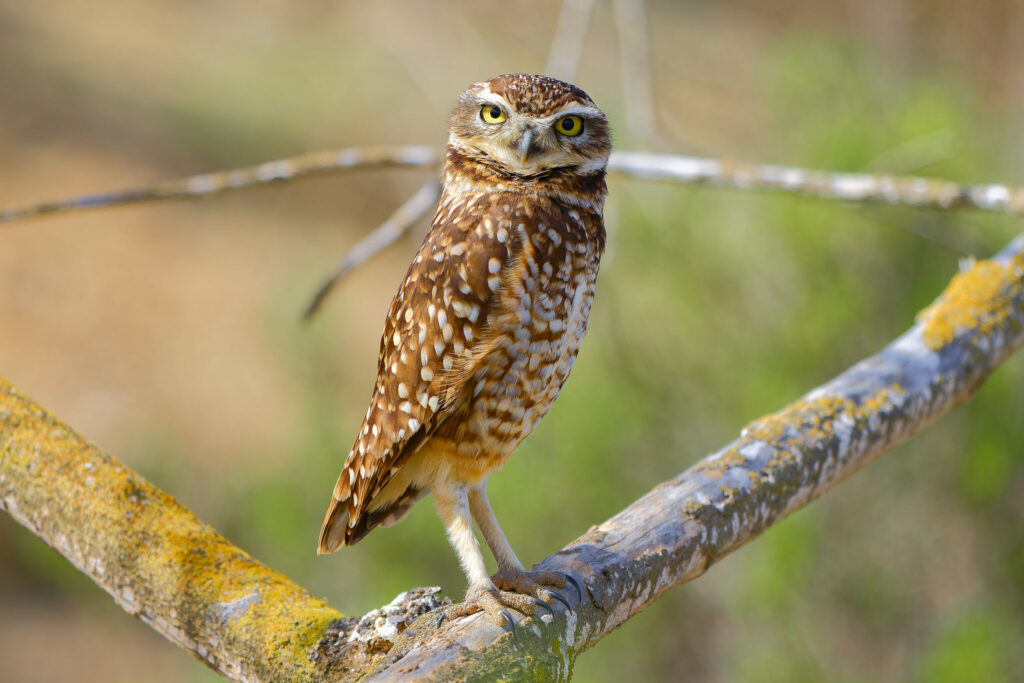
In an arid national park in Chile, climate change is switching up the diets of owls. As it’s gotten hotter, these birds of prey are trying new food. In a study published in Ecography, researchers analyzed 24 years of owl dietary data in Chile’s Bosque Fray Jorge National Park. After…In an arid national park in Chile, climate change is switching up the diets of owls. As it’s gotten hotter, these birds of prey are trying new food. In a study published in Ecography, researchers analyzed 24 years of owl dietary data in Chile’s Bosque Fray Jorge National Park. After digging through the contents of16,932 owl pellets collected between 1990 and 2015, the researchers could look at how the diet of three species—the burrowing owl (Athene cunicularia), the great horned owl ( Bubo virginianus) and the American barn owl (Tyto furcata )—changed along with climate trends, specifically drought and temperature. The nearly 75,000 prey items identified in the pellets belonged to 24 species of arthropods, mammals, birds, reptiles and amphibians. The researchers found that during times of drought, each owl species focused on a different prey item. The great horned owl had the most variation in its diet and preyed on both vertebrates and invertebrates, eating lots of beetles, scorpions and rodents. The American barn owl had middling dietary richness, eating mostly small mammals. The burrowing owl had the lowest values, eating mostly arthropods like beetles, grasshoppers and spiders. The researchers also found that in 2003, the owls started taking advantage of new food sources. The richness, or number of different species in their diets, increased. They found that temperature, more than any other factor, was correlated with long-term changes in richness in diet. “Our findings suggest that changing environmental conditions are reshaping predator–prey interactions,” said lead author Angéline Bertin, a PhD candidate at Chile’s University of La Serena. “As climate change intensifies, the fragility of these ecological networks may become more pronounced. Understanding how climate and resource availability shape predator–prey dynamics will be essential for predicting ecosystem resilience.” Read more in Ecography .
Veseris announced it will add to it's ProTraining series on Thursday, May 14, from 12-1 p.m. Eastern. The post Veseris to host mosquito webinar first appeared on Pest Management Professional.
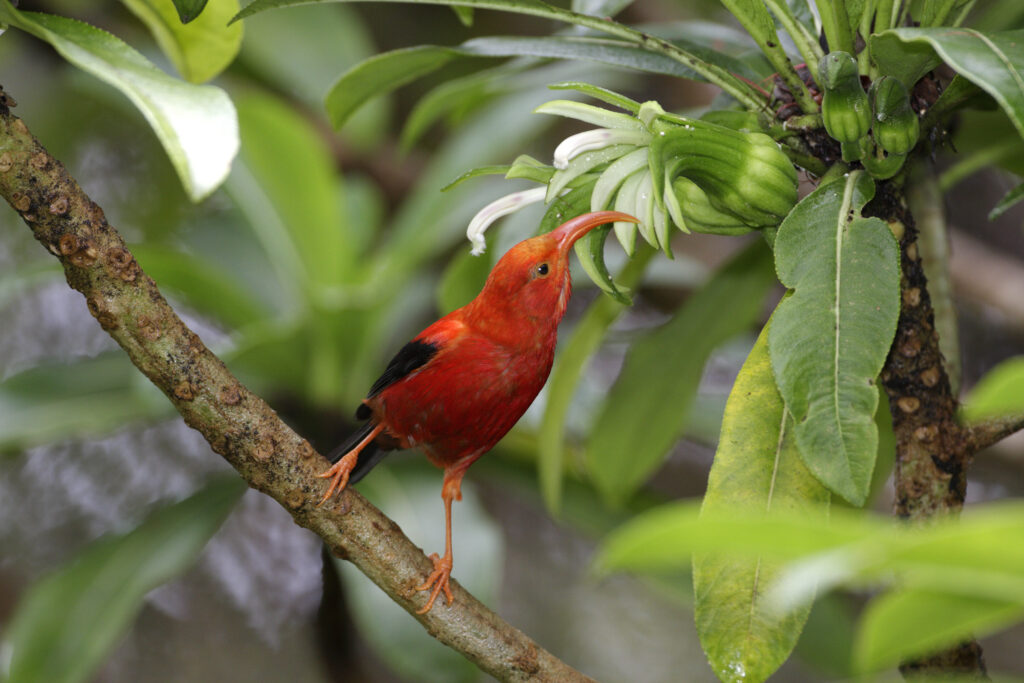
High up in Hawaii’s canopies, honeycreepers are quietly stealing twigs from other birds’ nests. Researchers say that this behavior, known as kleptoparasitism, might hurt birds that are already struggling to survive. “People working in the field have seen this behavior for years, but it’s never been documented at this level,”…High up in Hawaii’s canopies, honeycreepers are quietly stealing twigs from other birds’ nests. Researchers say that this behavior, known as kleptoparasitism, might hurt birds that are already struggling to survive. “People working in the field have seen this behavior for years, but it’s never been documented at this level,” said Erin Rankin, an entomologist at the University of California, Riverside. In a new study published in The American Naturalist , Rankin and her collaborators monitored more than 200 nests belonging to native canopy-nesting birds like the scarlet ‘i‘iwi ( Vestiaria coccinea ), the yellow-green Hawaii amakihi ( Chlorodrepanis virens ) and the crimson apapane ( Himatione sanguinea ). They observed the crimson apapane as the species most likely to steal from their neighbors—as well as the species most likely to be stolen from—reflecting their abundance in the forest. The researchers also documented birds stealing from nests in their general elevation in the forest, which the researchers have called the “height overlap hypothesis.” The majority of the nests had already been abandoned by the time they were plundered. But some, around 10%, were still active. In two out of the 39 cases of nesting material theft, about 5%, the nests ended up failing. “We saw instances where nests failed, either because the nest structure was compromised or because the parents were disturbed and left,” Rankin said. While 5% doesn’t seem significant, Rankin said that these species are already under stress due to emerging threats like climate change and avian malaria. Read more at UC Riverside News.