Eliminating Squirrels In The Attic Boynton Beach Eliminating squirrels in the attic of a Boynton Beach, FL, property requires more than simply forcing the animals outside. AAAC Wildlife Removal Palm Beaches provides detailed inspections, humane squirrel removal, durable exclusion repairs, attic cleanup, and customized prevention solutions for local homes and…Eliminating Squirrels In The Attic Boynton Beach Eliminating squirrels in the attic of a Boynton Beach, FL, property requires more than simply forcing the animals outside. AAAC Wildlife Removal Palm Beaches provides detailed inspections, humane squirrel removal, durable exclusion repairs, attic cleanup, and customized prevention solutions for local homes and businesses. Boynton Beach’s warm climate, mature trees, parks, and established neighborhoods provide squirrels with food, shelter, and convenient access to rooftops. Overhanging branches, utility lines, fences, and nearby structures can help them reach damaged soffits, loose fascia boards, uncovered vents, roof returns, and other small attic openings. Common warning signs include scratching, running, rolling, or chewing noises during the day. Squirrels may tear insulation, gnaw on wood, damage vents, and chew electrical wiring. Property owners may also discover droppings, urine stains, food remains, nesting materials, unpleasant odors, or squirrels repeatedly entering the same roofline gap. Our squirrel removal process may include locating active entry points, identifying nesting areas, checking for dependent young, and selecting a humane removal method. After the animals have been removed, technicians can repair vulnerable openings, clean affected areas, and recommend practical changes that may help keep squirrels from returning. If you need help eliminating squirrels in the attic in Boynton Beach, FL, contact AAAC Wildlife Removal Palm Beaches today. Our experienced team can inspect your property, explain the recommended solution, and help protect your attic from recurring squirrel activity. More on YouTube: https://www.youtube.com/watch?v=evW-fmcS12A On Sound Cloud: AAAC Wildlife Removal - Palm Beaches provides professional squirrel removal services in Boynton Beach, Florida. Contact Us: AAAC Wildlife Removal - Palm Beaches 4440 PGA Blvd Suite 600 Palm Beach Gardens , FL , 33410 561-515-0201 Website: https://palm-beaches.aaacwildliferemoval.com/ Email: palmbeaches@aaacwildliferemoval.com Find us around the web: YouTube: https://www.youtube.com/@aaacwildliferemovalofthepa5785 Facebook: Twitter: SoundCloud: https://soundcloud.com/aaac-wildlife-removal Blogger: WordPress: Tumblr:
Squirrel Removal Boynton Beach Squirrel Removal Boynton Beach, FL provides helpful information for homeowners and businesses experiencing unwanted squirrel activity. This SoundCloud playlist from AAAC Wildlife Removal - Palm Beaches covers common signs of squirrels, the damage they may cause, and the professional methods used to remove them from residential…Squirrel Removal Boynton Beach Squirrel Removal Boynton Beach, FL provides helpful information for homeowners and businesses experiencing unwanted squirrel activity. This SoundCloud playlist from AAAC Wildlife Removal - Palm Beaches covers common signs of squirrels, the damage they may cause, and the professional methods used to remove them from residential and commercial properties. Squirrels may enter attics, walls, garages, and other protected areas while searching for shelter and safe nesting locations. Overhanging branches, utility lines, and fences can help them reach rooftops. Damaged soffits, loose fascia boards, uncovered vents, and small roofline gaps may then give them access to the building. Each track explains important parts of the squirrel removal process, including detailed inspections, humane removal, dependent young checks, entry-point repairs, attic cleanup, and sanitation. AAAC Wildlife Removal - Palm Beaches also provides customized exclusion and prevention strategies designed to reduce the chance of squirrels returning. If you hear scratching or running noises in the attic, notice chewed materials, or see squirrels entering your Boynton Beach property, prompt professional assistance can help prevent additional damage. Listen to this playlist to learn more about Squirrel Removal Boynton Beach, FL, and contact AAAC Wildlife Removal - Palm Beaches for dependable inspection, humane removal, exclusion, repair, cleanup, and prevention services. More on Sound Cloud: https://soundcloud.com/aaac-wildlife-removal/sets/raccoon-removal-boynton-beach On YouTube: https://www.youtube.com/playlist?list=PLJpBaJo4sffw AAAC Wildlife Removal - Palm Beaches provides professional squirrel removal services in Boynton Beach, Florida. Contact Us: AAAC Wildlife Removal - Palm Beaches 4440 PGA Blvd Suite 600 Palm Beach Gardens , FL , 33410 561-515-0201 Website: https://palm-beaches.aaacwildliferemoval.com/ Email: palmbeaches@aaacwildliferemoval.com Find us around the web: YouTube: https://www.youtube.com/@aaacwildliferemovalofthepa5785 Facebook: Twitter: SoundCloud: https://soundcloud.com/aaac-wildlife-removal Blogger: WordPress: Tumblr:
“Chocolate, avocados, onions, and moldy foods are some of the most poisonous items you can leave out for squirrels. Even small amounts of these everyday ingredients can cause serious health issues—or be fatal—for these sensitive rodents.” Squirrels may look harmless scampering across your fence or chasing each other up a…“Chocolate, avocados, onions, and moldy foods are some of the most poisonous items you can leave out for squirrels. Even small amounts of these everyday ingredients can cause serious health issues—or be fatal—for these sensitive rodents.” Squirrels may look harmless scampering across your fence or chasing each other up a tree, but when they show up in your attic or tear through your garden, that charm disappears fast. In leafy neighborhoods where parks are close by and backyard bird feeders are everywhere, it’s no surprise that squirrels are regular visitors—and sometimes uninvited tenants. While many people enjoy watching them or even tossing out food, what you leave behind can actually be dangerous to squirrels—and a bigger headache for you without proper squirrel control . This article isn’t about harming wildlife. It’s about knowing what food is poisonous to squirrels so you don’t accidentally invite them in or make them sick. If you’ve been leaving out scraps, filling feeders, or composting without thinking twice, there’s a good chance you’re creating a squirrel buffet without even realizing it. Let’s break down what to avoid, what to secure, and how to protect both your home and the squirrels from a bad encounter. What Is The Most Dangerous Foods for Squirrels? Chocolate and Caffeinated Products Chocolate is one of the most toxic substances you can accidentally leave out for squirrels or any rodent. It contains theobromine—a stimulant that these small animals can’t metabolize effectively. Just a small amount from a brownie, chocolate almond bar, or sugar-filled candy can trigger tremors, elevated heart rate, or seizures in squirrels. Since they have such fast metabolisms and tiny bodies, the toxic effects hit hard and fast, often with serious consequences. Caffeinated foods and drinks are equally dangerous. Coffee grounds , soda spills, or chocolate-covered espresso beans tossed into a compost pile can be life-threatening if a squirrel gets into them. Where outdoor parties and backyard BBQs are common, it’s easy for sugary or caffeine-rich snacks to end up where rodents roam. To keep squirrels safe and your property clear of unwelcome visitors, make it a habit to clean up thoroughly and store all sweet or stimulant-laced foods securely. Avocados Avocados contain persin, a fungicidal toxin found in the fruit’s skin, pit, and even its leaves. While persin might not harm humans, it can be toxic to many animals, including squirrels. The risk isn’t just in eating an avocado—squirrels that nibble on a discarded peel, chewed seed, or exposed pit can experience digestive issues or worse. What makes this even more concerning is how easily avocado waste can be overlooked, especially in compost bins. If you’re growing avocado trees or preparing guacamole from scratch, this is something to stay mindful of. As urban farming and composting become more popular, the risk of accidentally exposing squirrels to this toxic fruit increases. Make sure avocado scraps are properly sealed or discarded, and if you have a tree, regularly clear fallen fruit from the yard. It’s better to be safe than to unknowingly poison a local animal. Onions, Garlic, and Spicy Foods While these aromatic kitchen staples may keep your chili full of flavor, they spell serious trouble for squirrels. Onions and garlic contain compounds that can damage red blood cells, leading to anemia and other health complications. The danger extends to cooked dishes, too. If a squirrel gets into leftover food seasoned with garlic or onions, even in small amounts, it can suffer lasting effects. In worst cases, repeated exposure can be fatal over time. Spicy foods also pack a punch that squirrels can’t handle. Hot sauce remnants, chili powder, or discarded tacos can cause severe digestive distress. Where spicy dishes are a staple, food waste often ends up in outdoor bins or compost piles. Make sure spicy scraps are stored in critter-proof containers, and avoid tossing seasoned leftovers near your patio or yard. The goal isn’t just to avoid harming squirrels—it’s to stop inviting them altogether. Alcohol and Fermented Fruit Alcohol might seem like an unlikely threat to wildlife, but squirrels are highly sensitive to it. Whether it’s beer spills from a tailgate, wine left out on the porch, or sugary cocktails left on patio tables, these drinks can lead to disorientation, slowed reaction time, and eventually liver failure in squirrels. Their small bodies can’t handle even trace amounts, and it doesn’t take much to put them in serious danger. Another sneaky culprit? Overripe or fermenting fruit, especially in backyards with peach, fig, or persimmon trees. As the fruit falls and begins to break down, it can release natural alcohols that attract squirrels and get them intoxicated. They may stagger, fall from trees, or become easy prey for predators. Regularly clean up fruit from the ground and keep alcoholic beverages secure during outdoor events. Salty Snacks and Chips Salt is another ingredient that can easily disrupt a squirrel’s internal balance. While humans can handle a salty snack during a football game or backyard hangout, squirrels don’t process salt well. Even a few bites of junk food like chips, pretzels, or salted walnut snacks can dehydrate them and overwork their kidneys. These types of treats also contain added sugar and artificial ingredients that offer zero nutritional value for squirrels—making them both harmful and useless from a dietary perspective. Many of these items—especially sugary breakfast cereals or processed snack mixes—are casually dropped or tossed outside without much thought. But to a hungry squirrel, that forgotten bowl of cereal or spilled trail mix is a full meal. Where outdoor events, food trucks, and weekend cookouts are part of the culture, squirrels quickly learn where the good stuff is. Cleaning up sugary crumbs and sealing snack waste tightly are easy steps that help discourage squirrels from turning your yard into their favorite buffet line. Surprising “Healthy” Foods That Still Poisonous To Squirrels Not all squirrel-dangerous foods are obviously harmful. Some look totally natural or even nutritious—but for squirrels, they can cause more harm than good. These foods often show up in gardens, bird feeders, compost piles, or well-meaning attempts to “feed the wildlife.” Here’s what to watch for. Raw Corn (Especially Moldy Corn) Corn might seem harmless—it’s a common ingredient in bird seed, livestock feed, and even human snacks. But when corn starts to mold, it can develop aflatoxins, which are highly toxic to squirrels and many other animals. Aflatoxins are produced by certain types of fungi and can affect liver function, immune systems, and even lead to cancer in wildlife. A squirrel doesn’t have to eat much moldy corn for it to cause serious internal damage. The risk goes up during warm, humid stretches—especially in summer—when moisture speeds up mold growth. Corn that’s left outside for too long, stored improperly in feeders, or tossed into compost piles can quickly become a hidden hazard. If you’re putting out corn in a feeder, store it in a dry place, change it frequently, and never offer anything that smells off or looks discolored. It’s not just about nutrition—it’s about safety. Bread and Processed Carbs Bread might feel like a safe, throwaway snack for critters—but it’s actually a poor and potentially harmful food choice for squirrels. Bread, crackers, and other refined carbs offer little to no nutrition, and they can expand in a squirrel’s stomach, leading to bloating or discomfort. In some cases, processed bread products contain preservatives and additives that are hard for squirrels to digest, weakening their system over time. Squirrels that eat too much bread often end up malnourished despite feeling full. This is especially common in neighborhoods where residents leave out food “just to be nice.” Unfortunately, the kindness backfires. Instead of helping, you may be attracting squirrels that grow dependent on an unhealthy food source—and more likely to take up permanent residence in your attic. If you want to be squirrel-friendly, stick to natural deterrents and avoid the bread basket. Peanuts (Especially Salted or Moldy) Peanuts are a bit of a wildcard. While they’re often seen in squirrel food blends or used to lure wildlife for photos, they aren’t actually nuts—they’re legumes. And when they’re salted, roasted, or worse, moldy, they become a serious risk. Moldy peanuts, like corn, can carry aflatoxins that attack a squirrel’s liver and immune system. Salted peanuts, on the other hand, can cause dehydration and kidney stress. This matters because many people use peanuts to feed birds or squirrels without realizing the risks. In fact, some birdseed mixes from big-box stores still include them. If you’re trying to keep squirrels away from your yard—or avoid poisoning them by accident—skip the peanuts. And if you must use them, go for raw, unsalted, and fresh, and use a squirrel-proof bird feeder so your effort to help one species doesn’t endanger another. Foods That Attract Squirrels (But Shouldn’t) Some foods might not be poisonous, but they’re basically neon signs saying “Free Snacks Here!” for squirrels. These attractants can lead to more frequent visits, nesting, and eventual infestations. If you’re trying to squirrel-proof your yard or keep them from invading your home, these are the items to manage carefully. Bird Seed and Pet Food Bird feeders are one of the top culprits for squirrel problems. Many blends contain sunflower seeds, millet, corn, and peanuts—aka squirrel candy. Once they find a reliable food source, squirrels will return again and again, sometimes destroying the feeder in the process. The same goes for pet food left outside. Dry kibble and wet food alike are high-protein, calorie-dense meals that squirrels will happily devour. Where backyard birdwatching is popular and outdoor pet bowls are commo
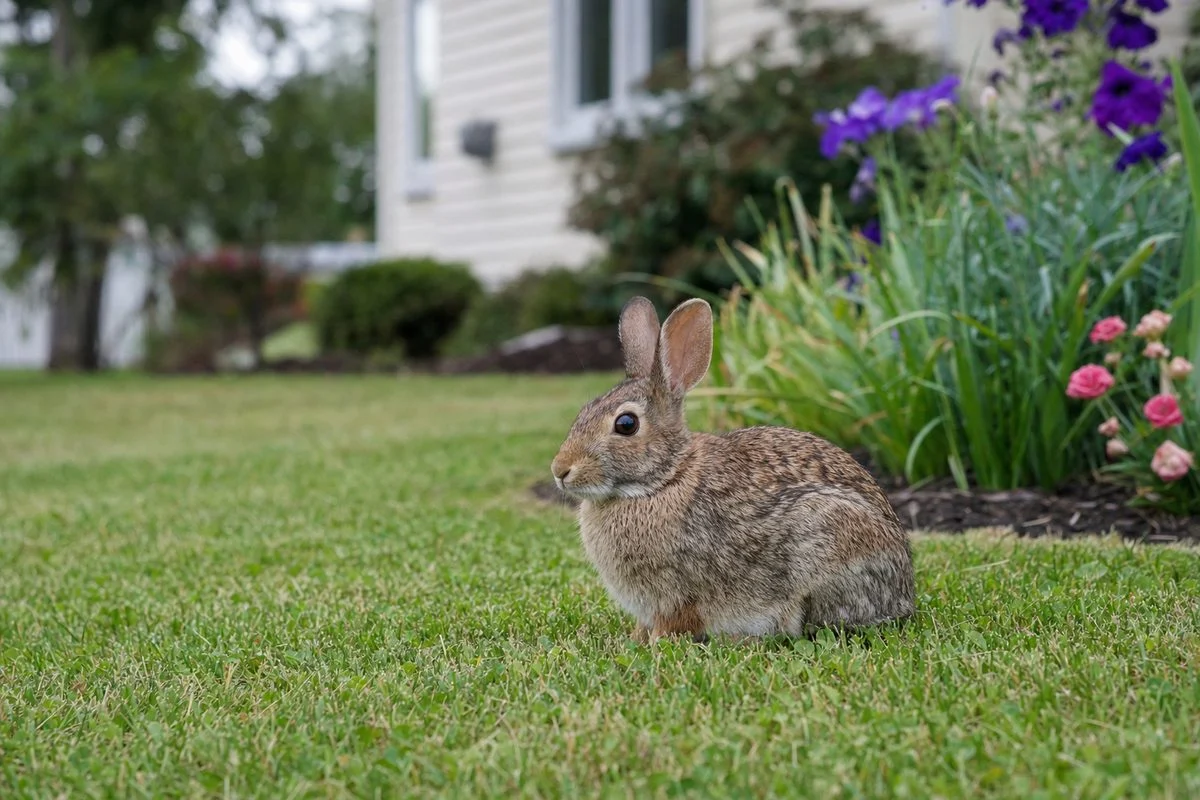
A rabbit staying in your yard usually means it’s found food, shelter, and safety. It may also be nesting nearby or using the area to feed regularly. Rabbits might seem like quiet, harmless guests, but when one keeps hanging around your yard, it’s worth paying attention. What starts as a…A rabbit staying in your yard usually means it’s found food, shelter, and safety. It may also be nesting nearby or using the area to feed regularly. Rabbits might seem like quiet, harmless guests, but when one keeps hanging around your yard, it’s worth paying attention. What starts as a cute sighting can quickly turn into garden damage, hidden nests, or even a rabbit family settling in for the long haul. In this guide, we’ll break down why rabbits choose certain yards, what their behavior means, and how to tell when it’s time to step in, or call a wildlife expert for help. Learn more: What kills rabbits in your yard? What does it mean when a rabbit stays in your yard? If a rabbit keeps returning or settles in your yard, it’s likely found a perfect mix of food, shelter, and safety. Yards with garden beds, tall grass, bushes, or open compost piles are basically rabbit paradise; easy to hide in, easy to eat from, and mostly undisturbed. In some cases, the rabbit may have a nest nearby or be preparing to raise young, especially during spring and summer. Their presence often signals that your property is part of their regular routine or territory, which means they could be sticking around longer than you’d expect. Why do rabbits choose certain yards over others? Rabbits are picky about where they settle, and they’re naturally drawn to yards that feel quiet, lush, and protected. If your yard has tall grass, dense shrubs, woodpiles, or low-traffic areas, it becomes a cozy shelter from predators and harsh weather. They’re also big fans of easily accessible food like vegetable gardens, flowerbeds, birdseed, and even fallen fruit. Add in a water source like a birdbath or dripping hose, and your yard becomes a full-service bunny buffet that’s hard for them to resist. Should you be concerned about a rabbit staying in your yard? At first glance, a rabbit might not seem like a problem; but over time, they can cause real damage. Rabbits love to chew on tender plants, dig around garden beds, and nibble bark off young trees, which can ruin your landscaping and even kill certain plants. There’s also the potential for bigger issues, like attracting predators such as foxes, hawks, or coyotes that follow prey animals into residential areas. Plus, if one rabbit feels comfortable enough to stick around, it may be a sign that more are on the way, especially during breeding season. How can you tell if there’s a rabbit nest nearby? Rabbit nests are often hidden in plain sight and can be easy to miss if you don’t know what to look for. They typically appear as shallow depressions in the ground, lightly covered with grass, leaves, and tufts of fur pulled from the mother rabbit’s belly to insulate her young. You might also notice increased rabbit activity in a specific area, such as repeated visits to the same patch of lawn or garden bed. If you see disturbed mulch, narrow trails in tall grass, or sudden movement from a hiding rabbit, there’s a good chance a nest is nearby. What should you do if a rabbit won’t leave? If a rabbit keeps returning to your yard, the first step is to remove anything that’s making it feel at home. Keep your lawn trimmed, secure your garden with fencing, clean up fallen fruit or birdseed, and remove brush piles or low-lying shrubs where they might hide. Avoid handling or disturbing a rabbit nest directly, especially if babies are present. Instead, use gentle deterrents like motion-activated sprinklers, reflective garden tape, or predator scent granules to make your yard less appealing without harming the animal. When should you call a wildlife removal expert? You should contact a wildlife expert if a rabbit has nested too close to your home, refuses to leave despite deterrents, or is causing noticeable damage. Nests near walkways, patios, or dog runs can create stress for the animal and risk for pets or small children. Professionals can assess the situation, safely relocate the rabbit if necessary, and help you secure your yard to prevent future visits. They’ll also make sure all actions follow local wildlife laws, which often protect rabbits and restrict how they can be handled. How AAAC Wildlife Removal helps with rabbit problems At AAAC Wildlife Removal , we specialize in humane, effective solutions for managing unwanted wildlife, including rabbits that have overstayed their welcome. Our team begins with a full property inspection to identify hiding spots, feeding areas, and signs of nesting, then creates a custom plan tailored to your yard. We use safe relocation practices, secure any entry points or shelter zones, and offer expert advice on long-term prevention. Whether it’s a single rabbit or an entire family, we’ll help restore balance to your outdoor space without harming the animals or your landscape. Stop the Spread Before It Starts Seeing a rabbit lounging in your yard might seem harmless at first, but it’s often a sign that your property has become a hotspot for nesting, feeding, or long-term shelter. Left unchecked, one quiet visitor can lead to plant damage, predator attraction, or even a full-blown rabbit colony. Understanding what draws rabbits in, and how to respond, makes all the difference. With the right mix of prevention and professional help from AAAC Wildlife Removal, you can keep your yard safe, clean, and bunny-free without harming local wildlife. Ready to Reclaim Your Yard from Unwanted Rabbits? If a rabbit has made your yard its new hangout; or worse, its nesting ground, it’s time to call in the pros at AAAC Wildlife Removal. We’ll safely assess the situation, remove the problem, and help you rabbit-proof your property for good. Don’t wait for one bunny to turn into many. Contact AAAC Wildlife Removal today for fast, humane, and effective rabbit control you can trust.
Squirrel Removal From Attic Boynton Beach Squirrel removal from an attic in Boynton Beach, FL, requires more than simply forcing the animals outside. AAAC Wildlife Removal Palm Beaches provides detailed attic inspections, humane squirrel removal, durable exclusion repairs, cleanup services, and customized prevention solutions for local homes and businesses. Boynton…Squirrel Removal From Attic Boynton Beach Squirrel removal from an attic in Boynton Beach, FL, requires more than simply forcing the animals outside. AAAC Wildlife Removal Palm Beaches provides detailed attic inspections, humane squirrel removal, durable exclusion repairs, cleanup services, and customized prevention solutions for local homes and businesses. Boynton Beach’s mature trees and established neighborhoods give squirrels convenient routes to residential and commercial rooftops. Overhanging branches, utility lines, fences, and nearby structures can help them reach damaged soffits, loose fascia boards, uncovered vents, roof returns, and other small openings leading into an attic. Common signs of squirrels in an attic include scratching, running, rolling, or chewing sounds during the day. Property owners may also discover gnaw marks, damaged vents, torn insulation, droppings, urine stains, food remains, nesting debris, unpleasant odors, or squirrels repeatedly using the same roof opening. Our squirrel removal process may include locating active entry points, identifying nesting areas, checking for dependent young, and selecting a humane removal method for the situation. After the squirrels have been removed, technicians can seal vulnerable openings, clean affected areas, and recommend changes that may reduce future squirrel activity. If you need squirrel removal from an attic in Boynton Beach, FL, contact AAAC Wildlife Removal Palm Beaches today. Our experienced team can inspect your attic, explain the recommended solution, and help protect your property from recurring squirrel problems. More on YouTube: https://www.youtube.com/watch?v=22tS9vRCJQ8 On Sound Cloud: AAAC Wildlife Removal - Palm Beaches provides professional squirrel removal services in Boynton Beach, Florida. Contact Us: AAAC Wildlife Removal - Palm Beaches 4440 PGA Blvd Suite 600 Palm Beach Gardens , FL , 33410 561-515-0201 Website: https://palm-beaches.aaacwildliferemoval.com/ Email: palmbeaches@aaacwildliferemoval.com Find us around the web: YouTube: https://www.youtube.com/@aaacwildliferemovalofthepa5785 Facebook: Twitter: SoundCloud: https://soundcloud.com/aaac-wildlife-removal Blogger: WordPress: Tumblr:
United States Department of Agriculture: Animal and Plant Health Inspection Service United States Department of Agriculture Wildlife Services: Staff Publications Accessibility Remediation If you are unable to use this item in its current form due to accessibility barriers, you may request remediation through our remediation request form . Jonathan Q.…United States Department of Agriculture: Animal and Plant Health Inspection Service United States Department of Agriculture Wildlife Services: Staff Publications Accessibility Remediation If you are unable to use this item in its current form due to accessibility barriers, you may request remediation through our remediation request form . Jonathan Q. Richmond , US Geological Survey, Western Region Ecological Center Tim Harvey-Samuel , School of Life Sciences, Keele University, Staffordshire, United Kingdom Melia G. Nafus , U.S. Geological Survey Adam Perez , US Geological Survey Renee Bellinger , US Geological Survey Antoinette J. Piaggio , USDA National Wildlife Research Center Riley Taitingfong , Udall Center's Native Nations Institute at the University of Arizona Margaret E. Hunter , US Geological Survey Robert N. Fisher , US Geological Survey ORCID IDs Jonathan Richmond - 0000-0001-9398-4894 Tim Harvey-Samuel - 0000-0003-4006-7034 Melia Nafus - 0000-0002-7325-3055 Adam Perez - 0000-0001-5057-1133 M Renee Bellinger - 0000-0001-5274-9572 Antoinette Piaggio - 0000-0002-4701-0746 Riley Taitingfong - 0000-0003-0981-4783 Margaret Hunter - 0000-0002-4760-9302 Robert Fisher - 0000-0002-2956-3240 Document Type Report Date of this Version 9-2026 Citation Citation: Richmond, J. Q., T. Harvey-Samuel, M. G. Nafus, A. Perez, R. Bellinger, A. Piaggio, R. Taitingfong, M. E. Hunter, and R. N. Fisher. 2026. An evaluation of next-generation biological control methods for the invasive brown treesnake in the Mariana Islands—2026 Final Report. Hawai‘i Cooperative Studies Unit Technical Report HCSU-120. University of Hawai‘i at Hilo. 54 pages. https://hdl.handle.net/10790/5403 DOWNLOADS Since October 30, 2026 Included in Natural Resources and Conservation Commons , Natural Resources Management and Policy Commons , Other Environmental Sciences Commons , Other Veterinary Medicine Commons , Population Biology Commons , Terrestrial and Aquatic Ecology Commons , Veterinary Infectious Diseases Commons , Veterinary Microbiology and Immunobiology Commons , Veterinary Preventive Medicine, Epidemiology, and Public Health Commons , Zoology Commons COinS
Removal Of Squirrels In Attic Boynton Beach The removal of squirrels in an attic in Boynton Beach, FL, requires a careful approach that addresses the animals, their nesting areas, and the openings they use to enter the property. AAAC Wildlife Removal Palm Beaches provides detailed attic inspections, humane squirrel removal,…Removal Of Squirrels In Attic Boynton Beach The removal of squirrels in an attic in Boynton Beach, FL, requires a careful approach that addresses the animals, their nesting areas, and the openings they use to enter the property. AAAC Wildlife Removal Palm Beaches provides detailed attic inspections, humane squirrel removal, exclusion repairs, cleanup services, and customized prevention solutions for local homes and businesses. Boynton Beach’s warm climate, mature trees, parks, and established neighborhoods provide squirrels with reliable food, shelter, and convenient routes to rooftops. Overhanging branches, utility lines, fences, and nearby structures may help squirrels reach damaged soffits, loose fascia boards, uncovered vents, roof returns, and other small attic openings. Common signs of squirrels in an attic include scratching, running, rolling, or chewing sounds during the day. Property owners may also notice gnaw marks, damaged vents, torn insulation, droppings, urine stains, nesting materials, food remains, unpleasant odors, or squirrels repeatedly entering the same roofline gap. Our squirrel removal process may include identifying active entry points, locating nesting areas, checking for dependent young, and selecting an appropriate humane removal method. Once the squirrels have been removed, technicians can secure vulnerable openings, clean affected areas, and recommend practical changes that may reduce future activity. If you need help with the removal of squirrels in an attic in Boynton Beach, FL, contact AAAC Wildlife Removal Palm Beaches today. Our experienced team can inspect your property, explain the recommended solution, and help prevent squirrels from returning. More on YouTube: https://www.youtube.com/watch?v=wgoja85Cssk On Sound Cloud: AAAC Wildlife Removal - Palm Beaches provides professional squirrel removal services in Boynton Beach, Florida. Contact Us: AAAC Wildlife Removal - Palm Beaches 4440 PGA Blvd Suite 600 Palm Beach Gardens , FL , 33410 561-515-0201 Website: https://palm-beaches.aaacwildliferemoval.com/ Email: palmbeaches@aaacwildliferemoval.com Find us around the web: YouTube: https://www.youtube.com/@aaacwildliferemovalofthepa5785 Facebook: Twitter: SoundCloud: https://soundcloud.com/aaac-wildlife-removal Blogger: WordPress: Tumblr:
Author affiliation: Instituto Politécnico Nacional, Mexico City, Mexico (E. Vázquez-Guerrero, G. Paniagua-Campos, P. Estrada-de los Santos, J.A. Ibarra); Baylor College of Medicine, Houston, Texas, USA (A.R. Kneubehl, J.E. Lopez) Ornithodoros turicata ticks were originally described in Mexico by Alfredo Dugès at the end of the 19th Century. In 1936, it…Author affiliation: Instituto Politécnico Nacional, Mexico City, Mexico (E. Vázquez-Guerrero, G. Paniagua-Campos, P. Estrada-de los Santos, J.A. Ibarra); Baylor College of Medicine, Houston, Texas, USA (A.R. Kneubehl, J.E. Lopez) Ornithodoros turicata ticks were originally described in Mexico by Alfredo Dugès at the end of the 19th Century. In 1936, it was implicated as the vector of tick-borne relapsing fever (TBRF) when febrile patients were first described in the city of Aguascalientes, in central Mexico ( 1 ). Borrelia turicatae is the species of TBRF spirochete transmitted by O. turicata , an argasid tick has been found in multiple regions of the United States and Mexico ( 2 , 3 ). We isolated B. turicatae from O. turicata ticks captured in the northern state of Sinaloa and used the diagnostic recombinant glycerophosphodiester phosphodiesterase (rGlpQ) antigen to detect circulating antibodies in clinical patients ( 4 , 5 ). Those findings indicated that B. turicatae and its vector are endemic in regions of Mexico, with spillover into human populations. However, TBRF in Mexico and in many other regions worldwide is a neglected disease that is often misdiagnosed because its symptoms are frequently confused with those of other diseases, such as malaria and brucellosis ( 4 ). Figure 1 Figure 1 . Locations of collection sites in study of Borrelia turicatae in ticks from animals in a public park, Aguascalientes, Mexico. A) Location of the state of Aguascalientes (black shading) in... We obtained 5 isolates of B. turicatae from O. turicata ticks collected at La Pona Park in Aguascalientes, Mexico, in January and April 2023 ( Figure 1 ). We examined tick specimens morphologically and molecularly by taxonomically analyzing a fragment of the mitochondrial genome, as described ( 6 ). Using a mouse model (either C57BL/6 or DBA/2J) ( 5 ), we evaluated the ticks by feeding them on the animals and assessing murine infection. We performed bacterial isolation as previously described by culturing blood samples from mice with spirochetemia in liquid, modified, and supplemented Barbour-Stoenner-Kelly II media supplemented with 10 µg/mL rifampin, 4 µg/mL phosphomycin, and 0.5 µg/mL amphotericin B ( 5 ). We amplified the 16S rRNA genes from each isolate by PCR, then sequenced and taxonomically analyzed them to confirm that all 5 isolates were B. turicatae ; we named the isolates AGU1–AGU5. Of the 5 isolates, we sequenced genomic DNA from isolates AGU1–4 using NovaSeq X (Illumina, https://www.illumina.com ); we used MinION for AGU1–3 and PromethION P2 Solo for AGU4 (Oxford Nanopore Technologies, https://nanoporetech.com ). We base-called nanopore sequencing data using Dorado version 7.4.12 with the version 4.3.0 ( https://github.com/nanoporetech/dorado ) super-accurate base-calling model. We generated Illumina data using the Illumina DNA library prep kit 2 × 150 bp. We assembled chromosome-resolved and plasmid-resolved genome assemblies from Oxford Nanopore and Illumina data as previously described ( 7 ), with some modifications. We inferred a maximum-likelihood species tree as previously described; the tree demonstrated that AGU1–AGU4 clustered with B. turicatae 91E135, BTE5EL, and BTCAM1 strains ( Appendix Figure). Both 91E135 and BTE5EL originated in Texas, USA, whereas BTCAM1 originated in Sinaloa, Mexico. AGU1–AGU5 are the southernmost B. turicatae isolates identified as of April 2026. Figure 2 Figure 2 . Immunoblot results assessing antibody responses in study of Borrelia turicatae in ticks from animals in a public park, Aguascalientes, Mexico. Images show responses in opossums and a feral cat... As part of our investigation, we captured wild fauna in La Pona public park to determine whether local animals were exposed to Borrelia spp. We collected blood samples in accordance with animal welfare guidelines ( 8 ). We captured 5 opossums ( Didelphis virginiana ), 1 deer mouse ( Peromyscus sp.), and 1 feral cat ( Felis silvestris catus ) and tested serum samples by immunoblotting to detect antibodies against B. turicatae protein lysates, rGlpQ, and rBipA, as described previously ( 4 , 5 ). Results showed that the opossum and cat serum samples were reactive with B. turicatae protein lysates rGlpQ, and rBipA ( Figure 2 ). None of the opossum samples were negative for the immunoblotting test, which might be a limitation of our study; however, opossum and cat serum samples from other states tested negative. Our results suggest that B. turicatae circulates in a tick–opossum–feral cat infectious cycle. Our findings support efforts to understand the mechanisms maintaining B. turicatae in nature, the distribution of infected O. turicata ticks, and the public health impact. Although we identified endemic foci of infected ticks, we did not determine the prevalence of B. turicatae in these populations. Understanding prevalence is relevant to public health because B. turicatae can be vertically transmitted from female ticks to their offspring at rates as high as 40% ( 9 ). Public parks and human dwellings have been shown to be a source for infected soft ticks in the southern United States and likely in human infections ( 10 ), but that relationship has been scarcely studied in Mexico. Given that unhoused and underserved persons reside in La Pona public park, they are at risk for exposure to O. turicata ticks and infection with B. turicatae . Our future work will focus on defining the tick–vertebrate infectious cycle of B. turicatae and assessing its effect on human populations living in or around La Pona Park. Clinicians should be aware of this potential zoonotic risk to humans in the area. Dr. Vázquez-Guerrero is a physician, pediatrician, and infectious disease specialist in Mexico. His areas of interest include vectorborne infectious diseases and microbiology . Top We thank the authorities of the Aguascalientes city municipality for permission to collect ticks and capture animals in La Pona. We also thank our research groups at Laboratorio de Genética Microbiana and Baylor University. The animal protocol followed in this study was approved by our Research Ethics Committee at ENCB Instituto Politécnico Nacional (no. ZOO-001-2022e1). Capture of wild fauna was approved by Secretaría de Medio Ambiente y Recursos Naturales, Government of Mexico (no. SGPA/DGVS/0564/21). Borrelia turicatae sequencing data and genome assemblies were submitted to GenBank associated with BioProject PRJNA1338334. Secretaría de Investigación y Posgrado IPN provided financial support for this study (project nos. 20250266, 20253924, and 20260917). Dugès A. Turicata of Guanajuato. Artículo en el periódico “El Repertorio” de Guanajuato. 1876 ;Sect. 11–12. Donaldson TG , Pèrez de León AA , Li AY , Castro-Arellano I , Wozniak E , Boyle WK , et al. Assessment of the geographic distribution of Ornithodoros turicata (Argasidae): climate variation and host diversity. PLoS Negl Trop Dis . 2016 ; 10 : e0004383 . DOI PubMed Google Scholar Guzmán-Cornejo C , Herrera-Mares A , Robbins RG , Rebollo-Hernández A . The soft ticks (Parasitiformes: Ixodida: Argasidae ) of Mexico: species, hosts, and geographical distribution. Zootaxa . 2019 ; 4623 : 3 . DOI PubMed Google Scholar Vázquez-Guerrero E , Gordillo-Pérez G , Ríos-Sarabia N , Lopez JE , Ibarra JA . Case report: exposure to relapsing fever group borreliae in patients with undifferentiated febrile illness in Mexico. Am J Trop Med Hyg . 2023 ; 108 : 510 – 2 . DOI PubMed Google Scholar Vázquez-Guerrero E , Kneubehl AR , Pellegrini-Hernández P , González-Quiroz JL , Domínguez-López ML , Krishnavajhala A , et al. Borrelia turicatae from ticks in peridomestic setting, Camayeca, Mexico. Emerg Infect Dis . 2024 ; 30 : 380 – 3 . DOI PubMed Google Scholar Vázquez-Guerrero E , González-Quiroz JL , Domínguez-López ML , Kneubehl AR , Krishnavajhala A , Curtis MW , et al. New records of Ornithodoros turicata (Ixodida: Argasidae) in rural and urban sites in the Mexican states of Aguascalientes and Zacatecas indicate the potential for tick-borne relapsing fever. Exp Appl Acarol . 2023 ; 91 : 99 – 110 . DOI PubMed Google Scholar Kneubehl AR , Krishnavajhala A , Leal SM , Replogle AJ , Kingry LC , Bermúdez SE , et al. Comparative genomics of the Western Hemisphere soft tick-borne relapsing fever borreliae highlights extensive plasmid diversity. BMC Genomics . 2022 ; 23 : 410 . DOI PubMed Google Scholar Sikes RS ; Animal Care and Use Committee of the American Society of Mammalogists . 2016 Guidelines of the American Society of Mammalogists for the use of wild mammals in research and education. J Mammal . 2016 ; 97 : 663 – 88 . DOI PubMed Google Scholar Filatov S , Krishnavajhala A , Lopez JE . Autogenous reproduction by Ornithodoros turicata (Ixodida: Argasidae) females and vertical transmission of the tick-borne pathogen Borrelia turicatae (Spirochaetales: Borreliaceae ). Appl Environ Microbiol . 2023 ; 89 : e0103223 . DOI PubMed Google Scholar Bissett JD , Ledet S , Krishnavajhala A , Armstrong BA , Klioueva A , Sexton C , et al. Detection of tickborne relapsing fever spirochete, Austin, Texas, USA. Emerg Infect Dis . 2018 ; 24 : 2003 – 9 . DOI PubMed Google Scholar 1 These authors contributed equally to this article. The conclusions, findings, and opinions expressed by authors contributing to this journal do not necessarily reflect the official position of the U.S. Department of Health and Human Services, the Public Health Service, the Centers for Disease Control and Prevention, or the authors' affiliated institutions. Use of trade names is for identification only and does not imply endorsement by any of the groups named above.
Squirrel Abatement Attic Boynton Beach Squirrel abatement for an attic in Boynton Beach, FL, involves removing the animals and correcting the conditions that allowed them to enter. AAAC Wildlife Removal Palm Beaches provides detailed attic inspections, humane squirrel removal, exclusion repairs, cleanup services, and customized prevention solutions for local homes…Squirrel Abatement Attic Boynton Beach Squirrel abatement for an attic in Boynton Beach, FL, involves removing the animals and correcting the conditions that allowed them to enter. AAAC Wildlife Removal Palm Beaches provides detailed attic inspections, humane squirrel removal, exclusion repairs, cleanup services, and customized prevention solutions for local homes and businesses. Boynton Beach’s warm climate, mature trees, parks, and established neighborhoods provide squirrels with food, shelter, and easy access to rooftops. Overhanging branches, utility lines, fences, and nearby structures can help squirrels reach damaged soffits, loose fascia boards, uncovered vents, roof returns, and other small attic openings. Squirrels in an attic may create scratching, running, rolling, or chewing sounds during the day. They can tear insulation, gnaw on wood, damage vents, and chew electrical wiring. Droppings, urine, food remains, nesting materials, and unpleasant odors may also accumulate inside the affected area. Our squirrel abatement process may include locating active entry points, identifying nesting areas, checking for dependent young, and selecting an appropriate humane removal method. After the squirrels are gone, technicians can secure vulnerable openings, clean contaminated areas, and recommend practical measures to reduce future activity. If you need squirrel abatement for an attic in Boynton Beach, FL, contact AAAC Wildlife Removal Palm Beaches today. Our experienced team can inspect your property, develop a customized solution, and help protect your attic from recurring squirrel problems. More on YouTube: https://www.youtube.com/watch?v=ATwJSMvH-wQ On Sound Cloud: AAAC Wildlife Removal - Palm Beaches provides professional squirrel removal services in Boynton Beach, Florida. Contact Us: AAAC Wildlife Removal - Palm Beaches 4440 PGA Blvd Suite 600 Palm Beach Gardens , FL , 33410 561-515-0201 Website: https://palm-beaches.aaacwildliferemoval.com/ Email: palmbeaches@aaacwildliferemoval.com Find us around the web: YouTube: https://www.youtube.com/@aaacwildliferemovalofthepa5785 Facebook: Twitter: SoundCloud: https://soundcloud.com/aaac-wildlife-removal Blogger: WordPress: Tumblr:
Trichinellosis Outbreak Linked to Undercooked Bear Jerky, North Carolina, USA, 2024 Author affiliation: North Carolina Department of Health and Human Services, Raleigh, North Carolina, USA (C.D. Gowler, N. Lee, T. Morrison, M. D’Angelo, C. Williams, E. Wilson); Centers for Disease Control and Prevention, Atlanta, Georgia, USA (C.D. Gowler, S.G.H. Sapp,…Trichinellosis Outbreak Linked to Undercooked Bear Jerky, North Carolina, USA, 2024 Author affiliation: North Carolina Department of Health and Human Services, Raleigh, North Carolina, USA (C.D. Gowler, N. Lee, T. Morrison, M. D’Angelo, C. Williams, E. Wilson); Centers for Disease Control and Prevention, Atlanta, Georgia, USA (C.D. Gowler, S.G.H. Sapp, M. Neja, B.A. Watson, S.P. Montgomery, A. Straily); Graham County Department of Public Health, Robbinsville, North Carolina, USA (M. Phillips) Cite This Article Citation for Media Introduction Medscape CME ACTIVITY In support of improving patient care, this activity has been planned and implemented by Medscape, LLC and Emerging Infectious Diseases. Medscape, LLC is jointly accredited with commendation by the Accreditation Council for Continuing Medical Education (ACCME), the Accreditation Council for Pharmacy Education (ACPE), and the American Nurses Credentialing Center (ANCC), to provide continuing education for the healthcare team. Medscape, LLC designates this Journal-based CME activity for a maximum of 1.00 AMA PRA Category 1 Credit(s) ™ . Physicians should claim only the credit commensurate with the extent of their participation in the activity. Successful completion of this CME activity, which includes participation in the evaluation component, enables the participant to earn up to 1.0 MOC points in the American Board of Internal Medicine's (ABIM) Maintenance of Certification (MOC) program. Participants will earn MOC points equivalent to the amount of CME credits claimed for the activity. It is the CME activity provider's responsibility to submit participant completion information to ACCME for the purpose of granting ABIM MOC credit. All other clinicians completing this activity will be issued a certificate of participation. To participate in this journal CME activity: (1) review the learning objectives and author disclosures; (2) study the education content; (3) take the post-test with a 75% minimum passing score and complete the evaluation at https://www.medscape.org/journal/eid ; and (4) view/print certificate. NOTE: It is the policy of Medscape Education to avoid the mention of brand names or specific manufacturers in accredited educational activities. However, trade and manufacturer names in this activity are provided in an effort to provide clarity. The use of brand or manufacturer names should not be viewed as an endorsement by Medscape of any specific product or manufacturer. Release date: June 24, 2026; Expiration date: June 24, 2027 Learning Objectives Upon completion of this activity, participants will be able to: Assess the epidemiology and parasitology of trichinellosis Distinguish the diagnostic criteria for trichinellosis Identify the attack rate of Trichinella spiralis after exposure in the current study CME Editor Bryce Simons, MPH, Technical Writer/Editor, Emerging Infectious Diseases. Disclosure: Bryce Simons, MPH, has no relevant financial relationships. CME Author Charles P. Vega, MD, Health Sciences Clinical Professor of Family Medicine, University of California, Irvine School of Medicine, Irvine, California, USA. Charles P. Vega, MD, has the following relevant financial relationships: consultant or advisor for Boehringer Ingelheim; Exact Sciences; GlaxoSmithKline. Authors Camden D. Gowler, PhD; Nicole Lee, MPH; Meghan Phillips, BSN, RN; Sarah G. H. Sapp, PhD; Tammra Morrison, BSN, RN, NCCPHN; Melanie D’Angelo, MPH; Margaret A. Neja, BS; Billy A. Watson, PhD; Susan P. Montgomery, DVM, MPH; Anne Straily, DVM, MPH; Carl J. Williams, DVM; Erica Wilson, MD. Top Abstract Trichinella spp. nematodes are parasites that can cause trichinellosis in humans after consumption of infected, undercooked meat. A November 2024 trichinellosis outbreak in western North Carolina, USA, resulted in 3 cases (2 probable, 1 confirmed), all linked to undercooked bear jerky. In total, 6 persons consumed the implicated meat (attack rate 50%). Molecular testing identified Trichinella spiralis in leftover meat from the same bear. This outbreak provides evidence of changing trichinellosis patterns. Low-cost safety measures and prevention efforts regarding safe wild game preparation are needed to avoid future outbreaks. Trichinella spp. are parasitic nematodes that can cause trichinellosis (also called trichinosis) when humans consume infected, undercooked meat. Trichinellosis is a reportable disease in North Carolina, USA. Only 3 cases were reported during 1991–2022, and no outbreaks were reported during the same period. Historical reports suggest very low incidence locally ( 1 , 2 ). In November 2023, a probable trichinellosis outbreak was reported, and undercooked bear meat was the likely source ( 3 ). A year later, in November 2024, a public health investigation was initiated when a clinician reported a hospitalized patient with suspected trichinellosis. This patient had shared wild bear meat with 5 other persons in the form of jerky (desiccated meat). The Graham County Health Department and North Carolina Division of Public Health (NCDPH) investigated to characterize cases and provide public health guidance to prevent further illness. The week after the November 2024 report, public health officials identified and interviewed 6 persons who consumed the bear jerky. We used the 2014 case definition from the Council for State and Territorial Epidemiologists ( 4 ) for case classification. We defined probable cases as the presence of clinically compatible symptoms in a person who shared an epidemiologically implicated meal or ate a meat product in which the parasite was found. We defined confirmed cases as the presence of clinically compatible symptoms with a positive laboratory test such as Trichinella antibody screening. Clinically compatible signs and symptoms included fever, myalgia, periorbital edema, and eosinophilia. This activity was reviewed by the Centers for Disease Control and Prevention (CDC), was deemed not research, and was conducted consistent with applicable federal law and CDC policy. The bear was hunted in Graham County in western North Carolina at the start of bear season (October). Approximately half the meat was frozen as various cuts and half was prepared as jerky without prior freezing. Because the process involved only marination and dehydration, the jerky preparation likely did not reach the suggested > 165°F ( > 74°C) internal temperature necessary to kill Trichinella spp. parasites. At the time of notification, purportedly no jerky remained, but 4 remaining frozen meat pieces were sent for testing at the CDC’s Division of Parasitic Diseases and Malaria, National Center for Emerging and Zoonotic Infectious Diseases. The implicated bear jerky was shared among 6 persons. Trichinellosis symptoms developed in 3 persons, including 1 who was hospitalized with severe symptoms characteristic of trichinellosis: periorbital edema, eosinophilia, and muscle weakness. The patient’s physician had read of an outbreak of trichinellosis in western North Carolina reported in Morbidity and Mortality Weekly Report ( 3 ) and informed NCDPH. Public health officials advised those involved to cease further jerky consumption. State wildlife officials emailed a notice to a listserv of registered hunters about proper handling and cooking of bear meat. The overall attack rate was 50% (n = 3), including probable cases in persons who ate the implicated meal and reported symptoms ( Table 1 ). For confirmed cases only, the attack rate was 16% (n = 1). Median incubation period for symptomatic cases was 33 (range 27−40) days. The hospitalized patient was tested for Trichinella IgG twice. The first results were negative (collected 12 days after symptom development), but convalescent serum results (collected 31 days after symptom development) were positive ( Table 2 ). Public health officials advised the remaining symptomatic persons of the value of testing, including convalescent testing, because of potential early false negatives. However, because they did not have health insurance, both were discouraged by the high cost (>$200) of testing. All symptomatic persons were treated with albendazole and recovered ( Table 1 ). CDC’s Division of Parasitic Diseases and Malaria tested 4 bear meat specimens. The meat was frozen at an unknown temperature for >57 days. Testing found encapsulated Trichinella spp. larvae in all 4 specimens; the parasite loads ranged from 18.6 to 47.9 larvae/g ( Figure ; Table 3 ). Two specimens contained a few larvae with very slight motility. Molecular testing using real-time PCR targeting the encapsulated North American Trichinella spp. identified the larvae as T. spiralis nematodes ( Table 3 ). We describe a trichinellosis outbreak in western North Carolina, providing additional evidence of changing trichinellosis patterns. Trichinellosis was rarely reported in North Carolina until 2023, when a probable outbreak of trichinellosis resulted in 10 symptomatic cases ( 3 ). However, the causative Trichinella species could not be determined. In the outbreak described in this article, T. spiralis nematodes were identified from leftover meat. This finding was somewhat unexpected because T. spiralis infection is rarely reported from bear meat, compared with rates for other Trichinella spp.( 6 ). Wildlife disease surveillance is needed to update our knowledge of Trichinella prevalence, host affinities, and associated public health risks. The outbreak we report also underscores the need for prevention to avoid painful, debilitating infections. Despite the risk for severe disease from trichinellosis, including persistent myalgia or even death, persons preparing wild game and other potentially affected meats for consumption still neglect to follow the recommended cooking measures. Furthermore, provider awareness of trichinellosis can help enable appropriate treatment and guide public health action. Treatment of trichinellosis is typically with albendaz
Author affiliation: Texas A&M Veterinary Medical Diagnostic Laboratory, College Station, Texas, USA (S.M. Storms); University of Illinois College of Veterinary Medicine, Urbana, Illinois, USA (S.M. Storms, M. Vieson, L. Wang); Greenville Veterinary Clinic, Ltd, Greenville, Illinois, USA (J. Rathmann, L. Hemker) The current panzootic of highly pathogenic avian influenza (HPAI)…Author affiliation: Texas A&M Veterinary Medical Diagnostic Laboratory, College Station, Texas, USA (S.M. Storms); University of Illinois College of Veterinary Medicine, Urbana, Illinois, USA (S.M. Storms, M. Vieson, L. Wang); Greenville Veterinary Clinic, Ltd, Greenville, Illinois, USA (J. Rathmann, L. Hemker) The current panzootic of highly pathogenic avian influenza (HPAI) A(H5N1) clade 2.3.4.4b virus emerged in Europe in 2020 and by 2022 had spread throughout Europe, Africa, and North America ( 1 – 4 ). Trans-Atlantic introduction into North America was first documented in December 2021 and has since persisted in wild and domestic birds, has been detected in dairy cattle, and has been reported sporadically in other mammals ( 5 ). Waterfowl have played an equal role to seabirds in virus spread, which is concerning given their higher likelihood of overlapping ranges with poultry farms ( 2 , 6 ). We describe an HPAI H5N1 outbreak in a backyard poultry flock in Illinois, USA, with subsequent spillover into domestic and wild mammals on the premises. On March 12, 2025, a farmer in southern Illinois with a small backyard poultry flock brought remains of 6 animals to their primary veterinarian for a necropsy workup after acute illness and near-complete mortality (100/105 birds) of the flock. The farm, ≈2 miles from a 25,000-acre reservoir lake within the Mississippi Flyway, housed 4 turkeys ( Meleagris gallopavo ), 1 goose ( Anser sp.), 20 Guinea fowl ( Numida spp.), 80 chickens ( Gallus gallus domesticus ), 17 cattle, 15 cats, and 2 dogs. Because HPAI virus (HPAIV) was suspected, the 6 animals, a chicken, a turkey, a goose, 2 Guinea fowl, and a rat ( Rattus norvegicus ), were sent to the University of Missouri Veterinary Medical Diagnostic Laboratory (VMDL; Columbia, MO, USA) for postmortem examination. VMDL collected and evaluated fresh and formalin-fixed tissues and performed influenza A virus (IAV) quantitative reverse transcription PCR (qRT-PCR) on 1 chicken sample, according to guidelines from the US Department of Agriculture (USDA) National Animal Health Laboratory Network (NAHLN; https://www.aphis.usda.gov/labs/nahln ). The sample tested presumptive positive per NAHLN guidelines, and VMDL subtyped it as H5 influenza. VMDL then forwarded the sample to the National Veterinary Services Laboratories (NVSL; Ames, IA, USA) for confirmatory testing, which verified HPAIV H5N1 clade 2.3.4.4b virus. Further PCR testing of the avian species for Mycoplasma gallisepticum , M. synoviae , and avian paramyxovirus were all negative. The necropsy findings reported hepatitis, pulmonary hemorrhage, and pulmonary edema in the poultry species and bronchopneumonia and meningoencephalitis in the rat. No additional testing was performed on the rat or other bird species. Upon report of HPAIV on the farm, state and federal agencies were notified. The Illinois Department of Agriculture and USDA quarantined the farm and monitored it for 4 months. On March 16, 2025, the primary veterinarian collected the remains of a 13-year-old domestic shorthaired cat and a second feral rat from the farm. In conjunction with Illinois Department of Agriculture and USDA, the cat and rat specimens were sent to the University of Illinois Veterinary Diagnostic Laboratory (VDL; Urbana, IL, USA) on March 19. VDL performed gross necropsy and collected fresh and formalin-fixed tissues. VDL screened lung tissues from the cat and rat for IAV by qRT-PCR, following NAHLN guidelines. The cat lung tested presumptive positive (cycle threshold [Ct] value 21.2), subtyped as H5; NVSL confirmed H5N1 clade 2.3.4.4b virus. The rat lung tissue was negative upon initial screening, but NVSL conducted follow-up testing on tracheal swab samples, which were H5N1-positive. Figure 1 Figure 1 . Quantitative reverse transcription PCR results from HPAIV A(H5N1) in cat and rats during outbreak in backyard poultry, United States, 2025. Specimens obtained from a cat (A) and a rat (B)... In addition, we performed follow-up IAV qRT-PCR testing on 12 tissue samples from the cat and 15 tissue samples from the rat and considered Ct values < 45 IAV-positive. All 12 cat tissue samples were IAV-positive (Ct values 10.9–31.1), and 11/15 rat tissues were IAV-positive (Ct 17.1–39.4) ( Figure 1 ). Brain tissues of both animals had the highest viral loads (cat Ct 10.9; rat Ct 17.1). Of note, tracheal and nasal swab samples from both animals were IAV-positive (Ct range 22.1–29.5). A second lung sample from the rat returned a Ct of 39.4. Kidney tissues from both species were IAV-positive (cat Ct 20.9; rat Ct 34.6), and urine from the rat also tested IAV-positive (Ct 32.0). Nucleic acid in feces from the cat had a Ct value of 28.6, but no nucleic acid was detected in rat feces. Figure 2 Figure 2 . Phylogenetic tree of hemagglutinin gene sequences from highly pathogenic avian influenza A(H5N1) virus in cat and rats during outbreak in backyard poultry, United States, 2025. The cat, rat, and chicken... We performed whole-genome sequencing on 3 samples from the cat (brain, heart, and nasal swab) and 1 brain sample from the rat by using an amplicon-based enrichment protocol and sequencing on a MiSeq platform (Illumina, https://www.illumina.com ). We used the Galaxy platform ( 7 ) for sequence assembly. All samples returned complete sequences for 8 segments (GenBank accession nos. PX687012–27) ( Appendix Table). In addition, we included sequence data of the HPAIV H5N1 strain 25-009367-001 (GenBank accession nos. PV616546–53) from the chicken sample submitted by VMDL to NVSL in the analysis. Phylogenetic tree analysis revealed that the chicken, rat, and cat strains clustered together with other avian and mammal HPAIV ( Figure 2 ; Appendix Figures 1–8). All 3 animal species from the outbreak contained the polymerase basic 2 E627K mutation that is associated with mammalian adaptation ( 8 ). All cat samples shared identical consensus sequences. We found 2 amino acid mutations, neuraminidase G392D and nucleoprotein K372E, in the cat and rat samples but not in the IAV strain from the chicken. In addition, we noted 1 synonymous polymerase basic 2 C1552T mutation in the rat strain that we did not see in cat and chicken strains. The genotype of the outbreak virus was D1.1 ( 9 ) ( Appendix ). Figure 3 Figure 3 . Histopathology and immunohistochemistry of lesions in a cat and rat found dead during outbreak of highly pathogenic avian influenza A(H5N1) virus in backyard poultry, United States, 2025. A–C) Cat samples;... Gross examination during necropsy showed multifocal red mottling of the cat and rat lungs and additional right cranioventral lung consolidation in the rat. Histopathology findings in the cat included multifocal bronchointerstitial pneumonia, mild multifocal nonsuppurative meningoencephalitis, and acute adrenocortical necrosis ( Figure 3 , panels A–C). We noted severe cranioventral bronchopneumonia (not shown) amongst a background of diffuse alveolitis in the rat lung tissue ( Figure 3 , panel D), likely related to a bacterial infection. Additional lesions in the rat possibly related to viral infection included mild nonsuppurative periventricular encephalitis in brain tissue ( Figure 3 , panel E) and myocarditis. Immunohistochemistry for IAV in the cat lung showed apical airway epithelial immunoreactivity ( Figure 3 , panel A, inset), and brain tissue showed multifocal glial and neuronal immunoreactivity ( Figure 3 , panel C). We also noted mild periventricular immunoreactivity in neurons in the rat brain ( Figure 3 , panel F). We describe a strain of H5N1 that resulted in high mortality in a poultry flock and fatal illness in small mammals on a backyard farm in Illinois, USA. Our results show that extensive systemic H5N1 virus spread occurred in both cat and rat tissues after natural infection. Rat nasal turbinates and trachea preferentially expressed α2,3-linked sialic acid receptors relative to lung, likely explaining the lower Ct values in upper respiratory tissues and presence of bacterial bronchopneumonia, potentially leading to increased viral shedding ( 10 ). Cat feces and urine have previously been shown to harbor H5N1 virus ( 11 , 12 ), which our results corroborate. Rats have previously been reported to harbor HPAIV in agricultural settings and have been detected in the current epizootic ( 13 , 14 ). Detection of HPAIV in rat urine and kidney tissue suggests that rodent urine could be a potential transmission medium and warrants further investigation. Rats reside on many farms, can predate birds, and might serve as an intermediate step between infected avian species and susceptible mammalian hosts ( 15 ). That coexistence is particularly threatening for commercial poultry and swine confinement farms, which frequently harbor rodent populations despite strict biosecurity efforts. A limitation of our study was that no virus isolation was performed on tissues or urine due to biosafety constraints. Although cats have been shown to participate in HPAIV transmission, our findings indicate that further investigation is needed to clarify the role of rodents. This study raises awareness of small mammals at the wildlife–livestock interface and highlights the potential role of rats in influenza transmission to commercial livestock production. Dr. Storms is a veterinarian-scientist at Texas A&M Veterinary Medical Diagnostic Laboratory, College Station, Texas, USA. Her research interests center around influenza virus transmission and diagnostic development. Top Abolnik C , Phiri T , Peyrot B , de Beer R , Snyman A , Roberts D , et al. The molecular epidemiology of clade 2.3.4.4B H5N1 high pathogenicity avian influenza in Southern Africa, 2021–2022. Viruses . 2023 ; 15 : 6 . DOI PubMed Google Scholar Adlhoch C , Fusaro A , Gonzales JL , Kuiken T , Marangon S , Niqueux É , et al. ; European Food Safety Authority, European Centre for Disease Prevention and Control, European Union Reference Laborator
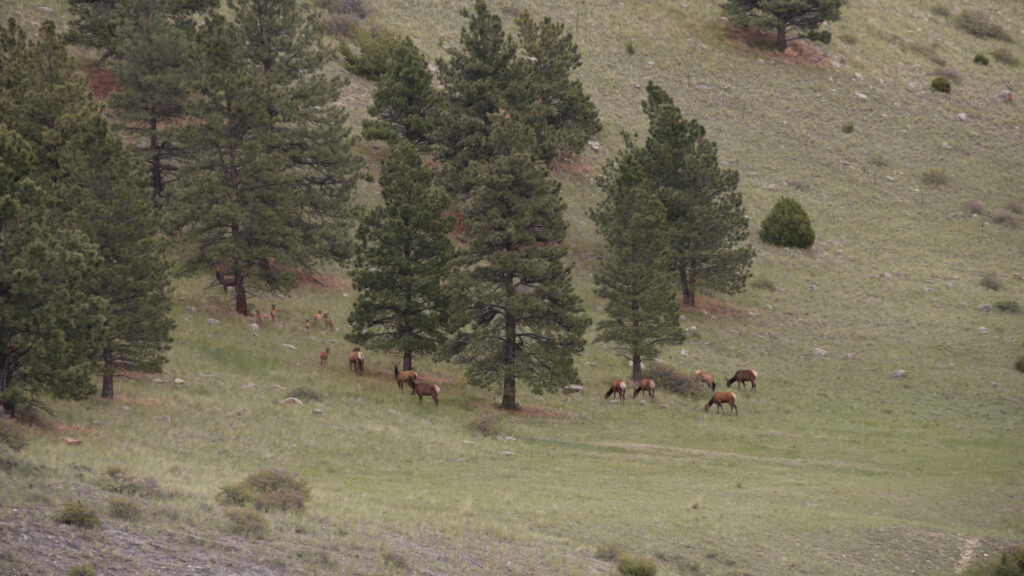
The federal government has announced a new coordinated plan for how groups can work together to conserve migration routes for elk and other large game species across the West. The U.S. Department of Agriculture’s (USDA) The Migratory Big Game: A Framework for Conservation Action focuses on how federal agencies, states,…The federal government has announced a new coordinated plan for how groups can work together to conserve migration routes for elk and other large game species across the West. The U.S. Department of Agriculture’s (USDA) The Migratory Big Game: A Framework for Conservation Action focuses on how federal agencies, states, Tribes and private landowners can coordinate efforts to reduce habitat fragmentation and open up big game migration corridors by leveraging and expanding on current projects. The framework focuses on three key areas in 17 states across the West: reducing barriers to movement, improving habitat quality, and protecting habitat and connectivity. The plan emphasizes private-public voluntary partnerships by focusing on voluntary conservation easements and Conservation Reserve Program contracts. These tools, funded by the Farm Bill , compensate landowners for protecting wildlife habitat and other natural resources on private lands. “This new Framework for Conservation Action helps us better target our resources and align our efforts, which benefit wildlife as well as ranching operations,” said Richard Fordyce, USDA’s Under Secretary for Farm Production and Conservation in a press release . The framework outlines strategies for removing invasive species, restoring wetland habitats and improving forage. The goal is to improve habitat quality and strengthen rangeland resilience for livestock and wildlife. It aims to modernize fencing by providing several wildlife friendly options, reduce costs and meet the needs of industry. The approach is built on the back of local collaborations. such as the Southwest Montana Flexible Grazing Project, which uses virtual fencing to meet ranchers’ needs and reduces the amount of fencing on the landscape preventing wildlife movement. Article by Kaylyn Zipp
In early 2026, the National Wildlife Federation’s Eco-Schools program launched another impactful year in partnership with General Motors (GM), bringing together schools across Metro Detroit and beyond to drive sustainability … Read more The post Eco-Schools Kicks Off Another Year of Student-Led Sustainability Through STEAM Learning appeared first on The…In early 2026, the National Wildlife Federation’s Eco-Schools program launched another impactful year in partnership with General Motors (GM), bringing together schools across Metro Detroit and beyond to drive sustainability … Read more The post Eco-Schools Kicks Off Another Year of Student-Led Sustainability Through STEAM Learning appeared first on The National Wildlife Federation Blog.
PestCo Holdings, a portfolio company of Thompson Street Capital Partners has acquired University Termite and Pest Control. The post PestCo Holdings acquires University Termite and Pest Control first appeared on Pest Management Professional.
The National Wildlife Federation (NWF) is excited to award Butler University the Plastics Reduction Partner Bronze level certification for their efforts to reduce single-use plastic waste on campus. Butler University, a … Read more The post Butler University in Indianapolis certifies as a National Wildlife Federation Plastics Reduction Partner appeared…The National Wildlife Federation (NWF) is excited to award Butler University the Plastics Reduction Partner Bronze level certification for their efforts to reduce single-use plastic waste on campus. Butler University, a … Read more The post Butler University in Indianapolis certifies as a National Wildlife Federation Plastics Reduction Partner appeared first on The National Wildlife Federation Blog.
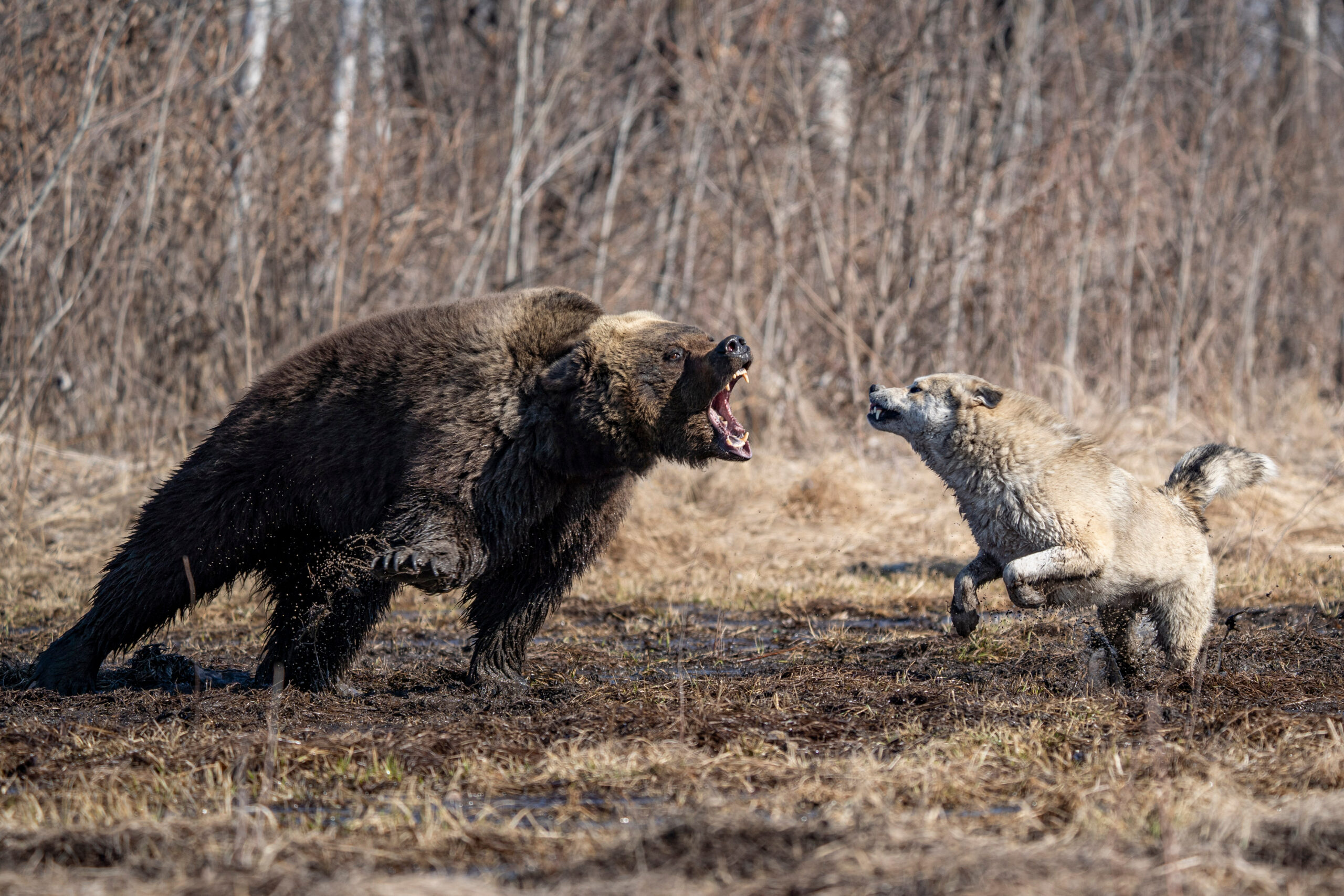
Bringing your dog to bear country for protection might do more harm than good. Of more than 300 human-bear conflicts, dogs initiated the attack more than half the time. Dogs either left the encounters injured or died in two out of every three encounters. “Our data suggests that they are…Bringing your dog to bear country for protection might do more harm than good. Of more than 300 human-bear conflicts, dogs initiated the attack more than half the time. Dogs either left the encounters injured or died in two out of every three encounters. “Our data suggests that they are more of a hindrance than a help,” said Tom Smith, a professor of plant and wildlife sciences at Brigham Young University in Utah and the lead author on a new paper in The Journal of Wildlife Management . But that doesn’t mean you should leave your dog at home every time. “It is possible to coexist with [bears] quite peaceably, but it’s not without some due diligence on your own part.” Calculating risk Smith’s research focuses on human-bear conflict in North America, including how to prevent it and what deterrents are most effective. He’s worked with all sorts of bears, testing methods like bear spray— sometimes even accidentally spraying himself . For this paper, Smith and his colleagues looked at 326 human-bear conflicts involving domestic dogs. They gathered these reports from a database Smith and his coauthor Stephen Hererro put together from scouring newspapers, books, government reports and the web for reported black ( Ursus americanus ) , brown ( Ursus arctos ) and polar ( Ursus maritimus ) bear encounters. There were 170 human injuries and five human fatalities reported in the encounters, while 56 dogs were killed. These encounters occurred both in backcountry and much more developed front-country locations, and dogs initiated attacks 54% of the time. When dogs were off leash, they sometimes even brought bears to their owners rather than scaring them away. Dogs flushed bears out of the brush and brought them back to their owner in 8.3% of cases. During this kind of encounter, owners were injured 70% of the time. Mothers with their cubs are often the most dangerous bears to encounter. Credit: Neal Herbert/NPS While larger groups of humans help deter an attack with and without a dog, the trend was much smaller when a dog was involved. Having a dog, regardless of group size, more than doubled a group’s odds of having a negative interaction with a bear when compared to a group of the same size without a dog. The instances of dogs helping their owners in attacks were minimal—it only occurred about one third of the time. And dogs alerted their owners to the presence of bears in only about 9% of times. In only about one third of attacks, dogs came to the aid of their owners. Humans, though, often jumped in to help their dogs. The study documented 102 people who tried to intervene, around half of them sustaining minor to serious injuries because of their efforts. Smith, who has two dogs of his own, understands pets are a part of the family, but says it’s never a good idea to try to intervene without a deterrent, like bear spray, when a dog is being mauled. Deterrents are the best way to eliminate risk with a dog. In the study, not a single person with a deterrent—even though they had a dog—got injured. “People with deterrents were far and away less involved,” Smith said. Why dogs and bears don’t mix Certain dogs are bred and trained to haze bears, but your average house pet doesn’t have the training to safely take on an agitated bear. While there are stories of dogs protecting their owners, Smith said that based on the data, you can’t expect your dog to step up in a moment of need. The vast majority of dogs in the study either fled or watched the bears attack their owners. Bears and canids have coevolved for millennia. In the wild, bears and wolves ( Canis lupus ) fight over food caches. While your labradoodle might be a far stretch from a wolf, in the bear’s eyes, they look and smell similar. “They don’t recognize Snickers as a pampered domestic dog,” Smith said. “There’s no love lost between these species.” Smith said that from study to study, his findings all sound a little similar: “The odds [of a bear attack] are already low, but if you do a few simple things, you can make the odds even lower.” Bears can come in many colors, like these brown bear siblings. Credit: K. Jalone/NPS When it comes to dogs, the rules are similar to any other hike in bear country. Carry a deterrent like bear spray; hike in groups; and talk amongst yourselves so as to not surprise a bear on the trail. When you’re hiking with a dog, Smith said it’s important to keep your pet on a leash. However, if they are well-trained and reliably listen to your commands, Smith said dogs can be off leash where regulations allow. Well-trained dogs in this case mean that they stay a few paces away and don’t run ahead on the trail. While dogs can make it riskier to hike in bear country, humans can make efforts to reduce—but not eliminate—the risk to their furry companions. Smith hikes in Utah—where there’s a low density of black bears—with his two dogs for an hour every day and has never had an incident. But he said he’s also been driving for 57 years without an accident and still wears his seatbelt. “It only takes one mauling to ruin your day, so always be alert and prepared,” he said. Smith says it’s important not to lose perspective, though. With or without a dog, bear conflicts are an extremely rare event. Making smart choices in bear country can help keep you and your pet safe. “Put [the worry] in its place; now go out and enjoy yourself,” he said. “Don’t obsess about it.” This article features research that was published in a TWS peer-reviewed journal. Individual online access to all TWS journal articles is a benefit of membership. Join TWS now to read the latest in wildlife research. Article by Olivia Milloway
Some of the longest and most essential animal migrations on Earth take place beneath the surface of rivers. A major new report from the Convention on the Conservation of Migratory Species of Wild Animals (CMS), a United Nations environmental treaty, warns that many of these migrations are now rapidly breaking…Some of the longest and most essential animal migrations on Earth take place beneath the surface of rivers. A major new report from the Convention on the Conservation of Migratory Species of Wild Animals (CMS), a United Nations environmental treaty, warns that many of these migrations are now rapidly breaking down. The Global Assessment of Migratory Freshwater Fishes, released at the CMS 15th Meeting of the Conference of the Parties (COP15) in Brazil, finds that migratory freshwater fish are among the most threatened species worldwide. These fish are critical for maintaining healthy rivers, supporting major inland fisheries, and providing food and livelihoods for hundreds of millions of people. Hundreds of Migratory Fish Species Need Global Protection The assessment highlights hundreds of migratory fish species that require coordinated international action. It provides strong evidence that fish relying on connected rivers across national borders are declining quickly due to dam construction, habitat fragmentation, pollution, overfishing, and climate-related ecosystem changes. In total, 325 migratory freshwater fish species have been identified as candidates for international conservation efforts, pointing to a largely overlooked biodiversity crisis across shared river systems. A regional breakdown of the 325 migratory freshwater fish species deemed candidates for international protection (beyond the 24 already listed) under the Convention's Appendices I (species requiring strict protection) and II (species needing international cooperation): Asia: 205 South America: 55 Africa: 42 Europe: 50 North America: 32 (The total adds to more than 325 because some species occur on multiple continents.) Key river systems identified as priorities include South America's Amazon and La Plata-Paraná, Europe's Danube, Asia's Mekong, Africa's Nile, and the Indian sub-continent's Ganges-Brahmaputra. Based on extensive global datasets and IUCN assessments of nearly 15,000 freshwater fish species, the report provides the most comprehensive overview so far of the conservation challenges facing migratory freshwater fish. It also outlines practical steps governments can take immediately, including: protection of migration corridors and environmental flows, basin-scale action plans and transboundary monitoring, and coordinated seasonal fisheries A Largely Overlooked Freshwater Biodiversity Crisis Animals living in freshwater ecosystems are declining faster than those on land or in the oceans, yet the collapse of migratory freshwater fish has received relatively little global attention. These fish depend on long, uninterrupted river pathways that link spawning grounds, feeding areas, and floodplain nurseries, often across multiple countries. When dams, altered water flows, or habitat degradation disrupt these connections, populations can drop quickly. The report estimates that migratory freshwater fish populations have declined by about 81% worldwide since 1970. Nearly all (97%) of the 58 CMS-listed migratory fish species (including fresh and salt-water species) are now threatened with extinction. The findings show that hundreds of migratory freshwater fish species are in poor conservation condition and emphasize that protecting them requires managing rivers as connected systems rather than treating them as separate national waterways. Amazon Basin Highlights Urgent Conservation Needs As host of COP15, Brazil has proposed several conservation measures focused on South America's largest river systems, the Amazon and La Plata-Paraná. The Amazon Basin remains one of the last major strongholds for migratory freshwater fish, but increasing development pressures are putting that status at risk. A case study released alongside the global assessment identifies 20 migratory fish species in the Amazon that meet the criteria for potential CMS Appendix II listing. These long-distance migratory species are central to regional fisheries, making up about 93% of total landings and supporting an industry worth an estimated US$436 million each year. Some of these fish undertake remarkable journeys. The dorado (gilded) catfish ( Brachyplatystoma rousseauxii ), a bottom-dwelling species with metallic gold/silver coloring and a large body (up to 2 meters / 6.5 ft), completes the longest known freshwater migration of any fish. Its life cycle includes a journey of 11,000 kilometers from Andean headwaters to coastal nursery areas. To strengthen conservation efforts, Brazil and other countries are proposing a Multi-species Action Plan for Amazonian Migratory Catfish (2026-2036), developed through regional cooperation. Brazil has also proposed adding the spotted sorubim catfish ( Pseudoplatystoma corruscans ) to CMS Appendix II, emphasizing the need for coordinated action in the La Plata Basin, where these fish face threats from dams, altered water flows, and fishing pressure. Together, these initiatives represent some of the most ambitious international efforts to protect migratory freshwater fish. They reinforce the central principle of CMS that conservation solutions must cover the full geographic range of migratory species and depend on cooperation between countries. Experts Call for Coordinated Global Action Lead Author Dr. Zeb Hogan: "Many of the world's great wildlife migrations take place underwater. This assessment shows that migratory freshwater fish are in serious trouble, and that protecting them will require countries to work together to keep rivers connected, productive, and full of life." CMS Executive Secretary Amy Fraenkel: "This new assessment highlights a major priority for the conservation of migratory species and their habitats, that has not had adequate focus to date. By aligning science, policy and international cooperation, governments can safeguard the world's remaining great freshwater fish migrations and the communities and ecosystems that depend on them." World Wildlife Fund-US, Vice President and Deputy Lead of Freshwater, Michele Thieme: "Rivers don't recognize borders -- and neither do the fish that depend on them. The crisis unfolding beneath our waterways is far more severe than most people realize, and we are running out of time. Rivers need to be managed as connected systems, with coordination across borders, and investments in basin-wide solutions now before these migrations are lost forever." By the Numbers: Global Migratory Fish Decline 325: Migratory freshwater fish species identified as candidates for coordinated international conservation action under the CMS (beyond the 24 species already listed in Appendices I and II). 205: Species identified in Asia alone, making it the global hotspot for migratory freshwater fish at risk. 81%: Estimated decline in migratory freshwater fish populations worldwide since 1970, one of the steepest drops recorded for any major vertebrate group. 97%: Share of CMS-listed migratory fish already threatened with extinction. 15,000: Freshwater fish species assessed through the IUCN Red List and global datasets used to produce this assessment, the most comprehensive evidence base ever assembled for migratory freshwater fish. 250+: Transboundary rivers and lakes worldwide, meaning conservation success depends on cooperation between countries rather than national action alone. 47%: Approximate share of Earth's land surface lying within shared river basins. 93%: Proportion of Amazon fisheries landings made up of migratory freshwater species, highlighting their critical role in regional food systems and livelihoods. US$436 million: Estimated annual value of Amazon fisheries based on migratory species 20: Amazon Basin species identified as meeting criteria for potential CMS Appendix II listing in the new case study. 10,000+ kilometers: Migration distance of the dorado (gilded) catfish among the longest freshwater migrations ever recorded. 1 fundamental solution: Managing rivers as connected ecological systems rather than isolated national waterways. Documents in English, Spanish and French: Global Assessment of Migratory Freshwater Fishes (including the Amazon Basin case study: Potential CMS Appendix II candidate species) Multi-species Action Plan for Amazonian Migratory Catfish (2026-2036) Listing proposal: Spotted Sorubim ( Pseudoplatystoma corruscans )
High up in Hawaii’s canopies, honeycreepers are quietly stealing twigs from other birds’ nests. Researchers say that this behavior, known as kleptoparasitism, might hurt birds that are already struggling to survive. “People working in the field have seen this behavior for years, but it’s never been documented at this level,”…High up in Hawaii’s canopies, honeycreepers are quietly stealing twigs from other birds’ nests. Researchers say that this behavior, known as kleptoparasitism, might hurt birds that are already struggling to survive. “People working in the field have seen this behavior for years, but it’s never been documented at this level,” said Erin Rankin, an entomologist at the University of California, Riverside. In a new study published in The American Naturalist , Rankin and her collaborators monitored more than 200 nests belonging to native canopy-nesting birds like the scarlet ‘i‘iwi ( Vestiaria coccinea ), the yellow-green Hawaii amakihi ( Chlorodrepanis virens ) and the crimson apapane ( Himatione sanguinea ). They observed the crimson apapane as the species most likely to steal from their neighbors—as well as the species most likely to be stolen from—reflecting their abundance in the forest. The researchers also documented birds stealing from nests in their general elevation in the forest, which the researchers have called the “height overlap hypothesis.” The majority of the nests had already been abandoned by the time they were plundered. But some, around 10%, were still active. In two out of the 39 cases of nesting material theft, about 5%, the nests ended up failing. “We saw instances where nests failed, either because the nest structure was compromised or because the parents were disturbed and left,” Rankin said. While 5% doesn’t seem significant, Rankin said that these species are already under stress due to emerging threats like climate change and avian malaria. Read more at UC Riverside News.
It’s not ideal to bury a dead sea turtle in the first week of your first job. Although it was a disheartening sight, my first week as a Youth Conservation Corps (YCC) member was a pivotal moment in my career choice as a marine biologist. Growing up on the island…It’s not ideal to bury a dead sea turtle in the first week of your first job. Although it was a disheartening sight, my first week as a Youth Conservation Corps (YCC) member was a pivotal moment in my career choice as a marine biologist. Growing up on the island of St. Croix in the U.S. Virgin Islands, the beach became my favorite place. Once I found out I could make it my workplace, my heart was set. The YCC is a paid summer work program on U.S. public lands. I served as a YCC member in the summer of 2019, where I was introduced to the world of wildlife management at the Sandy Point National Wildlife Refuge. Ortiz holds an invasive red-tailed boa (Boa constrictor constrictor) in the Caledonia Waterfall of St. Croix in the U.S. Virgin Islands. Credit: Jacon Laurain Our orientation started with a tour of the refuge, including the beach I already knew and loved. We learned about the 383 acres that protect sea turtles, plants and birds alike. What followed was the introduction to a crucial skill that I had no idea would become a major part of my work experience—interpreting fresh sea turtle tracks in the early morning hours to determine our total nest count on the refuge. We identified species from the track pattern unique to the leatherback ( Dermochelys coriacea ), green ( Chelonia mydas ) and hawksbill sea turtles ( Eretmochelys imbricata ) that nest on the refuge. To me, it was like being a detective, looking at all the clues left behind that paint the picture of what really happened. By the end of the week, we understood firsthand why sea turtle conservation is necessary on our island. A dead sea turtle washed up with severe vessel strike injuries on its shell, resulting in a large open wound. It was obvious to us how speeding and the lack of education about sea turtles caused this tragedy. It took all four of us a few hours to bury the large turtle. Most of our work the rest of the summer related to sea turtles and conservation in one way or another. From removing invasive plants to installing beach marker stakes, it was hard work. Ortiz watches a leatherback nest hatch at the Sandy Point National Wildlife Refuge. Credit: Claudia Lombard But it was also extremely fulfilling knowing that I was making a difference, not only on the lives of sea turtles but on the ocean as a whole. It was then that I became fascinated by the ecological domino effect. The way that all living things depend on each other unknowingly reflects a beauty that gives purpose to conservation. As Caribbean people, our community is what holds us together. When we start to see our natural world as part of that community, we begin to care for it with a new kind of passion that can take us to even greater heights as a community. Caribbean Heritage Month serves as a way to highlight the unseen beauty of our islands, especially in conservation, deepening our bond to the land, sea and each other. To hear about more of Ortiz’ work, tune into the episode of “Our Wild Lives” covering conservation on the U.S. Virgin Islands, or members can log in to read the November/December 2025 magazine feature story on the topic at Today’s Wildlife Professional. Wildlife Vocalizations is a collection of short personal perspectives from people in the field of wildlife sciences . Learn more about Wildlife Vocalizations , and read other contributions . Submit your story for Wildlife Vocalizations or nominate your peers and colleagues to encourage them to share their story. For questions, please contact tw * @ ****** fe.org . Article by Yaira Ortiz
ArticleWildlife Damage Management Technical Series
United States Department of Agriculture: Animal and Plant Health Inspection Service Wildlife Damage Management Technical Series Date of this Version 2020 Document Type Article Citation Taylor, J.D. and J.P. Phillips. 2020. Black Bear. Wildlife Damage Management Technical Series. USDA, APHIS, WS National Wildlife Research Center. Fort Collins, Colorado. 30p. Abstract…United States Department of Agriculture: Animal and Plant Health Inspection Service Wildlife Damage Management Technical Series Date of this Version 2020 Document Type Article Citation Taylor, J.D. and J.P. Phillips. 2020. Black Bear. Wildlife Damage Management Technical Series. USDA, APHIS, WS National Wildlife Research Center. Fort Collins, Colorado. 30p. Abstract The American black bear (Ursus americanus, Figure 1) is a challenging species for wildlife agencies to manage due to its size, intelligence, extensive range, food habits, and adaptability, as well as societal views. In North America alone, agencies receive more than 40,000 complaints about black bear annually. Black bears are known as ‘food-driven’ animals, meaning most conflicts result from a bear’s drive to meet its nutritional needs. Not surprisingly, an overwhelming proportion of conflicts are related to their use of anthropogenic (human) food sources, such as garbage, bird food, and crops. Understanding what drives human-bear conflict is the first part of good management. Methods to manage human-bear conflicts can be grouped into two general categories: proactive and reactive. Proactive management attempts to change human behavior and prevent conflict, or keep it from recurring. Examples of proactive management include removing attractants, education and awareness, and exclusion. Conversely, reactive management attempts to change bear behavior or results in the lethal removal of the bear. Prior to any management action, there are important factors that managers and homeowners should consider. First, many of the methods described herein are only permissible to licensed personnel, such as state and federal biologists and wildlife managers. It is up to the individual to know which strategies are legal by reviewing local laws and agency websites. Also, it is important to note that any action plan should consider the side effects of the action and include a system for monitoring efficacy (short and long-term reactions of the bear). Documenting the season, time of day, type of conflict, and any information about the bear(s) involved is important for monitoring results. Be aware that the removal of the offending bear may open up its territory to other bear and conflicts, if the cause of the conflict is not mitigated. DOWNLOADS Since March 03, 2020 COinS
Back to Resources April 8, 2026April 8, 2026 Big Bend National Park in Texas, USA. Credit: G. Yancy TWS joined with the Texas and Mexico Chapters, and Southwest Section of The Wildlife Society on this letter to Senators Cruz and Cornyn, as well as Representative Gonzales. The letter details concerns…Back to Resources April 8, 2026April 8, 2026 Big Bend National Park in Texas, USA. Credit: G. Yancy TWS joined with the Texas and Mexico Chapters, and Southwest Section of The Wildlife Society on this letter to Senators Cruz and Cornyn, as well as Representative Gonzales. The letter details concerns about proposed border wall infrastructure and associated development activities in the Big Bend region of Texas and Mexico, and highlights sensitive species and conservation lands in the region. Related Articles