Eliminating Squirrels In The Attic Atlantis Eliminating squirrels in the attic in Atlantis, FL, requires more than simply removing the animals. AAAC Wildlife Removal Palm Beaches provides professional solutions that address active squirrel activity, property damage, contamination, and the openings that allowed the animals to enter. Squirrels may access attics…Eliminating Squirrels In The Attic Atlantis Eliminating squirrels in the attic in Atlantis, FL, requires more than simply removing the animals. AAAC Wildlife Removal Palm Beaches provides professional solutions that address active squirrel activity, property damage, contamination, and the openings that allowed the animals to enter. Squirrels may access attics through damaged roof vents, loose soffits, fascia gaps, roof returns, and other small openings. Common warning signs include scratching or scurrying sounds during the day, gnaw marks, disturbed insulation, nesting materials, droppings, unpleasant odors, and visible damage around the roofline. AAAC Wildlife Removal Palm Beaches begins with a detailed inspection to locate active entrances, identify nesting areas, and assess any related damage. Depending on the situation, our process may include humane squirrel removal, careful handling of dependent young, one-way exclusion devices, durable entry-point repairs, attic cleanup, and sanitation. If you need help eliminating squirrels in the attic of your Atlantis, FL, home, contact AAAC Wildlife Removal Palm Beaches today. Schedule an inspection so our team can develop an appropriate solution and help prevent squirrels from returning. More on YouTube: https://www.youtube.com/watch?v=UtZHNKhtWZQ On Sound Cloud: AAAC Wildlife Removal - Palm Beaches provides professional squirrel removal services in Atlantis, Florida. Contact Us: AAAC Wildlife Removal - Palm Beaches 4440 PGA Blvd Suite 600 Palm Beach Gardens , FL , 33410 561-515-0201 Website: https://palm-beaches.aaacwildliferemoval.com/ Email: palmbeaches@aaacwildliferemoval.com Find us around the web: YouTube: https://www.youtube.com/@aaacwildliferemovalofthepa5785 Facebook: Twitter: SoundCloud: https://soundcloud.com/aaac-wildlife-removal Blogger: WordPress: Tumblr:
Squirrel Removal Atlantis Explore helpful information about professional squirrel removal in Atlantis, FL, with AAAC Wildlife Removal Palm Beaches. The city’s mature trees, landscaped yards, golf courses, and warm climate provide squirrels with food, shelter, and convenient routes to residential and commercial properties. This playlist covers common signs of squirrel…Squirrel Removal Atlantis Explore helpful information about professional squirrel removal in Atlantis, FL, with AAAC Wildlife Removal Palm Beaches. The city’s mature trees, landscaped yards, golf courses, and warm climate provide squirrels with food, shelter, and convenient routes to residential and commercial properties. This playlist covers common signs of squirrel activity, including scratching and scurrying noises during the day, damaged insulation, droppings, gnaw marks, and disturbed soffits or roof vents. Squirrels may enter attics through small gaps around fascia boards, roof returns, vents, and other vulnerable areas. AAAC Wildlife Removal Palm Beaches provides detailed inspections, humane squirrel removal, exclusion services, entry-point repairs, and attic cleanup. Our team works to locate active nesting areas, identify every possible access point, and create a removal plan suited to the property. We also check for dependent young before completing the removal process. Follow this playlist to learn more about squirrel removal, attic restoration, property repairs, and prevention methods in Atlantis, Florida. If you hear scratching noises or notice signs of squirrels inside your home or business, contact AAAC Wildlife Removal Palm Beaches to schedule a professional inspection. More on Sound Cloud: https://soundcloud.com/aaac-wildlife-removal/sets/raccoon-removal-atlantis On YouTube: https://www.youtube.com/playlist?list=PLajoXZCIWcPo AAAC Wildlife Removal - Palm Beaches provides professional squirrel removal services in Atlantis, Florida. Contact Us: AAAC Wildlife Removal - Palm Beaches 4440 PGA Blvd Suite 600 Palm Beach Gardens , FL , 33410 561-515-0201 Website: https://palm-beaches.aaacwildliferemoval.com/ Email: palmbeaches@aaacwildliferemoval.com Find us around the web: YouTube: https://www.youtube.com/@aaacwildliferemovalofthepa5785 Facebook: Twitter: SoundCloud: https://soundcloud.com/aaac-wildlife-removal Blogger: WordPress: Tumblr:
“Chocolate, avocados, onions, and moldy foods are some of the most poisonous items you can leave out for squirrels. Even small amounts of these everyday ingredients can cause serious health issues—or be fatal—for these sensitive rodents.” Squirrels may look harmless scampering across your fence or chasing each other up a…“Chocolate, avocados, onions, and moldy foods are some of the most poisonous items you can leave out for squirrels. Even small amounts of these everyday ingredients can cause serious health issues—or be fatal—for these sensitive rodents.” Squirrels may look harmless scampering across your fence or chasing each other up a tree, but when they show up in your attic or tear through your garden, that charm disappears fast. In leafy neighborhoods where parks are close by and backyard bird feeders are everywhere, it’s no surprise that squirrels are regular visitors—and sometimes uninvited tenants. While many people enjoy watching them or even tossing out food, what you leave behind can actually be dangerous to squirrels—and a bigger headache for you without proper squirrel control . This article isn’t about harming wildlife. It’s about knowing what food is poisonous to squirrels so you don’t accidentally invite them in or make them sick. If you’ve been leaving out scraps, filling feeders, or composting without thinking twice, there’s a good chance you’re creating a squirrel buffet without even realizing it. Let’s break down what to avoid, what to secure, and how to protect both your home and the squirrels from a bad encounter. What Is The Most Dangerous Foods for Squirrels? Chocolate and Caffeinated Products Chocolate is one of the most toxic substances you can accidentally leave out for squirrels or any rodent. It contains theobromine—a stimulant that these small animals can’t metabolize effectively. Just a small amount from a brownie, chocolate almond bar, or sugar-filled candy can trigger tremors, elevated heart rate, or seizures in squirrels. Since they have such fast metabolisms and tiny bodies, the toxic effects hit hard and fast, often with serious consequences. Caffeinated foods and drinks are equally dangerous. Coffee grounds , soda spills, or chocolate-covered espresso beans tossed into a compost pile can be life-threatening if a squirrel gets into them. Where outdoor parties and backyard BBQs are common, it’s easy for sugary or caffeine-rich snacks to end up where rodents roam. To keep squirrels safe and your property clear of unwelcome visitors, make it a habit to clean up thoroughly and store all sweet or stimulant-laced foods securely. Avocados Avocados contain persin, a fungicidal toxin found in the fruit’s skin, pit, and even its leaves. While persin might not harm humans, it can be toxic to many animals, including squirrels. The risk isn’t just in eating an avocado—squirrels that nibble on a discarded peel, chewed seed, or exposed pit can experience digestive issues or worse. What makes this even more concerning is how easily avocado waste can be overlooked, especially in compost bins. If you’re growing avocado trees or preparing guacamole from scratch, this is something to stay mindful of. As urban farming and composting become more popular, the risk of accidentally exposing squirrels to this toxic fruit increases. Make sure avocado scraps are properly sealed or discarded, and if you have a tree, regularly clear fallen fruit from the yard. It’s better to be safe than to unknowingly poison a local animal. Onions, Garlic, and Spicy Foods While these aromatic kitchen staples may keep your chili full of flavor, they spell serious trouble for squirrels. Onions and garlic contain compounds that can damage red blood cells, leading to anemia and other health complications. The danger extends to cooked dishes, too. If a squirrel gets into leftover food seasoned with garlic or onions, even in small amounts, it can suffer lasting effects. In worst cases, repeated exposure can be fatal over time. Spicy foods also pack a punch that squirrels can’t handle. Hot sauce remnants, chili powder, or discarded tacos can cause severe digestive distress. Where spicy dishes are a staple, food waste often ends up in outdoor bins or compost piles. Make sure spicy scraps are stored in critter-proof containers, and avoid tossing seasoned leftovers near your patio or yard. The goal isn’t just to avoid harming squirrels—it’s to stop inviting them altogether. Alcohol and Fermented Fruit Alcohol might seem like an unlikely threat to wildlife, but squirrels are highly sensitive to it. Whether it’s beer spills from a tailgate, wine left out on the porch, or sugary cocktails left on patio tables, these drinks can lead to disorientation, slowed reaction time, and eventually liver failure in squirrels. Their small bodies can’t handle even trace amounts, and it doesn’t take much to put them in serious danger. Another sneaky culprit? Overripe or fermenting fruit, especially in backyards with peach, fig, or persimmon trees. As the fruit falls and begins to break down, it can release natural alcohols that attract squirrels and get them intoxicated. They may stagger, fall from trees, or become easy prey for predators. Regularly clean up fruit from the ground and keep alcoholic beverages secure during outdoor events. Salty Snacks and Chips Salt is another ingredient that can easily disrupt a squirrel’s internal balance. While humans can handle a salty snack during a football game or backyard hangout, squirrels don’t process salt well. Even a few bites of junk food like chips, pretzels, or salted walnut snacks can dehydrate them and overwork their kidneys. These types of treats also contain added sugar and artificial ingredients that offer zero nutritional value for squirrels—making them both harmful and useless from a dietary perspective. Many of these items—especially sugary breakfast cereals or processed snack mixes—are casually dropped or tossed outside without much thought. But to a hungry squirrel, that forgotten bowl of cereal or spilled trail mix is a full meal. Where outdoor events, food trucks, and weekend cookouts are part of the culture, squirrels quickly learn where the good stuff is. Cleaning up sugary crumbs and sealing snack waste tightly are easy steps that help discourage squirrels from turning your yard into their favorite buffet line. Surprising “Healthy” Foods That Still Poisonous To Squirrels Not all squirrel-dangerous foods are obviously harmful. Some look totally natural or even nutritious—but for squirrels, they can cause more harm than good. These foods often show up in gardens, bird feeders, compost piles, or well-meaning attempts to “feed the wildlife.” Here’s what to watch for. Raw Corn (Especially Moldy Corn) Corn might seem harmless—it’s a common ingredient in bird seed, livestock feed, and even human snacks. But when corn starts to mold, it can develop aflatoxins, which are highly toxic to squirrels and many other animals. Aflatoxins are produced by certain types of fungi and can affect liver function, immune systems, and even lead to cancer in wildlife. A squirrel doesn’t have to eat much moldy corn for it to cause serious internal damage. The risk goes up during warm, humid stretches—especially in summer—when moisture speeds up mold growth. Corn that’s left outside for too long, stored improperly in feeders, or tossed into compost piles can quickly become a hidden hazard. If you’re putting out corn in a feeder, store it in a dry place, change it frequently, and never offer anything that smells off or looks discolored. It’s not just about nutrition—it’s about safety. Bread and Processed Carbs Bread might feel like a safe, throwaway snack for critters—but it’s actually a poor and potentially harmful food choice for squirrels. Bread, crackers, and other refined carbs offer little to no nutrition, and they can expand in a squirrel’s stomach, leading to bloating or discomfort. In some cases, processed bread products contain preservatives and additives that are hard for squirrels to digest, weakening their system over time. Squirrels that eat too much bread often end up malnourished despite feeling full. This is especially common in neighborhoods where residents leave out food “just to be nice.” Unfortunately, the kindness backfires. Instead of helping, you may be attracting squirrels that grow dependent on an unhealthy food source—and more likely to take up permanent residence in your attic. If you want to be squirrel-friendly, stick to natural deterrents and avoid the bread basket. Peanuts (Especially Salted or Moldy) Peanuts are a bit of a wildcard. While they’re often seen in squirrel food blends or used to lure wildlife for photos, they aren’t actually nuts—they’re legumes. And when they’re salted, roasted, or worse, moldy, they become a serious risk. Moldy peanuts, like corn, can carry aflatoxins that attack a squirrel’s liver and immune system. Salted peanuts, on the other hand, can cause dehydration and kidney stress. This matters because many people use peanuts to feed birds or squirrels without realizing the risks. In fact, some birdseed mixes from big-box stores still include them. If you’re trying to keep squirrels away from your yard—or avoid poisoning them by accident—skip the peanuts. And if you must use them, go for raw, unsalted, and fresh, and use a squirrel-proof bird feeder so your effort to help one species doesn’t endanger another. Foods That Attract Squirrels (But Shouldn’t) Some foods might not be poisonous, but they’re basically neon signs saying “Free Snacks Here!” for squirrels. These attractants can lead to more frequent visits, nesting, and eventual infestations. If you’re trying to squirrel-proof your yard or keep them from invading your home, these are the items to manage carefully. Bird Seed and Pet Food Bird feeders are one of the top culprits for squirrel problems. Many blends contain sunflower seeds, millet, corn, and peanuts—aka squirrel candy. Once they find a reliable food source, squirrels will return again and again, sometimes destroying the feeder in the process. The same goes for pet food left outside. Dry kibble and wet food alike are high-protein, calorie-dense meals that squirrels will happily devour. Where backyard birdwatching is popular and outdoor pet bowls are commo
Check for these tell-tale signs to stay safe! Hey there, adventurer! Ever been out on a hike, soaking in the beauty of nature, when you suddenly spot something slithering across your path? Your heart skips a beat, and you wonder, “Is that snake dangerous?” We’ve all been there. It’s a…Check for these tell-tale signs to stay safe! Hey there, adventurer! Ever been out on a hike, soaking in the beauty of nature, when you suddenly spot something slithering across your path? Your heart skips a beat, and you wonder, “Is that snake dangerous?” We’ve all been there. It’s a mix of excitement and a bit of panic. But fear not! I’m here to help you unravel the mystery of how to tell if a snake is venomous. In this guide, we’re diving deep into the world of snakes, busting myths, and giving you the lowdown on spotting the dangerous ones. Spoiler alert: It’s not just about the color! Whether you’re a seasoned hiker, a curious learner, or someone who just loves nature, by the end of this article, you’ll have the know-how to confidently identify whether a snake is a friend or foe. Stick with me, and I promise you’ll not only become the go-to snake expert among your friends but also feel a whole lot safer on your next outdoor adventure. Ready to become a snake-savvy superstar? Let’s slither right in! Key Takeaways Learn the main physical traits of venomous snakes. Understand behavioral signs that indicate danger. Discover safety tips for when you encounter a snake. Identifying Physical Traits Alright, let’s get down to business. How exactly can you tell if a snake is venomous? Here are the main physical traits to look out for: Head Shape One of the easiest ways to identify a venomous snake is by its head shape. Most venomous snakes have a distinct triangular or diamond-shaped head. This is due to the venom glands located on either side of their heads. So, if you see a snake with a broad, angular head, it’s time to stay cautious. Pupil Shape Ever heard that the eyes are the windows to the soul? Well, in the case of snakes, they can also be windows to danger. Venomous snakes often have elliptical, slit-like pupils, much like a cat’s eyes. In contrast, non-venomous snakes typically have round pupils. Next time you’re face-to-face with a snake, check out its peepers! Body Patterns This one’s a bit trickier because it’s not a hard-and-fast rule, but many venomous snakes have distinct, bright patterns on their bodies. However, don’t rely solely on this. Some harmless snakes can be just as colorful, while some venomous ones are more subdued in color. Presence of Fangs venomous snakes have prominent fangs that they use to inject venom into their prey. If you can safely observe, look for those tell-tale fangs. But remember, getting too close is never a good idea unless you’re a trained professional. Behavioral Signs Alright, now that we’ve covered the physical traits, let’s talk about behavior. Snakes have their own way of communicating danger, and if you know what to look for, their behavior can be a dead giveaway. Aggressiveness Venomous snakes are often more aggressive when they feel threatened. If a snake is coiling up, hissing, or making sudden movements towards you, it’s likely not a happy camper. This defensive behavior is a clear sign that the snake could be dangerous. Always give it plenty of space to avoid any unpleasant encounters. Warning Signals Some venomous snakes have built-in alarm systems. Take the rattlesnake, for instance. That iconic rattle isn’t just for show—it’s a warning to back off. Similarly, some snakes might flatten their bodies, puff up, or make loud hissing sounds. These warning signals are their way of saying, “Hey, stay away, I mean business!” Movement Watch the way the snake moves. Some venomous snakes, like the cottonmouth, have a unique way of swimming on the water’s surface with their bodies fully exposed. This distinctive movement can be a clue to their venomous nature. On land, a snake’s movement can also tell you a lot. If it seems overly confident and undeterred by your presence, it might be because it knows it has venomous backup. Safety Tips When Encountering Snakes Now that you’re well-versed in the physical and behavioral signs of venomous snakes, let’s talk about what to do if you actually encounter one. Here are some practical tips to keep you safe: Keep Your Distance This is the golden rule. The best way to stay safe is to maintain a respectful distance from any snake. Most snake bites occur when people try to handle or get too close to the snake. Stay Calm If you see a snake, don’t panic. Sudden movements can provoke a snake to strike. Take a deep breath, stay calm, and slowly back away from the snake. Educate Yourself Knowledge is power! Familiarize yourself with the types of snakes that are common in your area. Knowing what to expect can help you stay prepared and confident. Emergency Preparedness Know what to do in case of a snake bite. Quick and calm actions can make a huge difference. Keep a first aid kit handy and learn the basic steps of snake bite treatment. Remember, seeking professional medical help as soon as possible is crucial. Myth-Busting: Common Misconceptions Alright, let’s debunk some myths! There’s a lot of misinformation out there about snakes, and it’s time to set the record straight. Color Confusion Not all brightly colored snakes are venomous, and not all dull-colored snakes are safe. While some venomous snakes do have bright warning colors, many harmless snakes mimic these patterns to ward off predators. Don’t rely solely on color to make your judgment. Size Matters Think big snakes are more dangerous? Think again! Venomous snakes come in all sizes. Some of the most dangerous snakes can be quite small, so never judge a snake’s danger level by its size alone. Snake Charms Forget about those old wives’ tales and folklore. Stick to facts and evidence-based knowledge. For example, the idea that all venomous snakes have triangular heads is generally true but not foolproof. Always use a combination of traits to make your identification. Conclusion Next time you’re out exploring, you’ll be armed with the knowledge to stay safe and maybe even impress your friends with your snake smarts. Remember, when it comes to snakes, respect and caution are your best friends. Happy adventuring, and may your paths be snake-free—or at least, snake-savvy!
Squirrel Removal From Attic Atlantis Squirrel removal from an attic in Atlantis, FL, helps protect your home from noise, contamination, and property damage. AAAC Wildlife Removal Palm Beaches provides professional solutions for squirrels nesting in attics, roof spaces, soffits, wall cavities, and other difficult-to-reach areas. Squirrels may enter an attic…Squirrel Removal From Attic Atlantis Squirrel removal from an attic in Atlantis, FL, helps protect your home from noise, contamination, and property damage. AAAC Wildlife Removal Palm Beaches provides professional solutions for squirrels nesting in attics, roof spaces, soffits, wall cavities, and other difficult-to-reach areas. Squirrels may enter an attic through damaged vents, loose soffits, fascia gaps, roof returns, and small openings along the roofline. Common warning signs include scratching or scurrying noises during the day, gnaw marks, disturbed insulation, nesting materials, droppings, unpleasant odors, and visible exterior damage. AAAC Wildlife Removal Palm Beaches begins with a detailed inspection to identify active entrances, nesting areas, and damage caused by the animals. Depending on the situation, our service may include humane squirrel removal, careful handling of dependent young, one-way exclusion devices, durable entry-point repairs, attic cleanup, and sanitation. If you need squirrel removal from your attic in Atlantis, FL, contact AAAC Wildlife Removal Palm Beaches today. Schedule an inspection so our team can identify the source of the problem, recommend an appropriate solution, and help prevent squirrels from returning. More on YouTube: https://www.youtube.com/watch?v=SYew_zqFUpY On Sound Cloud: AAAC Wildlife Removal - Palm Beaches provides professional squirrel removal services in Atlantis, Florida. Contact Us: AAAC Wildlife Removal - Palm Beaches 4440 PGA Blvd Suite 600 Palm Beach Gardens , FL , 33410 561-515-0201 Website: https://palm-beaches.aaacwildliferemoval.com/ Email: palmbeaches@aaacwildliferemoval.com Find us around the web: YouTube: https://www.youtube.com/@aaacwildliferemovalofthepa5785 Facebook: Twitter: SoundCloud: https://soundcloud.com/aaac-wildlife-removal Blogger: WordPress: Tumblr:
Center, Internet, Wildlife Damage Management TSW Wildlife Damage Management Working Group Newsletter:Spring 1998 - Volume 5(2) - Election Issue Date of this Version 1998 Document Type Article Abstract Forward -- Scott Hygnstrom Postdoctoral Position With The Jack Berryman Institute; 1998 Winners Of The Jack H. Berryman Institute Awards; Preliminary Program…Center, Internet, Wildlife Damage Management TSW Wildlife Damage Management Working Group Newsletter:Spring 1998 - Volume 5(2) - Election Issue Date of this Version 1998 Document Type Article Abstract Forward -- Scott Hygnstrom Postdoctoral Position With The Jack Berryman Institute; 1998 Winners Of The Jack H. Berryman Institute Awards; Preliminary Program For The Wildlife Society 5th Annual Conference, September 22-26, 1998, Buffalo, Ny; Candidates For The Working Group Executive Board Future Newsletter; Contributions; From Around The World!; Wildlife Damage Management Working Group Ballot - May 1998 ; Plenary Abstracts From The 18th Vertebrate Pest Conference, 2-5 March 1998, Costa Mesa, Ca; Available Publications; Future Events Of Interest; Next Edition Deadline; Application For Membership / The Wildlife Society; Contributors To This Issue DOWNLOADS Since November 09, 2010 COinS
Squirrel Abatement Attic Atlantis Squirrel abatement for an attic in Atlantis, FL, helps protect your home from disruptive noise, contamination, and property damage. AAAC Wildlife Removal Palm Beaches provides professional solutions for squirrels nesting in attics, soffits, roof spaces, wall cavities, and other sheltered areas. Squirrels may enter through loose…Squirrel Abatement Attic Atlantis Squirrel abatement for an attic in Atlantis, FL, helps protect your home from disruptive noise, contamination, and property damage. AAAC Wildlife Removal Palm Beaches provides professional solutions for squirrels nesting in attics, soffits, roof spaces, wall cavities, and other sheltered areas. Squirrels may enter through loose vents, damaged soffits, fascia gaps, roof returns, and small openings along the roofline. Warning signs can include scratching or scurrying noises during the day, gnaw marks, disturbed insulation, nesting materials, droppings, unpleasant odors, and visible exterior damage. AAAC Wildlife Removal Palm Beaches begins with a detailed inspection to identify the squirrels, locate active entry points, find nesting areas, and evaluate any damage. Depending on the situation, squirrel abatement may include humane removal, careful handling of dependent young, one-way exclusion devices, durable entry-point repairs, attic cleanup, and sanitation. If you need squirrel abatement for your attic in Atlantis, FL, contact AAAC Wildlife Removal Palm Beaches today. Schedule an inspection so our team can recommend an appropriate solution and help prevent squirrels from returning to your home. More on YouTube: https://www.youtube.com/watch?v=QZb87Obt7zo On Sound Cloud: AAAC Wildlife Removal - Palm Beaches provides professional squirrel removal services in Atlantis, Florida. Contact Us: AAAC Wildlife Removal - Palm Beaches 4440 PGA Blvd Suite 600 Palm Beach Gardens , FL , 33410 561-515-0201 Website: https://palm-beaches.aaacwildliferemoval.com/ Email: palmbeaches@aaacwildliferemoval.com Find us around the web: YouTube: https://www.youtube.com/@aaacwildliferemovalofthepa5785 Facebook: Twitter: SoundCloud: https://soundcloud.com/aaac-wildlife-removal Blogger: WordPress: Tumblr:
Document Type Article Publication Date 2004 Abstract An unbiased assessment from an ecological perspective of the current status and the potential factors that influenced the long-term conservation of greater sage-grouse populations and the sagebrush ecosystems on which they depend. Recommended Citation Western Association of Fish and Wildlife Agencies, "Conservation assessment…Document Type Article Publication Date 2004 Abstract An unbiased assessment from an ecological perspective of the current status and the potential factors that influenced the long-term conservation of greater sage-grouse populations and the sagebrush ecosystems on which they depend. Recommended Citation Western Association of Fish and Wildlife Agencies, "Conservation assessment of greater sage-grouse and sagebrush habitats" (2004). Wildlife Conservation and Management. Paper 1. https://digitalcommons.usu.edu/govdocs_wildlife/1 DOWNLOADS Since August 31, 2010 COinS
Squirrel Removal Atlantis Squirrel removal in Atlantis, FL, helps protect homes and businesses from the noise, damage, and contamination these animals may cause. AAAC Wildlife Removal Palm Beaches provides professional solutions for squirrels found in attics, roof spaces, wall cavities, soffits, and other sheltered areas. Squirrels can enter buildings through…Squirrel Removal Atlantis Squirrel removal in Atlantis, FL, helps protect homes and businesses from the noise, damage, and contamination these animals may cause. AAAC Wildlife Removal Palm Beaches provides professional solutions for squirrels found in attics, roof spaces, wall cavities, soffits, and other sheltered areas. Squirrels can enter buildings through damaged roof vents, loose soffits, fascia gaps, roof returns, and other small openings. Common signs of an infestation include scratching or scurrying noises during the day, gnaw marks, nesting materials, damaged insulation, droppings, and visible damage around the roofline. AAAC Wildlife Removal Palm Beaches begins with a detailed inspection to locate active entry points, identify nesting areas, and evaluate property damage. Depending on the situation, our service may include humane squirrel removal, careful handling of dependent young, one-way exclusion devices, durable entry-point repairs, attic cleanup, and sanitation. If you need professional squirrel removal in Atlantis, FL, contact AAAC Wildlife Removal Palm Beaches today. Schedule an inspection so our team can evaluate the problem, recommend an appropriate solution, and help prevent squirrels from returning to your property. More on YouTube: https://www.youtube.com/watch?v=hUZFjzgnct4 On Sound Cloud: AAAC Wildlife Removal - Palm Beaches provides professional squirrel removal services in Atlantis, Florida. Contact Us: AAAC Wildlife Removal - Palm Beaches 4440 PGA Blvd Suite 600 Palm Beach Gardens , FL , 33410 561-515-0201 Website: https://palm-beaches.aaacwildliferemoval.com/ Email: palmbeaches@aaacwildliferemoval.com Find us around the web: YouTube: https://www.youtube.com/@aaacwildliferemovalofthepa5785 Facebook: Twitter: SoundCloud: https://soundcloud.com/aaac-wildlife-removal Blogger: WordPress: Tumblr:
United States Department of Agriculture: Animal and Plant Health Inspection Service United States Department of Agriculture Wildlife Services: Staff Publications Document Type Article Date of this Version 2024 Citation Proceedings, 31st Vertebrate Pest Conference, paper 12 Published August 30, 2024 Editors: Rober M. Timm and D. M. Woods Abstract The…United States Department of Agriculture: Animal and Plant Health Inspection Service United States Department of Agriculture Wildlife Services: Staff Publications Document Type Article Date of this Version 2024 Citation Proceedings, 31st Vertebrate Pest Conference, paper 12 Published August 30, 2024 Editors: Rober M. Timm and D. M. Woods Abstract The United States Agriculture Improvement Act of 2018 (the 2018 Farm Bill) established the Feral Swine Eradication and Control Pilot Program. The program funded US$75M for 5 years, split evenly between the Natural Resources Conservation Service (NRCS) and the Animal and Plant Health Inspection Service (APHIS), both programs within the United States Department of Agriculture. The agencies solicited joint programs from states with high densities of feral swine in two phases. In Texas, NRCS and APHIS submitted three multi-county project areas along watersheds for Phase I funding and one eradication effort along with two crop protection projects in Phase II. The eradication project was adjacent to a Phase I project area and after extensive surveillance, it was determined to be successful, the first such project in Texas. All the remaining projects were designed with a direct management effort, a self-help effort through trap loans and a damage assessment process. Landowner in-kind contributions were identified and captured to detail the effects of the program. DOWNLOADS Since November 23, 2024 Included in Natural Resources and Conservation Commons , Natural Resources Management and Policy Commons , Other Environmental Sciences Commons , Other Veterinary Medicine Commons , Population Biology Commons , Terrestrial and Aquatic Ecology Commons , Veterinary Infectious Diseases Commons , Veterinary Microbiology and Immunobiology Commons , Veterinary Preventive Medicine, Epidemiology, and Public Health Commons , Zoology Commons COinS
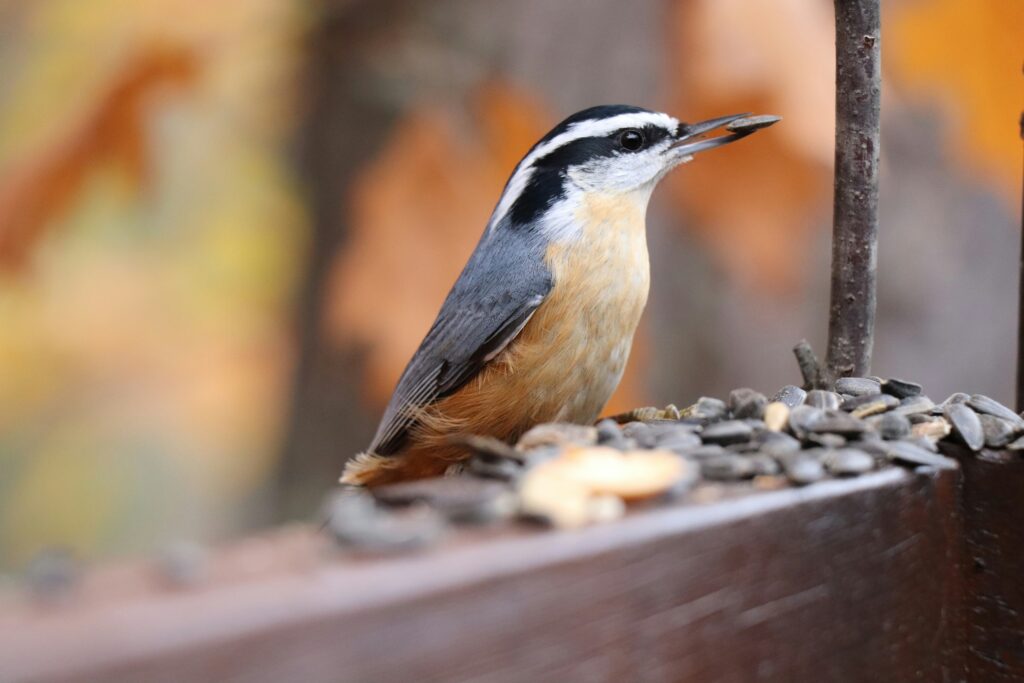
Can feeding backyard birds improve mental well-being? New research suggests that for the 59 million Americans who engage in the practice, the answer is yes. A study led by researchers at Virginia Tech found that most participants in a community science project across the U.S. and Canada believed feeding and…Can feeding backyard birds improve mental well-being? New research suggests that for the 59 million Americans who engage in the practice, the answer is yes. A study led by researchers at Virginia Tech found that most participants in a community science project across the U.S. and Canada believed feeding and watching birds positively influenced their well-being. The researchers further found that these positive effects were manifested in three ways: emotions, engagement and a sense of meaning. The researchers surveyed over 3,600 participants in Project FeederWatch , an initiative that encourages people to submit their winter bird-feeding observations. Participants completed a mental wellbeing questionnaire before and after the six-month FeederWatch period and described how they felt feeding and observing birds had impacted them. By the end of the six months, 95% of participants reported that feeding and observing birds had positively affected them. Meanwhile, only 55% said other events in their lives had a positive effect during that time. While the study highlights positive impacts of bird-feeding on humans, the activity can both benefit and create risks for birds. The research team recommends checking guidance from Project FeederWatch on how to reduce risks to birds, such as by cleaning feeders regularly, keeping cats indoors and collision-proofing windows. Read more at Virginia Tech News .
Thank you for registering for the upcoming webinar, “Smarter Pest Control Starts with Scent,” a sponsored content event with Liphatech. A link to the live event will be sent to you two hours before the event. Your personalized event URL will be automatically generated by the ON24 system. To ensure…Thank you for registering for the upcoming webinar, “Smarter Pest Control Starts with Scent,” a sponsored content event with Liphatech. A link to the live event will be sent to you two hours before the event. Your personalized event URL will be automatically generated by the ON24 system. To ensure receipt of the email, please […] The post Thank you for registering first appeared on Pest Management Professional.
People gaze at me with a puzzled expression when I explain that a nesting loggerhead sea turtle helped build our family. It is the truth. On a darkened, windswept beach along … Read more The post Sea Turtle Conservation and the Familial Bonds Shaped by Nature appeared first on The…People gaze at me with a puzzled expression when I explain that a nesting loggerhead sea turtle helped build our family. It is the truth. On a darkened, windswept beach along … Read more The post Sea Turtle Conservation and the Familial Bonds Shaped by Nature appeared first on The National Wildlife Federation Blog.
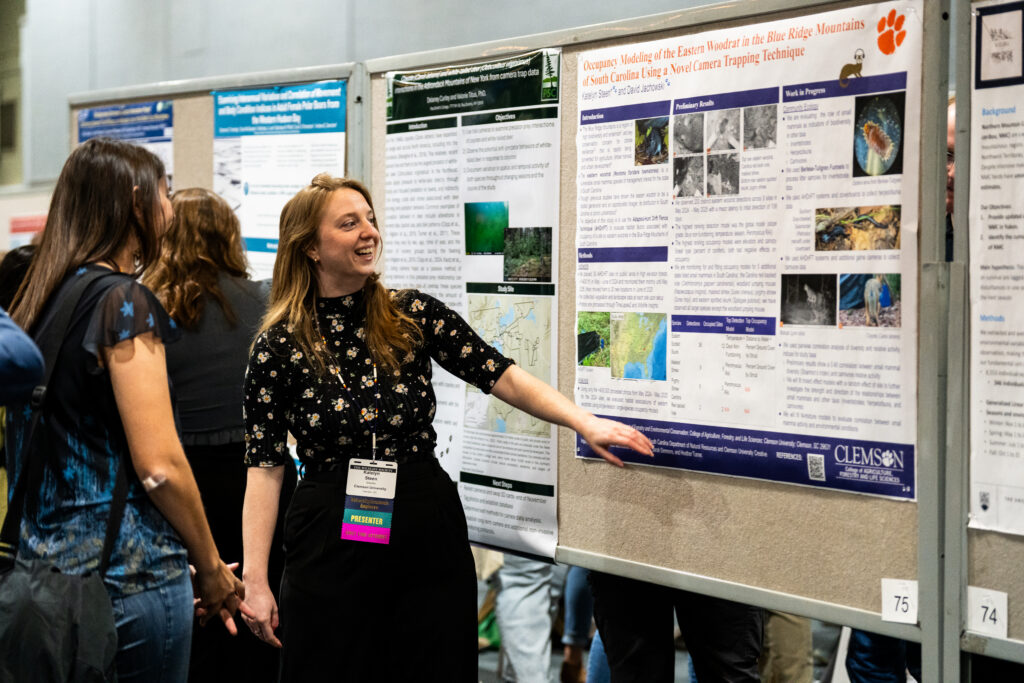
The natural resources profession is entering a period of tremendous opportunity and change. Demand for skilled professionals in wildlife biology, ecology, forestry, fisheries, wetland science and related fields is expected to grow in the coming years. At the same time, employers increasingly seek professionals with diverse technical expertise, strong communication…The natural resources profession is entering a period of tremendous opportunity and change. Demand for skilled professionals in wildlife biology, ecology, forestry, fisheries, wetland science and related fields is expected to grow in the coming years. At the same time, employers increasingly seek professionals with diverse technical expertise, strong communication abilities, interdisciplinary knowledge and practical field experience. As the profession evolves, universities face an important question: Are we preparing students with the knowledge, skills and experiences needed to succeed in today’s workforce? Aaron Haines To help answer that question, I am conducting a nationwide survey of natural resource professionals to identify the academic content, field techniques, professional competencies and workplace skills most important for career success. The results of the survey titled “Help Shape the Future of the Natural Resources Profession” will be used to develop a career-readiness tool database designed to better prepare students for careers in natural resources while increasing transparency about pathways to employment. Why this project matters Although employment opportunities in natural resources continue to expand, the profession has historically faced challenges in recruiting and retaining a diverse workforce. At the same time, modern natural resource management has become increasingly interdisciplinary, requiring professionals to possess a broader and more complex set of skills than ever before. Students often enter college with different levels of exposure to natural resources careers. Some have access to mentoring, internships, outdoor experiences and professional networks, while others may have little familiarity with career expectations or professional development opportunities. This information gap can create barriers for students attempting to navigate career pathways. The goal of this project is to help level the playing field by providing aspiring professionals with direct guidance from individuals currently working in the field. Developing a career-readiness tool The proposed career-readiness tool, a database to help students and educators better understand how to prepare for the natural resources field, will be built from feedback provided by practicing natural resource professionals. By compiling information from a large number of natural resource professionals across multiple disciplines, the tool will help students better understand: Educational requirements for various career paths Technical skills most valued by employers Important field and laboratory techniques Professional competencies needed for advancement Career experiences that improve employability Emerging trends within the profession The database will allow students to compare career paths, identify skill gaps and prioritize educational and professional development opportunities that align with their career goals. Rather than relying solely on anecdotal advice, students will have access to insights derived directly from professionals working throughout the natural resources sector. Benefits for students and educators The project is intended to benefit not only students but also colleges, universities and employers. For students, the tool can provide greater clarity, confidence and preparedness when pursuing careers in wildlife conservation, ecological research, forestry, fisheries management, wetlands and other natural resource professions. For educators, the survey findings can help inform curriculum development and experiential learning opportunities. Professional feedback can identify areas where academic programs may better incorporate workforce-relevant training and professional skills. Previous research has emphasized the importance of integrating skills, such as communication, collaboration, structured decision-making, leadership, consensus-building and professional problem-solving. By understanding employer expectations and workforce needs, academic programs can more effectively prepare graduates for successful careers in natural resource conservation, management and research. A request to natural resource professionals The success of this initiative depends on participation from practicing professionals across the natural resources field. Whether you work as a wildlife biologist, ecologist, forester, fisheries professional, wetland scientist, environmental consultant, conservation practitioner, natural resource manager or in some other capacity as a wildlifer, your experience and perspective are valuable. By sharing insights from those currently working in the field, this project aims to strengthen workforce readiness, improve accessibility to career information and support efforts to build a more diverse and effective natural resources profession. Your participation can help shape the future of conservation education and ensure that tomorrow’s professionals are equipped with the knowledge and skills needed to meet the complex challenges of natural resource management. The survey takes approximately 10 minutes to complete and seeks feedback regarding the knowledge, skills and competencies most important in your profession. The information gathered will contribute directly to the development of a career-readiness resource that can help guide future generations of conservation professionals. For questions regarding participant rights, contact Jeffry Porter, Director of Sponsored Projects and Research Administration, Millersville University, at Je *********** @ ********** le.edu . Click here to take the “Help Shape the Future of the Natural Resources Profession survey.” Article by Aaron Haines
“Never doubt that a small group of thoughtful, committed citizens can change the world; indeed, it’s the only thing that ever has.” – Margaret Mead This year, the United States … Read more The post How You Can Make a Difference in Conservation This 250th Birthday appeared first on The…“Never doubt that a small group of thoughtful, committed citizens can change the world; indeed, it’s the only thing that ever has.” – Margaret Mead This year, the United States … Read more The post How You Can Make a Difference in Conservation This 250th Birthday appeared first on The National Wildlife Federation Blog.
More than three decades ago, a disappointing apple harvest and a chance event set Dave Hunter on an unexpected path. After his wife came home buzzing about a neighbor’s apple tree that was producing thousands of apples while their tree sat barren, Hunter went searching for solutions to his comparatively…More than three decades ago, a disappointing apple harvest and a chance event set Dave Hunter on an unexpected path. After his wife came home buzzing about a neighbor’s apple tree that was producing thousands of apples while their tree sat barren, Hunter went searching for solutions to his comparatively disappointing backyard harvest. The answer was Mason bees, a genus native to North America. Hunter soon began to build his first simple backyard bee house. Within a few years, his own tree was also heavy with fruit. His first bite of success sparked a fascination with native pollinators. Hunter is now the founder and owner of Crown Bees, a company dedicated to raising, releasing and providing habitats for native bees while educating backyard conservationists. Crown Bees started focusing on boosting mason bee populations through their products but have expanded from a single species to a diverse community of cavity-nesting native bees. The company has shifted through time from “how do we use bees” for agriculture and gardening to “how do we understand them?” Today, the company’s philosophy is “try to think like a bee.” Crown Bees focuses on what cavity-nesting bees need to nest and forage. The company leverages iNaturalist, a citizen science identification app, to teach people about the bees located in their own backyard. The company aims to support pollinator conservation while fostering healthy and productive landscapes. For our latest Q&A, TWS spoke with Hunter about conservation of native bees and what success looks like. What do you think is the biggest misconception about native bees? The biggest issue isn’t just public misunderstanding. It’s ignorance baked into mainstream media. Newspapers, magazines, pundits—they almost always reach for pictures and video of honeybees, and they almost always interview the local honeybee club. The public hasn’t really had access to true wild bee advocates yet, so the honeybee becomes the default story by default, not by accident. Mason bees are of the genus Osmia and named for their habit of using mud or other “masonry” products in constructing their nests Martin Cooper So when most people hear “bees,” they think honeybees. They’ve heard about colony declines, they’ve seen the headlines about hive collapses, and more recently, they’ve seen news of honeybee trucks tipping over on the highway or aerial mosquito sprays killing a hive. In most people’s minds, “saving the bees” means saving honeybees, nothing more. What gets missed is staggering. There are over 25,000 bee species worldwide, and only about a dozen of those are honeybees. In the U.S. alone, there are more than 4,000 native bee species, and most look nothing like what people picture. They don’t live in colonies. They don’t make honey. Most are solitary, meaning a single female does all its own work, and most are gentle because they have no hive to defend. When someone hears that for the first time, they’re genuinely amazed that there are bees whose whole job is simply to pollinate, quietly, without anyone managing them. And these are the bees actually running nature day to day. My favorite part is what comes next. The next question tends to be, “How can I help?” People don’t want to just feel bad about a problem. Once they understand native bees are all around them and that they can support them in their own yard, they want to act. That instinct is real, and it’s exactly what we’re here to support. Is the slogan “save the bees” a bad message? “Save the bees” is a good starting point. It’s simple and memorable, and it gets people to stop and pay attention. The problem isn’t the phrase. The problem is when that’s the entire conversation, because then people are left holding a big, vague worry with nowhere to put it. Or they spend a lot of money on honeybee equipment and protective gear to ultimately fail. We’re also riding a related shift right now: people are starting to understand that the most important pollinator isn’t the honeybee—wild bees do the heavy lifting. Save the right bee. That awareness is spreading slowly, mostly word of mouth, and we want to be part of that correction. But we don’t try to teach someone all of native pollinator ecology in one sitting, either. That just flattens things in the other direction, where it gets so complicated people feel like they can’t possibly make a difference. So we focus on the “why,” and we hand it over in small, true pieces. Why does this bee need bare ground? Why does that one need a hollow stem left standing through winter? Why does the timing of your first warm days matter? Then, we connect every “why” to one thing a person can actually do in their own backyard. Leave a patch of dirt unmulched. Plant something that blooms early. Put up a nesting house and learn to tend it. One small activity, done well, should genuinely change the environment right around you. That’s not a simplification—I believe that’s where conservation actually happens, yard by yard or friend by friend. And the best part is what comes next. Someone does that one thing, sees the bees show up and tells a neighbor. How do backyard conservation efforts connect to bigger restoration goals? Advocacy takes time, and it almost always starts small. For a backyard gardener, the first step is just learning that pollen and nectar without chemicals in their own yard are a good thing. As they try raising spring or summer bees, something clicks: these bees don’t respect fence lines. They’re flying into neighbors’ yards, too, and they could be harmed there by chemicals the neighbor doesn’t even know to avoid. Bee chalets hold materials that help house native bees. Credit: Kaylyn Zipp/The Wildlife Society That realization is where we try to help connect with people. We teach them to put up a simple sign or hand neighbors a piece of paper that says something like, “Our bees will be flying in your yard for the next six to seven weeks. Would you mind holding off on spraying chemicals?” It’s a small, low-stakes ask, but it plants the idea that these bees, the ones pollinating the neighbor’s own garden too, are vulnerable to decisions made beyond a single property line. For people who want to take that further, this is usually where advocacy begins. Once someone understands that their bees are affected by what happens around them, they start talking to neighbors, to their local community, sometimes to their city. Not everyone is going to become an advocate, and that’s fine. But we believe awareness compounds. The more people in an area who understand what these bees need and who they’re affected by, the more groundwork exists for real legislative or landscape-scale changes down the road. Backyard action isn’t separate from policy. It’s usually where the support for policy comes from. Your rewilding initiative uses iNaturalist observations to help people discover native bees in their communities. How has access to that data changed the way people think about pollinators and conservation? The people we talk to usually start at a 101 level. The first surprise for most of them is simply learning that there are bees out there that don’t make honey and instead nest in holes. From there, as they try out mason bees or leafcutter bees themselves, we start introducing them to the wider community of wild bees that might already be living around their own home. To support that next step, we built a tool called “Where the Wild Bees Are”, which draws on iNaturalist observation data. It zeroes in on the cavity-nesting bee and wasp species that have been recorded near a user’s location, so people can start to see, concretely, which wild bees might already be in their neighborhood rather than thinking of “bees” as one generic category. What’s been most interesting isn’t a single dramatic pattern in the data so much as the shift it creates in how people think. Once someone sees that there are eight, ten, fifteen different cavity-nesting species potentially within range of their yard, the question changes from “how do I raise mason bees” to “what does this whole community of bees actually need.” Our hope is that this awareness leads people to act on two fronts: planting pollen and nectar sources that bloom continuously from spring through deep summer, and putting out nesting holes in a range of sizes. Those two things, food and shelter across the season, are what actually give wild bees a chance to move in and stay. What does success look like to you? As a for-profit, mission-based company, success starts with something simple: increased sales mean more people learning about and trying out solitary bees. Every new customer is someone we get to teach, not just sell to. With each order, we’re handing over the basics of advocacy and the simple how-to’s that set them up to actually succeed with their bees, rather than give up after one bad season. We also look at it beyond the transaction. More subscribers to our BeeMail newsletter, more followers on YouTube or social media, that’s the message spreading further than we could reach alone. Each of those is someone carrying a piece of this forward into their own circle. We try hard to practice what we teach. Our bees are regionally sourced, so a customer in a given area receives bees that were actually reared nearby, not shipped across the country and dropped into an unfamiliar climate. We design our products with the bee’s needs first and the bee raiser’s needs second, because if the bee doesn’t thrive, nothing else matters. But honestly, the clearest signal of success isn’t any of our metrics. It’s the warm, sometimes slightly emotional comments and questions we get from customers. Someone writing in to say they watched their first leafcutter bee emerge, or asking how to help a struggling cocoon, or just wanting to know more because they’re hooked. That tells us the message didn’t just get delivered; it landed. It became someone’s own curiosity and care, not just ours. That’s succ
ArticleWildlife Damage Management Technical Series
United States Department of Agriculture: Animal and Plant Health Inspection Service Wildlife Damage Management Technical Series Date of this Version 2020 Document Type Article Citation Taylor, J.D. and J.P. Phillips. 2020. Black Bear. Wildlife Damage Management Technical Series. USDA, APHIS, WS National Wildlife Research Center. Fort Collins, Colorado. 30p. Abstract…United States Department of Agriculture: Animal and Plant Health Inspection Service Wildlife Damage Management Technical Series Date of this Version 2020 Document Type Article Citation Taylor, J.D. and J.P. Phillips. 2020. Black Bear. Wildlife Damage Management Technical Series. USDA, APHIS, WS National Wildlife Research Center. Fort Collins, Colorado. 30p. Abstract The American black bear (Ursus americanus, Figure 1) is a challenging species for wildlife agencies to manage due to its size, intelligence, extensive range, food habits, and adaptability, as well as societal views. In North America alone, agencies receive more than 40,000 complaints about black bear annually. Black bears are known as ‘food-driven’ animals, meaning most conflicts result from a bear’s drive to meet its nutritional needs. Not surprisingly, an overwhelming proportion of conflicts are related to their use of anthropogenic (human) food sources, such as garbage, bird food, and crops. Understanding what drives human-bear conflict is the first part of good management. Methods to manage human-bear conflicts can be grouped into two general categories: proactive and reactive. Proactive management attempts to change human behavior and prevent conflict, or keep it from recurring. Examples of proactive management include removing attractants, education and awareness, and exclusion. Conversely, reactive management attempts to change bear behavior or results in the lethal removal of the bear. Prior to any management action, there are important factors that managers and homeowners should consider. First, many of the methods described herein are only permissible to licensed personnel, such as state and federal biologists and wildlife managers. It is up to the individual to know which strategies are legal by reviewing local laws and agency websites. Also, it is important to note that any action plan should consider the side effects of the action and include a system for monitoring efficacy (short and long-term reactions of the bear). Documenting the season, time of day, type of conflict, and any information about the bear(s) involved is important for monitoring results. Be aware that the removal of the offending bear may open up its territory to other bear and conflicts, if the cause of the conflict is not mitigated. DOWNLOADS Since March 03, 2020 COinS
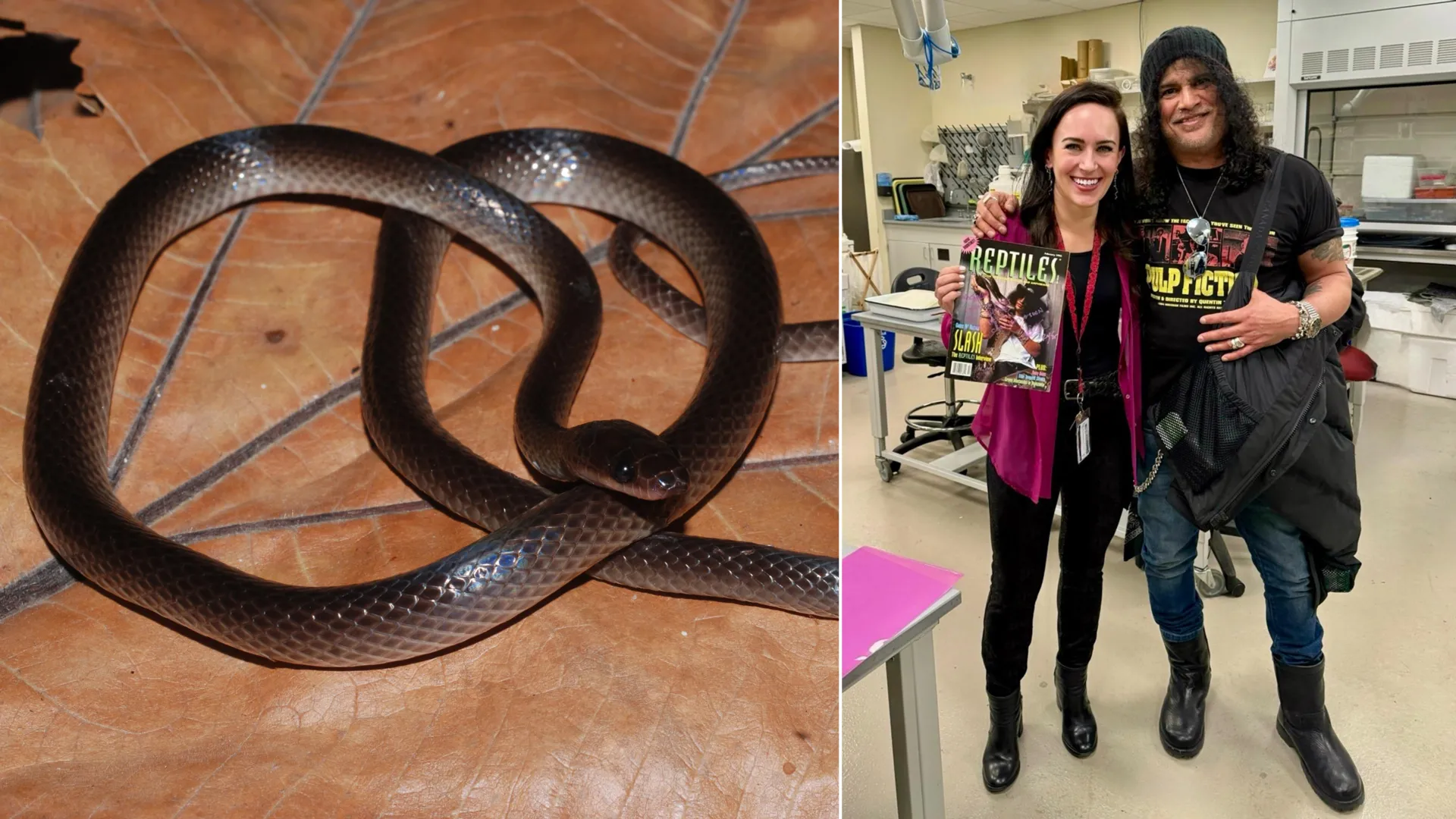
Slash, also known as Saul Hudson, is famous worldwide as the guitarist for Guns N' Roses. But music is only part of his story. He has also been fascinated by reptiles for most of his life and has long supported zoos, museums, and natural history. Now that passion has earned…Slash, also known as Saul Hudson, is famous worldwide as the guitarist for Guns N' Roses. But music is only part of his story. He has also been fascinated by reptiles for most of his life and has long supported zoos, museums, and natural history. Now that passion has earned him an unusual scientific honor. Researchers have named a newly identified snake species from New Guinea Lielaphis slashi , or Slash's groundsnake. "As a long time herpephile, I am extremely honored and humbled to have Lielaphis slashi from New Guinea named after me. It is really exciting, I never would have imagined this moment would arrive," says Slash. A Childhood Connection to Slash For Sara Ruane, the Field Museum's Associate Curator of Herpetology and senior author of a paper in Zootaxa describing the species, the name also has a personal connection. "Guns N' Roses has been one of my favorite bands since I was in first grade, and by fifth grade, I had already told my teacher that I wanted to be a herpetologist -- a scientist who studies reptiles -- when I grew up," says Sara Ruane, the Field Museum's Associate Curator of Herpetology and senior author of a paper in Zootaxa describing the new species. "So when I was twelve years old and got my copy of Reptiles Magazine in the mail and it had a picture of Slash holding his pet reticulated python on the cover, I thought, 'This guy is so cool.'" Years later, after Ruane became a scientist who sometimes has the opportunity to assign official names to newly recognized reptile species, she returned to that old magazine interview. "I reread his interview, and he talked about how much he loves museums and zoos and natural history, and about how when he was a kid, he'd go outside and look for snakes -- it was all stuff that I really related to, and it made me think that he'd be a great person to name a new species after," says Ruane. Her opportunity eventually came in the form of a reddish-brown snake measuring 28 inches long that had been collected in the forests of New Guinea. A Mysterious Snake From New Guinea New Guinea is the world's second-largest island, behind Greenland. Located just north of Australia, the island is divided between Indonesia and Papua New Guinea. Its tropical forests support enormous biological diversity, much of which remains poorly documented by scientists. During fieldwork one night in 2006, Chris Austin, a professor and curator of herpetology at the Louisiana State University Museum of Natural Science, encountered a snake in New Guinea that he did not recognize. "These New Guinea groundsnakes are nocturnal, so the best way to find them is at night. They are typically found just after sunset at the base of large trees where they are looking for something to eat," says Austin, a co-author of the paper describing the new species. "When working at night in New Guinea you need to be very careful as there are several highly venomous species that look very similar to the non-venomous groundsnakes." After completing her doctorate, Ruane worked with Austin at LSU in 2016. The two began collaborating to better understand New Guinea's poorly studied snakes, and they have continued working together on the group ever since. Genetics Reveal a New Species At first glance, the snake did not obviously appear to represent a species new to science. Laboratory work, however, revealed important differences. "Using multiple cutting-edge genetic analyses, we found that L. slashi is genetically distinct from other similar snakes in the same genus," says Tianqi Huang, the study's first author and a post-doctoral researcher at the Field Museum with Ruane. "The combination of physical characteristics, like differences in numbers of scales when compared with other species, and the genetic evidence is what led us to realize that it is an entirely new species. We also used ecological modeling to show that L. slashi 's preferred habitat is different from similar snakes." The researchers combined genetic evidence with physical traits, including differences in scale counts, to distinguish L. slashi from related snakes. Ecological modeling also indicated that the new species favors a different type of habitat than similar members of the genus. What Slash's Groundsnake Eats Scientists still know relatively little about the behavior and ecology of Slash's groundsnake. "It's incredibly hard to observe snakes in the wild before they slither away, so our knowledge about L. slashi is limited," says Ruane. Its anatomy does provide some hints about how it may live and feed. "Snakes in this genus often have large teeth in the back of their mouths, which New Guinea groundsnakes may use to grab on to and eat small, slippery-scaled lizards and the eggs of other reptiles; this snake isn't grasping and squeezing its prey like a boa constrictor," says Ruane. Although Guns N' Roses has been called the "most dangerous band in the world," its reptilian namesake is not dangerous to people. L. slashi does not produce venom capable of seriously harming a human. Threats to New Guinea's Forests Slash's groundsnake may pose little danger to humans, but human activity could threaten the species and many other animals living in New Guinea's forests. "The habitats that Slash's groundsnake is from are under threat from industries like coffee farming and mining," says Ruane. "That's part of why describing the species that live there is important. Every species should be recognized in order for us to better understand how ecosystems work, how everything fits into the environment. We can't conserve animals or other living things that we don't know about." By formally identifying species such as L. slashi , scientists can build a clearer picture of New Guinea's biodiversity and better understand which organisms may be at risk as their habitats change. This study was contributed to by Tianqi Huang (Field Museum and Rutgers University), Chris Austin (Louisiana State University Museum of Natural Science), Justin Bernstein (Slippery Rock University and the American Museum of Natural History), Bulisa Iova (Papua New Guinea National Museum and Art Gallery), Jackson Roberts (Virginia Museum of Natural History), Jeffrey Frederick (University of Kentucky), and Sara Ruane (Field Museum).
WHEN October 7, 2026 @ 6:00pm–7:30pm EDT JOIN https://us06web.zoom.us/meeting/register/MVFR6JW1QR2WiLXg0ajPCw How do you engage in policy in a way that actually leads to tangible results? Join a panel of wildlife professionals for a candid conversation about ways to engage in policy and learn the processes for influencing legislation. Panelists will share…WHEN October 7, 2026 @ 6:00pm–7:30pm EDT JOIN https://us06web.zoom.us/meeting/register/MVFR6JW1QR2WiLXg0ajPCw How do you engage in policy in a way that actually leads to tangible results? Join a panel of wildlife professionals for a candid conversation about ways to engage in policy and learn the processes for influencing legislation. Panelists will share their experiences in policy and how they have shaped the careers that they are in now. They will also provide practical advice for wildlifers interested in policy careers. Moderators : Moed Gerveni, Public Policy Graduate Student Emily Williams, Student Liaison to TWS Council & Student Development Working Group Chair Kelly O’Connor, TWS Conservation Policy Manager Panelists : (all previous TWS policy interns) Cassi Ferri, Legislative Analyst, Defenders of Wildlife Charlie Booher, Consultant, Watershed Results Lindsay Martinez, Research Program Coordinator, East Foundation Tom Klein, Policy Associate, National Conference of State Legislatures Bios : Moed Gerveni is a wildlife conservation professional with field and research experience primarily with birds. More recently, he has transitioned into advocacy and government relations, focusing on translating conservation science into public policy. His areas of interest are sound habitat management and increased conservation funding at all levels of government. Cassi Ferri specializes in the Endangered Species Act. She supports Defenders of Wildlife’s federal congressional advocacy efforts through coalition work, direct lobbying and grassroots mobilization. Prior to joining Defenders in February 2024, Cassie interned at Environmental Defense Fund, where she focused on tropical forest conservation and indigenous land tenure in the Brazilian Amazon. Previously, she had served as The Wildlife Society’s policy intern. She has also worked as a field technician researching imperiled Seaside Sparrows and Saltmarsh Sparrows in New Jersey’s salt marshes. Cassie holds a B.Sc in Wildlife Ecology from the University of Maine and an M.Sc in Environmental Science and Policy from Northeastern University. Charlie Booher specializes in natural resource conflict resolution. He has the great privilege of representing some of this country’s oldest, largest, and most generous conservation organizations in Helena, Montana and in Washington, D.C. Charlie is an Associate Wildlife Biologist®, a Professional Member of the Boone and Crockett Club, and an occasional outdoor writer. Outside of the office, you can find him hiking in the mountains of Western Montana and re-learning how to hunt and fish in the Northern Rockies. Lindsay Martinez supports research and conservation projects for species of conservation concern across East Foundation’s private cattle ranches in deep South Texas. Martinez is originally from Great Falls, Montana, studied Ecology and Evolutionary Biology at Princeton, and has a master’s degree in Wildlife and Fisheries Sciences from Texas A&M. Prior to working with East Foundation, she completed internships with the National Park Service at Dinosaur National Monument and with TWS’ Government Affairs Program on Capitol Hill. Tom Klein conducts nonpartisan research on wildlife, water and agriculture policy for state legislators and legislative staff and convenes meetings that connect legislators with experts to support informed, science-based decision-making. Before joining NCSL, Tom worked at The Wildlife Society, first as a policy intern and later as a government affairs associate, and previously worked as a wildlife technician with Colorado Parks and Wildlife. He holds a bachelor’s degree in wildlife science and a master’s degree in public policy and administration. Tom is also an Associate Wildlife Biologist and serves as an appointed member of the City of Golden Colorado’s Planning Commission.
Every year, cities participating in the Mayors’ Monarch Pledge program monitor different legs of the monarch migration through community science events. These events encourage individuals to collect data that contributes … Read more The post Science is for Everyone: Mayors’ Monarch Pledge Cities Monitor Monarch Migration Through Community Science Efforts…Every year, cities participating in the Mayors’ Monarch Pledge program monitor different legs of the monarch migration through community science events. These events encourage individuals to collect data that contributes … Read more The post Science is for Everyone: Mayors’ Monarch Pledge Cities Monitor Monarch Migration Through Community Science Efforts appeared first on The National Wildlife Federation Blog.