Squirrel In Attic Removal Near Me Mesquite Searching for Squirrel in Attic Removal Near Me in Mesquite, TX? In this video, AAAC Wildlife Removal of Dallas explains how our experienced team safely and humanely removes squirrels from attics while helping homeowners prevent future wildlife intrusions. Squirrels often enter attics through…Squirrel In Attic Removal Near Me Mesquite Searching for Squirrel in Attic Removal Near Me in Mesquite, TX? In this video, AAAC Wildlife Removal of Dallas explains how our experienced team safely and humanely removes squirrels from attics while helping homeowners prevent future wildlife intrusions. Squirrels often enter attics through small gaps in the roofline, damaged vents, or loose soffits, where they build nests and can cause extensive damage. This video walks you through the warning signs of an attic squirrel problem and explains how our professional removal services can help restore your home. Mesquite's mature trees, residential neighborhoods, parks, and green spaces provide squirrels with the perfect environment to thrive. As they search for warm, protected nesting areas, squirrels frequently make their way into attics, especially during nesting season. Once inside, they may chew electrical wiring, tear insulation, damage wooden framing, and create persistent scratching or scampering noises overhead. In this video, you'll learn how to recognize these common signs before the damage becomes more extensive and expensive to repair. AAAC Wildlife Removal of Dallas follows a thorough process to ensure every squirrel removal project is handled safely and effectively. We begin with a detailed inspection to locate entry points, identify nesting areas, and evaluate any damage caused by the squirrels. Our technicians use humane removal methods that are appropriate for the situation, followed by professional exclusion services to seal vulnerable openings and help prevent squirrels from returning. When necessary, we also provide attic cleanup, sanitization, and minor restoration services to help return your attic to a clean and safe condition. Watch this video to discover why homeowners searching for Squirrel in Attic Removal Near Me in Mesquite, TX trust AAAC Wildlife Removal of Dallas for dependable wildlife control solutions. Whether you've heard scratching sounds above your ceiling, noticed squirrels entering your roof, or suspect wildlife has made its way into your attic, our knowledgeable team is ready to help. Be sure to like this video, subscribe to our channel, and browse our other wildlife education videos for more expert tips on protecting your home from nuisance wildlife. More on YouTube: https://www.youtube.com/watch?v=eAKaZe178II On Sound Cloud: AAAC Wildlife Removal Of Dallas provides professional squirrel removal services in Mesquite, Texas. Contact Us: AAAC Wildlife Removal of Dallas 4925 Greenville Ave Ste 200 Dallas, TX 75206 469-423-9299 Website: https://dallas.aaacwildliferemoval.com/ Email: dallas@aaacwildliferemoval.com Find us around the web: YouTube: https://www.youtube.com/channel/UCU5vEuK2NZCsb56Bv21OQYw Facebook: https://www.facebook.com/profile.php?id=61565888967944 Twitter: https://x.com/aacOfDallas SoundCloud: https://soundcloud.com/aaac-wildlife-removal Blogger: WordPress: Tumblr:
Squirrel Removal Mesquite Protect your home and property with the Squirrel Removal Mesquite, TX playlist from AAAC Wildlife Removal of Dallas. This collection of informative audio tracks is designed to help homeowners, business owners, and property managers understand the challenges squirrels can create when they invade homes and commercial buildings.…Squirrel Removal Mesquite Protect your home and property with the Squirrel Removal Mesquite, TX playlist from AAAC Wildlife Removal of Dallas. This collection of informative audio tracks is designed to help homeowners, business owners, and property managers understand the challenges squirrels can create when they invade homes and commercial buildings. From identifying the early signs of squirrel activity to learning about humane removal and prevention methods, this playlist provides practical information tailored to properties throughout Mesquite. Squirrels are common throughout Mesquite's neighborhoods, parks, and tree-lined streets. While they may seem harmless outdoors, squirrels can become a serious nuisance when they enter attics, crawl spaces, wall voids, and other parts of a structure. They often gain access through roof gaps, damaged vents, soffits, and other small openings. Once inside, squirrels may chew electrical wiring, damage insulation, shred building materials for nesting, and create constant scratching and scampering noises. Throughout this playlist, AAAC Wildlife Removal of Dallas explains its comprehensive squirrel removal process. Topics include detailed property inspections, humane squirrel removal, identification and sealing of entry points, wildlife exclusion services, attic cleanup, sanitization, odor removal, and repairs for wildlife-related damage. You'll also find expert advice on reducing attractants around your property and making your home less appealing to squirrels throughout the year. Whether you're dealing with an active squirrel infestation or simply want to learn how to keep your property protected, this playlist serves as a valuable educational resource for Mesquite, TX property owners. Follow AAAC Wildlife Removal of Dallas on SoundCloud for more expert insights, wildlife prevention tips, and professional guidance that helps keep homes and businesses safe, clean, and free from nuisance wildlife. More on Sound Cloud: https://soundcloud.com/aaac-wildlife-removal/sets/raccoon-removal-mesquite On YouTube: https://www.youtube.com/playlist?list=PLVOsV_SFyh2M AAAC Wildlife Removal Of Dallas provides professional squirrel removal services in Mesquite, Texas. Contact Us: AAAC Wildlife Removal of Dallas 4925 Greenville Ave Ste 200 Dallas, TX 75206 469-423-9299 Website: https://dallas.aaacwildliferemoval.com/ Email: dallas@aaacwildliferemoval.com Find us around the web: YouTube: https://www.youtube.com/channel/UCU5vEuK2NZCsb56Bv21OQYw Facebook: https://www.facebook.com/profile.php?id=61565888967944 Twitter: https://x.com/aacOfDallas SoundCloud: https://soundcloud.com/aaac-wildlife-removal Blogger: WordPress: Tumblr:
“Chocolate, avocados, onions, and moldy foods are some of the most poisonous items you can leave out for squirrels. Even small amounts of these everyday ingredients can cause serious health issues—or be fatal—for these sensitive rodents.” Squirrels may look harmless scampering across your fence or chasing each other up a…“Chocolate, avocados, onions, and moldy foods are some of the most poisonous items you can leave out for squirrels. Even small amounts of these everyday ingredients can cause serious health issues—or be fatal—for these sensitive rodents.” Squirrels may look harmless scampering across your fence or chasing each other up a tree, but when they show up in your attic or tear through your garden, that charm disappears fast. In leafy neighborhoods where parks are close by and backyard bird feeders are everywhere, it’s no surprise that squirrels are regular visitors—and sometimes uninvited tenants. While many people enjoy watching them or even tossing out food, what you leave behind can actually be dangerous to squirrels—and a bigger headache for you without proper squirrel control . This article isn’t about harming wildlife. It’s about knowing what food is poisonous to squirrels so you don’t accidentally invite them in or make them sick. If you’ve been leaving out scraps, filling feeders, or composting without thinking twice, there’s a good chance you’re creating a squirrel buffet without even realizing it. Let’s break down what to avoid, what to secure, and how to protect both your home and the squirrels from a bad encounter. What Is The Most Dangerous Foods for Squirrels? Chocolate and Caffeinated Products Chocolate is one of the most toxic substances you can accidentally leave out for squirrels or any rodent. It contains theobromine—a stimulant that these small animals can’t metabolize effectively. Just a small amount from a brownie, chocolate almond bar, or sugar-filled candy can trigger tremors, elevated heart rate, or seizures in squirrels. Since they have such fast metabolisms and tiny bodies, the toxic effects hit hard and fast, often with serious consequences. Caffeinated foods and drinks are equally dangerous. Coffee grounds , soda spills, or chocolate-covered espresso beans tossed into a compost pile can be life-threatening if a squirrel gets into them. Where outdoor parties and backyard BBQs are common, it’s easy for sugary or caffeine-rich snacks to end up where rodents roam. To keep squirrels safe and your property clear of unwelcome visitors, make it a habit to clean up thoroughly and store all sweet or stimulant-laced foods securely. Avocados Avocados contain persin, a fungicidal toxin found in the fruit’s skin, pit, and even its leaves. While persin might not harm humans, it can be toxic to many animals, including squirrels. The risk isn’t just in eating an avocado—squirrels that nibble on a discarded peel, chewed seed, or exposed pit can experience digestive issues or worse. What makes this even more concerning is how easily avocado waste can be overlooked, especially in compost bins. If you’re growing avocado trees or preparing guacamole from scratch, this is something to stay mindful of. As urban farming and composting become more popular, the risk of accidentally exposing squirrels to this toxic fruit increases. Make sure avocado scraps are properly sealed or discarded, and if you have a tree, regularly clear fallen fruit from the yard. It’s better to be safe than to unknowingly poison a local animal. Onions, Garlic, and Spicy Foods While these aromatic kitchen staples may keep your chili full of flavor, they spell serious trouble for squirrels. Onions and garlic contain compounds that can damage red blood cells, leading to anemia and other health complications. The danger extends to cooked dishes, too. If a squirrel gets into leftover food seasoned with garlic or onions, even in small amounts, it can suffer lasting effects. In worst cases, repeated exposure can be fatal over time. Spicy foods also pack a punch that squirrels can’t handle. Hot sauce remnants, chili powder, or discarded tacos can cause severe digestive distress. Where spicy dishes are a staple, food waste often ends up in outdoor bins or compost piles. Make sure spicy scraps are stored in critter-proof containers, and avoid tossing seasoned leftovers near your patio or yard. The goal isn’t just to avoid harming squirrels—it’s to stop inviting them altogether. Alcohol and Fermented Fruit Alcohol might seem like an unlikely threat to wildlife, but squirrels are highly sensitive to it. Whether it’s beer spills from a tailgate, wine left out on the porch, or sugary cocktails left on patio tables, these drinks can lead to disorientation, slowed reaction time, and eventually liver failure in squirrels. Their small bodies can’t handle even trace amounts, and it doesn’t take much to put them in serious danger. Another sneaky culprit? Overripe or fermenting fruit, especially in backyards with peach, fig, or persimmon trees. As the fruit falls and begins to break down, it can release natural alcohols that attract squirrels and get them intoxicated. They may stagger, fall from trees, or become easy prey for predators. Regularly clean up fruit from the ground and keep alcoholic beverages secure during outdoor events. Salty Snacks and Chips Salt is another ingredient that can easily disrupt a squirrel’s internal balance. While humans can handle a salty snack during a football game or backyard hangout, squirrels don’t process salt well. Even a few bites of junk food like chips, pretzels, or salted walnut snacks can dehydrate them and overwork their kidneys. These types of treats also contain added sugar and artificial ingredients that offer zero nutritional value for squirrels—making them both harmful and useless from a dietary perspective. Many of these items—especially sugary breakfast cereals or processed snack mixes—are casually dropped or tossed outside without much thought. But to a hungry squirrel, that forgotten bowl of cereal or spilled trail mix is a full meal. Where outdoor events, food trucks, and weekend cookouts are part of the culture, squirrels quickly learn where the good stuff is. Cleaning up sugary crumbs and sealing snack waste tightly are easy steps that help discourage squirrels from turning your yard into their favorite buffet line. Surprising “Healthy” Foods That Still Poisonous To Squirrels Not all squirrel-dangerous foods are obviously harmful. Some look totally natural or even nutritious—but for squirrels, they can cause more harm than good. These foods often show up in gardens, bird feeders, compost piles, or well-meaning attempts to “feed the wildlife.” Here’s what to watch for. Raw Corn (Especially Moldy Corn) Corn might seem harmless—it’s a common ingredient in bird seed, livestock feed, and even human snacks. But when corn starts to mold, it can develop aflatoxins, which are highly toxic to squirrels and many other animals. Aflatoxins are produced by certain types of fungi and can affect liver function, immune systems, and even lead to cancer in wildlife. A squirrel doesn’t have to eat much moldy corn for it to cause serious internal damage. The risk goes up during warm, humid stretches—especially in summer—when moisture speeds up mold growth. Corn that’s left outside for too long, stored improperly in feeders, or tossed into compost piles can quickly become a hidden hazard. If you’re putting out corn in a feeder, store it in a dry place, change it frequently, and never offer anything that smells off or looks discolored. It’s not just about nutrition—it’s about safety. Bread and Processed Carbs Bread might feel like a safe, throwaway snack for critters—but it’s actually a poor and potentially harmful food choice for squirrels. Bread, crackers, and other refined carbs offer little to no nutrition, and they can expand in a squirrel’s stomach, leading to bloating or discomfort. In some cases, processed bread products contain preservatives and additives that are hard for squirrels to digest, weakening their system over time. Squirrels that eat too much bread often end up malnourished despite feeling full. This is especially common in neighborhoods where residents leave out food “just to be nice.” Unfortunately, the kindness backfires. Instead of helping, you may be attracting squirrels that grow dependent on an unhealthy food source—and more likely to take up permanent residence in your attic. If you want to be squirrel-friendly, stick to natural deterrents and avoid the bread basket. Peanuts (Especially Salted or Moldy) Peanuts are a bit of a wildcard. While they’re often seen in squirrel food blends or used to lure wildlife for photos, they aren’t actually nuts—they’re legumes. And when they’re salted, roasted, or worse, moldy, they become a serious risk. Moldy peanuts, like corn, can carry aflatoxins that attack a squirrel’s liver and immune system. Salted peanuts, on the other hand, can cause dehydration and kidney stress. This matters because many people use peanuts to feed birds or squirrels without realizing the risks. In fact, some birdseed mixes from big-box stores still include them. If you’re trying to keep squirrels away from your yard—or avoid poisoning them by accident—skip the peanuts. And if you must use them, go for raw, unsalted, and fresh, and use a squirrel-proof bird feeder so your effort to help one species doesn’t endanger another. Foods That Attract Squirrels (But Shouldn’t) Some foods might not be poisonous, but they’re basically neon signs saying “Free Snacks Here!” for squirrels. These attractants can lead to more frequent visits, nesting, and eventual infestations. If you’re trying to squirrel-proof your yard or keep them from invading your home, these are the items to manage carefully. Bird Seed and Pet Food Bird feeders are one of the top culprits for squirrel problems. Many blends contain sunflower seeds, millet, corn, and peanuts—aka squirrel candy. Once they find a reliable food source, squirrels will return again and again, sometimes destroying the feeder in the process. The same goes for pet food left outside. Dry kibble and wet food alike are high-protein, calorie-dense meals that squirrels will happily devour. Where backyard birdwatching is popular and outdoor pet bowls are commo
United States Department of Agriculture: Animal and Plant Health Inspection Service United States Department of Agriculture Wildlife Services: Staff Publications Accessibility Remediation If you are unable to use this item in its current form due to accessibility barriers, you may request remediation through our remediation request form . Jonathan Q.…United States Department of Agriculture: Animal and Plant Health Inspection Service United States Department of Agriculture Wildlife Services: Staff Publications Accessibility Remediation If you are unable to use this item in its current form due to accessibility barriers, you may request remediation through our remediation request form . Jonathan Q. Richmond , US Geological Survey, Western Region Ecological Center Tim Harvey-Samuel , School of Life Sciences, Keele University, Staffordshire, United Kingdom Melia G. Nafus , U.S. Geological Survey Adam Perez , US Geological Survey Renee Bellinger , US Geological Survey Antoinette J. Piaggio , USDA National Wildlife Research Center Riley Taitingfong , Udall Center's Native Nations Institute at the University of Arizona Margaret E. Hunter , US Geological Survey Robert N. Fisher , US Geological Survey ORCID IDs Jonathan Richmond - 0000-0001-9398-4894 Tim Harvey-Samuel - 0000-0003-4006-7034 Melia Nafus - 0000-0002-7325-3055 Adam Perez - 0000-0001-5057-1133 M Renee Bellinger - 0000-0001-5274-9572 Antoinette Piaggio - 0000-0002-4701-0746 Riley Taitingfong - 0000-0003-0981-4783 Margaret Hunter - 0000-0002-4760-9302 Robert Fisher - 0000-0002-2956-3240 Document Type Report Date of this Version 9-2026 Citation Citation: Richmond, J. Q., T. Harvey-Samuel, M. G. Nafus, A. Perez, R. Bellinger, A. Piaggio, R. Taitingfong, M. E. Hunter, and R. N. Fisher. 2026. An evaluation of next-generation biological control methods for the invasive brown treesnake in the Mariana Islands—2026 Final Report. Hawai‘i Cooperative Studies Unit Technical Report HCSU-120. University of Hawai‘i at Hilo. 54 pages. https://hdl.handle.net/10790/5403 DOWNLOADS Since October 30, 2026 Included in Natural Resources and Conservation Commons , Natural Resources Management and Policy Commons , Other Environmental Sciences Commons , Other Veterinary Medicine Commons , Population Biology Commons , Terrestrial and Aquatic Ecology Commons , Veterinary Infectious Diseases Commons , Veterinary Microbiology and Immunobiology Commons , Veterinary Preventive Medicine, Epidemiology, and Public Health Commons , Zoology Commons COinS
Squirrel Removal Near Me Mesquite Searching for Squirrel Removal Near Me in Mesquite, TX? In this video, AAAC Wildlife Removal of Dallas explains how our professional team safely and humanely removes squirrels from homes and businesses throughout the Mesquite area. Squirrels can enter attics, crawl spaces, garages, wall voids, and…Squirrel Removal Near Me Mesquite Searching for Squirrel Removal Near Me in Mesquite, TX? In this video, AAAC Wildlife Removal of Dallas explains how our professional team safely and humanely removes squirrels from homes and businesses throughout the Mesquite area. Squirrels can enter attics, crawl spaces, garages, wall voids, and other parts of a building through surprisingly small openings. Once inside, they can damage insulation, chew electrical wiring, build nests, and create constant scratching or scampering noises. This video explains how our squirrel removal services help resolve these issues while protecting your property. Mesquite's tree-lined neighborhoods, parks, greenbelts, and growing residential developments provide an ideal habitat for squirrels. As they search for food and secure nesting locations, squirrels often climb onto rooftops and enter buildings through roof vents, soffits, fascia boards, or damaged roofing materials. In this video, you'll learn about the common signs of squirrel activity, including noises in the attic, visible chew marks, damaged vents, nesting materials, and frequent squirrel sightings around your roofline. AAAC Wildlife Removal of Dallas uses a comprehensive approach to squirrel removal that focuses on humane practices and long-term prevention. Every service starts with a detailed property inspection to identify the squirrel's entry points, nesting areas, and any damage that has occurred. Our experienced technicians safely remove the squirrels, seal potential access points through professional exclusion services, and provide cleanup and sanitization when needed. By addressing both the immediate problem and the underlying cause, we help reduce the risk of future squirrel infestations. Watch this video to learn why homeowners and businesses searching for Squirrel Removal Near Me in Mesquite, TX rely on AAAC Wildlife Removal of Dallas for professional wildlife control services. Whether you're dealing with an active squirrel problem or want to prevent future wildlife intrusions, our team is ready to provide dependable solutions tailored to your property. Don't forget to like this video, subscribe to our channel, and browse our other wildlife education videos for more expert tips on protecting your home or business from nuisance wildlife. More on YouTube: https://www.youtube.com/watch?v=A7VZvDcqxrE On Sound Cloud: AAAC Wildlife Removal Of Dallas provides professional squirrel removal services in Mesquite, Texas. Contact Us: AAAC Wildlife Removal of Dallas 4925 Greenville Ave Ste 200 Dallas, TX 75206 469-423-9299 Website: https://dallas.aaacwildliferemoval.com/ Email: dallas@aaacwildliferemoval.com Find us around the web: YouTube: https://www.youtube.com/channel/UCU5vEuK2NZCsb56Bv21OQYw Facebook: https://www.facebook.com/profile.php?id=61565888967944 Twitter: https://x.com/aacOfDallas SoundCloud: https://soundcloud.com/aaac-wildlife-removal Blogger: WordPress: Tumblr:
Document Type Report Publication Date 1995 Abstract A modelling effort using POP-II software was presented to show the effects of altering the harvest structure of the reduction. The relatively high harvests of the last two years may result in maintaining the current Park population levels. A variety of scenarios increasing…Document Type Report Publication Date 1995 Abstract A modelling effort using POP-II software was presented to show the effects of altering the harvest structure of the reduction. The relatively high harvests of the last two years may result in maintaining the current Park population levels. A variety of scenarios increasing the number and proportion of cows harvested show the greater effects cow harvests have on reducing the population relative to bull harvests. Recommended Citation United States Department of the Interior, National Park Service, "Jackson Hole Cooperative Elk Studies Group, Grand Teton National Park, 1995 Annual Report" (1995). Wildlife Conservation and Management. Paper 10. https://digitalcommons.usu.edu/govdocs_wildlife/10 DOWNLOADS Since August 30, 2011 COinS
Squirrel Removal From Attic Mesquite Do you need professional Squirrel Removal From Attic in Mesquite, TX? In this video, AAAC Wildlife Removal of Dallas explains how our experienced wildlife specialists safely and humanely remove squirrels from attics while helping protect your home from future invasions. Attics provide squirrels with warmth,…Squirrel Removal From Attic Mesquite Do you need professional Squirrel Removal From Attic in Mesquite, TX? In this video, AAAC Wildlife Removal of Dallas explains how our experienced wildlife specialists safely and humanely remove squirrels from attics while helping protect your home from future invasions. Attics provide squirrels with warmth, shelter, and a secure place to build nests, making them one of the most common areas for infestations. This video covers the warning signs of squirrels in your attic, the damage they can cause, and the professional removal process we use to restore your property. Mesquite's mature trees, established neighborhoods, parks, and green spaces create an ideal environment for squirrels to thrive. These agile animals can easily climb trees, fences, and rooftops before entering homes through damaged roof vents, loose soffits, fascia boards, or small openings along the roofline. Once inside the attic, squirrels may chew electrical wiring, damage insulation, build nests, and create persistent scratching or running noises. This video explains how to recognize these warning signs early before the problem becomes more serious. At AAAC Wildlife Removal of Dallas, every squirrel removal service begins with a comprehensive inspection of your attic and exterior roofline. Our technicians identify the squirrels' entry points, locate nesting areas, and assess any damage caused by their activity. We then use humane removal methods that are appropriate for the situation, followed by professional exclusion services that seal vulnerable openings to help prevent squirrels from returning. When necessary, we also provide attic cleanup, sanitization, and minor restoration services to help restore a clean and healthy environment. Watch this video to learn more about Squirrel Removal From Attic in Mesquite, TX and discover why homeowners trust AAAC Wildlife Removal of Dallas for dependable wildlife control solutions. Whether you've been hearing scratching sounds overhead or have noticed signs of squirrels entering your roof, our knowledgeable team is ready to help. Be sure to like this video, subscribe to our channel, and explore our other wildlife education videos for expert advice on keeping your home safe from nuisance wildlife year-round. More on YouTube: https://www.youtube.com/watch?v=HzAUNUwoP2M On Sound Cloud: AAAC Wildlife Removal Of Dallas provides professional squirrel removal services in Mesquite, Texas. Contact Us: AAAC Wildlife Removal of Dallas 4925 Greenville Ave Ste 200 Dallas, TX 75206 469-423-9299 Website: https://dallas.aaacwildliferemoval.com/ Email: dallas@aaacwildliferemoval.com Find us around the web: YouTube: https://www.youtube.com/channel/UCU5vEuK2NZCsb56Bv21OQYw Facebook: https://www.facebook.com/profile.php?id=61565888967944 Twitter: https://x.com/aacOfDallas SoundCloud: https://soundcloud.com/aaac-wildlife-removal Blogger: WordPress: Tumblr:
Disclaimer: Early release articles are not considered as final versions. Any changes will be reflected in the online version in the month the article is officially released. Estimated Illness Linked to Animal Contact for 7 Pathogens, United States, 2019 Author affiliation: Centers for Disease Control and Prevention, Atlanta, Georgia, USA…Disclaimer: Early release articles are not considered as final versions. Any changes will be reflected in the online version in the month the article is officially released. Estimated Illness Linked to Animal Contact for 7 Pathogens, United States, 2019 Author affiliation: Centers for Disease Control and Prevention, Atlanta, Georgia, USA (R. Medford, Z. Cui, R. Tierney, A Straily, S. Miko, L. Francois-Watkins, S. Verlander, D.L. Weller, R.P. Louis, K.M. Benedict); Colorado School of Public Health, Aurora, Colorado, USA (E.J. Scallan Walter) Suggested citation for this article Abstract Diseases transmitted through direct or indirect animal contact are a public health concern in the United States. Improvements in laboratory detection methods and illness estimates warrant an update of illness estimates linked to animal contact. We used surveillance data and other sources to estimate the annual number of US illnesses, hospitalizations, and deaths for 7 pathogens. We adjusted for underreporting and underdiagnosis by using established methods. Campylobacter , Cryptosporidium , Shiga toxin–producing Escherichia coli , Listeria monocytogenes , nontyphoidal Salmonella , and non-pestis Yersinia caused an estimated 995,022 (90% credible interval [CrI] 476,251–1,833,238) animal contact illnesses around 2019. Together with Toxoplasma gondii , those illnesses caused an estimated 9,592 (90% CrI 5,603‒15,557) hospitalizations and 236 (90% CrI 119‒411) deaths in the United States. Increased awareness among health professionals, government officials, industry partners, and the public about animal contact as a mode of disease transmission can aid prevention efforts and enhanced surveillance. Zoonotic diseases are spread between animals and humans, causing an estimated 60% of infectious diseases and 75% of emerging infectious diseases globally ( 1 ). Zoonotic diseases spread through direct or indirect animal contact, foodborne, waterborne, and vectorborne transmission ( 2 ). In this analysis, we focus on direct (e.g., touching animals) and indirect (e.g., contact with contaminated objects or environments) animal contact. An estimate published in 2012 attributed 14% of US enteric illnesses to animal contact, corresponding to an estimated 450,000 illnesses, 5,000 hospitalizations, and 70 deaths annually based on circa 2006 data ( 3 ). Campylobacter outbreaks have been attributed to pet store puppies and raccoons from a wildlife rehabilitation center ( 4 , 5 ). Cryptosporidium ( 6 , 7 ) and Shiga toxin–producing Escherichia coli (STEC) ( 8 – 12 ) outbreaks have been linked to farm animals, and nontyphoidal Salmonella outbreaks have been linked to pet hedgehogs ( 13 , 14 ), guinea pigs ( 15 , 16 ), live poultry ( 17 , 18 ), wild songbirds ( 19 ), dairy calves ( 20 ), and various reptiles and amphibians ( 21 – 29 ). Toxoplasma gondii is an important parasitic pathogen; felids are definitive hosts ( 30 ). Transmission can occur through indirect animal contact through ingestion of environmentally matured oocysts from contaminated cat feces or soil ( 31 ). The prevalence of T. gondii infection in the United States is relatively low ( 32 ); however, serious health consequences linked to pregnancy and immune compromise underscore a need to better understand the proportions of hospitalizations and deaths that may be linked to animal contact ( 31 ). The Centers for Disease Control and Prevention recently updated the estimates for 7 major foodborne pathogens by using improved methods ( 33 ). By using this methodology, we updated the estimated annual prevalence of US illnesses linked to animal contact for the pathogens from the previous animal contact estimates ( Campylobacter , Cryptosporidium , Listeria monocytogenes , nontyphoidal Salmonella , STEC , and Yersinia ). We expanded the Yersinia estimates to include non-pestis Yersinia spp. beyond Y. enterocolitica and added estimates of hospitalizations and deaths attributable to T. gondii. We estimated the annual prevalence of illnesses, hospitalizations, and deaths linked to animal contact for Campylobacter , Cryptosporidium , L. monocytogenes , nontyphoidal Salmonella , STEC, and non-pestis Yersinia and of hospitalizations and deaths for T. gondii by adapting the modeling approach for the recent estimate of foodborne pathogens to account for the proportion attributable to animal contact ( 33 ). We did not estimate T. gondii infections because most were asymptomatic and the mild illnesses were unquantified. We based estimates on the average US population during 2017–2019. We described model inputs by pathogen ( Appendix Table 1). Estimating Illnesses Laboratory-Confirmed Illnesses Reported to Surveillance Systems The Foodborne Diseases Active Surveillance Network (FoodNet) conducts active surveillance of laboratory-confirmed infections in 10 sites that are the historic catchment area and represent 15% of the US population ( 34 ). We used 2017–2019 data from FoodNet for Campylobacter , nontyphoidal Salmonella , STEC, and non-pestis Yersinia . We used 2016–2019 data from the National Notifiable Diseases Surveillance System (NNDSS) for Cryptosporidium and 2017–2019 data from the Listeria Initiative for invasive L. monocytogenes ; both are national passive surveillance systems ( 35 , 36 ). We defined invasive L. monocytogenes as isolation of Listeria from a specimen collected from a normally sterile site (cerebrospinal fluid or blood) or product of conception (for pregnancy-associated illnesses, products were amniotic fluid, placenta, chorion, or umbilical cord). We counted illness in mother and infant as separate if L. monocytogenes were isolated from that person’s specimen or if the mother or infant of a person with listeriosis had symptoms (e.g., vomiting, fever, or diarrhea) ( 33 ). We proportionally distributed infants with unknown outcomes according to infants with known outcomes. Estimating Total Domestically Acquired Animal Contact Illnesses The methods were reported in the recent estimate of foodborne pathogens and applied to this analysis ( 33 ). In brief, we estimated illnesses as follows. Projected US Laboratory-Confirmed Illnesses We used laboratory-confirmed illnesses caused by a pathogen by year (by site and year for FoodNet pathogens) to project US illnesses. We multiplied the ratio of the average US population during 2017–2019 to the population in the surveillance area in that year. Accounting for Underreporting We assumed no underreporting in FoodNet active surveillance (i.e., all diagnosed illnesses in the FoodNet surveillance area were reported to public health authorities). For NNDSS ( Cryptosporidium ), we adjusted for underreporting by using a multiplier estimated by comparing FoodNet-projected annual laboratory-confirmed illnesses with annual illnesses reported to NNDSS for parasites in both surveillance systems (i.e., Cryptosporidium and Cyclospora ). Because FoodNet stopped collecting Cryptosporidium data after 2017, we used 2016–2017 Cryptosporidium data and 2016–2019 Cyclospora data from FoodNet and NNDSS. For L. monocytogenes , we did not adjust for underreporting because we assumed all diagnosed cases were reported given the severity of listeriosis. Adjusting for Underdiagnosis We created underdiagnosis multipliers to account for underascertainment from care-seeking, specimen submission, and laboratory reporting. The 2018–2019 FoodNet Population Survey randomly selected residents from the 10 FoodNet sites, collecting information on symptoms and medical care sought for an acute diarrheal illness ( 37 ). By using age, sex, race/ethnicity, bloody diarrhea, and fever, Bayesian regression models predicted the probabilities of seeking medical care among persons reporting an acute diarrheal illness and of submitting a specimen for laboratory testing among persons who sought medical care. We applied those models to each person with a laboratory-confirmed infection in the 2017–2019 FoodNet surveillance data to inflate the count to the reciprocals of the probabilities. Because NNDSS did not collect symptom information, we used models with age, sex, and race/ethnicity to predict those probabilities for persons with a Cryptosporidium infection. The proportion of laboratories routinely testing for each pathogen, except for Listeria , was available from the FoodNet Laboratory Survey. We estimated test sensitivity for Campylobacter , non-typhoidal Salmonella , STEC, and non-pestis Yersinia . Most culture-independent diagnostic tests (CIDTs) are PCR-based and highly sensitive ( 38 ); therefore, we assumed 100% CIDT sensitivity. We estimated culture sensitivity using CIDT and reflex culture (cultures performed after a positive CIDT) data from FoodNet. We assumed the proportion of positive reflex culture as the lower parameter of the program evaluation and review technique (PERT) distribution. For Cryptosporidium , estimated test sensitivity determined by using a combination of conventional (microscopic analysis and antigen tests) was 74% and test sensitivity determined by using molecular tests with proportional weighted random sampling was 26% ( 38 – 40 ). For listeriosis, we assumed high probabilities of medical care seeking, specimen submission, and testing. We based test sensitivity on a published study of blood culture sensitivity ( 41 ). Estimating Domestically Acquired Illnesses We used FoodNet, the Listeria Initiative, and NNDSS data to estimate the percentage of illnesses acquired while traveling outside the United States. We considered the remainder to be domestically acquired. Estimating Illnesses Acquired through Animal Contact We applied pathogen-specific animal contact attribution proportions derived from a structured expert judgment (SEJ) of 5 transmission pathways (foodborne, waterborne, person-to-person, animal contact, and environmental) ( 42 ). Because Listeria was not included in the SEJ, we used the proportion from the previous animal contact estimates ( 3 ). Est
Squirrel Trappers Mesquite Looking for experienced Squirrel Trappers in Mesquite, TX? In this video, AAAC Wildlife Removal of Dallas explains how our professional wildlife specialists safely and humanely handle squirrel problems for homeowners and businesses. Squirrels may seem harmless outdoors, but when they enter attics, crawl spaces, garages, or wall…Squirrel Trappers Mesquite Looking for experienced Squirrel Trappers in Mesquite, TX? In this video, AAAC Wildlife Removal of Dallas explains how our professional wildlife specialists safely and humanely handle squirrel problems for homeowners and businesses. Squirrels may seem harmless outdoors, but when they enter attics, crawl spaces, garages, or wall voids, they can cause costly damage by chewing electrical wiring, destroying insulation, and building nests. This video explains how our squirrel trapping and removal services help eliminate these issues while protecting your property. Mesquite's tree-lined neighborhoods, parks, greenbelts, and growing residential communities provide an ideal habitat for squirrels throughout the year. As they search for food and secure nesting locations, squirrels often find their way into buildings through damaged roof vents, loose soffits, gaps along the roofline, or other small openings. In this video, you'll learn how to identify the common signs of squirrel activity, including scratching noises in the attic, chewed building materials, nesting debris, and visible squirrel traffic on your roof. AAAC Wildlife Removal of Dallas takes a comprehensive approach to squirrel removal that begins with a detailed inspection of your property. Our technicians identify the species involved, locate nesting areas, determine how the squirrels are entering the structure, and develop a customized removal plan. When trapping is appropriate for the situation, we use humane methods designed to safely remove the animals. We also perform professional exclusion services to seal entry points and can provide attic cleanup and sanitization when needed to help prevent future infestations. Watch this video to learn more about Squirrel Trappers in Mesquite, TX and discover why homeowners and business owners trust AAAC Wildlife Removal of Dallas for reliable wildlife control solutions. Whether you're dealing with squirrels in your attic or want to stop wildlife before it causes further damage, our experienced team is ready to help. Don't forget to like this video, subscribe to our channel, and explore our other wildlife education videos for more expert tips on keeping your property protected from nuisance wildlife. More on YouTube: https://www.youtube.com/watch?v=EjuV9-Z1PbU On Sound Cloud: AAAC Wildlife Removal Of Dallas provides professional squirrel removal services in Mesquite, Texas. Contact Us: AAAC Wildlife Removal of Dallas 4925 Greenville Ave Ste 200 Dallas, TX 75206 469-423-9299 Website: https://dallas.aaacwildliferemoval.com/ Email: dallas@aaacwildliferemoval.com Find us around the web: YouTube: https://www.youtube.com/channel/UCU5vEuK2NZCsb56Bv21OQYw Facebook: https://www.facebook.com/profile.php?id=61565888967944 Twitter: https://x.com/aacOfDallas SoundCloud: https://soundcloud.com/aaac-wildlife-removal Blogger: WordPress: Tumblr:
United States Department of Agriculture: Animal and Plant Health Inspection Service Wildlife Damage Management Technical Series Date of this Version 3-2021 Document Type Article Citation Hansen, J. and C. Urbigkit. 2021. Monitoring for Wolves. Wildlife Damage Management Technical Series. USDA, APHIS, WS National Wildlife Research Center. Fort Collins, Colorado. 11p.…United States Department of Agriculture: Animal and Plant Health Inspection Service Wildlife Damage Management Technical Series Date of this Version 3-2021 Document Type Article Citation Hansen, J. and C. Urbigkit. 2021. Monitoring for Wolves. Wildlife Damage Management Technical Series. USDA, APHIS, WS National Wildlife Research Center. Fort Collins, Colorado. 11p. Abstract Gray wolves (Canis lupus) and Mexican wolves (Canis lupus baileyi) once again roam across landscapes where they have been absent for decades (Figure 1). With wolf range expansion comes increased opportunities for conflicts when wolves harass or prey on domestic livestock or other animals. Wolves have relatively high reproductive and dispersal rates but detecting individual animals in low-density populations is difficult without a concerted monitoring effort. In fact, wolf presence in an area often is not known until there is a confirmed livestock depredation. Ranchers and wildlife damage management experts need not wait for livestock depredations to occur before wolves are detected in an area. There are a variety of simple and inexpensive tools and techniques for monitoring for wolf presence (Figure 2). This publication provides information on the benefits of monitoring and monitoring techniques. For additional information on wolf damage management, please see the Wildlife Damage Management Technical Series publication on gray wolves. Monitoring for the presence of wolves can pose difficulties but there are numerous reasons for ranchers, wildlife damage management professionals, and others to undertake such efforts. Documenting the presence of wolves provides information that livestock owners can use in making decisions about managing livestock to help prevent or minimize wolf depredations. Wildlife damage management professionals may be able to use monitoring information when assessing livestock depredation events and verifying wolf depredations in cases involving damage payments. The information may also help determine whether the presence of wolves is responsible for changing behaviors and movements of livestock, game species, or other wildlife sharing the landscape with wolves. DOWNLOADS Since March 09, 2021 COinS
With greater investment, wild meat donation programs could take off and help reduce food shortages. For centuries, hunters shared excess meat via complex social relationships in communities— billions of people around the world still depend on wild fish and meat. But the loss of traditional ways of life has resulted…With greater investment, wild meat donation programs could take off and help reduce food shortages. For centuries, hunters shared excess meat via complex social relationships in communities— billions of people around the world still depend on wild fish and meat. But the loss of traditional ways of life has resulted in a shift in access to wild meat for many people. Researchers analyzed data from dozens of wild meat donation programs across the United States to learn more about ways these programs could help reduce food insecurity and better connect people with nature. They found that one of the biggest limiting factors was a lack of participating meat processors, followed by a lack of funding. To boost these programs, the researchers recommended an increase in funding and incorporating new sources of wild meat harvesting. “Removing hyperabundant yet renewable wildlife can protect terrestrial biodiversity and ecosystem function, thus contributing to a sustainable food production,” the authors of the paper published recently in People and Nature wrote. “Therefore, improving wild-harvested meat donations in the United States can provide a pathway toward better nutrition, the environment and life.” Read the study at People and Nature .
Let’s talk about something every pest control business owner wrestles with: price increases. Read below for 5 tips for raising rates worry-free. Most of us know we should raise prices, but many delay it because we don’t want uncomfortable conversations, worried customers or potential cancellations. Here’s the reality: If you’re…Let’s talk about something every pest control business owner wrestles with: price increases. Read below for 5 tips for raising rates worry-free. Most of us know we should raise prices, but many delay it because we don’t want uncomfortable conversations, worried customers or potential cancellations. Here’s the reality: If you’re not raising prices right now, […] The post 5 tips for raising rates worry-free first appeared on Pest Management Professional.
Time and proximity are the biggest risks for wildlife disease spillover, a new study finds. The longer a species has been traded, the greater the chance its germs will jump over to humans. The researchers even quantified the risk: for every decade a species is traded, it shares an average…Time and proximity are the biggest risks for wildlife disease spillover, a new study finds. The longer a species has been traded, the greater the chance its germs will jump over to humans. The researchers even quantified the risk: for every decade a species is traded, it shares an average of one more pathogen with humans. In a new study published in Science, researchers analyzed 40 years of wildlife trade and animal-to-human disease transmission. They found that 41% of traded mammals share a pathogen with humans compared to just 6% of non-traded species, showing that trade is likely a driver of pathogen transmission. “We have spent the last few years building this huge atlas of every virus that we know about,” said Colin Carlson, a disease ecologist at Yale University and co-author on the paper, in an interview with NPR. “When we see one of those viruses move from animals to humans, that’s a sure sign that something has happened.” The researchers also found that species usually sold alive at markets, rather than dead, shared more viruses. And illegally traded species like primates and pangolins have higher amounts of pathogen transmission. Carlson said that spending time in close contact with animals for years at a time “ensures” that humans will be exposed to their germs. But safeguards like using personal protective equipment, regulations and decreasing the demand for exotic animals can help stop disease before it spreads. Read or listen to find out more at NPR.
Author affiliation: Texas A&M Veterinary Medical Diagnostic Laboratory, College Station, Texas, USA (S.M. Storms); University of Illinois College of Veterinary Medicine, Urbana, Illinois, USA (S.M. Storms, M. Vieson, L. Wang); Greenville Veterinary Clinic, Ltd, Greenville, Illinois, USA (J. Rathmann, L. Hemker) The current panzootic of highly pathogenic avian influenza (HPAI)…Author affiliation: Texas A&M Veterinary Medical Diagnostic Laboratory, College Station, Texas, USA (S.M. Storms); University of Illinois College of Veterinary Medicine, Urbana, Illinois, USA (S.M. Storms, M. Vieson, L. Wang); Greenville Veterinary Clinic, Ltd, Greenville, Illinois, USA (J. Rathmann, L. Hemker) The current panzootic of highly pathogenic avian influenza (HPAI) A(H5N1) clade 2.3.4.4b virus emerged in Europe in 2020 and by 2022 had spread throughout Europe, Africa, and North America ( 1 – 4 ). Trans-Atlantic introduction into North America was first documented in December 2021 and has since persisted in wild and domestic birds, has been detected in dairy cattle, and has been reported sporadically in other mammals ( 5 ). Waterfowl have played an equal role to seabirds in virus spread, which is concerning given their higher likelihood of overlapping ranges with poultry farms ( 2 , 6 ). We describe an HPAI H5N1 outbreak in a backyard poultry flock in Illinois, USA, with subsequent spillover into domestic and wild mammals on the premises. On March 12, 2025, a farmer in southern Illinois with a small backyard poultry flock brought remains of 6 animals to their primary veterinarian for a necropsy workup after acute illness and near-complete mortality (100/105 birds) of the flock. The farm, ≈2 miles from a 25,000-acre reservoir lake within the Mississippi Flyway, housed 4 turkeys ( Meleagris gallopavo ), 1 goose ( Anser sp.), 20 Guinea fowl ( Numida spp.), 80 chickens ( Gallus gallus domesticus ), 17 cattle, 15 cats, and 2 dogs. Because HPAI virus (HPAIV) was suspected, the 6 animals, a chicken, a turkey, a goose, 2 Guinea fowl, and a rat ( Rattus norvegicus ), were sent to the University of Missouri Veterinary Medical Diagnostic Laboratory (VMDL; Columbia, MO, USA) for postmortem examination. VMDL collected and evaluated fresh and formalin-fixed tissues and performed influenza A virus (IAV) quantitative reverse transcription PCR (qRT-PCR) on 1 chicken sample, according to guidelines from the US Department of Agriculture (USDA) National Animal Health Laboratory Network (NAHLN; https://www.aphis.usda.gov/labs/nahln ). The sample tested presumptive positive per NAHLN guidelines, and VMDL subtyped it as H5 influenza. VMDL then forwarded the sample to the National Veterinary Services Laboratories (NVSL; Ames, IA, USA) for confirmatory testing, which verified HPAIV H5N1 clade 2.3.4.4b virus. Further PCR testing of the avian species for Mycoplasma gallisepticum , M. synoviae , and avian paramyxovirus were all negative. The necropsy findings reported hepatitis, pulmonary hemorrhage, and pulmonary edema in the poultry species and bronchopneumonia and meningoencephalitis in the rat. No additional testing was performed on the rat or other bird species. Upon report of HPAIV on the farm, state and federal agencies were notified. The Illinois Department of Agriculture and USDA quarantined the farm and monitored it for 4 months. On March 16, 2025, the primary veterinarian collected the remains of a 13-year-old domestic shorthaired cat and a second feral rat from the farm. In conjunction with Illinois Department of Agriculture and USDA, the cat and rat specimens were sent to the University of Illinois Veterinary Diagnostic Laboratory (VDL; Urbana, IL, USA) on March 19. VDL performed gross necropsy and collected fresh and formalin-fixed tissues. VDL screened lung tissues from the cat and rat for IAV by qRT-PCR, following NAHLN guidelines. The cat lung tested presumptive positive (cycle threshold [Ct] value 21.2), subtyped as H5; NVSL confirmed H5N1 clade 2.3.4.4b virus. The rat lung tissue was negative upon initial screening, but NVSL conducted follow-up testing on tracheal swab samples, which were H5N1-positive. Figure 1 Figure 1 . Quantitative reverse transcription PCR results from HPAIV A(H5N1) in cat and rats during outbreak in backyard poultry, United States, 2025. Specimens obtained from a cat (A) and a rat (B)... In addition, we performed follow-up IAV qRT-PCR testing on 12 tissue samples from the cat and 15 tissue samples from the rat and considered Ct values < 45 IAV-positive. All 12 cat tissue samples were IAV-positive (Ct values 10.9–31.1), and 11/15 rat tissues were IAV-positive (Ct 17.1–39.4) ( Figure 1 ). Brain tissues of both animals had the highest viral loads (cat Ct 10.9; rat Ct 17.1). Of note, tracheal and nasal swab samples from both animals were IAV-positive (Ct range 22.1–29.5). A second lung sample from the rat returned a Ct of 39.4. Kidney tissues from both species were IAV-positive (cat Ct 20.9; rat Ct 34.6), and urine from the rat also tested IAV-positive (Ct 32.0). Nucleic acid in feces from the cat had a Ct value of 28.6, but no nucleic acid was detected in rat feces. Figure 2 Figure 2 . Phylogenetic tree of hemagglutinin gene sequences from highly pathogenic avian influenza A(H5N1) virus in cat and rats during outbreak in backyard poultry, United States, 2025. The cat, rat, and chicken... We performed whole-genome sequencing on 3 samples from the cat (brain, heart, and nasal swab) and 1 brain sample from the rat by using an amplicon-based enrichment protocol and sequencing on a MiSeq platform (Illumina, https://www.illumina.com ). We used the Galaxy platform ( 7 ) for sequence assembly. All samples returned complete sequences for 8 segments (GenBank accession nos. PX687012–27) ( Appendix Table). In addition, we included sequence data of the HPAIV H5N1 strain 25-009367-001 (GenBank accession nos. PV616546–53) from the chicken sample submitted by VMDL to NVSL in the analysis. Phylogenetic tree analysis revealed that the chicken, rat, and cat strains clustered together with other avian and mammal HPAIV ( Figure 2 ; Appendix Figures 1–8). All 3 animal species from the outbreak contained the polymerase basic 2 E627K mutation that is associated with mammalian adaptation ( 8 ). All cat samples shared identical consensus sequences. We found 2 amino acid mutations, neuraminidase G392D and nucleoprotein K372E, in the cat and rat samples but not in the IAV strain from the chicken. In addition, we noted 1 synonymous polymerase basic 2 C1552T mutation in the rat strain that we did not see in cat and chicken strains. The genotype of the outbreak virus was D1.1 ( 9 ) ( Appendix ). Figure 3 Figure 3 . Histopathology and immunohistochemistry of lesions in a cat and rat found dead during outbreak of highly pathogenic avian influenza A(H5N1) virus in backyard poultry, United States, 2025. A–C) Cat samples;... Gross examination during necropsy showed multifocal red mottling of the cat and rat lungs and additional right cranioventral lung consolidation in the rat. Histopathology findings in the cat included multifocal bronchointerstitial pneumonia, mild multifocal nonsuppurative meningoencephalitis, and acute adrenocortical necrosis ( Figure 3 , panels A–C). We noted severe cranioventral bronchopneumonia (not shown) amongst a background of diffuse alveolitis in the rat lung tissue ( Figure 3 , panel D), likely related to a bacterial infection. Additional lesions in the rat possibly related to viral infection included mild nonsuppurative periventricular encephalitis in brain tissue ( Figure 3 , panel E) and myocarditis. Immunohistochemistry for IAV in the cat lung showed apical airway epithelial immunoreactivity ( Figure 3 , panel A, inset), and brain tissue showed multifocal glial and neuronal immunoreactivity ( Figure 3 , panel C). We also noted mild periventricular immunoreactivity in neurons in the rat brain ( Figure 3 , panel F). We describe a strain of H5N1 that resulted in high mortality in a poultry flock and fatal illness in small mammals on a backyard farm in Illinois, USA. Our results show that extensive systemic H5N1 virus spread occurred in both cat and rat tissues after natural infection. Rat nasal turbinates and trachea preferentially expressed α2,3-linked sialic acid receptors relative to lung, likely explaining the lower Ct values in upper respiratory tissues and presence of bacterial bronchopneumonia, potentially leading to increased viral shedding ( 10 ). Cat feces and urine have previously been shown to harbor H5N1 virus ( 11 , 12 ), which our results corroborate. Rats have previously been reported to harbor HPAIV in agricultural settings and have been detected in the current epizootic ( 13 , 14 ). Detection of HPAIV in rat urine and kidney tissue suggests that rodent urine could be a potential transmission medium and warrants further investigation. Rats reside on many farms, can predate birds, and might serve as an intermediate step between infected avian species and susceptible mammalian hosts ( 15 ). That coexistence is particularly threatening for commercial poultry and swine confinement farms, which frequently harbor rodent populations despite strict biosecurity efforts. A limitation of our study was that no virus isolation was performed on tissues or urine due to biosafety constraints. Although cats have been shown to participate in HPAIV transmission, our findings indicate that further investigation is needed to clarify the role of rodents. This study raises awareness of small mammals at the wildlife–livestock interface and highlights the potential role of rats in influenza transmission to commercial livestock production. Dr. Storms is a veterinarian-scientist at Texas A&M Veterinary Medical Diagnostic Laboratory, College Station, Texas, USA. Her research interests center around influenza virus transmission and diagnostic development. Top Abolnik C , Phiri T , Peyrot B , de Beer R , Snyman A , Roberts D , et al. The molecular epidemiology of clade 2.3.4.4B H5N1 high pathogenicity avian influenza in Southern Africa, 2021–2022. Viruses . 2023 ; 15 : 6 . DOI PubMed Google Scholar Adlhoch C , Fusaro A , Gonzales JL , Kuiken T , Marangon S , Niqueux É , et al. ; European Food Safety Authority, European Centre for Disease Prevention and Control, European Union Reference Laborator
Rose Pest Solutions (Rose) is set to host an open house at its new Gurnee, Ill., location on Thursday, April 9, from 3 p.m. to 5 p.m., where Curtis Rand, president of Rose, will join Gurnee Mayor Thomas Hood to preside over a ribbon-cutting ceremony to commemorate the opening. The…Rose Pest Solutions (Rose) is set to host an open house at its new Gurnee, Ill., location on Thursday, April 9, from 3 p.m. to 5 p.m., where Curtis Rand, president of Rose, will join Gurnee Mayor Thomas Hood to preside over a ribbon-cutting ceremony to commemorate the opening. The Gurnee location is at 4156 […] The post Rose Pest Solutions to open new Illinois location first appeared on Pest Management Professional.
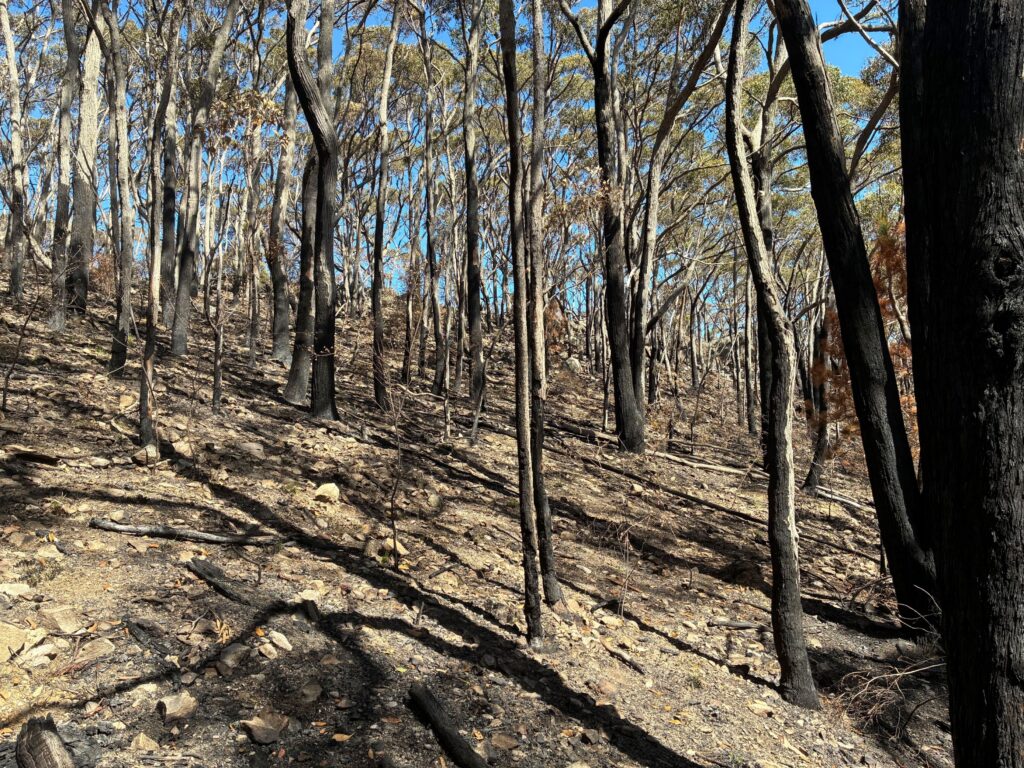
After a prescribed fire, wildlife biologists have less than two weeks to document the number of dead animals, according to a new study published in the Australian Journal of Zoology. “Conducting surveys immediately after fire is essential if we want an accurate picture of how many small animals are being…After a prescribed fire, wildlife biologists have less than two weeks to document the number of dead animals, according to a new study published in the Australian Journal of Zoology. “Conducting surveys immediately after fire is essential if we want an accurate picture of how many small animals are being killed by prescribed burns,” said Shawn Scott, a researcher at Adelaide University in South Australia who led the study. Researchers monitored prescribed burns in the Mount Lofty Ranges near Adelaide, searching for carcasses of lizards that had died in prescribed burns in eucalyptus forests. They found the majority of the carcasses within 28 hours after the fire. By 12 days post-fire, each of the carcasses had disappeared. The authors believe that scavengers are responsible for getting rid of the crispy carcasses, leading scientists that arrive too late to underestimate the number of animals killed in a fire. “Our recommendation to do wildlife surveys immediately after prescribed burns will likely improve our understanding of other animals being killed, including small mammals, frogs and invertebrates,” Scott said. Read more at Adelaide University.
Sacred Grounds™ is a National Wildlife Federation program that recognizes congregations, houses of worship, and faith communities who both create wildlife habitat and actively link faith practices with caring for … Read more The post Enlivening Green Spaces with the Sacred Grounds Program appeared first on The National Wildlife Federation…Sacred Grounds™ is a National Wildlife Federation program that recognizes congregations, houses of worship, and faith communities who both create wildlife habitat and actively link faith practices with caring for … Read more The post Enlivening Green Spaces with the Sacred Grounds Program appeared first on The National Wildlife Federation Blog.
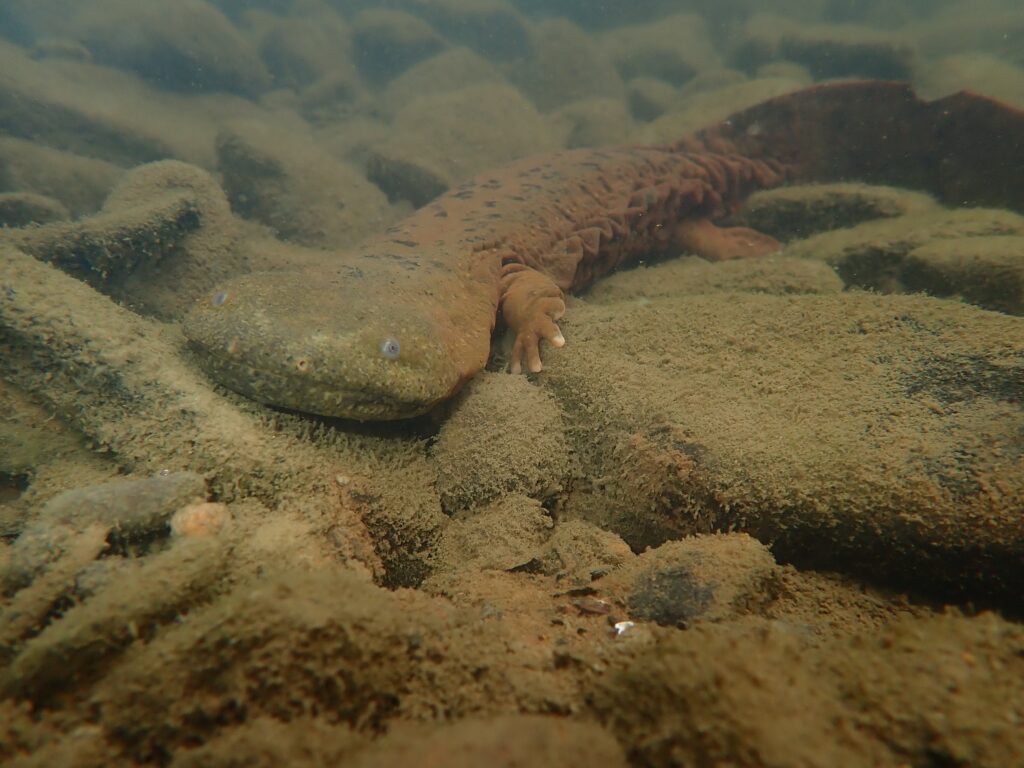
Bad water quality ruins the lives of young hellbenders—their fathers’ parenting suffers when streams become warmer and siltier. “Altered water quality influenced how much they care,” said Matthew Kaunert, director of the Clean Water Institute at Lycoming College in Pennsylvania. This new discovery reveals some of the reasons that hellbender…Bad water quality ruins the lives of young hellbenders—their fathers’ parenting suffers when streams become warmer and siltier. “Altered water quality influenced how much they care,” said Matthew Kaunert, director of the Clean Water Institute at Lycoming College in Pennsylvania. This new discovery reveals some of the reasons that hellbender populations in Pennsylvania streams haven’t been reproducing well in the past and gives researchers some clues about how best to conserve their nesting habitat. Hellbenders, which are proposed for federal listing , have been in trouble for years. There are still plenty around in some streams in Pennsylvania, but most are quite old—individuals can live for decades. “It’s often been described as a nursing home population,” Kaunert said, adding that wildlife managers have known about massive declines across the eastern United States since the 1970s. Finding hidden creatures But part of the problem is that it’s difficult to track these cryptic creatures, which spend the good part of their long lives hiding under submerged rocks. So researchers used part of the rocks themselves to spy on them. Nearly two decades ago, researchers began building nest boxes to provide males with places to guard their young. Hellbender females usually lay their eggs in dens guarded by their mates before taking off, leaving parenting duties to the males, known as “denmasters,” as a result. Males stick around their eggs for months after they hatch, at which point the young hellbenders disperse. Embryos develop inside hellbender eggs. Credit: V. Popescu Once they verified that the denmasters made use of these nest boxes, researchers fixed ice fishing cameras to the boxes that captured five to six hours of footage in a single go. Kaunert often did this on his own while surveying 14 of these nest boxes from 2019 to 2021—he’d change the cameras once every seven to 10 days during nest surveys in western Pennsylvania and eastern Ohio. “We could hopefully get some basic information that’s long been a mystery,” Kaunert said. The researchers started monitoring more than 14 nests, but some of these failed soon after the females laid eggs. “Some of these males inexplicably just abandon a nest within a very short period of time,” Kaunert said, adding that they will often get eaten by catfish or other predators if the denmaster isn’t there to keep guard. “The first fish that comes by will come in and eat them all,” he said. The making of a hellish father For a study published recently in the Journal of Zoology , the team set these nest boxes up along parts of waterways with varying water quality. They found that the fathers generally invested more care in their eggs and offspring in warmer streams with higher water conductivity. Conductivity is a measure of how many salts and minerals are in the water. While some streams have naturally high conductivity due to their geology, high conductivity can be associated with human impacts, including how silty a stream is—the less clear, the higher the conductivity. High conductivity can also mean there is more dissolved road salt in the water, which is known to cause problems in freshwater ecosystems. The research team also showed in a separate study that high conductivity affects the survival and development of eggs and larvae, making it a critical water parameter to monitor. Artificial nest boxes in streams help researchers monitor eggs. Credit: V. Popescu The team measured care based on a few different behaviors they saw on the camera footage. Fathers will fan the eggs with their tails, for example, which may oxygenate them and clear out debris. They will also rock and move around the egg clutches, which look a little like a tangled-up string of Christmas lights. These motions are thought to prevent developmental problems. Finally, they ate some of their own eggs. Nest cannibalism is something witnessed at extreme levels in other populations, especially in Virginia, as discussed in the Sept/Oct 2023 feature story on hellbenders in The Wildlife Professional . In those cases, as illustrated in a study published in The American Naturalist , males cannibalized all their eggs and young. But in the recent study in Pennsylvania, Kaunert said the males only ate a few viable eggs, perhaps to stay healthy themselves while caring for the roughly 200 to 500 eggs per nest. In most cases where they saw this, the male had been tail-fanning its eggs for several minutes before suddenly stopping to eat a couple. “Anecdotally, it looked like he needed something to eat,” Kaunert said. While any cannibalism may seem a little extreme, Kaunert also speculated that they may sometimes be eating inviable eggs, increasing the hygiene of the den in general and improving the survival chances for remaining eggs. After eggs hatch, males continue to fan the young larvae—their gills aren’t fully developed, and they need help breathing. Hellbenders don’t lose their gills until they are about 1.5 years old. Hellbender larvae are helpless until they are several months old. Credit: M. Kaunert The researchers found that the fathers that abandoned nests before eggs hatched would also spend less time fanning their eggs before they skipped out. In fact, tail-fanning was a pretty good predictor of whether a nest would fail. Rough conditions can affect fatherhood Stream quality alone wasn’t the only indicator of nest success. Some denmasters were just better dads and stuck around regardless of conditions. The team saw denmasters abandon nests just a few meters away from nests that succeeded in the same stream. Furthermore, denmasters also abandoned nests in areas with good water quality. Male hellbenders tended to invest less effort into caring for their eggs and young before abandoning nests. Credit: M. Kaunert TWS member Viorel Popescu, a senior lecturer in biodiversity data analytics at Columbia University and a coauthor on the study, said that there are still more questions than answers as to why hellbenders seem to abandon nests in Pennsylvania. But it likely has to do with overall energy expenditure among the fathers. If increased conductivity and temperatures make it harder for them to find food or increase their energy expenditure, for example, they may not be able to support their nests. “They have to think about themselves first,” Popescu said. This study also reveals how hellbender populations behave differently in different regions, which adds a layer of complexity in conserving the species. Pennsylvania is one of the few places where hellbenders aren’t listed at the state level—a “last stronghold of the species in the Northeast,” Popescu said. But the population is still aging. As a result, it’s important to see what contributes to nest failure to maintain these large amphibians on the landscape. Article by Joshua Rapp Learn
United States Department of Agriculture: Animal and Plant Health Inspection Service United States Department of Agriculture Wildlife Services: Staff Publications J. Jeffrey Root , United States Depertment of Agriculture, Animal and Plant Inspection Service, Wildlife Services, National Wildlife Research Center, Fort Collins, Colorado Follow Stephanie M. Porter , United States…United States Department of Agriculture: Animal and Plant Health Inspection Service United States Department of Agriculture Wildlife Services: Staff Publications J. Jeffrey Root , United States Depertment of Agriculture, Animal and Plant Inspection Service, Wildlife Services, National Wildlife Research Center, Fort Collins, Colorado Follow Stephanie M. Porter , United States Depertment of Agriculture, Animal and Plant Inspection Service, Wildlife Services, National Wildlife Research Center, Fort Collins, Colorado Julianna B. Lenoch , United States Depertment of Agriculture, Animal and Plant Inspection Service, Wildlife Services, National Wildlife Disease Program, Fort Collins, Colorado Jeremy W. Ellis , United States Depertment of Agriculture, Animal and Plant Inspection Service, Wildlife Services, National Wildlife Research Center, Fort Collins, Colorado Follow Angela M. Bosco-Lauth , Colorado State University Follow Document Type Article Date of this Version 2024 Citation Virology (2024) 600: 110231 doi: Abstract We tested the ability of six peridomestic wildlife species to replicate a highly pathogenic (HP) clade 2.3.4.4b AIV (H5N1) isolated in the United States during 2022. All tested species replicated and shed virus, at least to some degree. Of the six species evaluated (house sparrows ( Passer domesticus ), European starlings ( Sturnus vulgaris ), feral pigeons ( Columba livia ), striped skunks ( Mephitis mephitis ), Virginia opossums ( Didelphis virginiana ), and cottontails ( Sylvilagus sp.)), striped skunks and Virginia opossums shed the highest viral titers of 106.3 PFU/mL and 105.0 PFU/mL, respectively. Overall, the results of this study indicate that certain peridomestic species could pose a biosecurity threat to poultry operations in some situations. In addition, this study and field reports indicate that the HP AIVs circulating in the U.S. during 2022–2024 may have an extremely broad range of species that can be impacted by and/or replicate and shed these viruses. DOWNLOADS Since November 23, 2024 Included in Natural Resources and Conservation Commons , Natural Resources Management and Policy Commons , Other Environmental Sciences Commons , Other Veterinary Medicine Commons , Population Biology Commons , Terrestrial and Aquatic Ecology Commons , Veterinary Infectious Diseases Commons , Veterinary Microbiology and Immunobiology Commons , Veterinary Preventive Medicine, Epidemiology, and Public Health Commons , Zoology Commons COinS
The Clean Air Act, passed in 1970 as a response to the increasingly deadly smog and air pollution that blanketed cities across the country, is one of the most significant … Read more The post Rolling Back Clean Air Protections: What’s at Stake for Public Health, Wildlife, and the Economy…The Clean Air Act, passed in 1970 as a response to the increasingly deadly smog and air pollution that blanketed cities across the country, is one of the most significant … Read more The post Rolling Back Clean Air Protections: What’s at Stake for Public Health, Wildlife, and the Economy appeared first on The National Wildlife Federation Blog.
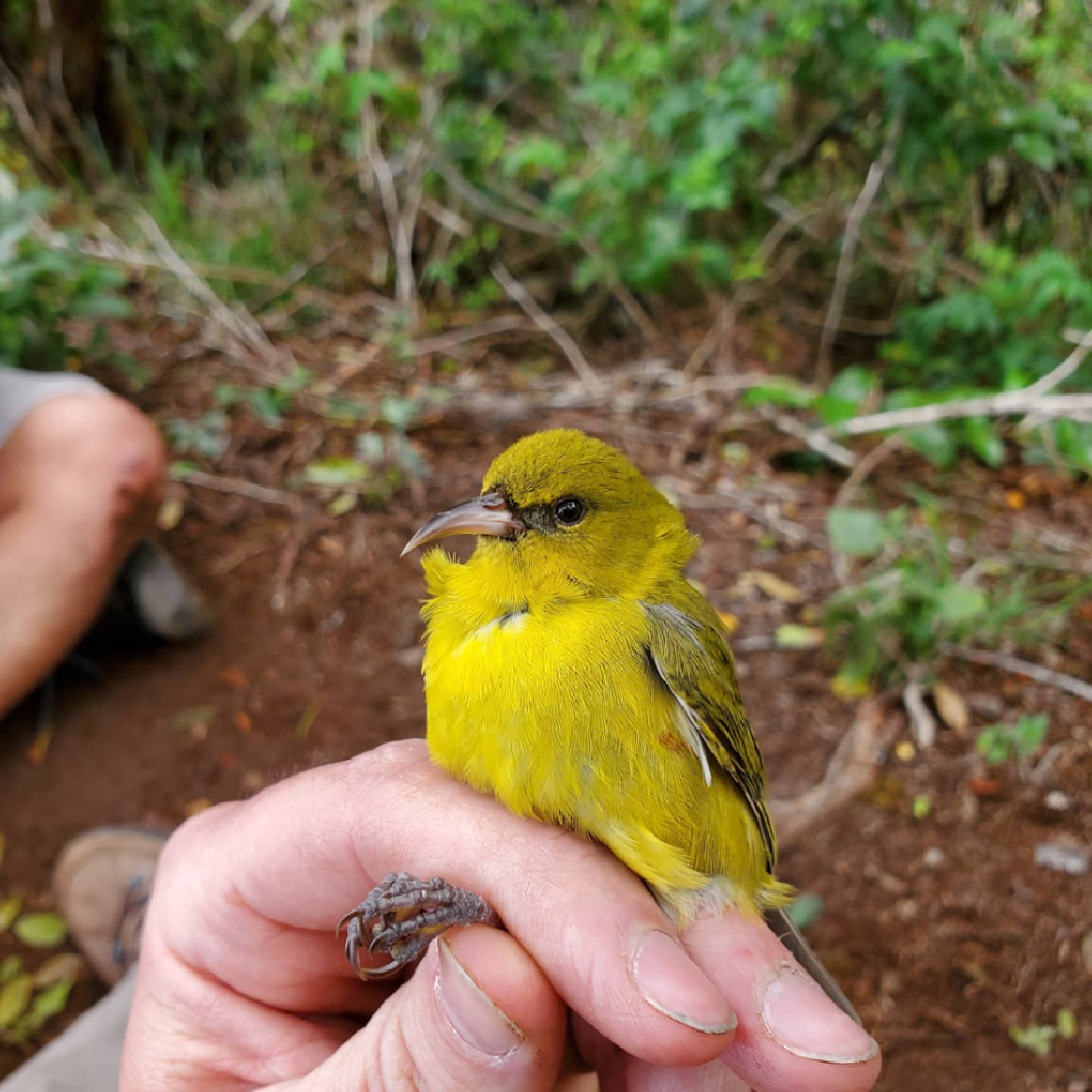
Genetic research on Hawaiian honeycreepers from different islands has revealed why low-elevation populations may be more resistant to malaria. The discovery provides a rare slice of hope for a species in which many populations are struggling for their survival, though the practical applications of such discoveries are still far away.…Genetic research on Hawaiian honeycreepers from different islands has revealed why low-elevation populations may be more resistant to malaria. The discovery provides a rare slice of hope for a species in which many populations are struggling for their survival, though the practical applications of such discoveries are still far away. Most of the Hawaiian Islands are no more than about 7 million years old—a blink of an eye in evolutionary time. That means most honeycreeper species there are relatively new. Finches arrived at the islands sometime after they emerged from the ocean, eventually evolving into the various honeycreeper species found across the archipelago today. When the finches first arrived, they found a malaria-free paradise. As the finches became Hawaiian honeycreepers, they lost their resistance to the infection in favor of more useful adaptations for Hawaiian life. Everything was fine until European settlers brought mosquitoes and birds infected with avian malaria to the archipelago in the early 1900s. “Because there was this absence of selective pressure because of the [malaria] parasite, there may have been some deleterious mutations that made them very susceptible to the disease when introduced in late 1800s early 1900s,” said John Neddermeyer, a PhD student at the time of research in biology at Northern Arizona University. A blood smear of a honeycreeper infected with malaria. The darker blots represent red blood cells, while the malaria parasite is more circular and blotchier in pattern. Credit: John Neddermeyer The impact was devastating for native bird species, especially lowland birds that were already coping with habitat destruction brought by colonialism. While birds in the highest elevations were protected by chilly weather typically too cold for mosquitoes, the valleys and beaches didn’t have that protection. Entire bird species have gone extinct from avian malaria, while others are only hanging on by a thread. But not all species have been equally affected by the disease. The Oahu ʻamakihi ( Chlorodrepanis flava ) suffers some losses from the population, but the species is still doing fairly well compared to its counterparts in other areas in the archipelago. The genetic code of malaria resistance To learn more about why these birds are more resistant to malaria, Neddermeyer and his colleagues examined the whole genome of 35 Oahu ʻamakihi individuals. In a study published recently in Ecology and Evolution , he and his colleagues described what they found in the genomes that might hold secrets to malaria resistance. The team first ran blood tests on the 35 birds to determine if they were infected or not. They then compared the genomes between infected and noninfected birds. “We looked for associations between genetic changes in our samples and malaria infection prevalence,” Neddermeyer said. The team found 582 genetic variants associated with avian malaria infection. “A good chunk of these alleles were associated with calcium regulation,” Neddermeyer said. Calcium plays a role in helping malaria move around in the bloodstream and reproduce in blood cells. Some gene functions are better at regulating the calcium in blood cells, giving malaria less opportunity to reproduce and more opportunity to a bird’s immune system to resist the disease. Oahu ʻamakihi are among the few honeycreeper species resistant to malaria. Credit: John Neddermeyer Overall, though, birds that survive malaria or are resistant to it have immune systems better equipped to target blood cells infected with malaria. Birds whose immune systems indiscriminately kill red blood cells regardless of infection status eventually die of anemia. Neddermeyer and his team still aren’t sure exactly how any of these genetic changes might be helping or hindering individual honeycreepers. It’s also unclear whether the honeycreepers resistant to malaria adapted these traits in recent decades in response to the return of avian malaria or whether these genetic traits are much older. To find that out, he said, researchers would need to see if they could get genomes from old museum specimens of honeycreepers dating back a century or so. In any case, he said that identifying with more specificity which genetic changes are responsible for malaria resistance would be useful, particularly for identifying the best individuals for captive breeding and reintroduction programs. But in the meantime, the most effective strategy for bird conservation in Hawaii is likely still mosquito management. Article by Joshua Rapp Learn
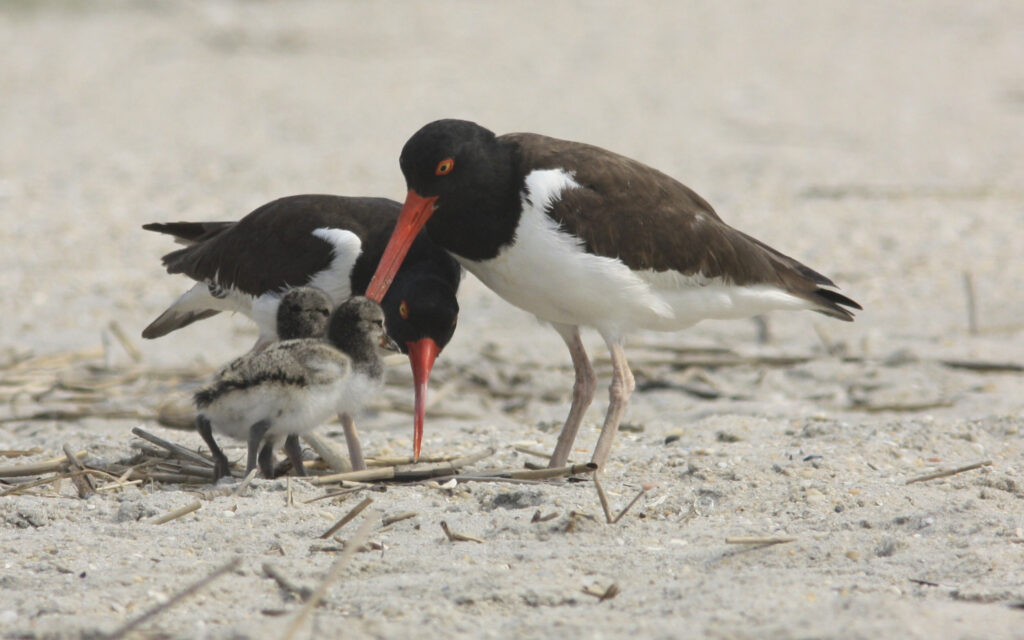
The American oystercatcher is rebounding along the coast of the Americas. Hunting and egg collecting nearly wiped out the species in New England by the 20 th century. But because of recovery efforts in places like Rhode Island’s Trustom Pond National Wildlife Refuge, the species’ numbers are on the rise.…The American oystercatcher is rebounding along the coast of the Americas. Hunting and egg collecting nearly wiped out the species in New England by the 20 th century. But because of recovery efforts in places like Rhode Island’s Trustom Pond National Wildlife Refuge, the species’ numbers are on the rise. At a time when most shorebird populations in North America were shrinking , American oystercatcher ( Haematopus palliatus ) numbers increased by 25% from 2008 to 2023 along the Atlantic and Gulf coasts. Researchers determined that low chick survival was the most important factor causing the population to plummet. Problems for the species included climate change, sea level rise, recreation and predators. But the American Oystercatcher Working Group , a collaboration of government scientists, academics, birders and other stakeholders seeking to learn more about the birds and their conservation, developed conservation plans to help the species survive across its range. “It’s amazing and it’s a great conservation success story,” said Maureen Durkin, a wildlife biologist at the Rhode Island National Wildlife Refuge Complex and leader of the banding effort, in an interview with the Associated Press. Read more at the Associated Press.