Wildlife Trapping Farmers Branch If you need professional Wildlife Trapping in Farmers Branch, TX, this video from AAAC Wildlife Removal of Dallas explains how our experienced team safely and humanely handles nuisance wildlife on residential and commercial properties. Wildlife can become a serious problem when animals enter attics, crawl spaces,…Wildlife Trapping Farmers Branch If you need professional Wildlife Trapping in Farmers Branch, TX, this video from AAAC Wildlife Removal of Dallas explains how our experienced team safely and humanely handles nuisance wildlife on residential and commercial properties. Wildlife can become a serious problem when animals enter attics, crawl spaces, chimneys, garages, or other areas of your property. Our trained specialists use proven trapping methods that comply with applicable regulations while prioritizing the safety of your family, pets, and property. In Farmers Branch, nuisance wildlife such as raccoons, squirrels, opossums, rats, mice, and other animals can cause significant damage if left untreated. They may chew through electrical wiring, destroy insulation, contaminate indoor spaces with droppings, and create unpleasant odors. In this video, we discuss the warning signs of a wildlife infestation, explain when professional trapping may be necessary, and highlight the importance of identifying the animal species before choosing the appropriate removal strategy. At AAAC Wildlife Removal of Dallas, wildlife trapping is just one part of a complete wildlife management solution. Every service begins with a thorough inspection to locate entry points, assess property damage, and determine how the animals are accessing your home or business. After the wildlife has been safely removed using humane trapping methods when appropriate, we provide exclusion recommendations and sealing services to help prevent future wildlife intrusions. Our goal is to resolve the current problem while reducing the risk of another infestation. If you're searching for reliable Wildlife Trapping in Farmers Branch, TX, this video will help you understand the benefits of working with experienced wildlife professionals. Be sure to like, subscribe, and turn on notifications for more educational videos, wildlife prevention tips, and expert advice from AAAC Wildlife Removal of Dallas. We're proud to help protect homes and businesses throughout Farmers Branch with safe, effective, and long-lasting wildlife control solutions. More on YouTube: https://www.youtube.com/watch?v=4XfaoqhLnA0 On Sound Cloud: https://soundcloud.com/aaac-wildlife-removal/wildlife-trapping-farmers-branch AAAC Wildlife Removal Of Dallas provides professional and humane wildlife removal services in Farmers Branch, Texas. Contact Us: AAAC Wildlife Removal of Dallas 4925 Greenville Ave Ste 200 Dallas, TX 75206 469-423-9299 Website: https://dallas.aaacwildliferemoval.com/ Email: dallas@aaacwildliferemoval.com Find us around the web: YouTube: https://www.youtube.com/channel/UCU5vEuK2NZCsb56Bv21OQYw Facebook: https://www.facebook.com/profile.php?id=61565888967944 Twitter: https://x.com/aacOfDallas SoundCloud: https://soundcloud.com/aaac-wildlife-removal Blogger: WordPress: Tumblr:
AAAC Wildlife Removal Farmers Branch If you're looking for trusted wildlife removal information in Farmers Branch, TX, this SoundCloud playlist from AAAC Wildlife Removal of Dallas is the perfect place to start. Each episode is designed to help homeowners, property managers, and business owners understand common wildlife problems, recognize early…AAAC Wildlife Removal Farmers Branch If you're looking for trusted wildlife removal information in Farmers Branch, TX, this SoundCloud playlist from AAAC Wildlife Removal of Dallas is the perfect place to start. Each episode is designed to help homeowners, property managers, and business owners understand common wildlife problems, recognize early warning signs, and learn why professional wildlife removal is the safest and most effective solution. This playlist covers a wide range of topics related to wildlife removal in Farmers Branch, including bats, squirrels, raccoons, rodents, birds, opossums, and other nuisance animals that can invade attics, crawl spaces, garages, roofs, and commercial properties. You'll also discover practical tips for preventing future infestations, protecting your property from damage, and maintaining a safe environment for your family or employees. At AAAC Wildlife Removal of Dallas, we believe in humane, responsible, and effective wildlife control. Our content explains the importance of ethical animal removal, proper exclusion methods, habitat modifications, and long-term prevention strategies. Every episode is created to educate listeners while highlighting solutions that protect both people and local wildlife. Whether you're dealing with unwanted animal activity or simply want to learn more about wildlife control in Farmers Branch, TX, this playlist offers reliable insights from experienced professionals. Follow along for expert advice, helpful resources, and practical guidance from AAAC Wildlife Removal of Dallas, your trusted local wildlife removal company serving the Farmers Branch community. More on Sound Cloud: On YouTube: AAAC Wildlife Removal Of Dallas provides professional and humane wildlife removal services in Farmers Branch, Texas. Contact Us: AAAC Wildlife Removal of Dallas 4925 Greenville Ave Ste 200 Dallas, TX 75206 469-423-9299 Website: https://dallas.aaacwildliferemoval.com/ Email: dallas@aaacwildliferemoval.com Find us around the web: YouTube: https://www.youtube.com/channel/UCU5vEuK2NZCsb56Bv21OQYw Facebook: https://www.facebook.com/profile.php?id=61565888967944 Twitter: https://x.com/aacOfDallas SoundCloud: https://soundcloud.com/aaac-wildlife-removal Blogger: WordPress: Tumblr:
“Chocolate, avocados, onions, and moldy foods are some of the most poisonous items you can leave out for squirrels. Even small amounts of these everyday ingredients can cause serious health issues—or be fatal—for these sensitive rodents.” Squirrels may look harmless scampering across your fence or chasing each other up a…“Chocolate, avocados, onions, and moldy foods are some of the most poisonous items you can leave out for squirrels. Even small amounts of these everyday ingredients can cause serious health issues—or be fatal—for these sensitive rodents.” Squirrels may look harmless scampering across your fence or chasing each other up a tree, but when they show up in your attic or tear through your garden, that charm disappears fast. In leafy neighborhoods where parks are close by and backyard bird feeders are everywhere, it’s no surprise that squirrels are regular visitors—and sometimes uninvited tenants. While many people enjoy watching them or even tossing out food, what you leave behind can actually be dangerous to squirrels—and a bigger headache for you without proper squirrel control . This article isn’t about harming wildlife. It’s about knowing what food is poisonous to squirrels so you don’t accidentally invite them in or make them sick. If you’ve been leaving out scraps, filling feeders, or composting without thinking twice, there’s a good chance you’re creating a squirrel buffet without even realizing it. Let’s break down what to avoid, what to secure, and how to protect both your home and the squirrels from a bad encounter. What Is The Most Dangerous Foods for Squirrels? Chocolate and Caffeinated Products Chocolate is one of the most toxic substances you can accidentally leave out for squirrels or any rodent. It contains theobromine—a stimulant that these small animals can’t metabolize effectively. Just a small amount from a brownie, chocolate almond bar, or sugar-filled candy can trigger tremors, elevated heart rate, or seizures in squirrels. Since they have such fast metabolisms and tiny bodies, the toxic effects hit hard and fast, often with serious consequences. Caffeinated foods and drinks are equally dangerous. Coffee grounds , soda spills, or chocolate-covered espresso beans tossed into a compost pile can be life-threatening if a squirrel gets into them. Where outdoor parties and backyard BBQs are common, it’s easy for sugary or caffeine-rich snacks to end up where rodents roam. To keep squirrels safe and your property clear of unwelcome visitors, make it a habit to clean up thoroughly and store all sweet or stimulant-laced foods securely. Avocados Avocados contain persin, a fungicidal toxin found in the fruit’s skin, pit, and even its leaves. While persin might not harm humans, it can be toxic to many animals, including squirrels. The risk isn’t just in eating an avocado—squirrels that nibble on a discarded peel, chewed seed, or exposed pit can experience digestive issues or worse. What makes this even more concerning is how easily avocado waste can be overlooked, especially in compost bins. If you’re growing avocado trees or preparing guacamole from scratch, this is something to stay mindful of. As urban farming and composting become more popular, the risk of accidentally exposing squirrels to this toxic fruit increases. Make sure avocado scraps are properly sealed or discarded, and if you have a tree, regularly clear fallen fruit from the yard. It’s better to be safe than to unknowingly poison a local animal. Onions, Garlic, and Spicy Foods While these aromatic kitchen staples may keep your chili full of flavor, they spell serious trouble for squirrels. Onions and garlic contain compounds that can damage red blood cells, leading to anemia and other health complications. The danger extends to cooked dishes, too. If a squirrel gets into leftover food seasoned with garlic or onions, even in small amounts, it can suffer lasting effects. In worst cases, repeated exposure can be fatal over time. Spicy foods also pack a punch that squirrels can’t handle. Hot sauce remnants, chili powder, or discarded tacos can cause severe digestive distress. Where spicy dishes are a staple, food waste often ends up in outdoor bins or compost piles. Make sure spicy scraps are stored in critter-proof containers, and avoid tossing seasoned leftovers near your patio or yard. The goal isn’t just to avoid harming squirrels—it’s to stop inviting them altogether. Alcohol and Fermented Fruit Alcohol might seem like an unlikely threat to wildlife, but squirrels are highly sensitive to it. Whether it’s beer spills from a tailgate, wine left out on the porch, or sugary cocktails left on patio tables, these drinks can lead to disorientation, slowed reaction time, and eventually liver failure in squirrels. Their small bodies can’t handle even trace amounts, and it doesn’t take much to put them in serious danger. Another sneaky culprit? Overripe or fermenting fruit, especially in backyards with peach, fig, or persimmon trees. As the fruit falls and begins to break down, it can release natural alcohols that attract squirrels and get them intoxicated. They may stagger, fall from trees, or become easy prey for predators. Regularly clean up fruit from the ground and keep alcoholic beverages secure during outdoor events. Salty Snacks and Chips Salt is another ingredient that can easily disrupt a squirrel’s internal balance. While humans can handle a salty snack during a football game or backyard hangout, squirrels don’t process salt well. Even a few bites of junk food like chips, pretzels, or salted walnut snacks can dehydrate them and overwork their kidneys. These types of treats also contain added sugar and artificial ingredients that offer zero nutritional value for squirrels—making them both harmful and useless from a dietary perspective. Many of these items—especially sugary breakfast cereals or processed snack mixes—are casually dropped or tossed outside without much thought. But to a hungry squirrel, that forgotten bowl of cereal or spilled trail mix is a full meal. Where outdoor events, food trucks, and weekend cookouts are part of the culture, squirrels quickly learn where the good stuff is. Cleaning up sugary crumbs and sealing snack waste tightly are easy steps that help discourage squirrels from turning your yard into their favorite buffet line. Surprising “Healthy” Foods That Still Poisonous To Squirrels Not all squirrel-dangerous foods are obviously harmful. Some look totally natural or even nutritious—but for squirrels, they can cause more harm than good. These foods often show up in gardens, bird feeders, compost piles, or well-meaning attempts to “feed the wildlife.” Here’s what to watch for. Raw Corn (Especially Moldy Corn) Corn might seem harmless—it’s a common ingredient in bird seed, livestock feed, and even human snacks. But when corn starts to mold, it can develop aflatoxins, which are highly toxic to squirrels and many other animals. Aflatoxins are produced by certain types of fungi and can affect liver function, immune systems, and even lead to cancer in wildlife. A squirrel doesn’t have to eat much moldy corn for it to cause serious internal damage. The risk goes up during warm, humid stretches—especially in summer—when moisture speeds up mold growth. Corn that’s left outside for too long, stored improperly in feeders, or tossed into compost piles can quickly become a hidden hazard. If you’re putting out corn in a feeder, store it in a dry place, change it frequently, and never offer anything that smells off or looks discolored. It’s not just about nutrition—it’s about safety. Bread and Processed Carbs Bread might feel like a safe, throwaway snack for critters—but it’s actually a poor and potentially harmful food choice for squirrels. Bread, crackers, and other refined carbs offer little to no nutrition, and they can expand in a squirrel’s stomach, leading to bloating or discomfort. In some cases, processed bread products contain preservatives and additives that are hard for squirrels to digest, weakening their system over time. Squirrels that eat too much bread often end up malnourished despite feeling full. This is especially common in neighborhoods where residents leave out food “just to be nice.” Unfortunately, the kindness backfires. Instead of helping, you may be attracting squirrels that grow dependent on an unhealthy food source—and more likely to take up permanent residence in your attic. If you want to be squirrel-friendly, stick to natural deterrents and avoid the bread basket. Peanuts (Especially Salted or Moldy) Peanuts are a bit of a wildcard. While they’re often seen in squirrel food blends or used to lure wildlife for photos, they aren’t actually nuts—they’re legumes. And when they’re salted, roasted, or worse, moldy, they become a serious risk. Moldy peanuts, like corn, can carry aflatoxins that attack a squirrel’s liver and immune system. Salted peanuts, on the other hand, can cause dehydration and kidney stress. This matters because many people use peanuts to feed birds or squirrels without realizing the risks. In fact, some birdseed mixes from big-box stores still include them. If you’re trying to keep squirrels away from your yard—or avoid poisoning them by accident—skip the peanuts. And if you must use them, go for raw, unsalted, and fresh, and use a squirrel-proof bird feeder so your effort to help one species doesn’t endanger another. Foods That Attract Squirrels (But Shouldn’t) Some foods might not be poisonous, but they’re basically neon signs saying “Free Snacks Here!” for squirrels. These attractants can lead to more frequent visits, nesting, and eventual infestations. If you’re trying to squirrel-proof your yard or keep them from invading your home, these are the items to manage carefully. Bird Seed and Pet Food Bird feeders are one of the top culprits for squirrel problems. Many blends contain sunflower seeds, millet, corn, and peanuts—aka squirrel candy. Once they find a reliable food source, squirrels will return again and again, sometimes destroying the feeder in the process. The same goes for pet food left outside. Dry kibble and wet food alike are high-protein, calorie-dense meals that squirrels will happily devour. Where backyard birdwatching is popular and outdoor pet bowls are commo
Home Terrestrial Invasives Terrestrial Vertebrates African Clawed Frog Scientific Name Xenopus laevis (Daudin, 1802) ( ITIS ) Common Name African clawed frog Native To Date of U.S. Introduction First invasive populations discovered in California in 1968 ( Measey et al. 2012 ) Means of Introduction Image use policy African clawed…Home Terrestrial Invasives Terrestrial Vertebrates African Clawed Frog Scientific Name Xenopus laevis (Daudin, 1802) ( ITIS ) Common Name African clawed frog Native To Date of U.S. Introduction First invasive populations discovered in California in 1968 ( Measey et al. 2012 ) Means of Introduction Image use policy African clawed frog, dorsal/back Credit Photo by Simone Des Roches; Washington Department of Fish & Wildlife Source Videos YouTube - The INVAXEN project: INVAsive biology of XENopus laevis in Europe Google. YouTube; BiodivERsA. Selected Resources The section below contains highly relevant resources for this species, organized by source. Council or Task Force Partnership Federal Government International Government State and Local Government Academic Professional Citations Integrated Taxonomic Information System. Xenopus laevis . [Accessed Jan 23, 2021]. Measey, G.J., D. Rödder, S.L. Green, et al. 2012. Ongoing invasions of the African clawed frog, Xenopus laevis: a global review . Biological Invasions 14(2255–2270).
Wildlife Removal Near Me Farmers Branch Searching for "Wildlife Removal Near Me" in Farmers Branch, TX? In this video, AAAC Wildlife Removal of Dallas explains how our professional team helps homeowners and businesses safely remove nuisance wildlife from their properties. Whether you've heard scratching in the attic, discovered animal droppings,…Wildlife Removal Near Me Farmers Branch Searching for "Wildlife Removal Near Me" in Farmers Branch, TX? In this video, AAAC Wildlife Removal of Dallas explains how our professional team helps homeowners and businesses safely remove nuisance wildlife from their properties. Whether you've heard scratching in the attic, discovered animal droppings, or noticed damage around your roofline or crawl space, our experienced technicians provide humane and effective wildlife removal solutions designed to protect your property and restore your peace of mind. Farmers Branch is home to a variety of wildlife, including squirrels, raccoons, bats, rats, mice, opossums, birds, and snakes. While these animals are an important part of the local ecosystem, they can become a serious problem when they enter homes or commercial buildings. In this video, you'll learn how wildlife gains access to structures, the types of damage they can cause, and why addressing the issue early can help reduce repair costs and prevent recurring infestations. AAAC Wildlife Removal of Dallas takes a comprehensive approach to wildlife control. Every service begins with a detailed inspection to identify the species involved, locate entry points, and evaluate any damage caused by the animals. We then create a customized removal plan using humane methods whenever possible, followed by wildlife exclusion services that seal potential entry points and help keep animals from returning. Our goal is to provide long-lasting protection, not just a temporary fix. If you've been searching for dependable wildlife removal near me in Farmers Branch, TX, this video will help you understand what to expect from a professional wildlife removal service. Don't forget to like, subscribe, and turn on notifications for more wildlife prevention tips, educational videos, and expert advice from AAAC Wildlife Removal of Dallas. We're committed to helping protect homes and businesses throughout Farmers Branch with safe, reliable, and professional wildlife management solutions. More on YouTube: https://www.youtube.com/watch?v=MOFQnaI5D5k On Sound Cloud: https://soundcloud.com/aaac-wildlife-removal/wildlife-removal-near-me-farmers-branch AAAC Wildlife Removal Of Dallas provides professional and humane wildlife removal services in Farmers Branch, Texas. Contact Us: AAAC Wildlife Removal of Dallas 4925 Greenville Ave Ste 200 Dallas, TX 75206 469-423-9299 Website: https://dallas.aaacwildliferemoval.com/ Email: dallas@aaacwildliferemoval.com Find us around the web: YouTube: https://www.youtube.com/channel/UCU5vEuK2NZCsb56Bv21OQYw Facebook: https://www.facebook.com/profile.php?id=61565888967944 Twitter: https://x.com/aacOfDallas SoundCloud: https://soundcloud.com/aaac-wildlife-removal Blogger: WordPress: Tumblr:
May 06, 2025 Baton Rouge, May 06, 2025 - The Louisiana Department of Wildlife and Fisheries (LDWF) has closed South Farm on Sherburne Wildlife Management Area (WMA) due to flooding. The closure only affects South Farm, which is the portion of Sherburne WMA near the Ramah exit on I-10. The…May 06, 2025 Baton Rouge, May 06, 2025 - The Louisiana Department of Wildlife and Fisheries (LDWF) has closed South Farm on Sherburne Wildlife Management Area (WMA) due to flooding. The closure only affects South Farm, which is the portion of Sherburne WMA near the Ramah exit on I-10. The remainder of the Sherburne WMA property is expected to remain open throughout the flood event. Flood water has overtopped trails on South Farm due to flooding in the Atchafalaya Basin. Once the water recedes, LDWF will inspect, repair and reopen the trails. South Farm in Sherburne WMA is located in Iberville Parish approximately one mile north of Ramah. Available game species include deer, squirrel, woodcock, rabbit, waterfowl, dove and snipe. There is a small game emphasis area, a youth deer season and a youth deer lottery hunt. All visitors to Sherburne WMA and all LDWF WMAs must have either a WMA Access Permit, Senior Hunting/Fishing License, Louisiana Sportsman’s Paradise License, or Lifetime Hunting/Fishing License. Go to https://www.wlf.louisiana.gov/page/wmarefugeconservation-area-licenses-and-permits for more information. For information on this WMA, go to https://www.wlf.louisiana.gov/page/sherburne or contact the Lafayette Region at 337-262-2080 or Schuyler Dartez at sdartez@wlf.la.gov or Arthur Hebert at ahebert@wlf.la.gov .
AAAC Wildlife Removal Farmers Branch If you're looking for reliable wildlife removal services in Farmers Branch, TX, AAAC Wildlife Removal of Dallas is here to help. In this video, we explain how our experienced team safely and humanely removes nuisance wildlife from residential and commercial properties throughout Farmers Branch. Whether…AAAC Wildlife Removal Farmers Branch If you're looking for reliable wildlife removal services in Farmers Branch, TX, AAAC Wildlife Removal of Dallas is here to help. In this video, we explain how our experienced team safely and humanely removes nuisance wildlife from residential and commercial properties throughout Farmers Branch. Whether animals have made their way into your attic, crawl space, chimney, garage, or walls, we provide professional solutions that protect your property while following humane wildlife management practices. Wildlife such as squirrels, raccoons, bats, rats, mice, opossums, birds, and snakes can cause extensive damage if left unchecked. They may chew electrical wiring, contaminate insulation, damage structural materials, and create health risks for your family or employees. In this video, you'll learn how to recognize the warning signs of a wildlife problem, understand why these animals are attracted to properties in Farmers Branch, and discover why prompt professional intervention can help prevent expensive repairs in the future. At AAAC Wildlife Removal of Dallas, our process begins with a thorough property inspection to identify the type of wildlife, locate entry points, and assess any damage. We then develop a customized removal plan using humane techniques, followed by exclusion services that seal vulnerable openings and help prevent future infestations. Our focus is not only on removing the animals but also on providing long-term protection through effective wildlife prevention strategies tailored to your property. If you found this video helpful, be sure to like, subscribe, and turn on notifications for more wildlife removal tips, prevention advice, and educational content from AAAC Wildlife Removal of Dallas. If you need professional wildlife removal in Farmers Branch, TX, our team is ready to provide safe, effective, and dependable solutions to restore your peace of mind and keep your home or business protected. More on YouTube: https://www.youtube.com/watch?v=MOFQnaI5D5k On Sound Cloud: https://soundcloud.com/aaac-wildlife-removal/aaac-wildlife-removal-farmers-branch AAAC Wildlife Removal Of Dallas provides professional and humane wildlife removal services in Farmers Branch, Texas. Contact Us: AAAC Wildlife Removal of Dallas 4925 Greenville Ave Ste 200 Dallas, TX 75206 469-423-9299 Website: https://dallas.aaacwildliferemoval.com/ Email: dallas@aaacwildliferemoval.com Find us around the web: YouTube: https://www.youtube.com/channel/UCU5vEuK2NZCsb56Bv21OQYw Facebook: https://www.facebook.com/profile.php?id=61565888967944 Twitter: https://x.com/aacOfDallas SoundCloud: https://soundcloud.com/aaac-wildlife-removal Blogger: WordPress: Tumblr:
Center, Internet, Wildlife Damage Management TWS Wildlife Damage Management Working Group Newsletter: Winter 1999 - Volume 6(1) Date of this Version 1999 Document Type Article Abstract Forward -- Scott Craven; Next Edition Deadlines; 1999 Wildlife Damage Management Working Group Officers:; Tws 6th Annual Conference Working Group Sponsored Sessions; Proceedings Of…Center, Internet, Wildlife Damage Management TWS Wildlife Damage Management Working Group Newsletter: Winter 1999 - Volume 6(1) Date of this Version 1999 Document Type Article Abstract Forward -- Scott Craven; Next Edition Deadlines; 1999 Wildlife Damage Management Working Group Officers:; Tws 6th Annual Conference Working Group Sponsored Sessions; Proceedings Of The 18th Vertebrate Pest Conference Held March 2-5, 1998 In Costa Mesa, Ca Are Now Available; Announcing The Availability Of A New Publication And Video On Managing Urban Canada Geese; Wildlife Damage Management Around The World - Part 3; Application For Membership / The Wildlife Society DOWNLOADS Since November 09, 2010 COinS
Wildlife Removal Services Farmers Branch Looking for trusted Wildlife Removal Services in Farmers Branch, TX? In this video, AAAC Wildlife Removal of Dallas introduces our professional wildlife control solutions for homeowners, property managers, and business owners dealing with nuisance animals. From strange noises in the attic to wildlife entering crawl…Wildlife Removal Services Farmers Branch Looking for trusted Wildlife Removal Services in Farmers Branch, TX? In this video, AAAC Wildlife Removal of Dallas introduces our professional wildlife control solutions for homeowners, property managers, and business owners dealing with nuisance animals. From strange noises in the attic to wildlife entering crawl spaces, garages, chimneys, or walls, our experienced team provides safe, humane, and effective removal services that help protect both your property and your peace of mind. Wildlife problems can develop quickly when animals such as squirrels, raccoons, bats, rats, mice, opossums, birds, or snakes find shelter inside a building. These animals can damage insulation, chew electrical wiring, contaminate living spaces, and create health and safety concerns. In this video, we explain the common signs of a wildlife infestation, why animals are attracted to properties in Farmers Branch, and how early action can help prevent more extensive damage and costly repairs. AAAC Wildlife Removal of Dallas follows a comprehensive process that focuses on both removal and prevention. Every project begins with a detailed inspection to identify the animal species, locate entry points, and assess any existing damage. After safely removing the wildlife using humane methods whenever appropriate, we provide exclusion services to seal vulnerable access points and recommend preventative measures that help reduce the risk of future wildlife intrusions. If you're searching for dependable Wildlife Removal Services in Farmers Branch, TX, this video will show you how AAAC Wildlife Removal of Dallas delivers reliable, long-term solutions for residential and commercial properties. Be sure to like, subscribe, and turn on notifications for more wildlife control tips, prevention advice, and educational content. Our team is proud to serve the Farmers Branch community with professional wildlife removal services that prioritize safety, effectiveness, and lasting results. More on YouTube: https://www.youtube.com/watch?v=6Jr2iooGcUY On Sound Cloud: https://soundcloud.com/aaac-wildlife-removal/wildlife-removal-services-farmers-branch AAAC Wildlife Removal Of Dallas provides professional and humane wildlife removal services in Farmers Branch, Texas. Contact Us: AAAC Wildlife Removal of Dallas 4925 Greenville Ave Ste 200 Dallas, TX 75206 469-423-9299 Website: https://dallas.aaacwildliferemoval.com/ Email: dallas@aaacwildliferemoval.com Find us around the web: YouTube: https://www.youtube.com/channel/UCU5vEuK2NZCsb56Bv21OQYw Facebook: https://www.facebook.com/profile.php?id=61565888967944 Twitter: https://x.com/aacOfDallas SoundCloud: https://soundcloud.com/aaac-wildlife-removal Blogger: WordPress: Tumblr:
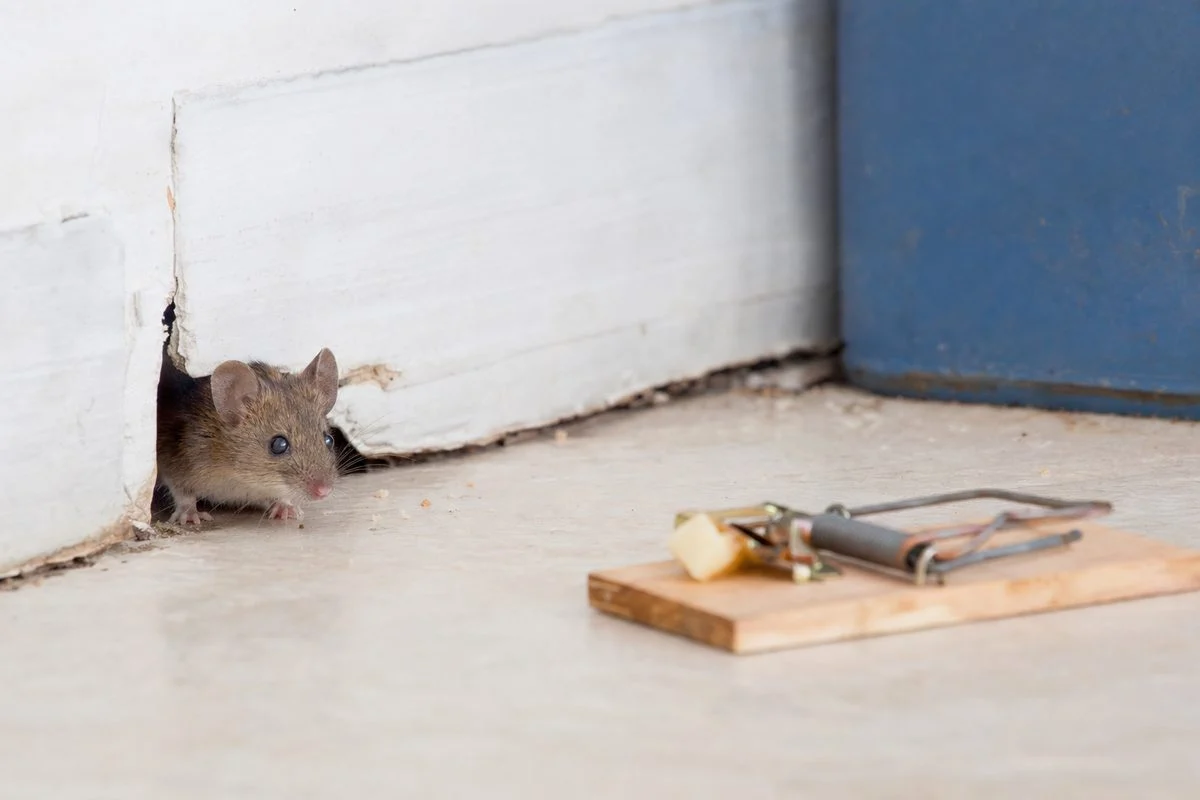
Mice will not leave just because they see a dead mouse. They rely more on scent and survival needs than visual fear cues, so the presence of a carcass usually doesn’t drive them away. Finding a dead mouse can feel oddly satisfying, like maybe the problem handled itself. Some folks…Mice will not leave just because they see a dead mouse. They rely more on scent and survival needs than visual fear cues, so the presence of a carcass usually doesn’t drive them away. Finding a dead mouse can feel oddly satisfying, like maybe the problem handled itself. Some folks even hope it sends a message to the rest of the colony: “Get out while you can.” Unfortunately, mice aren’t known for taking the hint. Mice don’t pack their bags just because one of their own didn’t make it. In fact, that lone carcass might be the beginning of a much bigger issue lurking behind your walls. Before you breathe a sigh of relief, here’s what you need to know about what really happens when one mouse dies and the rest are still in play. Why This Question Matters More Than You Think? When people spot a dead mouse, the first instinct is often relief. The idea that the problem might be solving itself is comforting, until the scratching starts up again behind the walls. That’s when homeowners realize a single dead mouse might not mean the infestation is over. It could mean it’s just getting started. Mice live and operate as part of a colony. Where there’s one, there are likely more. Ignoring the presence of a dead mouse or assuming it scared others off can lead to missed warning signs, delayed action, and a fast-growing rodent population. This question matters because it taps into a much bigger issue: how mice operate, how infestations escalate, and why partial solutions don’t work. What They Really Do Around the Dead? Mice aren’t wired like us. They don’t mourn, hold funerals, or scatter at the sight of a fallen friend. In fact, mice are known to sniff, investigate, and sometimes even chew on the bodies of their dead. It’s a survival instinct, not a fear response, they’re analyzing what happened, not running away from it. The real communicator in a mouse colony is scent. Mice leave behind trails of pheromones that guide others to food, nesting spots, or safe routes. When a mouse dies, its body releases new chemical cues that shift colony behavior. Here’s what typically happens when mice encounter a dead companion: They investigate the body to gather information through scent and touch. They may chew or nudge it , especially if food is scarce or they’re testing for threats. The scent of death attracts, not repels , especially if it’s mixed with nesting material or food scent. Unless poison or predator scent is involved , they won’t associate the body with danger. Don’t count on mouse psychology to work in your favor. Their priority is survival, and unless the dead body is laced with threat cues, it usually doesn’t drive them away. What a Dead Mouse Actually Signals in Your Home? A dead mouse might seem like a one-time fluke, but it’s often a loud, stinky signal that something deeper is going on. Mice don’t tend to travel alone, so finding one usually means others are nearby; nesting, feeding, and multiplying out of sight. That lifeless mouse is less of an ending and more of a red flag. It could mean your traps or poison worked, which is a good start. Still, it doesn’t mean the colony is gone. It’s common for a poisoned mouse to die in an open area while others remain hidden behind walls or insulation, completely unaffected. Worse, if you don’t find and remove the body quickly, the smell can attract flies or scavengers and cause serious odor problems. Another possibility? The infestation has grown so large that mice are being pushed out into less safe spaces. When you start finding dead ones in the open, it may be because the nest is overcrowded or competition for food has intensified. In short, one dead mouse usually points to a living problem. Can a Dead Mouse Scare Others Off? There’s a popular belief floating around that mice will flee once they see one of their own lying dead. It sounds logical, like a spooky little warning sign, but it’s not how rodents operate. Mice aren’t visual creatures in the way humans are. Their world is ruled by scent and instinct, not fear from a fallen friend. Scientific studies show that mice rely heavily on pheromones to guide behavior. A dead body might give off alarm pheromones if the mouse died under extreme stress or pain. Otherwise, the scent profile simply shifts to decomposition, something mice are curious about, not terrified of. In many cases, the smell can even draw in others looking for food, warmth, or materials. So no, a dead mouse doesn’t scare away the colony. If anything, it confirms their routes are still active and unchallenged. Waiting for them to leave on their own can lead to a growing infestation right under your nose. What Keeps Mice Around? Mice are simple creatures with very specific needs. If your home offers food, water, warmth, and hiding spots, you’ve basically rolled out the red carpet for them. Crumbs under the stove, pet food on the floor, even that forgotten bag of birdseed in the garage can keep them comfortable for months. They’re also fans of clutter. Cardboard boxes, old clothes, and insulation make perfect nesting materials. If there are entry points the width of a pencil, they’re in, and they’re staying. A dead mouse doesn’t compete with the comfort of an untouched food source or a warm, quiet attic. What actually sends mice packing? Consistency. Sealing up every potential entry hole, removing food access, using scent-based deterrents like peppermint oil or ammonia, and disrupting their environment with traps or motion-activated lights. Better yet, professional exclusion work ensures they can’t come back even if they try. What You Should Do After Finding a Dead Mouse? Don’t assume you’re in the clear. One dead mouse doesn’t mean victory, it just means you’ve caught a symptom of a bigger issue. The colony could still be active behind your walls, and ignoring it gives them time to multiply, nest, and spread into more rooms. Take these immediate steps after spotting a dead mouse: Use gloves and a sealed plastic bag to safely dispose of the body without risking contamination. Thoroughly clean and disinfect the area to eliminate bacteria and scent trails that can attract other mice. Inspect for activity signs like droppings, gnaw marks, shredded paper, or oily streaks along walls and baseboards. Monitor for unusual smells or sounds , especially in the attic, crawlspace, or behind appliances. Finally, don’t wait it out. A professional inspection from AAAC Wildlife Removal can reveal hidden nesting areas, active routes, and entry points that DIY efforts often miss. If you want mice truly gone, one removal isn’t enough, you need a full eviction strategy. One Dead Mouse Is Just the Beginning If you’ve found a dead mouse, don’t pop the champagne just yet. It’s not a farewell letter from the rodent world, it’s a warning. Mice are survivors, and one casualty rarely scares off the rest of the crew. More are likely hiding, breeding, and waiting for their next snack run behind your walls. Instead of relying on myths or half-measures, take real steps to secure your home. Seal entry points, remove attractants, and get a full inspection if you’re unsure how far the problem goes. AAAC Wildlife Removal is here to do it right; safely, completely, and without the guesswork. Call in the Experts Before Mice Make Themselves at Home Still hearing scurrying? Smelled something off lately? Don’t wait for a full-blown infestation to take hold. At AAAC Wildlife Removal, we don’t just remove mice, we find out how they got in, why they stayed, and how to make sure they never come back. Our licensed pros are trained to spot what DIY solutions miss: hidden entry points, pheromone trails, and nesting zones buried deep behind walls. Let us handle the dirty work while you get your peace of mind back. Call AAAC Wildlife Removal today for a thorough inspection and long-term solution. One dead mouse might be a clue, but we’re here to solve the whole mystery.
Denver, Colo-based Whitmore Pest and Wildlife Control, Inc. (Whitmore Pest), a family-owned provider of pest and wildlife control services, has been awarded first place in the Colorado Chamber’s 2026 Companies That Rock the Rockies program, recognizing employers that are setting the standard for workplace culture across the state. The award…Denver, Colo-based Whitmore Pest and Wildlife Control, Inc. (Whitmore Pest), a family-owned provider of pest and wildlife control services, has been awarded first place in the Colorado Chamber’s 2026 Companies That Rock the Rockies program, recognizing employers that are setting the standard for workplace culture across the state. The award is based on a comprehensive […] The post Whitmore Pest takes first in Colorado workplace culture program first appeared on Pest Management Professional.
Conservationists that move sea turtle eggs higher up the beach to protect them from rising tides and temperatures may not be doing hatchlings any favors. Researchers recently compared the success rate of green sea turtle ( Chelonia mydas ) nests left undisturbed on beaches in Heron Island, located on the…Conservationists that move sea turtle eggs higher up the beach to protect them from rising tides and temperatures may not be doing hatchlings any favors. Researchers recently compared the success rate of green sea turtle ( Chelonia mydas ) nests left undisturbed on beaches in Heron Island, located on the southern Great Barrier Reef in Australia with the success rate of nests they moved higher up the beach. Half of those moved were given shade with a cloth to regulate temperatures, while half were left unshaded. In research published recently in Marine Biology , scientists found that moved nests had lower hatching success and produced smaller baby turtles that couldn’t flip themselves off their backs as easily. “The difference shows up even when the shaded and natural nests are the same temperature,” said lead author Davey Dor, a sea turtle ecologist at the University of New South Wales in Australia. Since temperatures are comparable, the researchers speculate that moisture levels in the sand, gas exchange, microbes and depth in the sand could all play roles in how well a nest succeeds. “We need to understand these factors so we can give the turtles we’re trying to save the best possible chance of survival,” Dor said. Read more at the University of New South Wales Newsroom .
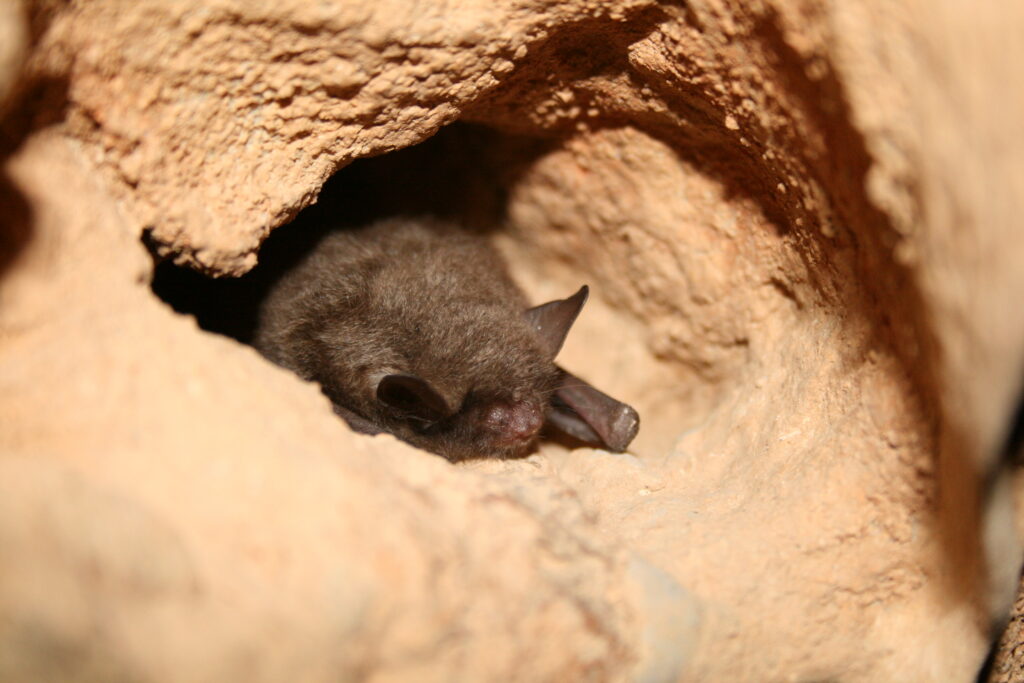
Back to Resources A hibernating Indiana bat. When the endangered bats roost, size matters the most. Credit: USFWS/Ann Froschauer Endangered Indiana bats benefit from both early- and late-successional trees, researchers found, suggesting managers should take both of these into account when implementing forest management practices. Scientists wanted to identify factors…Back to Resources A hibernating Indiana bat. When the endangered bats roost, size matters the most. Credit: USFWS/Ann Froschauer Endangered Indiana bats benefit from both early- and late-successional trees, researchers found, suggesting managers should take both of these into account when implementing forest management practices. Scientists wanted to identify factors that make trees suitable roosts for the Indiana bat ( Myotis sodalis ), which has been listed as federally endangered since 1967 because of its shrinking habitat. The researchers radiotagged and tracked bats to their roosts, surveying 95 roost trees across study sites in central Indiana, the Great Swamp National Wildlife Refuge in New Jersey and the Southern Appalachian Mountains. The team analyzed tree rings to determine how old the roost trees were. They found that tree size was most important when it came to suitable shelter for the Indiana bats—it didn’t matter how old the tree was. “Diameter predicts which trees house the most bats,” said Joe Pettit, associate professor at Minot State University and author of the study. “We’ve known that for a long time. Our question was specifically, ‘How can we quickly get to that diameter?’ And the answer is early-successional trees.” As a result, the researchers said age is not the main predictor for how many bats roost in a tree. “It means that we can grow big trees that do not need to be immensely old.” Read the study in Forest Ecology and Management .
The National Wildlife Federation (NWF) is pleased to introduce the recipients of this year’s graduate student research fellowships. Each year, NWF Graduate Student Research Fellows support the advancement of NWF … Read more The post Meet the 2026 Class of NWF Graduate Student Research Fellows appeared first on The National…The National Wildlife Federation (NWF) is pleased to introduce the recipients of this year’s graduate student research fellowships. Each year, NWF Graduate Student Research Fellows support the advancement of NWF … Read more The post Meet the 2026 Class of NWF Graduate Student Research Fellows appeared first on The National Wildlife Federation Blog.
Featuring lambda-cyhalothrin, it is labeled for mosquitoes and more. The post AMGUARD Environmental Technologies: Avesta CS first appeared on Pest Management Professional.
Yale researchers found that a naturally occuring compound found in garlic could prevent mosquito mating and egg laying. The post Why garlic could be the answer to prevent mosquito pressure first appeared on Pest Management Professional.
Discover how top PMPs are using "loyalty departments" and AI-driven marketing to keep customers happy and connected. The post PMP Growth Summit roundtable: Strategies for customer loyalty first appeared on Pest Management Professional.
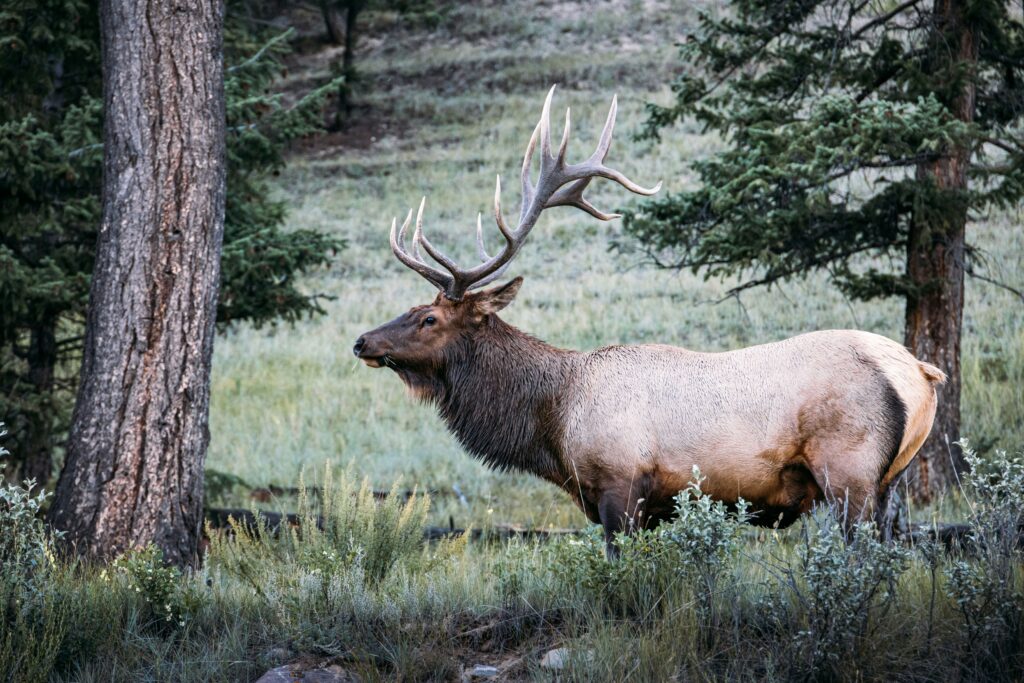
Back to Resources Elk (Cervus canadensis) are negatively impacted by roads. Credit: Rafael Peier The Wildlife Society’s Conservation Affairs Network supports communication, collaboration and coordination on policy engagement across our organization and participating chapters, sections, working groups and student chapters. The monthly CAN newsletter highlights policy issues occurring at local,…Back to Resources Elk (Cervus canadensis) are negatively impacted by roads. Credit: Rafael Peier The Wildlife Society’s Conservation Affairs Network supports communication, collaboration and coordination on policy engagement across our organization and participating chapters, sections, working groups and student chapters. The monthly CAN newsletter highlights policy issues occurring at local, regional and national levels, and provides opportunities for wildlife professionals and students to engage with those issues.
Backyard bird feeding is one of our country’s most popular pastimes. Research reveals about half of Australian households feed wild birds, with many people doing so daily. However, this practice could act as a superspreader event – where a disease infects an unusually high number of people or animals –…Backyard bird feeding is one of our country’s most popular pastimes. Research reveals about half of Australian households feed wild birds, with many people doing so daily. However, this practice could act as a superspreader event – where a disease infects an unusually high number of people or animals – of the H5N1 virus. This deadly strain of bird flu has already decimated wild bird and mammal populations worldwide. It is now spreading across Australia, most recently killing more than 1,000 crested terns and a long-nosed fur seal, the first detection in a mainland mammal. Although many Australians feed wild birds, the practice is controversial . This is mainly due to concerns about people offering unsuitable foods and birds becoming dependent on humans. So why is backyard bird feeding such a problem when it comes to bird flu? And can we do it safely? Not just a hobby People feed wild birds for various reasons , including to provide food during tough times or simply enjoy their presence. Most care deeply about their avian companions and believe feeding them is helpful . However, they may not realize the danger this creates for the birds they love. Feeding wild birds heightens the risk of disease transmission at feeding locations . When we offer supplementary food, such as seeds or meat scraps, this attracts birds of many different species in a combination and number that would not happen in nature. They may carry deadly diseases, such as the H5N1 virus, and potentially spread them to other birds. This can create a transmission hotspot right on our back deck. And catching bird flu can push our most threatened species, such as the orange-bellied parrot , to the brink of extinction. The fatal effects of H5N1 are not only contained to birds. Scavenger animals such as possums, red foxes and crows can be exposed to the virus while devouring the carcasses of infected birds. Humans in close contact with infected wildlife, such as wildlife carers and veterinarians, can contract H5N1. However, human infection is rare and typically only causes mild symptoms. Stopping the spread Backyard bird feeding may seem like a harmless hobby. But given how many people do it, and the risks it poses to both birds and people, bird feeding activities could lead to many more wildlife deaths . So if you feed birds in your backyard, how can you do so safely? The most effective strategy is to stop feeding birds altogether. If you don’t offer food to wild birds, they will be less likely to congregate in your backyard or garden. And they will be fine without your help. Our previous research found most birds that visit feeders obtain most of their nutrition from natural sources, such as insects and worms. So the food we provide is a snack, not an essential meal. But if you do continue feeding wild birds, here are three precautions to take: Offer less food Having feeders full of seeds and leftover meat will attract more birds. So to discourage them from congregating, simply provide less food. Much like COVID-era social distancing rules, this will lower the risk of H5N1 transmission by keeping birds separate. Avoid hand-feeding Having a bird swoop down to snatch food from your hand is one of the most intimate interactions we can have with wildlife. But in the era of bird flu, this must stop. While humans are unlikely to contract H5N1, close physical contact with birds through hand-feeding is simply not worth the risk. Keep everything clean If you keep feeding wild birds, it’s vital to regularly clean all feeding surfaces and equipment using domestic bleach. If you’re not prepared to do this, you shouldn’t be feeding them at all. Backyard bird feeding could worsen Australia’s current H5N1 crisis. Indeed, your avian visitors may complain if you give them fewer tasty treats or stop feeding them altogether. But these measures will protect both you and them from this deadly disease. Please do not touch sick or dead birds or marine mammals. Record the location, take photographs from a safe distance, keep pets away and report the sighting to the Emergency Animal Disease Hotline on 1800 675 888 (Australia).
Many years ago, the only way entomologists could reproduce an ant in three dimensions was by using sculpting clay and their best artistic talent for rendering accurate proportions. Computer programs and improvements in photo technology helped increase the accuracy of 3D models, but recreating an entire creature, no matter how…Many years ago, the only way entomologists could reproduce an ant in three dimensions was by using sculpting clay and their best artistic talent for rendering accurate proportions. Computer programs and improvements in photo technology helped increase the accuracy of 3D models, but recreating an entire creature, no matter how small, still involved a lot of work. But now, researchers are using particle accelerator equipment to scan whole trays of ant specimens at a time. The process takes a minute or two per scan and faithfully reproduces a 3D model of the inside and outside of ants. “It’s sort of like a medical CT scan, but the resolution is really high,” said Evan Economo, an entomology professor at the University of Maryland. In a study published recently in Nature Methods , Economo and his colleagues describe their new technique, which uses high-throughput synchrotron X-ray microtomography—a technology a little bit like the CT scanners used by doctors looking for things like cancer—and a robotic sample change system that quickly switches out samples of individual ants. The synchrotron machine at the Karlsruhe Institute of Technology in Germany is often booked up. As a result, the team only had a week’s opening to work with, so they made sure to prepare. Tracking down ant specimens Economo and a team, including Julian Katzke, an entomologist at the Smithsonian National Museum of Natural History, spent months borrowing specimens from entomology collections. As a result, the new paper describing the technique has more than 50 authors—university professors, museum curators, institutional scientists and private collectors mailed the team samples from all around the world. Once they had their specimens, the researchers had to prepare them for scanning. They filled glass bottles about the size of an eye drop product with alcohol and put an individual ant specimen in each. They set these into trays of 50, then would replace the tray after all the specimens were scanned. Four Okinawan ants reproduced from Antscan data. Credit: Julian Katzke By using this system they’ve dubbed “Antscan,” they have now created accurate 3D models of more than 2,200 individual ants from more than 800 species. The 3D models are available to researchers on a growing database they are adding to as they gather more samples from around the world to scan. While previous technology using CT scans could produce these types of images, it often took more than 10 hours. The specimens that the team has now scanned make up more than all previous efforts to 3D-scan ants combined. The team ended up getting scans from ant genera from most of the common groups. “There was a lot of rare stuff out there that we didn’t get,” Economo said. Economo and Katzke are excited about the kind of research that this baseline work will facilitate. Researchers around the world can now access detailed 3D models of these species online, making it much easier to study anything from brain size and structure to how specimens might change over time, adapting to factors like climate change. They also got multiple specimens scanned of species of concern, such as invasive species like red imported fire ants ( Solenopsis invicta ), that are causing problems around the world. Physiology studies may help researchers understand how invasive ants are so successful at colonizing new areas or how aspects of their physiology might help wildlife managers fight against them. The future of Antscan Economo and Katzke themselves already published work using these scans to measure and compare the thickness of exoskeletons in different ant species. Researchers, or even teachers, can even take these scans to a 3D printer, making large-scale physical models, according to the team. The ant tree of life, with lines indicating their presence in the Antscan dataset. The database will continue to grow as more scans are obtained. Credit: Katzke et al. 2025 For now, their work on Antscan isn’t finished. They are still processing data from their second turn at the machine, which includes many Australian specimens. There are more than 15,000 ant species in the world, and the team hopes to get as many of those scanned as possible. Economo also said it would be nice to have different castes of each species scanned—queens, workers and soldiers, for example. The researchers said that the technique isn’t just limited to ants. While the machine has size limitations, anything that fits in the bottles could be scanned—modern or not. The technique has already been used for scanning ancient specimens trapped in amber. Article by Joshua Rapp Learn
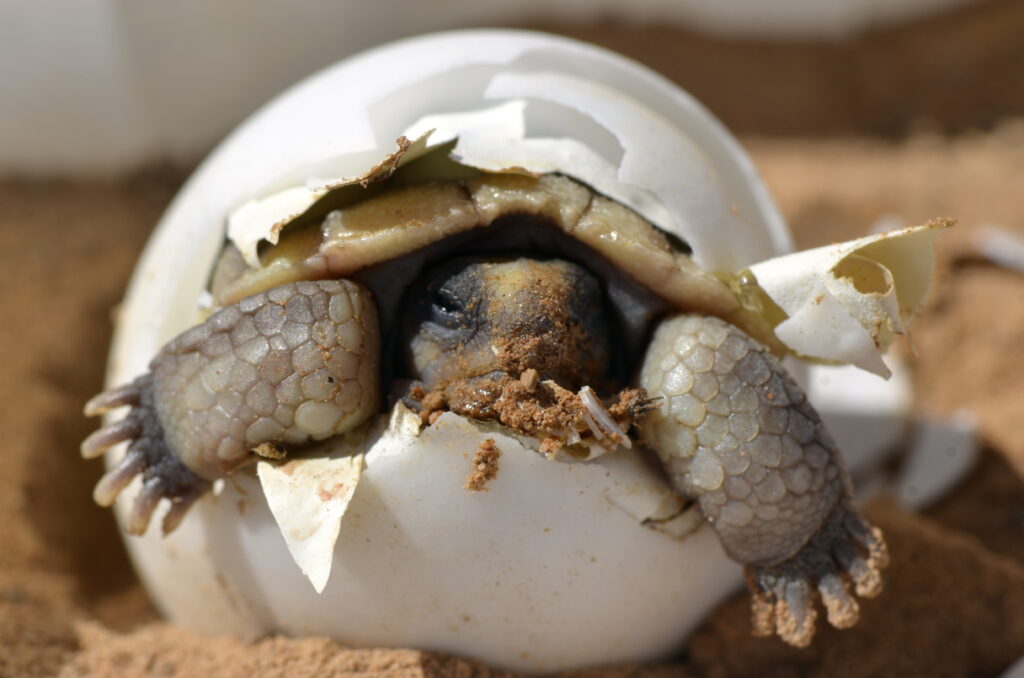
Back to Resources Desert tortoises can live up to 100 years. Credit: K. Kristina Drake/USGS Researchers have developed a new strategy to check in on the health of baby tortoises. The new method helps scientists monitor the endangered Mojave desert tortoises ( Gopherus agassizii ) without stressing them out as…Back to Resources Desert tortoises can live up to 100 years. Credit: K. Kristina Drake/USGS Researchers have developed a new strategy to check in on the health of baby tortoises. The new method helps scientists monitor the endangered Mojave desert tortoises ( Gopherus agassizii ) without stressing them out as much as traditional methods. A new paper, published in Conservation Physiology , found that using handheld infrared thermal cameras is just as good as traditional methods. Normally, researchers must handle the hatchlings and take their temperature using a probe inserted in the cloaca. Reptiles are ectotherms, meaning they can’t produce their own body heat. Knowing their body temperature, researchers say, is important in understanding how they react to stressors like climate change. Read more a Phys.org .