Bat Exclusion Farmers Branch If you need professional Bat Exclusion in Farmers Branch, TX, AAAC Wildlife Removal of Dallas is here to help. In this video, we explain how bat exclusion works and why it is one of the most effective long-term solutions for keeping bats out of your home…Bat Exclusion Farmers Branch If you need professional Bat Exclusion in Farmers Branch, TX, AAAC Wildlife Removal of Dallas is here to help. In this video, we explain how bat exclusion works and why it is one of the most effective long-term solutions for keeping bats out of your home or business. Instead of simply removing bats, our exclusion process focuses on allowing them to leave safely while preventing them from reentering your property through existing access points. Bats can enter buildings through surprisingly small openings around rooflines, soffits, vents, chimneys, fascia boards, and other exterior gaps. Once they establish a roost, they can leave behind guano, create unpleasant odors, damage insulation, and contribute to potential health concerns. In this video, you'll learn how to identify the signs of bat activity, understand why bats choose certain structures in Farmers Branch, and see why professional exclusion is a more effective solution than temporary fixes. At AAAC Wildlife Removal of Dallas, every bat exclusion project begins with a thorough inspection of your property. We carefully identify all active entry and exit points, evaluate the size of the bat colony, and develop a customized exclusion plan. Using humane exclusion devices whenever appropriate, we allow bats to leave the structure naturally before sealing vulnerable openings to help prevent future infestations. Our comprehensive approach is designed to provide lasting protection while respecting the important role bats play in the environment. If you're searching for dependable Bat Exclusion in Farmers Branch, TX, this video will show you why homeowners and business owners trust AAAC Wildlife Removal of Dallas for professional wildlife control services. Be sure to like, subscribe, and turn on notifications for more wildlife removal tips, prevention strategies, and educational videos. We're proud to serve the Farmers Branch community with safe, effective, and long-lasting bat exclusion solutions that help keep homes and businesses protected year-round. More on YouTube: https://www.youtube.com/watch?v=s_tv4ncp8ho On Sound Cloud: AAAC Wildlife Removal Of Dallas offers professional bat removal services in Farmers Branch, Texas. Contact Us: AAAC Wildlife Removal of Dallas 4925 Greenville Ave Ste 200 Dallas, TX 75206 469-423-9299 Website: https://dallas.aaacwildliferemoval.com/ Email: dallas@aaacwildliferemoval.com Find us around the web: YouTube: https://www.youtube.com/channel/UCU5vEuK2NZCsb56Bv21OQYw Facebook: https://www.facebook.com/profile.php?id=61565888967944 Twitter: https://x.com/aacOfDallas SoundCloud: https://soundcloud.com/aaac-wildlife-removal Blogger: WordPress: Tumblr:
Bat Removal Farmers Branch If you're searching for reliable information about Bat Removal in Farmers Branch, TX, this SoundCloud playlist from AAAC Wildlife Removal of Dallas is an excellent resource. Each episode is designed to educate homeowners, business owners, and property managers about bat behavior, the signs of a bat…Bat Removal Farmers Branch If you're searching for reliable information about Bat Removal in Farmers Branch, TX, this SoundCloud playlist from AAAC Wildlife Removal of Dallas is an excellent resource. Each episode is designed to educate homeowners, business owners, and property managers about bat behavior, the signs of a bat infestation, and the importance of safe, humane bat removal. You'll gain practical insights to help protect your property while understanding why professional assistance is often the best solution. Throughout this playlist, we discuss how bats commonly enter homes and commercial buildings through small gaps in rooflines, attic vents, chimneys, soffits, and other exterior openings. You'll learn how to recognize the warning signs of bat activity, including squeaking sounds, bat droppings, staining around entry points, and increased bat sightings around your property during the evening hours. Identifying these signs early can help reduce the risk of larger colonies developing inside your building. You'll also discover how AAAC Wildlife Removal of Dallas approaches bat removal using humane exclusion techniques and long-term prevention strategies. Our episodes explain the importance of detailed inspections, identifying bat entry points, allowing bats to exit safely, and sealing access areas once the colony has left. We also share helpful tips for reducing the likelihood of future bat intrusions while protecting both your property and local wildlife. Whether you're currently dealing with a bat problem or simply want to learn more about bat removal and prevention, this playlist offers valuable guidance from experienced wildlife removal professionals serving Farmers Branch, TX. Follow along for expert advice, educational content, and practical solutions from AAAC Wildlife Removal of Dallas, your trusted local source for safe, effective, and long-lasting bat removal services. More on Sound Cloud: https://soundcloud.com/aaac-wildlife-removal/sets/squirrel-removal-farmers-branch On YouTube: https://www.youtube.com/playlist?list=PLUg5y-v1Kbac AAAC Wildlife Removal Of Dallas offers professional bat removal services in Farmers Branch, Texas. Contact Us: AAAC Wildlife Removal of Dallas 4925 Greenville Ave Ste 200 Dallas, TX 75206 469-423-9299 Website: https://dallas.aaacwildliferemoval.com/ Email: dallas@aaacwildliferemoval.com Find us around the web: YouTube: https://www.youtube.com/channel/UCU5vEuK2NZCsb56Bv21OQYw Facebook: https://www.facebook.com/profile.php?id=61565888967944 Twitter: https://x.com/aacOfDallas SoundCloud: https://soundcloud.com/aaac-wildlife-removal Blogger: WordPress: Tumblr:
“Chocolate, avocados, onions, and moldy foods are some of the most poisonous items you can leave out for squirrels. Even small amounts of these everyday ingredients can cause serious health issues—or be fatal—for these sensitive rodents.” Squirrels may look harmless scampering across your fence or chasing each other up a…“Chocolate, avocados, onions, and moldy foods are some of the most poisonous items you can leave out for squirrels. Even small amounts of these everyday ingredients can cause serious health issues—or be fatal—for these sensitive rodents.” Squirrels may look harmless scampering across your fence or chasing each other up a tree, but when they show up in your attic or tear through your garden, that charm disappears fast. In leafy neighborhoods where parks are close by and backyard bird feeders are everywhere, it’s no surprise that squirrels are regular visitors—and sometimes uninvited tenants. While many people enjoy watching them or even tossing out food, what you leave behind can actually be dangerous to squirrels—and a bigger headache for you without proper squirrel control . This article isn’t about harming wildlife. It’s about knowing what food is poisonous to squirrels so you don’t accidentally invite them in or make them sick. If you’ve been leaving out scraps, filling feeders, or composting without thinking twice, there’s a good chance you’re creating a squirrel buffet without even realizing it. Let’s break down what to avoid, what to secure, and how to protect both your home and the squirrels from a bad encounter. What Is The Most Dangerous Foods for Squirrels? Chocolate and Caffeinated Products Chocolate is one of the most toxic substances you can accidentally leave out for squirrels or any rodent. It contains theobromine—a stimulant that these small animals can’t metabolize effectively. Just a small amount from a brownie, chocolate almond bar, or sugar-filled candy can trigger tremors, elevated heart rate, or seizures in squirrels. Since they have such fast metabolisms and tiny bodies, the toxic effects hit hard and fast, often with serious consequences. Caffeinated foods and drinks are equally dangerous. Coffee grounds , soda spills, or chocolate-covered espresso beans tossed into a compost pile can be life-threatening if a squirrel gets into them. Where outdoor parties and backyard BBQs are common, it’s easy for sugary or caffeine-rich snacks to end up where rodents roam. To keep squirrels safe and your property clear of unwelcome visitors, make it a habit to clean up thoroughly and store all sweet or stimulant-laced foods securely. Avocados Avocados contain persin, a fungicidal toxin found in the fruit’s skin, pit, and even its leaves. While persin might not harm humans, it can be toxic to many animals, including squirrels. The risk isn’t just in eating an avocado—squirrels that nibble on a discarded peel, chewed seed, or exposed pit can experience digestive issues or worse. What makes this even more concerning is how easily avocado waste can be overlooked, especially in compost bins. If you’re growing avocado trees or preparing guacamole from scratch, this is something to stay mindful of. As urban farming and composting become more popular, the risk of accidentally exposing squirrels to this toxic fruit increases. Make sure avocado scraps are properly sealed or discarded, and if you have a tree, regularly clear fallen fruit from the yard. It’s better to be safe than to unknowingly poison a local animal. Onions, Garlic, and Spicy Foods While these aromatic kitchen staples may keep your chili full of flavor, they spell serious trouble for squirrels. Onions and garlic contain compounds that can damage red blood cells, leading to anemia and other health complications. The danger extends to cooked dishes, too. If a squirrel gets into leftover food seasoned with garlic or onions, even in small amounts, it can suffer lasting effects. In worst cases, repeated exposure can be fatal over time. Spicy foods also pack a punch that squirrels can’t handle. Hot sauce remnants, chili powder, or discarded tacos can cause severe digestive distress. Where spicy dishes are a staple, food waste often ends up in outdoor bins or compost piles. Make sure spicy scraps are stored in critter-proof containers, and avoid tossing seasoned leftovers near your patio or yard. The goal isn’t just to avoid harming squirrels—it’s to stop inviting them altogether. Alcohol and Fermented Fruit Alcohol might seem like an unlikely threat to wildlife, but squirrels are highly sensitive to it. Whether it’s beer spills from a tailgate, wine left out on the porch, or sugary cocktails left on patio tables, these drinks can lead to disorientation, slowed reaction time, and eventually liver failure in squirrels. Their small bodies can’t handle even trace amounts, and it doesn’t take much to put them in serious danger. Another sneaky culprit? Overripe or fermenting fruit, especially in backyards with peach, fig, or persimmon trees. As the fruit falls and begins to break down, it can release natural alcohols that attract squirrels and get them intoxicated. They may stagger, fall from trees, or become easy prey for predators. Regularly clean up fruit from the ground and keep alcoholic beverages secure during outdoor events. Salty Snacks and Chips Salt is another ingredient that can easily disrupt a squirrel’s internal balance. While humans can handle a salty snack during a football game or backyard hangout, squirrels don’t process salt well. Even a few bites of junk food like chips, pretzels, or salted walnut snacks can dehydrate them and overwork their kidneys. These types of treats also contain added sugar and artificial ingredients that offer zero nutritional value for squirrels—making them both harmful and useless from a dietary perspective. Many of these items—especially sugary breakfast cereals or processed snack mixes—are casually dropped or tossed outside without much thought. But to a hungry squirrel, that forgotten bowl of cereal or spilled trail mix is a full meal. Where outdoor events, food trucks, and weekend cookouts are part of the culture, squirrels quickly learn where the good stuff is. Cleaning up sugary crumbs and sealing snack waste tightly are easy steps that help discourage squirrels from turning your yard into their favorite buffet line. Surprising “Healthy” Foods That Still Poisonous To Squirrels Not all squirrel-dangerous foods are obviously harmful. Some look totally natural or even nutritious—but for squirrels, they can cause more harm than good. These foods often show up in gardens, bird feeders, compost piles, or well-meaning attempts to “feed the wildlife.” Here’s what to watch for. Raw Corn (Especially Moldy Corn) Corn might seem harmless—it’s a common ingredient in bird seed, livestock feed, and even human snacks. But when corn starts to mold, it can develop aflatoxins, which are highly toxic to squirrels and many other animals. Aflatoxins are produced by certain types of fungi and can affect liver function, immune systems, and even lead to cancer in wildlife. A squirrel doesn’t have to eat much moldy corn for it to cause serious internal damage. The risk goes up during warm, humid stretches—especially in summer—when moisture speeds up mold growth. Corn that’s left outside for too long, stored improperly in feeders, or tossed into compost piles can quickly become a hidden hazard. If you’re putting out corn in a feeder, store it in a dry place, change it frequently, and never offer anything that smells off or looks discolored. It’s not just about nutrition—it’s about safety. Bread and Processed Carbs Bread might feel like a safe, throwaway snack for critters—but it’s actually a poor and potentially harmful food choice for squirrels. Bread, crackers, and other refined carbs offer little to no nutrition, and they can expand in a squirrel’s stomach, leading to bloating or discomfort. In some cases, processed bread products contain preservatives and additives that are hard for squirrels to digest, weakening their system over time. Squirrels that eat too much bread often end up malnourished despite feeling full. This is especially common in neighborhoods where residents leave out food “just to be nice.” Unfortunately, the kindness backfires. Instead of helping, you may be attracting squirrels that grow dependent on an unhealthy food source—and more likely to take up permanent residence in your attic. If you want to be squirrel-friendly, stick to natural deterrents and avoid the bread basket. Peanuts (Especially Salted or Moldy) Peanuts are a bit of a wildcard. While they’re often seen in squirrel food blends or used to lure wildlife for photos, they aren’t actually nuts—they’re legumes. And when they’re salted, roasted, or worse, moldy, they become a serious risk. Moldy peanuts, like corn, can carry aflatoxins that attack a squirrel’s liver and immune system. Salted peanuts, on the other hand, can cause dehydration and kidney stress. This matters because many people use peanuts to feed birds or squirrels without realizing the risks. In fact, some birdseed mixes from big-box stores still include them. If you’re trying to keep squirrels away from your yard—or avoid poisoning them by accident—skip the peanuts. And if you must use them, go for raw, unsalted, and fresh, and use a squirrel-proof bird feeder so your effort to help one species doesn’t endanger another. Foods That Attract Squirrels (But Shouldn’t) Some foods might not be poisonous, but they’re basically neon signs saying “Free Snacks Here!” for squirrels. These attractants can lead to more frequent visits, nesting, and eventual infestations. If you’re trying to squirrel-proof your yard or keep them from invading your home, these are the items to manage carefully. Bird Seed and Pet Food Bird feeders are one of the top culprits for squirrel problems. Many blends contain sunflower seeds, millet, corn, and peanuts—aka squirrel candy. Once they find a reliable food source, squirrels will return again and again, sometimes destroying the feeder in the process. The same goes for pet food left outside. Dry kibble and wet food alike are high-protein, calorie-dense meals that squirrels will happily devour. Where backyard birdwatching is popular and outdoor pet bowls are commo
Author affiliation: Instituto Politécnico Nacional, Mexico City, Mexico (E. Vázquez-Guerrero, G. Paniagua-Campos, P. Estrada-de los Santos, J.A. Ibarra); Baylor College of Medicine, Houston, Texas, USA (A.R. Kneubehl, J.E. Lopez) Ornithodoros turicata ticks were originally described in Mexico by Alfredo Dugès at the end of the 19th Century. In 1936, it…Author affiliation: Instituto Politécnico Nacional, Mexico City, Mexico (E. Vázquez-Guerrero, G. Paniagua-Campos, P. Estrada-de los Santos, J.A. Ibarra); Baylor College of Medicine, Houston, Texas, USA (A.R. Kneubehl, J.E. Lopez) Ornithodoros turicata ticks were originally described in Mexico by Alfredo Dugès at the end of the 19th Century. In 1936, it was implicated as the vector of tick-borne relapsing fever (TBRF) when febrile patients were first described in the city of Aguascalientes, in central Mexico ( 1 ). Borrelia turicatae is the species of TBRF spirochete transmitted by O. turicata , an argasid tick has been found in multiple regions of the United States and Mexico ( 2 , 3 ). We isolated B. turicatae from O. turicata ticks captured in the northern state of Sinaloa and used the diagnostic recombinant glycerophosphodiester phosphodiesterase (rGlpQ) antigen to detect circulating antibodies in clinical patients ( 4 , 5 ). Those findings indicated that B. turicatae and its vector are endemic in regions of Mexico, with spillover into human populations. However, TBRF in Mexico and in many other regions worldwide is a neglected disease that is often misdiagnosed because its symptoms are frequently confused with those of other diseases, such as malaria and brucellosis ( 4 ). Figure 1 Figure 1 . Locations of collection sites in study of Borrelia turicatae in ticks from animals in a public park, Aguascalientes, Mexico. A) Location of the state of Aguascalientes (black shading) in... We obtained 5 isolates of B. turicatae from O. turicata ticks collected at La Pona Park in Aguascalientes, Mexico, in January and April 2023 ( Figure 1 ). We examined tick specimens morphologically and molecularly by taxonomically analyzing a fragment of the mitochondrial genome, as described ( 6 ). Using a mouse model (either C57BL/6 or DBA/2J) ( 5 ), we evaluated the ticks by feeding them on the animals and assessing murine infection. We performed bacterial isolation as previously described by culturing blood samples from mice with spirochetemia in liquid, modified, and supplemented Barbour-Stoenner-Kelly II media supplemented with 10 µg/mL rifampin, 4 µg/mL phosphomycin, and 0.5 µg/mL amphotericin B ( 5 ). We amplified the 16S rRNA genes from each isolate by PCR, then sequenced and taxonomically analyzed them to confirm that all 5 isolates were B. turicatae ; we named the isolates AGU1–AGU5. Of the 5 isolates, we sequenced genomic DNA from isolates AGU1–4 using NovaSeq X (Illumina, https://www.illumina.com ); we used MinION for AGU1–3 and PromethION P2 Solo for AGU4 (Oxford Nanopore Technologies, https://nanoporetech.com ). We base-called nanopore sequencing data using Dorado version 7.4.12 with the version 4.3.0 ( https://github.com/nanoporetech/dorado ) super-accurate base-calling model. We generated Illumina data using the Illumina DNA library prep kit 2 × 150 bp. We assembled chromosome-resolved and plasmid-resolved genome assemblies from Oxford Nanopore and Illumina data as previously described ( 7 ), with some modifications. We inferred a maximum-likelihood species tree as previously described; the tree demonstrated that AGU1–AGU4 clustered with B. turicatae 91E135, BTE5EL, and BTCAM1 strains ( Appendix Figure). Both 91E135 and BTE5EL originated in Texas, USA, whereas BTCAM1 originated in Sinaloa, Mexico. AGU1–AGU5 are the southernmost B. turicatae isolates identified as of April 2026. Figure 2 Figure 2 . Immunoblot results assessing antibody responses in study of Borrelia turicatae in ticks from animals in a public park, Aguascalientes, Mexico. Images show responses in opossums and a feral cat... As part of our investigation, we captured wild fauna in La Pona public park to determine whether local animals were exposed to Borrelia spp. We collected blood samples in accordance with animal welfare guidelines ( 8 ). We captured 5 opossums ( Didelphis virginiana ), 1 deer mouse ( Peromyscus sp.), and 1 feral cat ( Felis silvestris catus ) and tested serum samples by immunoblotting to detect antibodies against B. turicatae protein lysates, rGlpQ, and rBipA, as described previously ( 4 , 5 ). Results showed that the opossum and cat serum samples were reactive with B. turicatae protein lysates rGlpQ, and rBipA ( Figure 2 ). None of the opossum samples were negative for the immunoblotting test, which might be a limitation of our study; however, opossum and cat serum samples from other states tested negative. Our results suggest that B. turicatae circulates in a tick–opossum–feral cat infectious cycle. Our findings support efforts to understand the mechanisms maintaining B. turicatae in nature, the distribution of infected O. turicata ticks, and the public health impact. Although we identified endemic foci of infected ticks, we did not determine the prevalence of B. turicatae in these populations. Understanding prevalence is relevant to public health because B. turicatae can be vertically transmitted from female ticks to their offspring at rates as high as 40% ( 9 ). Public parks and human dwellings have been shown to be a source for infected soft ticks in the southern United States and likely in human infections ( 10 ), but that relationship has been scarcely studied in Mexico. Given that unhoused and underserved persons reside in La Pona public park, they are at risk for exposure to O. turicata ticks and infection with B. turicatae . Our future work will focus on defining the tick–vertebrate infectious cycle of B. turicatae and assessing its effect on human populations living in or around La Pona Park. Clinicians should be aware of this potential zoonotic risk to humans in the area. Dr. Vázquez-Guerrero is a physician, pediatrician, and infectious disease specialist in Mexico. His areas of interest include vectorborne infectious diseases and microbiology . Top We thank the authorities of the Aguascalientes city municipality for permission to collect ticks and capture animals in La Pona. We also thank our research groups at Laboratorio de Genética Microbiana and Baylor University. The animal protocol followed in this study was approved by our Research Ethics Committee at ENCB Instituto Politécnico Nacional (no. ZOO-001-2022e1). Capture of wild fauna was approved by Secretaría de Medio Ambiente y Recursos Naturales, Government of Mexico (no. SGPA/DGVS/0564/21). Borrelia turicatae sequencing data and genome assemblies were submitted to GenBank associated with BioProject PRJNA1338334. Secretaría de Investigación y Posgrado IPN provided financial support for this study (project nos. 20250266, 20253924, and 20260917). Dugès A. Turicata of Guanajuato. Artículo en el periódico “El Repertorio” de Guanajuato. 1876 ;Sect. 11–12. Donaldson TG , Pèrez de León AA , Li AY , Castro-Arellano I , Wozniak E , Boyle WK , et al. Assessment of the geographic distribution of Ornithodoros turicata (Argasidae): climate variation and host diversity. PLoS Negl Trop Dis . 2016 ; 10 : e0004383 . DOI PubMed Google Scholar Guzmán-Cornejo C , Herrera-Mares A , Robbins RG , Rebollo-Hernández A . The soft ticks (Parasitiformes: Ixodida: Argasidae ) of Mexico: species, hosts, and geographical distribution. Zootaxa . 2019 ; 4623 : 3 . DOI PubMed Google Scholar Vázquez-Guerrero E , Gordillo-Pérez G , Ríos-Sarabia N , Lopez JE , Ibarra JA . Case report: exposure to relapsing fever group borreliae in patients with undifferentiated febrile illness in Mexico. Am J Trop Med Hyg . 2023 ; 108 : 510 – 2 . DOI PubMed Google Scholar Vázquez-Guerrero E , Kneubehl AR , Pellegrini-Hernández P , González-Quiroz JL , Domínguez-López ML , Krishnavajhala A , et al. Borrelia turicatae from ticks in peridomestic setting, Camayeca, Mexico. Emerg Infect Dis . 2024 ; 30 : 380 – 3 . DOI PubMed Google Scholar Vázquez-Guerrero E , González-Quiroz JL , Domínguez-López ML , Kneubehl AR , Krishnavajhala A , Curtis MW , et al. New records of Ornithodoros turicata (Ixodida: Argasidae) in rural and urban sites in the Mexican states of Aguascalientes and Zacatecas indicate the potential for tick-borne relapsing fever. Exp Appl Acarol . 2023 ; 91 : 99 – 110 . DOI PubMed Google Scholar Kneubehl AR , Krishnavajhala A , Leal SM , Replogle AJ , Kingry LC , Bermúdez SE , et al. Comparative genomics of the Western Hemisphere soft tick-borne relapsing fever borreliae highlights extensive plasmid diversity. BMC Genomics . 2022 ; 23 : 410 . DOI PubMed Google Scholar Sikes RS ; Animal Care and Use Committee of the American Society of Mammalogists . 2016 Guidelines of the American Society of Mammalogists for the use of wild mammals in research and education. J Mammal . 2016 ; 97 : 663 – 88 . DOI PubMed Google Scholar Filatov S , Krishnavajhala A , Lopez JE . Autogenous reproduction by Ornithodoros turicata (Ixodida: Argasidae) females and vertical transmission of the tick-borne pathogen Borrelia turicatae (Spirochaetales: Borreliaceae ). Appl Environ Microbiol . 2023 ; 89 : e0103223 . DOI PubMed Google Scholar Bissett JD , Ledet S , Krishnavajhala A , Armstrong BA , Klioueva A , Sexton C , et al. Detection of tickborne relapsing fever spirochete, Austin, Texas, USA. Emerg Infect Dis . 2018 ; 24 : 2003 – 9 . DOI PubMed Google Scholar 1 These authors contributed equally to this article. The conclusions, findings, and opinions expressed by authors contributing to this journal do not necessarily reflect the official position of the U.S. Department of Health and Human Services, the Public Health Service, the Centers for Disease Control and Prevention, or the authors' affiliated institutions. Use of trade names is for identification only and does not imply endorsement by any of the groups named above.
Get Rid Of Bats Farmers Branch Need to get rid of bats in Farmers Branch, TX? In this video, AAAC Wildlife Removal of Dallas explains how our experienced wildlife specialists safely and humanely remove bats from homes and commercial properties. Bats often find their way into attics, rooflines, chimneys, soffits,…Get Rid Of Bats Farmers Branch Need to get rid of bats in Farmers Branch, TX? In this video, AAAC Wildlife Removal of Dallas explains how our experienced wildlife specialists safely and humanely remove bats from homes and commercial properties. Bats often find their way into attics, rooflines, chimneys, soffits, and wall voids through small gaps and openings. Our professional bat removal services are designed to solve the problem while helping protect your property from future infestations. While bats provide important environmental benefits by helping control insect populations, they can create serious issues when they roost inside buildings. Bat guano can accumulate over time, causing unpleasant odors, staining, insulation damage, and potential health concerns. In this video, you'll learn how to identify common signs of bat activity, why bats choose certain structures in Farmers Branch, and why professional removal is the safest and most effective way to address the problem. At AAAC Wildlife Removal of Dallas, we begin every bat removal project with a detailed inspection to identify roosting locations and determine how bats are entering the structure. We then develop a customized exclusion plan using humane methods whenever appropriate, allowing the bats to safely leave while preventing them from returning. After the exclusion process is complete, we seal entry points and recommend additional preventative measures to provide long-term protection for your home or business. If you're searching for a trusted company to get rid of bats in Farmers Branch, TX, this video will show you why homeowners and business owners rely on AAAC Wildlife Removal of Dallas for professional wildlife control. Be sure to like, subscribe, and turn on notifications for more wildlife removal tips, bat prevention advice, and educational videos. We're proud to serve the Farmers Branch community with safe, effective, and lasting bat removal solutions that help keep properties protected throughout the year. More on YouTube: https://www.youtube.com/watch?v=JP-_W2SGBaA On Sound Cloud: AAAC Wildlife Removal Of Dallas offers professional bat removal services in Farmers Branch, Texas. Contact Us: AAAC Wildlife Removal of Dallas 4925 Greenville Ave Ste 200 Dallas, TX 75206 469-423-9299 Website: https://dallas.aaacwildliferemoval.com/ Email: dallas@aaacwildliferemoval.com Find us around the web: YouTube: https://www.youtube.com/channel/UCU5vEuK2NZCsb56Bv21OQYw Facebook: https://www.facebook.com/profile.php?id=61565888967944 Twitter: https://x.com/aacOfDallas SoundCloud: https://soundcloud.com/aaac-wildlife-removal Blogger: WordPress: Tumblr:
Yes, flying squirrels actually glide – they don’t fly like birds or bats Ever wondered what it’s like to glide from tree to tree, high up in the forest canopy? Imagine soaring through the night sky, navigating effortlessly between branches and leaves. That’s everyday life for the enchanting flying squirrel.…Yes, flying squirrels actually glide – they don’t fly like birds or bats Ever wondered what it’s like to glide from tree to tree, high up in the forest canopy? Imagine soaring through the night sky, navigating effortlessly between branches and leaves. That’s everyday life for the enchanting flying squirrel. These nocturnal acrobats are not just any ordinary squirrels – they possess unique adaptations that make them true marvels of nature. Let’s dive into the captivating world of flying squirrels and uncover some mind-blowing facts that will leave you in awe! Key Takeaways Flying squirrels glide, not fly. They have unique adaptations that allow them to navigate the forest. These creatures play a crucial role in their ecosystem. Flying squirrels have some surprising and quirky behaviors What Makes Flying Squirrels So Special Flying squirrels are the daredevils of the squirrel family, equipped with a host of special traits that set them apart. First off, let’s clear up a common misconception: flying squirrels don’t actually fly like birds or bats. Instead, they glide through the air using a special membrane called the patagium, which stretches from their wrists to their ankles. This allows them to soar gracefully between trees, sometimes covering distances of up to 150 feet in a single leap! Their large, dark eyes are perfectly adapted for their nocturnal lifestyle, helping them see in the low light conditions of the forest night. The soft, dense fur not only keeps them warm but also helps cushion their landings. And let’s not forget their bushy tails, which act like rudders, aiding in steering and stability during their aerial adventures. There are several species of flying squirrels, with the Northern and Southern Flying Squirrels being the most well-known in North America. Each species has its own unique characteristics, but all share the incredible ability to glide and a set of fascinating behaviors that make them a joy to learn about. How Do Flying Squirrels Glide? The mechanics of gliding are nothing short of extraordinary. When a flying squirrel wants to move from one tree to another, it climbs to a high point and launches itself into the air. Stretching out its limbs, the patagium expands, creating a wing-like surface that catches the air and allows the squirrel to glide. By adjusting the position of its legs and tail, it can steer and control its descent with impressive precision. These adaptations are crucial for their survival, allowing them to escape predators, find food, and explore their environment. It’s like having a built-in parachute that enables them to navigate the forest canopy effortlessly. Plus, it looks incredibly cool! Fun fact: While the average glide covers about 20-30 feet, some flying squirrels have been recorded gliding up to 150 feet in a single bound! That’s equivalent to jumping across half a football field. Imagine having that kind of superpower! Flying Squirrel Habitats and Lifestyle Flying squirrels are true forest dwellers, making their homes in various types of woodlands across the globe. They thrive in both deciduous and coniferous forests, preferring areas with plenty of mature trees. These trees not only provide the high perches they need for gliding but also offer abundant food sources. During the day, flying squirrels take refuge in tree cavities, abandoned woodpecker holes, or nests they’ve constructed out of leaves and twigs. Come nightfall, they emerge to forage and socialize. Their diet is quite diverse, including fruits, nuts, seeds, fungi, and even insects. Their nocturnal nature and excellent night vision make them proficient night-time foragers. Despite their solitary foraging habits, flying squirrels are quite social when it comes to nesting. It’s not uncommon to find several squirrels sharing a nest, especially during the colder months. This communal living helps them conserve body heat and stay warm through the winter. One of the most fascinating aspects of flying squirrels is their role in the ecosystem. They are vital for seed dispersal, helping to spread various tree and plant seeds throughout the forest. This contributes to forest regeneration and biodiversity. Additionally, their diet includes fungi that form symbiotic relationships with tree roots, aiding in nutrient absorption – an essential process for healthy forest ecosystems. Surprising and Quirky Behaviors Flying squirrels are not just impressive gliders; they also have some pretty quirky behaviors. Communication among these creatures is a complex blend of vocalizations, body language, and even chemical signals. They produce a range of sounds, from high-pitched chirps and whistles to low, throaty growls, each serving a different purpose, such as warning of danger or calling to a mate. Socially, flying squirrels exhibit a range of interactions. They are generally peaceful and avoid conflict, preferring to resolve disputes through displays and vocalizations rather than physical confrontations. Their social structure is fascinating, especially when it comes to nesting. During the breeding season, males may compete for females, but outside of this period, they often exhibit cooperative behaviors, sharing nests and food resources. Interestingly, flying squirrels sometimes find their way into urban areas, adapting to city life with remarkable ease. They might nest in attics or other sheltered spaces, gliding between buildings just as they would between trees. Their ability to adapt to various environments showcases their incredible resilience and versatility. One particularly charming behavior is their “glide display,” a form of acrobatic showmanship where they perform elaborate gliding maneuvers. This is thought to be a way of demonstrating their prowess to potential mates or rivals. It’s a breathtaking sight that highlights their agility and grace. Conclusion Flying squirrels are undoubtedly some of the most captivating creatures in the animal kingdom. From their impressive gliding abilities to their vital ecological roles and quirky behaviors, they offer a fascinating glimpse into the wonders of nature. Next time you find yourself in a forest at night, look up – you might just catch a glimpse of these incredible aerial acrobats in action. Whether you’re a seasoned nature enthusiast or someone simply curious about the world, flying squirrels are sure to inspire a sense of wonder and appreciation for the natural world. So share these fun facts with friends, explore more about these amazing creatures, and keep the spirit of curiosity alive!
Bat Removal Near Me Farmers Branch Searching for "Bat Removal Near Me" in Farmers Branch, TX? AAAC Wildlife Removal of Dallas provides professional bat removal services for homeowners and businesses dealing with unwanted bats. In this video, we explain how our experienced wildlife specialists safely and humanely remove bats from…Bat Removal Near Me Farmers Branch Searching for "Bat Removal Near Me" in Farmers Branch, TX? AAAC Wildlife Removal of Dallas provides professional bat removal services for homeowners and businesses dealing with unwanted bats. In this video, we explain how our experienced wildlife specialists safely and humanely remove bats from attics, rooflines, chimneys, soffits, wall voids, and other areas where they commonly roost. Our goal is to protect your property while providing long-term solutions that help prevent future bat infestations. Bats are beneficial to the environment because they help control insect populations, but they can become a serious concern when they move into a home or commercial building. Their droppings, known as guano, can accumulate over time, creating unpleasant odors, damaging insulation, and contributing to potential health concerns. In this video, you'll learn how to recognize the warning signs of bat activity, understand why bats are attracted to properties in Farmers Branch, and discover why professional removal is the safest and most effective approach. At AAAC Wildlife Removal of Dallas, every bat removal project begins with a comprehensive property inspection. We identify the species involved, locate all active entry and exit points, and develop a customized exclusion plan. Using humane bat exclusion methods whenever appropriate, we allow bats to leave the structure while preventing them from returning. Once the exclusion process is complete, we seal vulnerable openings and provide recommendations to help keep your property protected for the long term. If you're looking for reliable Bat Removal Near Me in Farmers Branch, TX, this video will show you why homeowners and business owners trust AAAC Wildlife Removal of Dallas for professional wildlife control services. Be sure to like, subscribe, and turn on notifications for more wildlife removal tips, bat prevention strategies, and educational videos. We're proud to serve the Farmers Branch community with safe, effective, and dependable bat removal solutions that help protect homes and businesses year-round. More on YouTube: https://www.youtube.com/watch?v=R9btgAgHNRQ On Sound Cloud: AAAC Wildlife Removal Of Dallas offers professional bat removal services in Farmers Branch, Texas. Contact Us: AAAC Wildlife Removal of Dallas 4925 Greenville Ave Ste 200 Dallas, TX 75206 469-423-9299 Website: https://dallas.aaacwildliferemoval.com/ Email: dallas@aaacwildliferemoval.com Find us around the web: YouTube: https://www.youtube.com/channel/UCU5vEuK2NZCsb56Bv21OQYw Facebook: https://www.facebook.com/profile.php?id=61565888967944 Twitter: https://x.com/aacOfDallas SoundCloud: https://soundcloud.com/aaac-wildlife-removal Blogger: WordPress: Tumblr:
< Previous Article Next Article > Home ICWDM TWS WDM News 26 Center, Internet, Wildlife Damage Management TWS Wildlife Damage Management Working Group Newsletter: Vol. 10, Issue 2 Fall 2003 Authors Date of this Version 2003 Document Type Article Abstract Forward ; Working Group Annual Meeting Minutes ; 2003 Wildlife…< Previous Article Next Article > Home ICWDM TWS WDM News 26 Center, Internet, Wildlife Damage Management TWS Wildlife Damage Management Working Group Newsletter: Vol. 10, Issue 2 Fall 2003 Authors Date of this Version 2003 Document Type Article Abstract Forward ; Working Group Annual Meeting Minutes ; 2003 Wildlife Damage Management Working Group Board Member Ballot; News And Announcements; Executive Board Candidates; Application For Membership / The Wildlife Society Download DOWNLOADS Since November 09, 2010 Included in Environmental Health and Protection Commons COinS
Bat Control Farmers Branch Looking for professional Bat Control in Farmers Branch, TX? AAAC Wildlife Removal of Dallas provides safe, humane, and effective bat control services for homeowners and businesses throughout the area. In this video, we explain how our experienced wildlife specialists identify bat activity, remove bats from structures…Bat Control Farmers Branch Looking for professional Bat Control in Farmers Branch, TX? AAAC Wildlife Removal of Dallas provides safe, humane, and effective bat control services for homeowners and businesses throughout the area. In this video, we explain how our experienced wildlife specialists identify bat activity, remove bats from structures using proven exclusion methods, and help prevent future infestations. Whether bats are roosting in your attic, chimney, roofline, or wall voids, our team is equipped to provide long-lasting solutions. Bats are valuable members of the local ecosystem because they help reduce insect populations, but they can become a problem when they move into homes or commercial buildings. Over time, bat colonies can leave behind guano that damages insulation, creates unpleasant odors, and contributes to potential health concerns. In this video, you'll learn how to recognize the signs of a bat infestation, understand why bats are attracted to certain properties in Farmers Branch, and discover why professional bat control is essential for protecting your property. At AAAC Wildlife Removal of Dallas, every bat control service begins with a comprehensive inspection to identify the species involved, locate entry and exit points, and evaluate the extent of the infestation. We create a customized bat exclusion plan using humane techniques whenever appropriate, allowing bats to leave the structure while preventing them from returning. Once the exclusion process is complete, we seal vulnerable openings and provide recommendations to help safeguard your property against future bat activity. If you're searching for dependable Bat Control in Farmers Branch, TX, this video will show you why homeowners and business owners trust AAAC Wildlife Removal of Dallas for professional wildlife management. Don't forget to like, subscribe, and turn on notifications for more wildlife removal tips, prevention strategies, and educational videos. We're proud to serve the Farmers Branch community with reliable bat control services that provide safe, effective, and long-term protection for your home or business. More on YouTube: https://www.youtube.com/watch?v=npVisYsBmYc On Sound Cloud: AAAC Wildlife Removal Of Dallas offers professional bat removal services in Farmers Branch, Texas. Contact Us: AAAC Wildlife Removal of Dallas 4925 Greenville Ave Ste 200 Dallas, TX 75206 469-423-9299 Website: https://dallas.aaacwildliferemoval.com/ Email: dallas@aaacwildliferemoval.com Find us around the web: YouTube: https://www.youtube.com/channel/UCU5vEuK2NZCsb56Bv21OQYw Facebook: https://www.facebook.com/profile.php?id=61565888967944 Twitter: https://x.com/aacOfDallas SoundCloud: https://soundcloud.com/aaac-wildlife-removal Blogger: WordPress: Tumblr:
Trichinellosis Outbreak Linked to Undercooked Bear Jerky, North Carolina, USA, 2024 Author affiliation: North Carolina Department of Health and Human Services, Raleigh, North Carolina, USA (C.D. Gowler, N. Lee, T. Morrison, M. D’Angelo, C. Williams, E. Wilson); Centers for Disease Control and Prevention, Atlanta, Georgia, USA (C.D. Gowler, S.G.H. Sapp,…Trichinellosis Outbreak Linked to Undercooked Bear Jerky, North Carolina, USA, 2024 Author affiliation: North Carolina Department of Health and Human Services, Raleigh, North Carolina, USA (C.D. Gowler, N. Lee, T. Morrison, M. D’Angelo, C. Williams, E. Wilson); Centers for Disease Control and Prevention, Atlanta, Georgia, USA (C.D. Gowler, S.G.H. Sapp, M. Neja, B.A. Watson, S.P. Montgomery, A. Straily); Graham County Department of Public Health, Robbinsville, North Carolina, USA (M. Phillips) Cite This Article Citation for Media Introduction Medscape CME ACTIVITY In support of improving patient care, this activity has been planned and implemented by Medscape, LLC and Emerging Infectious Diseases. Medscape, LLC is jointly accredited with commendation by the Accreditation Council for Continuing Medical Education (ACCME), the Accreditation Council for Pharmacy Education (ACPE), and the American Nurses Credentialing Center (ANCC), to provide continuing education for the healthcare team. Medscape, LLC designates this Journal-based CME activity for a maximum of 1.00 AMA PRA Category 1 Credit(s) ™ . Physicians should claim only the credit commensurate with the extent of their participation in the activity. Successful completion of this CME activity, which includes participation in the evaluation component, enables the participant to earn up to 1.0 MOC points in the American Board of Internal Medicine's (ABIM) Maintenance of Certification (MOC) program. Participants will earn MOC points equivalent to the amount of CME credits claimed for the activity. It is the CME activity provider's responsibility to submit participant completion information to ACCME for the purpose of granting ABIM MOC credit. All other clinicians completing this activity will be issued a certificate of participation. To participate in this journal CME activity: (1) review the learning objectives and author disclosures; (2) study the education content; (3) take the post-test with a 75% minimum passing score and complete the evaluation at https://www.medscape.org/journal/eid ; and (4) view/print certificate. NOTE: It is the policy of Medscape Education to avoid the mention of brand names or specific manufacturers in accredited educational activities. However, trade and manufacturer names in this activity are provided in an effort to provide clarity. The use of brand or manufacturer names should not be viewed as an endorsement by Medscape of any specific product or manufacturer. Release date: June 24, 2026; Expiration date: June 24, 2027 Learning Objectives Upon completion of this activity, participants will be able to: Assess the epidemiology and parasitology of trichinellosis Distinguish the diagnostic criteria for trichinellosis Identify the attack rate of Trichinella spiralis after exposure in the current study CME Editor Bryce Simons, MPH, Technical Writer/Editor, Emerging Infectious Diseases. Disclosure: Bryce Simons, MPH, has no relevant financial relationships. CME Author Charles P. Vega, MD, Health Sciences Clinical Professor of Family Medicine, University of California, Irvine School of Medicine, Irvine, California, USA. Charles P. Vega, MD, has the following relevant financial relationships: consultant or advisor for Boehringer Ingelheim; Exact Sciences; GlaxoSmithKline. Authors Camden D. Gowler, PhD; Nicole Lee, MPH; Meghan Phillips, BSN, RN; Sarah G. H. Sapp, PhD; Tammra Morrison, BSN, RN, NCCPHN; Melanie D’Angelo, MPH; Margaret A. Neja, BS; Billy A. Watson, PhD; Susan P. Montgomery, DVM, MPH; Anne Straily, DVM, MPH; Carl J. Williams, DVM; Erica Wilson, MD. Top Abstract Trichinella spp. nematodes are parasites that can cause trichinellosis in humans after consumption of infected, undercooked meat. A November 2024 trichinellosis outbreak in western North Carolina, USA, resulted in 3 cases (2 probable, 1 confirmed), all linked to undercooked bear jerky. In total, 6 persons consumed the implicated meat (attack rate 50%). Molecular testing identified Trichinella spiralis in leftover meat from the same bear. This outbreak provides evidence of changing trichinellosis patterns. Low-cost safety measures and prevention efforts regarding safe wild game preparation are needed to avoid future outbreaks. Trichinella spp. are parasitic nematodes that can cause trichinellosis (also called trichinosis) when humans consume infected, undercooked meat. Trichinellosis is a reportable disease in North Carolina, USA. Only 3 cases were reported during 1991–2022, and no outbreaks were reported during the same period. Historical reports suggest very low incidence locally ( 1 , 2 ). In November 2023, a probable trichinellosis outbreak was reported, and undercooked bear meat was the likely source ( 3 ). A year later, in November 2024, a public health investigation was initiated when a clinician reported a hospitalized patient with suspected trichinellosis. This patient had shared wild bear meat with 5 other persons in the form of jerky (desiccated meat). The Graham County Health Department and North Carolina Division of Public Health (NCDPH) investigated to characterize cases and provide public health guidance to prevent further illness. The week after the November 2024 report, public health officials identified and interviewed 6 persons who consumed the bear jerky. We used the 2014 case definition from the Council for State and Territorial Epidemiologists ( 4 ) for case classification. We defined probable cases as the presence of clinically compatible symptoms in a person who shared an epidemiologically implicated meal or ate a meat product in which the parasite was found. We defined confirmed cases as the presence of clinically compatible symptoms with a positive laboratory test such as Trichinella antibody screening. Clinically compatible signs and symptoms included fever, myalgia, periorbital edema, and eosinophilia. This activity was reviewed by the Centers for Disease Control and Prevention (CDC), was deemed not research, and was conducted consistent with applicable federal law and CDC policy. The bear was hunted in Graham County in western North Carolina at the start of bear season (October). Approximately half the meat was frozen as various cuts and half was prepared as jerky without prior freezing. Because the process involved only marination and dehydration, the jerky preparation likely did not reach the suggested > 165°F ( > 74°C) internal temperature necessary to kill Trichinella spp. parasites. At the time of notification, purportedly no jerky remained, but 4 remaining frozen meat pieces were sent for testing at the CDC’s Division of Parasitic Diseases and Malaria, National Center for Emerging and Zoonotic Infectious Diseases. The implicated bear jerky was shared among 6 persons. Trichinellosis symptoms developed in 3 persons, including 1 who was hospitalized with severe symptoms characteristic of trichinellosis: periorbital edema, eosinophilia, and muscle weakness. The patient’s physician had read of an outbreak of trichinellosis in western North Carolina reported in Morbidity and Mortality Weekly Report ( 3 ) and informed NCDPH. Public health officials advised those involved to cease further jerky consumption. State wildlife officials emailed a notice to a listserv of registered hunters about proper handling and cooking of bear meat. The overall attack rate was 50% (n = 3), including probable cases in persons who ate the implicated meal and reported symptoms ( Table 1 ). For confirmed cases only, the attack rate was 16% (n = 1). Median incubation period for symptomatic cases was 33 (range 27−40) days. The hospitalized patient was tested for Trichinella IgG twice. The first results were negative (collected 12 days after symptom development), but convalescent serum results (collected 31 days after symptom development) were positive ( Table 2 ). Public health officials advised the remaining symptomatic persons of the value of testing, including convalescent testing, because of potential early false negatives. However, because they did not have health insurance, both were discouraged by the high cost (>$200) of testing. All symptomatic persons were treated with albendazole and recovered ( Table 1 ). CDC’s Division of Parasitic Diseases and Malaria tested 4 bear meat specimens. The meat was frozen at an unknown temperature for >57 days. Testing found encapsulated Trichinella spp. larvae in all 4 specimens; the parasite loads ranged from 18.6 to 47.9 larvae/g ( Figure ; Table 3 ). Two specimens contained a few larvae with very slight motility. Molecular testing using real-time PCR targeting the encapsulated North American Trichinella spp. identified the larvae as T. spiralis nematodes ( Table 3 ). We describe a trichinellosis outbreak in western North Carolina, providing additional evidence of changing trichinellosis patterns. Trichinellosis was rarely reported in North Carolina until 2023, when a probable outbreak of trichinellosis resulted in 10 symptomatic cases ( 3 ). However, the causative Trichinella species could not be determined. In the outbreak described in this article, T. spiralis nematodes were identified from leftover meat. This finding was somewhat unexpected because T. spiralis infection is rarely reported from bear meat, compared with rates for other Trichinella spp.( 6 ). Wildlife disease surveillance is needed to update our knowledge of Trichinella prevalence, host affinities, and associated public health risks. The outbreak we report also underscores the need for prevention to avoid painful, debilitating infections. Despite the risk for severe disease from trichinellosis, including persistent myalgia or even death, persons preparing wild game and other potentially affected meats for consumption still neglect to follow the recommended cooking measures. Furthermore, provider awareness of trichinellosis can help enable appropriate treatment and guide public health action. Treatment of trichinellosis is typically with albendaz
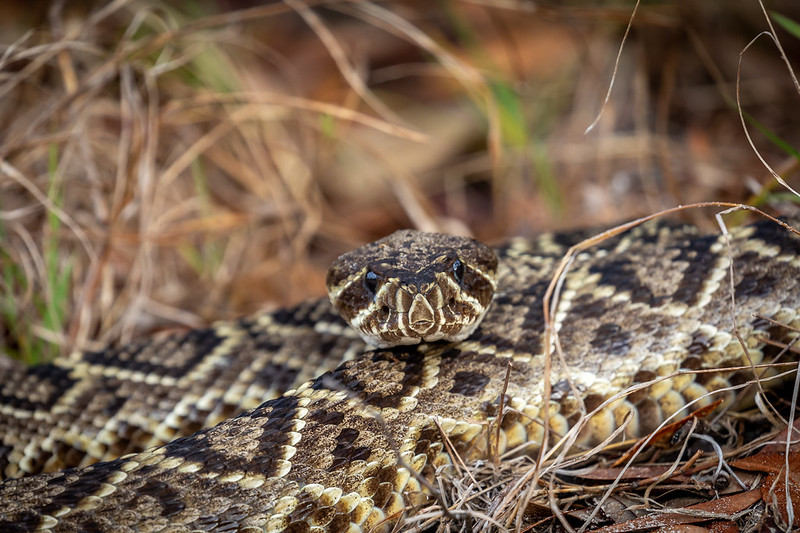
Back to Resources Eastern diamondback rattlesnake (Crotalus adamanteus). Credit: Matthew Paulson The Southeastern Section of The Wildlife Society submitted this letter to the Georgia Deparment of Natural Resources calling for the addition of the eastern diamondback rattlesnake ( Crotalus adamanteus ) to the Georgia Protected Species List. The letter notes…Back to Resources Eastern diamondback rattlesnake (Crotalus adamanteus). Credit: Matthew Paulson The Southeastern Section of The Wildlife Society submitted this letter to the Georgia Deparment of Natural Resources calling for the addition of the eastern diamondback rattlesnake ( Crotalus adamanteus ) to the Georgia Protected Species List. The letter notes that, while progress has been made in efforts to conserve the species, it is still vulnerable to threats like habitat loss and human persecution. The Section states that “Georgia’s goal should be to preemptively conserve this species to preclude a federal listing under the Endangered Species Act, which would likely be more restrictive than state regulations.”
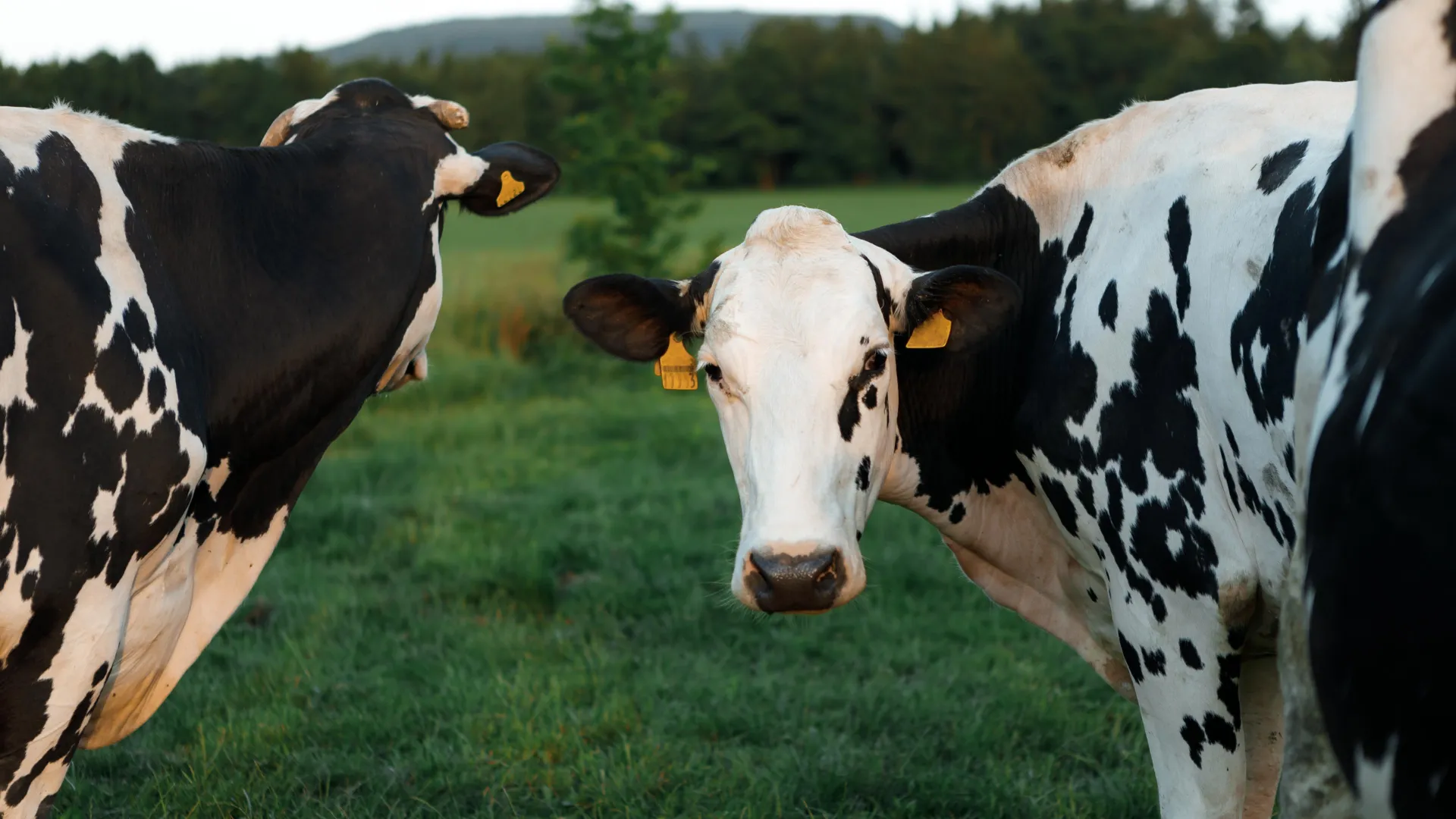
When H5N1 bird flu began infecting U.S. dairy cattle in early 2024, veterinarians struggled to identify the cause. The virus was difficult to recognize because it behaved very differently in cows than it does in other mammals. Rather than primarily infecting the lungs, H5N1 caused severe infections in the udders…When H5N1 bird flu began infecting U.S. dairy cattle in early 2024, veterinarians struggled to identify the cause. The virus was difficult to recognize because it behaved very differently in cows than it does in other mammals. Rather than primarily infecting the lungs, H5N1 caused severe infections in the udders while leaving the respiratory system largely unaffected. Now, researchers at the University of Pittsburgh School of Public Health have uncovered the biological reason behind this unusual pattern. Their findings, published in Science Advances , provide the first detailed explanation for why bird flu took such an unexpected form in cattle. The work could also help scientists better anticipate how H5N1 might behave if it spreads to new animal species in the future. Bird Flu's Unusual Appearance in Dairy Herds The outbreak first emerged in dairy cattle in the Texas Panhandle, where animals developed severe cases of necrotizing mastitis, a painful inflammatory disease that damages tissue in the mammary glands. "Mastitis is a classic disease in milk-production animals, and veterinarians were dutifully looking to all the usual suspects for the source, like bacterial pathogens," said senior author Suresh Kuchipudi, Ph.D., chair of Infectious Diseases and Microbiology at Pitt Public Health. "When the real culprit turned out to be bird flu, everyone in the field was caught completely by surprise. We hadn't even remotely considered that cattle could be a host for H5N1." Before the virus was identified, it spread from herd to herd, infecting cattle and contaminating their surroundings. "If a cow is infected, it sheds a lot of virus into the milk," said Kuchipudi. "This raised concerns about occupational risk for farm workers. Also, there is a habit of feeding raw milk to domestic pets, like cats, and there have been instances of cats dying , which we studied previously." Kuchipudi emphasized that pasteurization effectively destroys the virus, highlighting the importance of avoiding raw milk. Searching for the Biological Explanation Throughout his career, Kuchipudi has studied influenza viruses, focusing on how receptor biology influences which species and tissues can be infected. Influenza viruses attach to specific receptors on cells in a lock-and-key fashion. These receptors belong to a group of sugar-based molecules known as glycans. Earlier studies from other research groups suggested that flu-related glycan receptors were present in the noses, tracheas, and lungs of cattle. Yet cows infected with H5N1 were not developing the respiratory disease researchers expected. That discrepancy suggested that a more detailed explanation was needed. "Glycan biology is very complex," said Kuchipudi. "We realized that, to understand what was really going on, we would need to use more innovative technologies and map out the fine-detailed architecture that enables the virus to bind to cells." To do that, Kuchipudi partnered with Harvard Medical School researcher Lauren E. Pepi, Ph.D., whose expertise is in glycomics, the comprehensive study of glycan structures. Why H5N1 Targets Cow Udders The research team combined multiple techniques, including binding experiments, staining approaches, and ultra-high-resolution imaging, to examine how H5N1 interacts with different tissues. Their analysis showed that not all glycan receptors function the same way when it comes to bird flu infection. The virus was able to bind only to a specific subtype known as N-linked sialic acid receptors. These receptors were found throughout the udder tissue of cattle but were nearly absent in airway tissue. According to Kuchipudi, this made the mammary glands a "perfect breeding ground for the virus." The discovery helps explain why H5N1 caused severe mastitis rather than respiratory illness in dairy cattle. Predicting Bird Flu's Next Move The researchers believe their findings could do more than explain the cattle outbreak. The same approach may help scientists identify which animals and tissues are vulnerable to H5N1 before future outbreaks occur. "We can preemptively screen different species and different tissues within them for susceptibility," said Kuchipudi. "For example, would they exhibit respiratory symptoms? Would they show only mastitis, as in cows? Or would they show neurological disease, as our team has shown in cats? The lessons learned could potentially help prevent us from being caught by surprise again." Other authors on the study were Surabhi Srinivas, M.S., Shubhada K. Chothe, Ph.D., Santhamani Ramasamy, Ph.D., Sougat Misra, Ph.D., Noel Chandan Nallipogu, M.D., MPH, and Lindsey LaBella, all of Pitt; Yin-Ting Yeh, Ph.D., of Pennsylvania State University; May Wang, B.S., of Harvard University; and Heidi L. Pecoraro, Ph.D., and Brett T. Webb Ph.D., of North Dakota State University. This research was supported by Pitt Public Health, and the U.S. Department of Agriculture's National Institute of Food and Agriculture (FP00039373/AWD00010780).
A team of experts is launching an ambitious effort to create the first comprehensive assessment of nature in the United States and is weaving the expertise of wildlife professionals into it. Carrying on work canceled under the Trump administration, The Nature Record, currently at 868 pages, brings together knowledge, storytelling…A team of experts is launching an ambitious effort to create the first comprehensive assessment of nature in the United States and is weaving the expertise of wildlife professionals into it. Carrying on work canceled under the Trump administration, The Nature Record, currently at 868 pages, brings together knowledge, storytelling and public participation to create a picture of nature across the nation. The Nature Record covers everything from marine ecosystems to how nature interacts with health and well-being, and the role it plays in local economies and community resilience. The Nature Record has invited people from across the country to help shape the national conversation on nature. “We need everybody’s voice in there,” said Phillip Levin, the director of The Nature Record. “If we’ve left something out that’s really important to someone, I think we’ve done a disservice, so we’d like to know that.” The Nature Record intends to help communities, businesses and policymakers make more informed decisions about conservation, development, climate resilience and economic planning. The birth of a nature assessment in the U.S. Levin was formerly part of The National Nature Assessment under the Biden administration. The National Nature Assessment is intended to be a comprehensive, first-of-its-kind evaluation of the status, trends and future of U.S. lands, waters and biodiversity. Starting in 2022, the National Nature Assessment was just beginning to work with federal agencies and begin the lengthy pursuit of summarizing the value of nature. When the Biden administration ended, The National Nature Assessment was terminated, but Levin and his team decided to carry on the work as The Nature Record. The Nature Record builds on the original assessments’ foundation, looking to make the biggest impact under new conditions. “When priorities changed, it was disappointing,” Levin said. “Even so, everybody involved with the project realized that what we were doing is really important. It was needed, and so we kept going.” “I Burn to Bloom, Listen” is a depiction of student Tiffany Lee as she flees her neighborhood during a wildfire. She said that in creating the piece, she was processing “what it meant to live through an inescapable fire that engulfed everything.” Credit: Tiffany Lee/Bow Seat: Creative Action for Conservation While new to the United States, several other countries, including the United Kingdom, Canada and Australia, have also developed national efforts to measure nature’s contributions to society. For example, the U.K. has The National Ecosystem Assessment , a peer-reviewed evaluation of nature and the benefits it provides. For Levin, the project reflects a broader shift in how he has thought about nature and conservation through time. After watching many of his study sites change and working to incorporate ecosystem thinking into the National Oceanic and Atmospheric Administration, he became increasingly interested in the reciprocal relationship between people and nature. The Nature Record is designed to demonstrate the ways that people shape nature and nature shapes people, capturing the connections while combining scientific knowledge with public participation. The new nature assessment On the publicly available website, people can preview 13 chapters of the assessment. Experts are synthesizing information from a variety of areas, from equity and environmental justice to terrestrial ecosystems of the United States. While some of the chapters are informational, about a third of the chapters are focused on solutions to modern environmental problems and success stories. The report covers the return of bald eagles ( Haliaeetus leucocephalus ), the decline of the use of DDT and the resilience of ecosystems after the eruption of Mt. Saint Helens. Levin and his team intend for it to be a shared record of how nature is doing, why it matters to people and what they or others are doing. “We want to feature success stories—what’s working, what’s broken, how do we fix it?” said Levin, who wants solutions on the ground to be more widely accessible. The public had the opportunity to click on each chapter and add comments as they read, weaving their expertise and lived experiences into the fabric of the report. By allowing for public participation, the team intended for The Nature Record to be as practical, relevant and valuable to people as possible. Through collaborations with other organizations, Levin and his team sought to convey why a holistic assessment of nature mattered. “Nature is the infrastructure for life. It shapes our health, shapes our water safety, our economy,” he said. The report is a living document that continues to grow. Translating the value of nature Levin and his team are also collaborating with some nontraditional partners to extend The Nature Record’s reach and convey the value of nature in new ways. By working with artists, writers and those engaged in the humanities, The Nature Record displays the way humans feel about the topics covered in the report. Inspired by Robert Swan’s quote, “The greatest threat to our planet is the belief that someone will save it,” student Nerissa Pan looked to highlight that nature is not separate from humans but rather a reflection of their choices. The student calls on viewers to “stop waiting and start acting.” Credit: Nerissa Pan/Bow Seat: Creative Action for Conservation For example, Poets for Science , a global community initiative exploring the connection between science and poetry, has worked with Levin and his team to capture the human emotions behind topics covered in the report, such as climate change, building an anthology called “ Nature of our Times .” The anthology was released prior to completion of the report. “[The poems] hold grief and gratitude, urgency and wonder. They don’t look away from what’s being lost, but they also refuse despair,” Levin said, describing the poems and the partnership as “life-changing.” Levin and his team are also working with Bow Seat: Creative Action for Conservation , the world’s largest environmental youth program for the creative arts, to capture their response to the themes in The Nature Record. “Seeing the responses to those prompts through the eyes of middle and high school students expressed as a painting—it’s pretty amazing they are giving it back to us through their eyes and hearts,” Levin said. By working together, the groups have realized how much they can learn from each other and expand their reach. Article by Kaylyn Zipp
Not many people can say they’ve been diving with loggerhead turtles, released endangered red wolves back into the wild or been within 100 yards from a bison herd. But that’s only a taste of Peter Gros’ experiences in wildlife conservation as co-host of one of the most beloved wildlife television…Not many people can say they’ve been diving with loggerhead turtles, released endangered red wolves back into the wild or been within 100 yards from a bison herd. But that’s only a taste of Peter Gros’ experiences in wildlife conservation as co-host of one of the most beloved wildlife television programs in history. In this episode of “Our Wild Lives,” hosts Katie Rohrbach and Ed Arnett chat with Gros, co-host of Mutual of Omaha’s Wild Kingdom: Protecting the Wild about his storied career as a conservationist and science communicator. Gros recounts some of his favorite memories travelling the world since 1985 with the original Wild Kingdom show and now the modern adaptation. He offers his optimistic outlook for conservation from his experiences of seeing where we were and where we are headed. “Our Wild Lives” is The Wildlife Society’s biweekly podcast, sharing compelling stories from wildlife professionals doing critical work around the world. Your hosts, Katie Rohrbach and Ed Arnett, of The Wildlife Society, bring you thought-provoking conversations with leading experts and emerging voices. Learn more: About Wild Kingdom: https://www.youtube.com/@wildkingdom
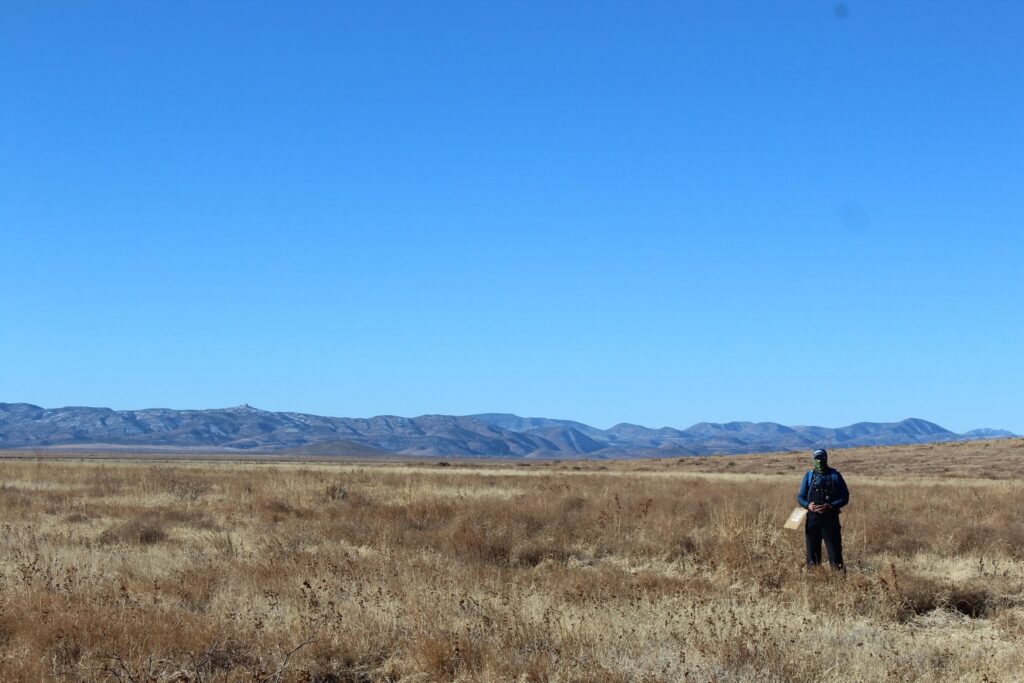
Sometimes, the most exciting discoveries begin when nature challenges what we think we know. For many years, my colleagues, students and I have studied migratory grassland birds in the Chihuahuan Desert of northern Mexico. One of these species is the grasshopper sparrow ( Ammodramus savannarum ), which we regularly encountered…Sometimes, the most exciting discoveries begin when nature challenges what we think we know. For many years, my colleagues, students and I have studied migratory grassland birds in the Chihuahuan Desert of northern Mexico. One of these species is the grasshopper sparrow ( Ammodramus savannarum ), which we regularly encountered during winter surveys in the grasslands of Durango. Because these grasslands are an important wintering area for migratory birds, we had come to think of the grasshopper sparrow primarily as a winter visitor. It was one of many species that arrived from northern breeding grounds, spent the winter in Mexico and then migrated north again. Martín Pereda But fieldwork eventually showed us that we knew only part of the story. During the summer of 2017, while conducting surveys in the Cuchillas de la Zarca grasslands of northern Durango, we detected male grasshopper sparrows singing and behaving territorially. Their presence at that time of year immediately caught our attention. Instead of assuming that they were simply late migrants or occasional summer visitors, we decided to follow the evidence. What happened next became one of the most memorable experiences of my career in wildlife research. We captured males and females showing clear signs of reproductive condition. Then, while observing the behavior of the adults, we noticed birds repeatedly carrying food toward the ground. Following them through the grass eventually led us to something we had not expected to find: a nest containing four chicks. We later documented fledglings, including one in a separate territory, providing further evidence that reproduction was occurring in these grasslands. Until then, we had viewed these grasslands mainly as winter habitat for this migratory species. Finding that nest changed our perspective. Our observations provided the first confirmed breeding record of the grasshopper sparrow in Durango and, to our knowledge at the time, the first confirmed nesting record within the Chihuahuan Desert grasslands of Mexico. The discovery also changed the way I thought about the conservation value of the landscape. Cuchillas de la Zarca was not simply a place where migratory birds survived the winter. For at least some grasshopper sparrows, these grasslands were also a place to establish territories, build nests, raise young and complete another critical part of their life cycle. Pereda and his colleagues train in mist-netting and the capture of grassland birds in the Chihuahuan Desert. Credit: Bird Conservancy of the Rockies This made the conservation of these grasslands even more important. The study ultimately emphasized the need to maintain the vegetation characteristics required by breeding grasshopper sparrows and other declining grassland birds. For me, this experience captures one of the things I value most about field biology. We begin our research with previous knowledge, expectations and hypotheses, but we must always be willing to let nature challenge them. Sometimes, an unexpected observation becomes a question; the question leads us to look more carefully and what we find changes our understanding of a species. That small nest hidden among the grasses of Durango reminded me that unexpected results are not failures of science. Very often, they are where discovery begins. Learn more about Wildlife Vocalizations , and read other contributions . Submit your story for Wildlife Vocalizations or share the submission form with your peers and colleagues to encourage them to share their story. Article by Martín Pereda
Pollinator Crisis Pollinators are essential to wildlife yet often overlooked contributors to our food systems and ecosystems. All native bees, butterflies, moths, bats, and hummingbirds are pollinators and play a … Read more The post How the National Budget Can Shape the Center’s Work for Pollinators appeared first on The…Pollinator Crisis Pollinators are essential to wildlife yet often overlooked contributors to our food systems and ecosystems. All native bees, butterflies, moths, bats, and hummingbirds are pollinators and play a … Read more The post How the National Budget Can Shape the Center’s Work for Pollinators appeared first on The National Wildlife Federation Blog.
Back to Resources October 1, 2026 TWS provided these comments, with the assistance and expertise of the Private Lands Working Group, in response to proposed revisions to the NRCS National Handbook of Conservation Practices (NHCP). This follows our comments to additional revisions to the NHCP earlier this year . Conservation…Back to Resources October 1, 2026 TWS provided these comments, with the assistance and expertise of the Private Lands Working Group, in response to proposed revisions to the NRCS National Handbook of Conservation Practices (NHCP). This follows our comments to additional revisions to the NHCP earlier this year . Conservation Practice Standards (CPS) define the minimum science-based criteria for implementing specific conservation practices, ensuring consistency in NRCS conservation work across the country. Related Articles
Wildlife students in Wyoming got an on-the-ground lesson in how bills are passed as policymakers, wildlife professionals and the public weighed in on a bill moving through the state legislature. “The idea of law, policy and government has always been a little scary and foreign to me, and I’ve always…Wildlife students in Wyoming got an on-the-ground lesson in how bills are passed as policymakers, wildlife professionals and the public weighed in on a bill moving through the state legislature. “The idea of law, policy and government has always been a little scary and foreign to me, and I’ve always kind of shied away from it,” said Sophie Nowak, an undergraduate at the University of Wyoming, who feels more empowered to engage and participate with policy after the event. The “Camo at the Capitol” event is an annual event that brings together wildlife biologists, students and other conservation partners, who all wear camouflage, to learn about policy engagement and then engage with it at the Capitol building in Cheyenne, Wyoming. Sophie Nowak is part of a group of students from the student chapter of The Wildlife Society at the University of Wyoming that attended the Camo at the Capitol event. The students joined other members of the Wyoming Chapter of The Wildlife Society and partners like the American Fisheries Society to learn how to engage with policy and policymakers. Nowak and other attendees participated in a mock legislative exercise, drafting and debating their own conservation proposals while weighing competing priorities and arguing their positions. After learning about how a bill is introduced and voted upon, the students and participants took the knowledge to the Capitol building. At first, Nowak was intimidated by the straight, solemn faces in the crowds. “But I realized it’s much deeper than it seems on the surface—these are people’s livelihoods,” Nowak said. “These are real people, and it’s not just a piece of paper with words on it in the Capitol. We’re all affected by it, and we’re all here sharing about it.” In Wyoming, the landscape is a checkerboard of public and private land. Some public land is surrounded by private land, making it harder to access. To access these public parcels, users cross the corners of private land, causing disputes between landowners and public land users on rights and trespassing. Nowak and the rest of the members wore camouflage to draw attention as they watched the Wyoming Travel, Recreation, Wildlife, and Cultural Resources Committee discuss the “corner crossing clarification” bill, which looked to address these disputes. Sophie Nowak and the Student Chapter of The Wildlife Society from the University of Wyoming attending the Camo in the Capitol event. Credit: Sophie Nowak The bill aimed to clarify if people can legally “corner cross” between public lands where parcels meet, if they do not touch or damage adjacent private property. Nowak listened as citizens spoke for and against the solution, aiming to resolve disputes over access to blocked public lands in the state. Hearing the stories and seeing how attentively lawmakers listened left a strong impression on Nowak. It highlighted to her the human stakes behind land access debates and how dialogue shapes policy. “I’m more likely to reach out now or at least try and get my voice heard because so many people did it there and it wasn’t as big and scary as it seems. We’re not so removed,” Nowak said. The bill that Nowak and the other students witnessed was ultimately voted down , but the experience gave them a clearer understanding of how policy is shaped in the legislative process. Article by Kaylyn Zipp
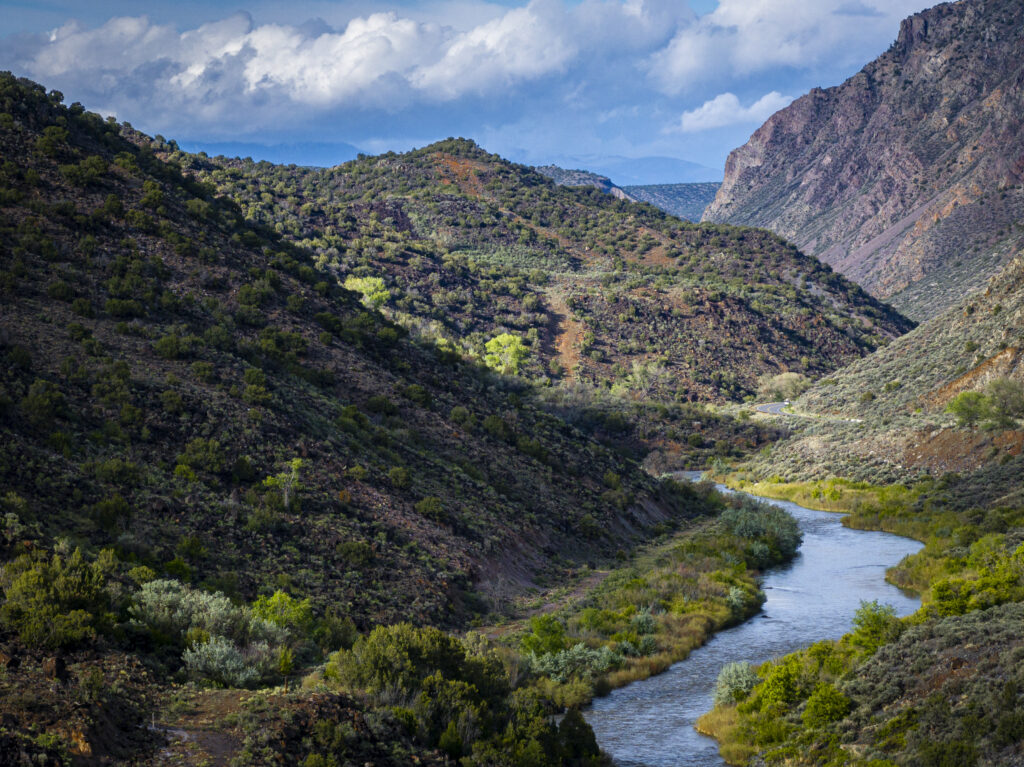
Back to Resources The Roadless Rule protects parts of Carson National Forest, which sits along the Rio Grande River in New Mexico. Credit: USFS The U.S. Department of Agriculture has moved to rescind the Roadless Rule. Passed in 2001, the rule limits road construction and timber harvest within national forests.…Back to Resources The Roadless Rule protects parts of Carson National Forest, which sits along the Rio Grande River in New Mexico. Credit: USFS The U.S. Department of Agriculture has moved to rescind the Roadless Rule. Passed in 2001, the rule limits road construction and timber harvest within national forests. The Roadless Rule currently protects 44 million acres of the 193-million-acre National Forest System from large-scale commercial logging operations and the construction of roads in wilderness areas. U.S. Secretary of Agriculture Brooke Rollins said that getting rid of the rule will help local managers make their own decisions about how to manage areas. “It’s time to turn the page on the failed roadless rule and return our forests to health and productivity,” Rollins said in an agency press release. The USDA is accepting comments until Sept. 21, 2026, here . Read more at the USDA.