Squirrel In Attic Removal Near Me Coppell AAAC Wildlife Removal of Dallas is a leading wildlife removal company in Coppell, Texas, providing professional and effective squirrel in attic removal services. With their extensive experience and expertise in handling wildlife infestations, AAAC Wildlife Removal of Dallas has established itself as a…Squirrel In Attic Removal Near Me Coppell AAAC Wildlife Removal of Dallas is a leading wildlife removal company in Coppell, Texas, providing professional and effective squirrel in attic removal services. With their extensive experience and expertise in handling wildlife infestations, AAAC Wildlife Removal of Dallas has established itself as a trusted solution provider for customers in the area. The video above showcases the company's dedication to providing safe and humane squirrel removal services. AAAC Wildlife Removal of Dallas understands the nuisance and potential dangers of having squirrels in attics, and they prioritize swift action to address the issue. Their team of trained professionals uses humane trapping and removal methods to safely and effectively remove squirrels from attics. What sets AAAC Wildlife Removal of Dallas apart is their comprehensive approach to squirrel in attic removal. They not only remove the squirrels but also identify and seal off entry points to prevent future infestations. This proactive approach ensures that customers' homes are protected from further damage and disturbances caused by squirrels. AAAC Wildlife Removal of Dallas takes pride in their team of licensed and insured technicians who possess the necessary skills and knowledge to handle squirrel infestations. They use the latest techniques and equipment to ensure that the removal process is carried out efficiently and effectively. Customer satisfaction is at the forefront of AAAC Wildlife Removal of Dallas' service philosophy. They understand the stress and inconvenience of having a squirrel infestation and strive to provide prompt and reliable solutions. Their team is available 24/7 to assist customers in urgent situations, ensuring that help is just a phone call away. In addition to their expertise in squirrel in attic removal, AAAC Wildlife Removal of Dallas also offers comprehensive wildlife control and exclusion services. They work closely with customers to develop personalized plans to prevent future wildlife infestations and protect their homes. For customers in Coppell, Texas, dealing with squirrel infestations, AAAC Wildlife Removal of Dallas is a trusted and effective choice. With their humane approach, comprehensive solutions, and commitment to customer satisfaction, AAAC Wildlife Removal of Dallas ensures that customers' homes are free from squirrel infestations and protected from future wildlife disturbances. More on YouTube: https://www.youtube.com/watch?v=gk6EijnqpgY On Sound Cloud: https://soundcloud.com/aaac-wildlife-removal/squirrel-in-attic-removal-near-me-coppell AAAC Wildlife Removal of Dallas provides professional squirrel removal services in Coppell, Texas. Contact Us: AAAC Wildlife Removal of Dallas 4925 Greenville Ave Ste 200 Dallas, TX 75206 469-423-9299 Website: https://dallas.aaacwildliferemoval.com/ Email: dallas@aaacwildliferemoval.com Find us around the web: YouTube: https://www.youtube.com/channel/UCU5vEuK2NZCsb56Bv21OQYw Facebook: https://www.facebook.com/profile.php?id=61565888967944 Twitter: https://x.com/aacOfDallas SoundCloud: https://soundcloud.com/aaac-wildlife-removal Blogger: WordPress: Tumblr:
Squirrel Removal Coppell AAAC Wildlife Removal of Dallas is a trusted and reliable company that offers top-quality squirrel removal services to customers in Coppell, Texas. With years of experience in the industry, AAAC Wildlife Removal of Dallas has established itself as a go-to solution for all wildlife removal needs, providing…Squirrel Removal Coppell AAAC Wildlife Removal of Dallas is a trusted and reliable company that offers top-quality squirrel removal services to customers in Coppell, Texas. With years of experience in the industry, AAAC Wildlife Removal of Dallas has established itself as a go-to solution for all wildlife removal needs, providing swift and efficient assistance when it matters most. Squirrels may seem cute and harmless, but they can cause significant damage to your property if left unchecked. These small creatures are known for their ability to chew through various materials, including wood, plastic, and electrical wires, causing potential fire hazards. That's where AAAC Wildlife Removal of Dallas comes in. Their team of highly skilled and experienced technicians specializes in humane squirrel removal methods that ensure the safety of both the homeowner and the squirrels. What sets AAAC Wildlife Removal of Dallas apart from the competition is their commitment to customer satisfaction. They prioritize the needs and concerns of their clients, striving to provide the best possible service every time. AAAC Wildlife Removal of Dallas' technicians are not only experts in wildlife removal but also friendly and professional individuals who understand the stress and inconvenience that these unwanted visitors can cause. They work diligently to alleviate these concerns, ensuring that customers feel at ease throughout the entire process. AAAC Wildlife Removal of Dallas is equipped with the knowledge and tools to handle any squirrel removal situation. Their technicians undergo rigorous training to stay up-to-date with the latest industry advancements and techniques, enabling them to safely and effectively remove squirrels from your property. Furthermore, AAAC Wildlife Removal of Dallas understands the importance of prompt and efficient service. They offer 24/7 emergency squirrel removal services, ensuring that help is just a phone call away, no matter the time of day or night. Their team responds quickly to calls and arrives at the scene fully equipped to handle any situation. In conclusion, AAAC Wildlife Removal of Dallas is a trusted squirrel removal service provider in Coppell, Texas. Their commitment to customer satisfaction, expertise in wildlife removal, and dedication to humane methods make them the go-to choice for all squirrel removal needs. When faced with a squirrel infestation, customers can rely on AAAC Wildlife Removal of Dallas to provide swift and effective solutions, ensuring the safety and integrity of their property. More on Sound Cloud: https://soundcloud.com/aaac-wildlife-removal/sets/raccoon-removal-coppell On YouTube: AAAC Wildlife Removal of Dallas provides professional squirrel removal services in Coppell, Texas. Contact Us: AAAC Wildlife Removal of Dallas 4925 Greenville Ave Ste 200 Dallas, TX 75206 469-423-9299 Website: https://dallas.aaacwildliferemoval.com/ Email: dallas@aaacwildliferemoval.com Find us around the web: YouTube: https://www.youtube.com/channel/UCU5vEuK2NZCsb56Bv21OQYw Facebook: https://www.facebook.com/profile.php?id=61565888967944 Twitter: https://x.com/aacOfDallas SoundCloud: https://soundcloud.com/aaac-wildlife-removal Blogger: WordPress: Tumblr:
“Chocolate, avocados, onions, and moldy foods are some of the most poisonous items you can leave out for squirrels. Even small amounts of these everyday ingredients can cause serious health issues—or be fatal—for these sensitive rodents.” Squirrels may look harmless scampering across your fence or chasing each other up a…“Chocolate, avocados, onions, and moldy foods are some of the most poisonous items you can leave out for squirrels. Even small amounts of these everyday ingredients can cause serious health issues—or be fatal—for these sensitive rodents.” Squirrels may look harmless scampering across your fence or chasing each other up a tree, but when they show up in your attic or tear through your garden, that charm disappears fast. In leafy neighborhoods where parks are close by and backyard bird feeders are everywhere, it’s no surprise that squirrels are regular visitors—and sometimes uninvited tenants. While many people enjoy watching them or even tossing out food, what you leave behind can actually be dangerous to squirrels—and a bigger headache for you without proper squirrel control . This article isn’t about harming wildlife. It’s about knowing what food is poisonous to squirrels so you don’t accidentally invite them in or make them sick. If you’ve been leaving out scraps, filling feeders, or composting without thinking twice, there’s a good chance you’re creating a squirrel buffet without even realizing it. Let’s break down what to avoid, what to secure, and how to protect both your home and the squirrels from a bad encounter. What Is The Most Dangerous Foods for Squirrels? Chocolate and Caffeinated Products Chocolate is one of the most toxic substances you can accidentally leave out for squirrels or any rodent. It contains theobromine—a stimulant that these small animals can’t metabolize effectively. Just a small amount from a brownie, chocolate almond bar, or sugar-filled candy can trigger tremors, elevated heart rate, or seizures in squirrels. Since they have such fast metabolisms and tiny bodies, the toxic effects hit hard and fast, often with serious consequences. Caffeinated foods and drinks are equally dangerous. Coffee grounds , soda spills, or chocolate-covered espresso beans tossed into a compost pile can be life-threatening if a squirrel gets into them. Where outdoor parties and backyard BBQs are common, it’s easy for sugary or caffeine-rich snacks to end up where rodents roam. To keep squirrels safe and your property clear of unwelcome visitors, make it a habit to clean up thoroughly and store all sweet or stimulant-laced foods securely. Avocados Avocados contain persin, a fungicidal toxin found in the fruit’s skin, pit, and even its leaves. While persin might not harm humans, it can be toxic to many animals, including squirrels. The risk isn’t just in eating an avocado—squirrels that nibble on a discarded peel, chewed seed, or exposed pit can experience digestive issues or worse. What makes this even more concerning is how easily avocado waste can be overlooked, especially in compost bins. If you’re growing avocado trees or preparing guacamole from scratch, this is something to stay mindful of. As urban farming and composting become more popular, the risk of accidentally exposing squirrels to this toxic fruit increases. Make sure avocado scraps are properly sealed or discarded, and if you have a tree, regularly clear fallen fruit from the yard. It’s better to be safe than to unknowingly poison a local animal. Onions, Garlic, and Spicy Foods While these aromatic kitchen staples may keep your chili full of flavor, they spell serious trouble for squirrels. Onions and garlic contain compounds that can damage red blood cells, leading to anemia and other health complications. The danger extends to cooked dishes, too. If a squirrel gets into leftover food seasoned with garlic or onions, even in small amounts, it can suffer lasting effects. In worst cases, repeated exposure can be fatal over time. Spicy foods also pack a punch that squirrels can’t handle. Hot sauce remnants, chili powder, or discarded tacos can cause severe digestive distress. Where spicy dishes are a staple, food waste often ends up in outdoor bins or compost piles. Make sure spicy scraps are stored in critter-proof containers, and avoid tossing seasoned leftovers near your patio or yard. The goal isn’t just to avoid harming squirrels—it’s to stop inviting them altogether. Alcohol and Fermented Fruit Alcohol might seem like an unlikely threat to wildlife, but squirrels are highly sensitive to it. Whether it’s beer spills from a tailgate, wine left out on the porch, or sugary cocktails left on patio tables, these drinks can lead to disorientation, slowed reaction time, and eventually liver failure in squirrels. Their small bodies can’t handle even trace amounts, and it doesn’t take much to put them in serious danger. Another sneaky culprit? Overripe or fermenting fruit, especially in backyards with peach, fig, or persimmon trees. As the fruit falls and begins to break down, it can release natural alcohols that attract squirrels and get them intoxicated. They may stagger, fall from trees, or become easy prey for predators. Regularly clean up fruit from the ground and keep alcoholic beverages secure during outdoor events. Salty Snacks and Chips Salt is another ingredient that can easily disrupt a squirrel’s internal balance. While humans can handle a salty snack during a football game or backyard hangout, squirrels don’t process salt well. Even a few bites of junk food like chips, pretzels, or salted walnut snacks can dehydrate them and overwork their kidneys. These types of treats also contain added sugar and artificial ingredients that offer zero nutritional value for squirrels—making them both harmful and useless from a dietary perspective. Many of these items—especially sugary breakfast cereals or processed snack mixes—are casually dropped or tossed outside without much thought. But to a hungry squirrel, that forgotten bowl of cereal or spilled trail mix is a full meal. Where outdoor events, food trucks, and weekend cookouts are part of the culture, squirrels quickly learn where the good stuff is. Cleaning up sugary crumbs and sealing snack waste tightly are easy steps that help discourage squirrels from turning your yard into their favorite buffet line. Surprising “Healthy” Foods That Still Poisonous To Squirrels Not all squirrel-dangerous foods are obviously harmful. Some look totally natural or even nutritious—but for squirrels, they can cause more harm than good. These foods often show up in gardens, bird feeders, compost piles, or well-meaning attempts to “feed the wildlife.” Here’s what to watch for. Raw Corn (Especially Moldy Corn) Corn might seem harmless—it’s a common ingredient in bird seed, livestock feed, and even human snacks. But when corn starts to mold, it can develop aflatoxins, which are highly toxic to squirrels and many other animals. Aflatoxins are produced by certain types of fungi and can affect liver function, immune systems, and even lead to cancer in wildlife. A squirrel doesn’t have to eat much moldy corn for it to cause serious internal damage. The risk goes up during warm, humid stretches—especially in summer—when moisture speeds up mold growth. Corn that’s left outside for too long, stored improperly in feeders, or tossed into compost piles can quickly become a hidden hazard. If you’re putting out corn in a feeder, store it in a dry place, change it frequently, and never offer anything that smells off or looks discolored. It’s not just about nutrition—it’s about safety. Bread and Processed Carbs Bread might feel like a safe, throwaway snack for critters—but it’s actually a poor and potentially harmful food choice for squirrels. Bread, crackers, and other refined carbs offer little to no nutrition, and they can expand in a squirrel’s stomach, leading to bloating or discomfort. In some cases, processed bread products contain preservatives and additives that are hard for squirrels to digest, weakening their system over time. Squirrels that eat too much bread often end up malnourished despite feeling full. This is especially common in neighborhoods where residents leave out food “just to be nice.” Unfortunately, the kindness backfires. Instead of helping, you may be attracting squirrels that grow dependent on an unhealthy food source—and more likely to take up permanent residence in your attic. If you want to be squirrel-friendly, stick to natural deterrents and avoid the bread basket. Peanuts (Especially Salted or Moldy) Peanuts are a bit of a wildcard. While they’re often seen in squirrel food blends or used to lure wildlife for photos, they aren’t actually nuts—they’re legumes. And when they’re salted, roasted, or worse, moldy, they become a serious risk. Moldy peanuts, like corn, can carry aflatoxins that attack a squirrel’s liver and immune system. Salted peanuts, on the other hand, can cause dehydration and kidney stress. This matters because many people use peanuts to feed birds or squirrels without realizing the risks. In fact, some birdseed mixes from big-box stores still include them. If you’re trying to keep squirrels away from your yard—or avoid poisoning them by accident—skip the peanuts. And if you must use them, go for raw, unsalted, and fresh, and use a squirrel-proof bird feeder so your effort to help one species doesn’t endanger another. Foods That Attract Squirrels (But Shouldn’t) Some foods might not be poisonous, but they’re basically neon signs saying “Free Snacks Here!” for squirrels. These attractants can lead to more frequent visits, nesting, and eventual infestations. If you’re trying to squirrel-proof your yard or keep them from invading your home, these are the items to manage carefully. Bird Seed and Pet Food Bird feeders are one of the top culprits for squirrel problems. Many blends contain sunflower seeds, millet, corn, and peanuts—aka squirrel candy. Once they find a reliable food source, squirrels will return again and again, sometimes destroying the feeder in the process. The same goes for pet food left outside. Dry kibble and wet food alike are high-protein, calorie-dense meals that squirrels will happily devour. Where backyard birdwatching is popular and outdoor pet bowls are commo
United States Department of Agriculture: Animal and Plant Health Inspection Service United States Department of Agriculture Wildlife Services: Staff Publications Aakash Pandey , Michigan State University Follow Chris Wojan , University of Minnesota - Twin Cities Abigail Feuka , United States Department of Agriculture, Animal and Plant Health Inspection Service,…United States Department of Agriculture: Animal and Plant Health Inspection Service United States Department of Agriculture Wildlife Services: Staff Publications Aakash Pandey , Michigan State University Follow Chris Wojan , University of Minnesota - Twin Cities Abigail Feuka , United States Department of Agriculture, Animal and Plant Health Inspection Service, Wildlife Services, National Wildlife Research Center, Fort Collins, Colorado Follow Meggan E. Craft , University of Minnesota - Twin Cities Kezia Manlove , Utah State University Follow Kim M. Pepin , United States Department of Agriculture, Animal and Plant Health Inspection Service, Wildlife Services, National Wildlife Research Center, Fort Collins, Colorado Follow Document Type Article Date of this Version 2024 Citation Philosophical Transactions of the Royal Society B: Biological Sciences (2024) 379: 20220532 doi: 10.1098/rstb.2022.0532 Supplemental material is appended as well as available at https://doi.org/10.6084/m9.figshare.c.7389792 Abstract Social and spatial structures of host populations play important roles in pathogen transmission. For environmentally transmitted pathogens, the host space use interacts with both the host social structure and the pathogen’s environmental persistence (which determines the timelag across which two hosts can transmit). Together, these factors shape the epidemiological dynamics of environmentally transmitted pathogens. While the importance of both social and spatial structures and environmental pathogen persistence has long been recognized in epidemiology, they are often considered separately. A better understanding of how these factors interact to determine disease dynamics is required for developing robust surveillance and management strategies. Here, we use a simple agent-based model where we vary host mobility (spatial), host gregariousness (social) and pathogen decay (environmental persistence), each from low to high levels to uncover how they affect epidemiological dynamics. By comparing epidemic peak, time to epidemic peak and final epidemic size, we show that longer infectious periods, higher group mobility, larger group size and longer pathogen persistence lead to larger, faster growing outbreaks, and explore how these processes interact to determine epidemiological outcomes such as the epidemic peak and the final epidemic size. We identify general principles that can be used for planning surveillance and control for wildlife host–pathogen systems with environmental transmission across a range of spatial behavior, social structure and pathogen decay rates. This article is part of the theme issue ‘The spatial–social interface: a theoretical and empirical integration.’ DOWNLOADS Since November 23, 2024 Included in Natural Resources and Conservation Commons , Natural Resources Management and Policy Commons , Other Environmental Sciences Commons , Other Veterinary Medicine Commons , Population Biology Commons , Terrestrial and Aquatic Ecology Commons , Veterinary Infectious Diseases Commons , Veterinary Microbiology and Immunobiology Commons , Veterinary Preventive Medicine, Epidemiology, and Public Health Commons , Zoology Commons COinS
Squirrel Removal Near Me Coppell AAAC Wildlife Removal of Dallas is a leading provider of squirrel removal services in Coppell, Texas. With their expertise and dedication to customer satisfaction, the company has established itself as a reliable and effective solution for dealing with squirrel infestations. The video above showcases AAAC…Squirrel Removal Near Me Coppell AAAC Wildlife Removal of Dallas is a leading provider of squirrel removal services in Coppell, Texas. With their expertise and dedication to customer satisfaction, the company has established itself as a reliable and effective solution for dealing with squirrel infestations. The video above showcases AAAC Wildlife Removal of Dallas' proficiency in squirrel removal, highlighting the key factors that make them stand out from other service providers. The company's effectiveness lies in their team of experienced and skilled technicians who possess in-depth knowledge of squirrel behavior and effective removal techniques. Squirrels can cause significant damage to homes and properties, making their removal a crucial task. AAAC Wildlife Removal of Dallas understands the urgency of dealing with squirrel infestations and offers prompt and efficient services to address the issue. Their team conducts a thorough inspection of the property to identify the source of the infestation and develop a customized removal plan. What sets AAAC Wildlife Removal of Dallas apart is their humane approach to squirrel removal. They prioritize the safety and well-being of both the squirrels and their clients, using non-lethal methods to remove them from the property. This ensures that the squirrels are relocated to a safe and suitable habitat, while also preventing any harm to the property or its occupants. Moreover, AAAC Wildlife Removal of Dallas takes pride in their use of advanced equipment and techniques for squirrel removal. This enables them to effectively and efficiently remove squirrels from even the most challenging areas, such as attics and crawl spaces. Their team also provides recommendations and solutions to prevent future infestations, ensuring long-term results for their clients. In addition to their expertise in squirrel removal, AAAC Wildlife Removal of Dallas also offers comprehensive cleanup and restoration services. Their team removes all traces of the infestation and repairs any damage caused by the squirrels, restoring the property to its pre-infestation state. For customers in Coppell, Texas, seeking reliable and effective squirrel removal services, AAAC Wildlife Removal of Dallas is a trusted choice. With their skilled technicians, humane approach, and advanced techniques, the company ensures that customers receive top-quality squirrel removal services that address the issue promptly and effectively. More on YouTube: https://www.youtube.com/watch?v=rYMPf1So6so On Sound Cloud: https://soundcloud.com/aaac-wildlife-removal/squirrel-removal-near-me-coppell AAAC Wildlife Removal of Dallas provides professional squirrel removal services in Coppell, Texas. Contact Us: AAAC Wildlife Removal of Dallas 4925 Greenville Ave Ste 200 Dallas, TX 75206 469-423-9299 Website: https://dallas.aaacwildliferemoval.com/ Email: dallas@aaacwildliferemoval.com Find us around the web: YouTube: https://www.youtube.com/channel/UCU5vEuK2NZCsb56Bv21OQYw Facebook: https://www.facebook.com/profile.php?id=61565888967944 Twitter: https://x.com/aacOfDallas SoundCloud: https://soundcloud.com/aaac-wildlife-removal Blogger: WordPress: Tumblr:
Yes, flying squirrels actually glide – they don’t fly like birds or bats Ever wondered what it’s like to glide from tree to tree, high up in the forest canopy? Imagine soaring through the night sky, navigating effortlessly between branches and leaves. That’s everyday life for the enchanting flying squirrel.…Yes, flying squirrels actually glide – they don’t fly like birds or bats Ever wondered what it’s like to glide from tree to tree, high up in the forest canopy? Imagine soaring through the night sky, navigating effortlessly between branches and leaves. That’s everyday life for the enchanting flying squirrel. These nocturnal acrobats are not just any ordinary squirrels – they possess unique adaptations that make them true marvels of nature. Let’s dive into the captivating world of flying squirrels and uncover some mind-blowing facts that will leave you in awe! Key Takeaways Flying squirrels glide, not fly. They have unique adaptations that allow them to navigate the forest. These creatures play a crucial role in their ecosystem. Flying squirrels have some surprising and quirky behaviors What Makes Flying Squirrels So Special Flying squirrels are the daredevils of the squirrel family, equipped with a host of special traits that set them apart. First off, let’s clear up a common misconception: flying squirrels don’t actually fly like birds or bats. Instead, they glide through the air using a special membrane called the patagium, which stretches from their wrists to their ankles. This allows them to soar gracefully between trees, sometimes covering distances of up to 150 feet in a single leap! Their large, dark eyes are perfectly adapted for their nocturnal lifestyle, helping them see in the low light conditions of the forest night. The soft, dense fur not only keeps them warm but also helps cushion their landings. And let’s not forget their bushy tails, which act like rudders, aiding in steering and stability during their aerial adventures. There are several species of flying squirrels, with the Northern and Southern Flying Squirrels being the most well-known in North America. Each species has its own unique characteristics, but all share the incredible ability to glide and a set of fascinating behaviors that make them a joy to learn about. How Do Flying Squirrels Glide? The mechanics of gliding are nothing short of extraordinary. When a flying squirrel wants to move from one tree to another, it climbs to a high point and launches itself into the air. Stretching out its limbs, the patagium expands, creating a wing-like surface that catches the air and allows the squirrel to glide. By adjusting the position of its legs and tail, it can steer and control its descent with impressive precision. These adaptations are crucial for their survival, allowing them to escape predators, find food, and explore their environment. It’s like having a built-in parachute that enables them to navigate the forest canopy effortlessly. Plus, it looks incredibly cool! Fun fact: While the average glide covers about 20-30 feet, some flying squirrels have been recorded gliding up to 150 feet in a single bound! That’s equivalent to jumping across half a football field. Imagine having that kind of superpower! Flying Squirrel Habitats and Lifestyle Flying squirrels are true forest dwellers, making their homes in various types of woodlands across the globe. They thrive in both deciduous and coniferous forests, preferring areas with plenty of mature trees. These trees not only provide the high perches they need for gliding but also offer abundant food sources. During the day, flying squirrels take refuge in tree cavities, abandoned woodpecker holes, or nests they’ve constructed out of leaves and twigs. Come nightfall, they emerge to forage and socialize. Their diet is quite diverse, including fruits, nuts, seeds, fungi, and even insects. Their nocturnal nature and excellent night vision make them proficient night-time foragers. Despite their solitary foraging habits, flying squirrels are quite social when it comes to nesting. It’s not uncommon to find several squirrels sharing a nest, especially during the colder months. This communal living helps them conserve body heat and stay warm through the winter. One of the most fascinating aspects of flying squirrels is their role in the ecosystem. They are vital for seed dispersal, helping to spread various tree and plant seeds throughout the forest. This contributes to forest regeneration and biodiversity. Additionally, their diet includes fungi that form symbiotic relationships with tree roots, aiding in nutrient absorption – an essential process for healthy forest ecosystems. Surprising and Quirky Behaviors Flying squirrels are not just impressive gliders; they also have some pretty quirky behaviors. Communication among these creatures is a complex blend of vocalizations, body language, and even chemical signals. They produce a range of sounds, from high-pitched chirps and whistles to low, throaty growls, each serving a different purpose, such as warning of danger or calling to a mate. Socially, flying squirrels exhibit a range of interactions. They are generally peaceful and avoid conflict, preferring to resolve disputes through displays and vocalizations rather than physical confrontations. Their social structure is fascinating, especially when it comes to nesting. During the breeding season, males may compete for females, but outside of this period, they often exhibit cooperative behaviors, sharing nests and food resources. Interestingly, flying squirrels sometimes find their way into urban areas, adapting to city life with remarkable ease. They might nest in attics or other sheltered spaces, gliding between buildings just as they would between trees. Their ability to adapt to various environments showcases their incredible resilience and versatility. One particularly charming behavior is their “glide display,” a form of acrobatic showmanship where they perform elaborate gliding maneuvers. This is thought to be a way of demonstrating their prowess to potential mates or rivals. It’s a breathtaking sight that highlights their agility and grace. Conclusion Flying squirrels are undoubtedly some of the most captivating creatures in the animal kingdom. From their impressive gliding abilities to their vital ecological roles and quirky behaviors, they offer a fascinating glimpse into the wonders of nature. Next time you find yourself in a forest at night, look up – you might just catch a glimpse of these incredible aerial acrobats in action. Whether you’re a seasoned nature enthusiast or someone simply curious about the world, flying squirrels are sure to inspire a sense of wonder and appreciation for the natural world. So share these fun facts with friends, explore more about these amazing creatures, and keep the spirit of curiosity alive!
Squirrel Removal Coppell AAAC Wildlife Removal of Dallas is a leading provider of squirrel removal services in Coppell, Texas. With their expertise and commitment to humane and effective wildlife removal, AAAC Wildlife Removal has established itself as a trusted choice for customers in the area. The video above showcases the…Squirrel Removal Coppell AAAC Wildlife Removal of Dallas is a leading provider of squirrel removal services in Coppell, Texas. With their expertise and commitment to humane and effective wildlife removal, AAAC Wildlife Removal has established itself as a trusted choice for customers in the area. The video above showcases the company's proficiency in squirrel removal, highlighting their skilled technicians and advanced techniques. AAAC Wildlife Removal understands the importance of prompt action when dealing with squirrel infestations, as these critters can cause extensive damage to homes and pose health risks to residents. What sets AAAC Wildlife Removal apart is their humane approach to squirrel removal. They prioritize the well-being of both customers and squirrels, using methods that do not harm or injure the animals. Their team of experts is trained to handle squirrel infestations with care and precision, ensuring that the critters are safely and effectively removed from the property. AAAC Wildlife Removal's effectiveness also lies in their comprehensive approach to squirrel removal. They not only remove the squirrels but also identify and seal off entry points to prevent future infestations. This proactive approach minimizes the risk of recurring squirrel problems and saves customers from costly repairs. The company's commitment to customer satisfaction is evident in their transparent communication and personalized service. AAAC Wildlife Removal takes the time to understand each customer's unique situation and tailor their solutions accordingly. They also provide detailed explanations of their methods and keep customers informed throughout the removal process. In addition to their expertise in squirrel removal, AAAC Wildlife Removal also offers a range of other wildlife removal services, including bat, raccoon, and skunk removal. This makes them a one-stop-shop for all wildlife removal needs in Coppell, Texas. For customers in Coppell, Texas, facing squirrel infestations, AAAC Wildlife Removal of Dallas stands out as a reliable and effective solution. With their humane approach, comprehensive methods, and commitment to customer satisfaction, AAAC Wildlife Removal ensures that customers receive top-quality squirrel removal services that address their concerns promptly and efficiently. More on YouTube: https://www.youtube.com/watch?v=2MU2bH1uPn8 On Sound Cloud: https://soundcloud.com/aaac-wildlife-removal/squirrel-removal-coppell AAAC Wildlife Removal of Dallas provides professional squirrel removal services in Coppell, Texas. Contact Us: AAAC Wildlife Removal of Dallas 4925 Greenville Ave Ste 200 Dallas, TX 75206 469-423-9299 Website: https://dallas.aaacwildliferemoval.com/ Email: dallas@aaacwildliferemoval.com Find us around the web: YouTube: https://www.youtube.com/channel/UCU5vEuK2NZCsb56Bv21OQYw Facebook: https://www.facebook.com/profile.php?id=61565888967944 Twitter: https://x.com/aacOfDallas SoundCloud: https://soundcloud.com/aaac-wildlife-removal Blogger: WordPress: Tumblr:
Author affiliation: Institute of Diagnostic Virology, Friedrich-Loeffler-Institut, Greifswald, Germany (J. Schön, N.J. Halwe, A.K. Ahrens, A. Aebischer, D. Hoffman, M. Beer); Department of Experimental Animal Facilities and Biorisk Management, Friedrich-Loeffler-Institut, Greifswald (A. Breithaupt, M. Hertel) In 1996, highly pathogenic avian influenza (HPAI) H5N1 virus (goose/Guangdong/96) appeared in southern China, causing…Author affiliation: Institute of Diagnostic Virology, Friedrich-Loeffler-Institut, Greifswald, Germany (J. Schön, N.J. Halwe, A.K. Ahrens, A. Aebischer, D. Hoffman, M. Beer); Department of Experimental Animal Facilities and Biorisk Management, Friedrich-Loeffler-Institut, Greifswald (A. Breithaupt, M. Hertel) In 1996, highly pathogenic avian influenza (HPAI) H5N1 virus (goose/Guangdong/96) appeared in southern China, causing outbreaks in poultry and infecting 18 humans, 6 of whom died ( 1 – 3 ). Descendants of that lineage subsequently triggered major outbreaks in poultry in Southeast Asia and Europe, including H5N1 clades 2.2 (2005–2006) and 2.3.2.1c (2010) and H5N8 clade 2.3.4.4a (2014), reflecting a global rise in HPAI virus (HPAIV) outbreaks ( 4 – 7 ). In 2016, Europe experienced major HPAI H5 clade 2.3.4.4b outbreaks in wild birds and domestic poultry ( 4 ), followed by major outbreaks during 2020–2021 ( 7 – 9 ); the clade then became endemic ( 10 ). Nevertheless, during that period, clade 2.3.4.4b virus continuously evolved; serotype H5N8 predominated in 2016, transitioning to H5N6 by 2018, and shifting to H5N1 by 2020 ( 9 , 11 , 12 ). Although the virus remained in the same clade as classified by homologies of the hemagglutinin (HA) segment, the genotypes changed through continuous reassortment events ( 7 , 13 ). In December 2021, HPAI H5N1 clade 2.3.4.4b virus spread from Europe to Canada and the United States via wild birds ( 14 , 15 ). Subsequently, several Eurasian H5N1 clade 2.3.4.4b virus genotypes entered North America, and lineages A1 and A3 reassorted with local low pathogenicity avian influenza viruses in migratory birds, giving rise to new H5N1 clade 2.3.4.4b genotypes like B3.13 (late 2023–early 2024) and D1.1 (September 2024) ( 15 , 16 ). Those viruses spread rapidly in US wild bird populations, including waterfowl, birds of prey, seabirds, shorebirds, and a wide range of common land birds; during December 2021–December 2025, a total of 17,718 wild birds tested positive ( 17 ). In addition, clade 2.3.4.4b virus spread to domestic livestock birds, affecting 186.18 million birds in 2,029 flocks during February 2022–January 2026 ( 18 ). Besides avian species, a wide range of mammals have been infected, including 683 wild mammals tested during April 2022–December 2025, mostly terrestrial carnivores feeding on H5-infected birds, including 148 red fox ( Vulpus vulpus ), 81 skunks (various species), 34 raccoons ( Procyon lotor ), 28 mountain lions ( Puma concolor ), and 18 bobcats ( Lynx rufus ) ( 19 ). In addition, 148 domestic cats ( Felis catus ), 110 house mice ( Mus musculus ), and 26 deer mice ( Peromyscus spp.) also were infected, mostly in the context of affected farms ( 19 ). In March 2024, H5N1 clade 2.3.4.4b genotype B3.13 virus was detected in US dairy cattle, representing the first well-documented instance of widespread HPAIV infection in bovines ( 20 ). That detection was accompanied by evidence of high infectious virus shedding in milk, making milk-mediated cow-to-cow transmission highly likely ( 20 – 23 ). Concurrently, young goat kids co-located with infected poultry on a Minnesota farm exhibited neurologic signs and tested positive for H5N1 genotype B3.6 virus ( 24 , 25 ). During March 2024–May 2025, a total of 70 cases of human H5N1 infection were reported in the United States ( 26 ); most were associated with exposure to infected dairy cattle (41 cases) or commercial poultry (24 cases) ( 15 ). Among human cases, the most common reported symptoms were conjunctivitis (89%), fever (46%), and respiratory symptoms (41%) ( 26 ). All sequenced viruses from human cases belonged to clade 2.3.4.4b, predominantly B3.13 and D1.1 genotypes, but 1 D1.3 genotype virus also was identified ( 15 ). In May 2024, the US National Veterinary Services Laboratories confirmed detection of HPAI H5N1 virus from alpacas at a premises where poultry had previously tested positive ( 27 ). The viral genome matched the B3.13 genotype circulating in US dairy cattle and the depopulated poultry, strongly implicating environmental contamination and cross-species exposure ( 27 ). The alpacas shared pasture and water sources with infected poultry and ducks but initially showed no clinical signs ( 27 – 29 ). However, on May 10, the day H5N1 virus infection was confirmed in poultry, 1 alpaca experienced spontaneous late-term abortion; 2 more aborted on May 14 and 15, and another spontaneous abortion occurred before September 2024 ( 29 ). By May 15, 2024, four of 18 alpacas showed clinical signs, including depression, weakness, and mild respiratory symptoms ( 29 ). An additional alpaca died acutely, without prior reported signs, 10 days after the first reports of influenza-like illness in poultry; a nasal swab sample collected on the day of death tested H5N1-positive, but no postmortem examination was conducted ( 29 ). Of the 18 adult alpacas (14 female, 4 male), only the female animals were affected ( 29 ). One aborted fetus was later examined, and H5N1 was confirmed in brain tissue ( 29 ). Ten surviving female alpacas seroconverted ( 29 ). Of note, alpaca milk samples tested positive for viral genome, indicating acute infection of the udder, but also later tested positive for influenza virus A–specific antibodies ( 29 ). On the same farm, milk from 1 llama tested positive for specific antibodies 4 months after the outbreak, and 2 of 13 yaks (both female) also seroconverted ( 29 ). That detection expanded the known host range of HPAI H5N1 virus and raised questions regarding its susceptibility, pathogenesis, and transmission dynamics in camelids. HPAIV H5N1 continues to pose a threat to birds and, under certain conditions, to mammalian species. Although spillover into mammals is generally rare, the recent detections in nonavian hosts have heightened concerns about cross-species transmission, adaptation, and the emergence of novel mammalian hosts ( 11 , 20 ). Given that precedent, controlled experimental infection studies can address key knowledge gaps, including the incubation period, clinical spectrum, transmission routes, duration of viral shedding, tissue tropism, and the potential for adaptation in nonavian hosts. We report an experimental challenge study in alpacas using HPAIV H5N1 genotype B3.13, the same genotype identified in the US field case in camelids, to characterize virus kinetics, pathology, and shedding. Our aim was to clarify risk for H5N1 infection among camelid populations, elucidate cross-species transmission dynamics, and better define the potential for additional mammalian adaptation. The experiment and all subsequent sample analyses were conducted at the Friedrich-Loeffler-Institut (Greifswald, Germany) in the licensed high containment Biosafety Level 3 laboratories and Biosafety Level 3 large animal facilities by using required personal protective measures in accordance with the respective permits. We obtained 6 healthy male alpacas ( Vicugna pacos ), 12–24 months of age, from a local breeder. We housed animals in 2 groups of 3 (stable 1 and stable 2) and allowed them to acclimatize to housing conditions for >2 weeks before infection. We provided loose hay in hay bags and specialized camelid feed in troughs; water was available ad libitum throughout the study period. Experimental Setup and Sampling We obtained baseline jugular venous blood samples and nasal and rectal swab samples 1 day before inoculation. Then, we intranasally inoculated each of the 6 alpacas by using a nasal nebulizer device on a 1-mL syringe. Animals received 10 5.9 50% tissue culture infectious dose (TCID 50 ), 10 5.6 TCID 50 /mL per nostril, of HPAI H5N1 genotype B3.13 virus isolate A/Cattle/Texas/063224-24-1/2024 (GISAID accession no. EPI_ISL_19155861). We confirmed inoculum titer by back-titration. Staff monitored animals daily for wellbeing and collected nasal and rectal swab samples on days 1–9 and 11 after inoculation. At 4 days postinoculation (dpi), the 3 animals from stable 1 were euthanized to collect serum and organ samples, including nasal conchae (respiratory and olfactory regions), trachea (cranial and caudal), lungs (all lobes), liver, kidney, and spleen. The 3 animals from stable 2 were euthanized at 20 dpi for collection of the same sample panel. Sample Preparation We collected blood samples by using KABEVETTE G systems with disposable needles (KABE Labortechnik, https://kabe-labortechnik.de ). We suspended swabs in 2 mL of Dulbecco Modified Eagle Medium supplemented with 1 mg/mL enrofloxacin, 1 mg/mL lincomycin, 0.05 mg/mL gentamycin, and 0.05 mg/mL amphotericin. We transferred organ samples (≈2 mm 3 ) into tubes containing medium with penicillin (10 U/mL) and streptomycin (10 µg/mL) and a stainless-steel bead. We homogenized organ samples for 2 minutes at 300 Hz by using TissueLyser II (QIAGEN, https://www.qiagen.com ). We extracted viral RNA from 100 µL of swab medium and organ homogenates by using the NucleoMag Vet kit (Macherey-Nagel, https://www.mn-net.com ) on a BioSprint 96 platform (QIAGEN). ELISAs We evaluated serum samples by using 2 different ELISAs. First, we used an in-house clade 2.3.4.4b–adapted H5 nanoluciferase–based ELISA ( 30 ). In brief, we coated high-binding ELISA plates overnight at 4°C with 0.2 µg/well H5 HA1 and blocked with 5% skim milk. We preincubated 1:10 serum samples with 2 × 10 5 luciferase light units (LU) H5-nanoluciferase for 1 hour at room temperature, then added to ELISA plates for and incubated another hour. We measured bioluminescence in LU by using the Nano-Glo Luciferase Assay System (Promega, https://www.promega.com ). Second, we used an updated version of the ID Screen Influenza H5 Antibody Competition 3.0 Multi-species ELISA (Innovative Diagnostics, https://innovative-diagnostics.com ), following the manufacturer’s protocol. We diluted heat-inactivated serum 1:10 and incubated on H5-coated plates with controls. After washing, we sequentially added conjugate a
Squirrel Trappers Coppell AAAC Wildlife Removal of Dallas is a reputable company in Coppell, Texas, offering professional squirrel trapping services to assist customers with wildlife control. With their expertise and humane approach, AAAC Wildlife Removal of Dallas has become a trusted choice for squirrel trapping in the area. The video…Squirrel Trappers Coppell AAAC Wildlife Removal of Dallas is a reputable company in Coppell, Texas, offering professional squirrel trapping services to assist customers with wildlife control. With their expertise and humane approach, AAAC Wildlife Removal of Dallas has become a trusted choice for squirrel trapping in the area. The video above showcases the effectiveness of AAAC Wildlife Removal of Dallas in handling squirrel trapping situations. It highlights the company's skilled trappers who use humane and ethical methods to safely remove squirrels from residential and commercial properties. The video also emphasizes the company's dedication to providing exceptional customer service, ensuring that customers' needs are met with efficiency and compassion. What sets AAAC Wildlife Removal of Dallas apart is their extensive knowledge and experience in dealing with various nuisance wildlife, including squirrels. Their team understands the behavior and habits of squirrels, enabling them to develop effective trapping strategies that yield results. AAAC Wildlife Removal of Dallas takes pride in their commitment to using humane and environmentally-friendly methods for squirrel trapping. They prioritize the safety and well-being of both customers and squirrels, ensuring that the animals are unharmed during the trapping process. This approach sets them apart from other wildlife removal companies that may resort to harmful and inhumane methods. In addition to their expertise in squirrel trapping, AAAC Wildlife Removal of Dallas also offers comprehensive wildlife control solutions. They conduct thorough property inspections to identify potential entry points and provide exclusion services to prevent future infestations. Moreover, AAAC Wildlife Removal of Dallas understands the importance of timely and efficient services when it comes to wildlife control. They offer 24/7 emergency services, ensuring that customers can get immediate assistance when faced with a squirrel infestation. For customers in Coppell, Texas, seeking effective and humane squirrel trapping services, AAAC Wildlife Removal of Dallas is a reliable choice. With their experienced trappers, ethical approach, and commitment to customer satisfaction, AAAC Wildlife Removal of Dallas ensures that customers receive top-quality wildlife control solutions that address their needs effectively and responsibly. More on YouTube: https://www.youtube.com/watch?v=gMt7N1VUTBM On Sound Cloud: https://soundcloud.com/aaac-wildlife-removal/squirrel-trappers-coppell AAAC Wildlife Removal of Dallas provides professional squirrel removal services in Coppell, Texas. Contact Us: AAAC Wildlife Removal of Dallas 4925 Greenville Ave Ste 200 Dallas, TX 75206 469-423-9299 Website: https://dallas.aaacwildliferemoval.com/ Email: dallas@aaacwildliferemoval.com Find us around the web: YouTube: https://www.youtube.com/channel/UCU5vEuK2NZCsb56Bv21OQYw Facebook: https://www.facebook.com/profile.php?id=61565888967944 Twitter: https://x.com/aacOfDallas SoundCloud: https://soundcloud.com/aaac-wildlife-removal Blogger: WordPress: Tumblr:
Center, Internet, Wildlife Damage Management TSW Wildlife Damage Management Working Group Newsletter:Spring 1998 - Volume 5(2) - Election Issue Date of this Version 1998 Document Type Article Abstract Forward -- Scott Hygnstrom Postdoctoral Position With The Jack Berryman Institute; 1998 Winners Of The Jack H. Berryman Institute Awards; Preliminary Program…Center, Internet, Wildlife Damage Management TSW Wildlife Damage Management Working Group Newsletter:Spring 1998 - Volume 5(2) - Election Issue Date of this Version 1998 Document Type Article Abstract Forward -- Scott Hygnstrom Postdoctoral Position With The Jack Berryman Institute; 1998 Winners Of The Jack H. Berryman Institute Awards; Preliminary Program For The Wildlife Society 5th Annual Conference, September 22-26, 1998, Buffalo, Ny; Candidates For The Working Group Executive Board Future Newsletter; Contributions; From Around The World!; Wildlife Damage Management Working Group Ballot - May 1998 ; Plenary Abstracts From The 18th Vertebrate Pest Conference, 2-5 March 1998, Costa Mesa, Ca; Available Publications; Future Events Of Interest; Next Edition Deadline; Application For Membership / The Wildlife Society; Contributors To This Issue DOWNLOADS Since November 09, 2010 COinS
I yearn to believe that even as Florida’s population crests 23 million people there still might be pockets of wilderness, deep or remote enough, to provide habitat for creatures not … Read more The post You’ve Heard of Bigfoot… What About Florida’s Skunk Ape? appeared first on The National Wildlife…I yearn to believe that even as Florida’s population crests 23 million people there still might be pockets of wilderness, deep or remote enough, to provide habitat for creatures not … Read more The post You’ve Heard of Bigfoot… What About Florida’s Skunk Ape? appeared first on The National Wildlife Federation Blog.
Back to Resources Little fire ants are invasive in many Pacific islands, including Hawaii. Credit: Forest and Kim Starr It’s no secret for biologists that invasive organisms push out native species from their habitats. But new research reveals that in some cases, humans may also be the victims—invasive species can…Back to Resources Little fire ants are invasive in many Pacific islands, including Hawaii. Credit: Forest and Kim Starr It’s no secret for biologists that invasive organisms push out native species from their habitats. But new research reveals that in some cases, humans may also be the victims—invasive species can cause human displacement. New research published in Frontiers in Conservation Science has shown that introduced species like the little fire ant ( Wasmannia auropunctata ) has led farmers to abandon their land in New Caledonia, the Galapagos and French Polynesia, while water hyacinth has upended the livelihoods of fishing communities in many parts of Africa. In these and other cases, invasive species change the natural resources people used for eons, forcing communities to abandon their land and move in some cases. Arne Witt, an author of the study and a researcher with the Center for Agriculture and Bioscience International, a nonprofit organization focusing on scientific solutions to global problems in agriculture and the environment, said in a press release that invasive species can be similar to global pandemics or natural disasters in this sense. “In the case of invasive alien species, too little attention has been given to the link between their spread and forced migration,” he said. Read more at CABI News.
Document Type Report Publication Date 1990 Abstract We compared breeding bird populations and community organization between a beaver pond habitat dominated by willows (Salix spp.) and an adjacent nonwillow riparian habitat on Summit Creek in east-central Idaho. For the previous 14 years both habitats had been protected from livestock grazing…Document Type Report Publication Date 1990 Abstract We compared breeding bird populations and community organization between a beaver pond habitat dominated by willows (Salix spp.) and an adjacent nonwillow riparian habitat on Summit Creek in east-central Idaho. For the previous 14 years both habitats had been protected from livestock grazing by a fenced excloser (122-ha). Bird populations were determined by spot-mapping on 9-ha plots in spring 1989. Structural (physiognomic) differences in vegetation between the two habitats and the availability of impounded water on the beaver pond site were reflected in associated breeding bird populations. Total bird density in the beaver pond habitat was three times that of the adjacent riparian habitat. Similarly, our estimates of total bird biomass, bird species richness, and bird species diversity were 3.49, 3.25, and 1.67 times higher, respectively, in the beaver pond habitat. Further, there were more foraging and nesting guilds represented on the beaver pond plot than esewhere. Our findings suggest that beaver pond ecosystems can provide important habitats for nongame breeding birds. Recommended Citation United States Department of Agriculture, Forest Service, "Bird Populations in and Adjacent to a Beaver Pond Ecosystem in Idaho" (1990). Wildlife Conservation and Management. Paper 6. https://digitalcommons.usu.edu/govdocs_wildlife/6 DOWNLOADS Since December 15, 2010 COinS
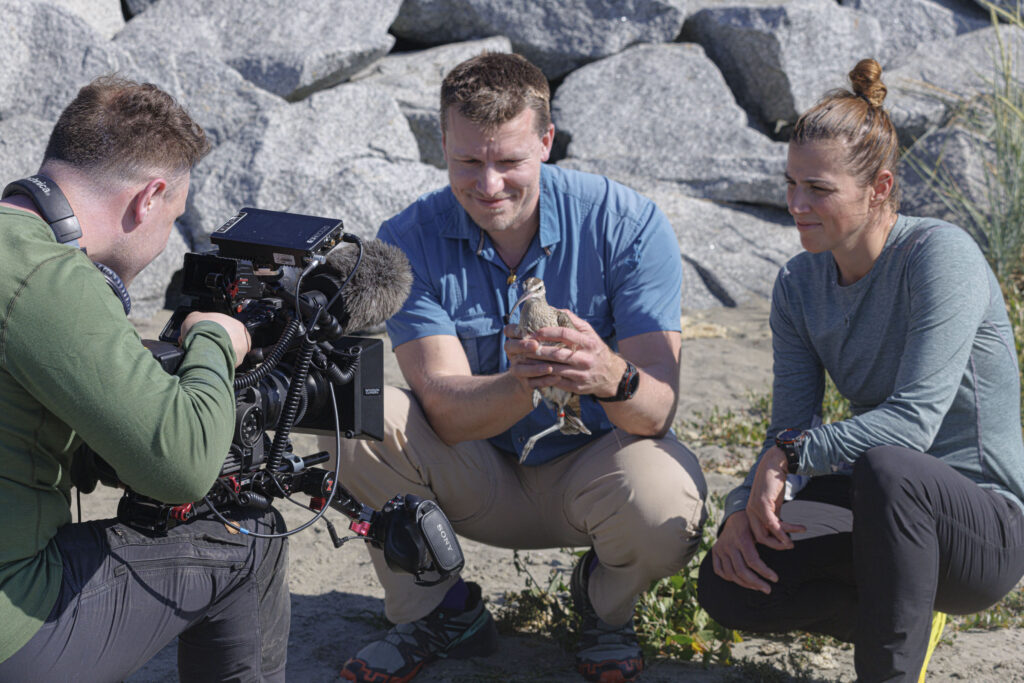
WATCH EPISODE Every year, millions of birds make some of the most arduous journeys in the natural world. The Hudsonian whimbrel ( Numenius hudsonicus ) travels from its breeding grounds in Alaska’s High Arctic to as far south as Argentina. Two endurance athletes are preparing to embark on their own…WATCH EPISODE Every year, millions of birds make some of the most arduous journeys in the natural world. The Hudsonian whimbrel ( Numenius hudsonicus ) travels from its breeding grounds in Alaska’s High Arctic to as far south as Argentina. Two endurance athletes are preparing to embark on their own journey to follow the paths of three GPS-tracked whimbrels. In this episode of “Our Wild Lives,” Timm Döbert, tropical ecologist and scientific explorer, and Leanna Carriere, extreme athlete, join us to talk about their upcoming 30,000 kilometer expedition titled, “Wings of Survival.’’ Döbert and Carriere will spend the next nine months on their bikes for 10 hours a day, crossing through 15 different countries along their route. Along the way, they will host virtual classrooms, conduct scientific studies and use the power of storytelling to bring awareness to migratory bird conservation. “Our Wild Lives” is The Wildlife Society’s biweekly podcast, sharing compelling stories from wildlife professionals doing critical work around the world. Your hosts, Katie Perkins and Ed Arnett, of The Wildlife Society, bring you thought-provoking conversations with leading experts and emerging voices. Further reading: About Wings of Survival – https://www.wingsofsurvival.com/ About the hudsonian whimbrel – https://abcbirds.org/birds/whimbrel/ Podcast by Katie Perkins
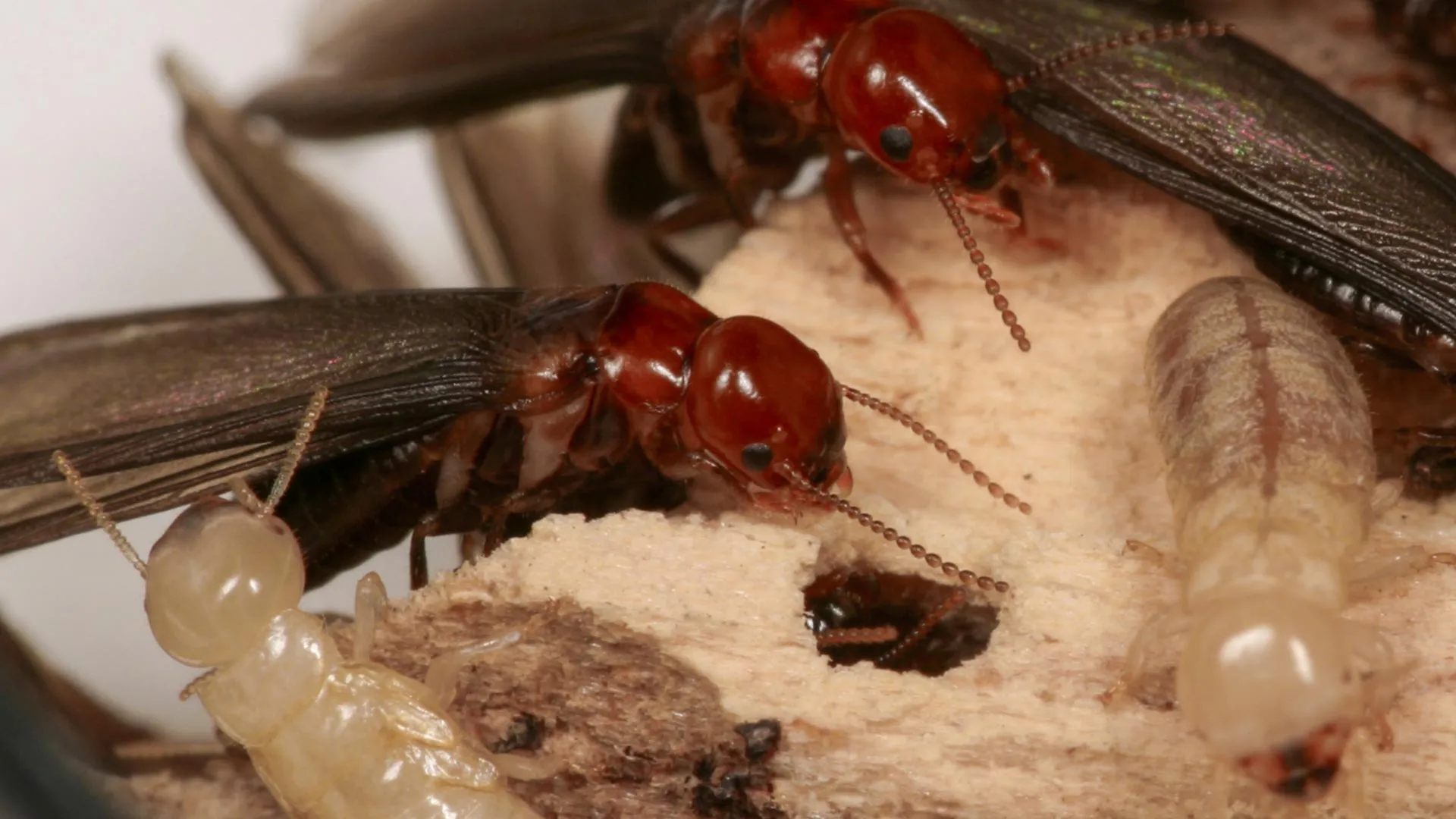
Here is a substantially reworded, engagement-optimized version for a general audience, with the original facts preserved and a light update in context. Scientists at UC Riverside have identified a cheaper, highly effective way to kill western drywood termites by drawing them toward insecticide instead of trying to track down every…Here is a substantially reworded, engagement-optimized version for a general audience, with the original facts preserved and a light update in context. Scientists at UC Riverside have identified a cheaper, highly effective way to kill western drywood termites by drawing them toward insecticide instead of trying to track down every hiding place. In experiments tied to a study in the Journal of Economic Entomology , the team used pinene, a pleasant-smelling compound released by forest trees, to make the insects move toward treated wood. The result was a major jump in effectiveness, from about 70% mortality with insecticide alone to more than 95% when pinene was added. "We saw significant differences in the death rates using insecticide alone versus the insecticide plus pinene," said UCR entomologist Dong-Hwan Choe, who led the discovery. "Without pinene, we got about 70% mortality. When we added it in, it was over 95%." Why western drywood termites are such a problem Western drywood termites are native to North America and play a real role in nature by helping break down dead wood above ground with help from microorganisms in their guts. "They are recyclers," Choe said. "And they're very common." That ecological role becomes a serious headache when the same insects move from dead trees into houses. They do not distinguish between natural wood and structural lumber, which is why they are a persistent concern in places such as California and Florida, as well as parts of Canada and Mexico. "It's only a matter of time before termites attack a house, especially in warmer parts of the states," Choe said. The limits of fumigation One of the most widely used treatments for drywood termites is fumigation, in which a home is sealed under a tent and filled with gas to kill the insects. California relies on this approach more than any other U.S. state, according to UC Riverside. But fumigation has drawbacks. The industry has been under pressure to find alternatives because sulfuryl fluoride, the chemical used in fumigation, is toxic to humans and also acts as a greenhouse gas. It is also costly, and it does not stop a home from becoming reinfested later. "Even though it is very thorough, a home can be infested again soon after fumigation is completed," Choe said. "Some people fumigate every three to five years because it doesn't protect structures from future infestations." How pinene helps insecticide work better Another option is localized injection. In this method, pest control workers drill into infested wood, reach the termite "gallery" or hiding area, and inject insecticide directly inside. Because it targets a smaller area, localized treatment can use fewer chemicals and cost less than fumigation. It may also leave treated wood better protected against future infestations. "This is a more localized treatment, and in theory, it is a better strategy when you want to control drywood termites with fewer chemicals. It's less expensive, and the treated wood may also stay protected from future infestations," Choe said. The big challenge is finding where the termites actually are inside the wood. These insects can spread through complex tunnel systems, and standard contact insecticides only work if the termites physically touch the treated area. That is where pinene changed the equation. The scent appears to draw termites from a distance, reducing the need to pinpoint every hidden pocket before treatment. "Even at low concentrations, pinene is good at attracting termites from a distance," Choe said. "We don't think it's functioning as a pheromone," Choe said. "We think the scent is more associated with their food. Smells nice… dinner time! That's the concept that we had in mind." The insecticide used in the study The insecticide used in the 2024 study was fipronil, which is also used against ants. Fipronil can harm aquatic insects and pollinators if it escapes into the environment, but in this case it was injected into wood, which lowers the chance of off-target effects. Choe's lab focuses on how urban insect pests communicate chemically, with the goal of turning that knowledge into smarter control strategies for pests such as western drywood termites. "Our study shows that if you understand insect behavior better, it's interesting by itself," Choe said. "Then there are also important implications for more effective pest management, so we can use fewer chemicals without compromising efficiency."
Back to Resources Jaguars are found from Mexico to Argentina, but their connectivity is poor in parts of their range. Credit: Marcos Amend/WCS New maps show the ways that jaguars can move across their range in the Americas—as well as corridors that are closing off for the big cats. In…Back to Resources Jaguars are found from Mexico to Argentina, but their connectivity is poor in parts of their range. Credit: Marcos Amend/WCS New maps show the ways that jaguars can move across their range in the Americas—as well as corridors that are closing off for the big cats. In a study published recently in Ecosphere , researchers created a map that spans jaguar ( Panthera onca ) range from Mexico to Argentina. The team connected the dots made from 134,000 GPS locations from 99 different jaguars. These maps revealed many of the corridors that connect important habitat for the big cats. It also reveals places that jaguar populations are becoming more isolated. “Connectivity is fundamental to the long-term survival of jaguars,” said Harshad Karandikar, the lead author of the study and a Wildlife Conservation Society conservationist, in a press release. “Some of the corridors we identified align with previous conservation priorities, while others suggest new opportunities to maintain connectivity before it is lost.” Read more at the Wildlife Conservation Society.
Explore how mosquito control has evolved from a simple add-on to a primary driver for business expansion and community safety. Industry experts share their strategies for education, technician trust and environmental stewardship. The post Scaling business and safety with mosquito and public health service first appeared on Pest Management Professional.
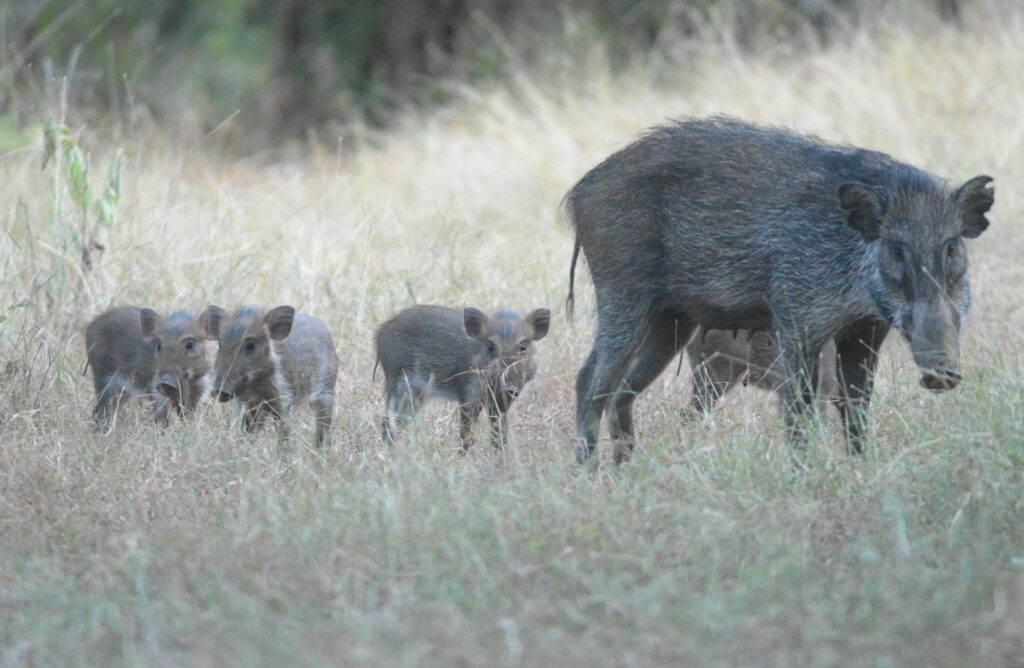
African swine fever could drive a dozen wild pig species in Asia to extinction, creating untold damage to rainforests across the continent. African swine fever began to appear in China in 2018, spreading throughout other countries in subsequent years. The disease has cost the pork industry billions of dollars, but…African swine fever could drive a dozen wild pig species in Asia to extinction, creating untold damage to rainforests across the continent. African swine fever began to appear in China in 2018, spreading throughout other countries in subsequent years. The disease has cost the pork industry billions of dollars, but it also threatens 12 species of wild pigs in Asia. In research published recently in Nature Reviews Biodiversity , researchers created a roadmap for preventing extinction of these species. Affected species include babirusas ( Babyrousa Spp. ) and the Celebes warty pig ( Sus celebensis )—many of these are important culturally and as food sources for Indigenous people in countries like Indonesia. “Asian wild pigs are disappearing at a pace few people realize, yet they are among the ecological foundations of much of the region’s tropical rainforest,” said Matthew Linkie, the technical director of the Wildlife Conservation Society and study leader, in a press release. “Protecting these species isn’t simply about preventing extinctions; it’s about safeguarding the ecological processes that sustain forests, wildlife and the communities that depend on them.” The study outlines conservation strategies, including safeguards and boosts for captive breeding programs, early warning surveillance and emergency financing. Read more at Wildlife Conservation Society Newsroom .
United States Department of Agriculture: Animal and Plant Health Inspection Service United States Department of Agriculture Wildlife Services: Staff Publications Kevin D. Niedringhaus , Cheyney University of Pennsylvania Follow Taylor C. Chan , University of Pennsylvania Follow Ashley McDowell , Maryland Department of Agriculture Follow Lauren Mxwell , University of…United States Department of Agriculture: Animal and Plant Health Inspection Service United States Department of Agriculture Wildlife Services: Staff Publications Kevin D. Niedringhaus , Cheyney University of Pennsylvania Follow Taylor C. Chan , University of Pennsylvania Follow Ashley McDowell , Maryland Department of Agriculture Follow Lauren Mxwell , University of Pennsylvania Follow Madison Stevens , University of Pennsylvania Follow Lane Potts , University of Pennsylvania Follow Erica Miller , University of Pennsylvania Follow Eman Anis , University of Pennsylvania Follow Kyle Van Why , United States Department of Agriculture, Animal and Plant Health Inspection Service, Wildlife Services, Harrisburg, Pennsylvania Follow Thomas Keller , Pennsylvania Game Commission Follow David Stallknecht , University of Georgia Follow Rebecca L. Poulson , University of Georgia Follow Kaitlyn Bahrs , Pennsylvania State University Follow Justin D. Brown , Pennsylvania State University Follow ORCID IDs Niedringhaus https://orcid.org/0000-0002-9560-5621 Chan https://orcid.org/0009-0006-6117-9042 Miller https://orcid.org/0000-0002-1049-6228 Keller https://orcid.org/0009-0002-4666-8711 Poulson https://orcid.org/0000-0002-8087-3295 Brown https://orcid.org/0000-0002-9185-9288 Document Type Article Date of this Version 2024 Citation MDPI Animals (2024) 14(24): 3700 doi: 10.3390/ani14243700 Academic Editors: Carla Cacciotto, Elisabetta Coradduzza, and Alberto Alberti Abstract The avian influenza virus is a global pathogen with significant health and economic implications. While primarily a pathogen of wild and domestic birds, recent outbreaks of the H5N1 highly pathogenic avian influenza virus (HPAIV) clade 2.3.4.4b have caused mortality in a wide variety of mammals, including members of the Canidae family, on multiple continents. Despite sporadic mortality events globally, the epidemiology and pathobiology of H5N1 HPAIV in wild canids remains poorly defined. During 2022–2024, 41 wild canid carcasses (diagnostic cases), including 23 red foxes and 18 gray foxes, were tested for the influenza A virus (IAV) via PCR, with five red fox kits testing positive (12%). Infected animals had variably severe encephalitis, pneumonia, and occasionally myocarditis associated with strong immunolabeling for IAV. Serum from 269 wild canids in Pennsylvania was tested for antibodies to IAV, including 133 samples collected prior to 2021 (pre-H5N1 HPAIV 2.3.4.4b introduction) and 136 collected after 2022 (post-H5N1 HPAIV 2.3.4.4b introduction). All samples collected prior to 2021 were seronegative for IAV. Two coyotes from 2024 were seropositive for IAV but were negative for antibodies to the H5 and N1 subtypes. Collectively, these data suggest that while sporadic H5N1 HPAIV infection and mortality can occur in wild canids, particularly juvenile red foxes, infection was limited in these outwardly healthy and opportunistically sampled animals. Future studies should utilize a risk-based approach to target sampling of wild canids at increased risk for H5N1 HPAIV infection, such as those around waterfowl habitats or spatially around wild bird or domestic animal outbreaks. DOWNLOADS Since April 18, 2025 Included in Natural Resources and Conservation Commons , Natural Resources Management and Policy Commons , Other Environmental Sciences Commons , Other Veterinary Medicine Commons , Population Biology Commons , Terrestrial and Aquatic Ecology Commons , Veterinary Infectious Diseases Commons , Veterinary Microbiology and Immunobiology Commons , Veterinary Preventive Medicine, Epidemiology, and Public Health Commons , Zoology Commons COinS
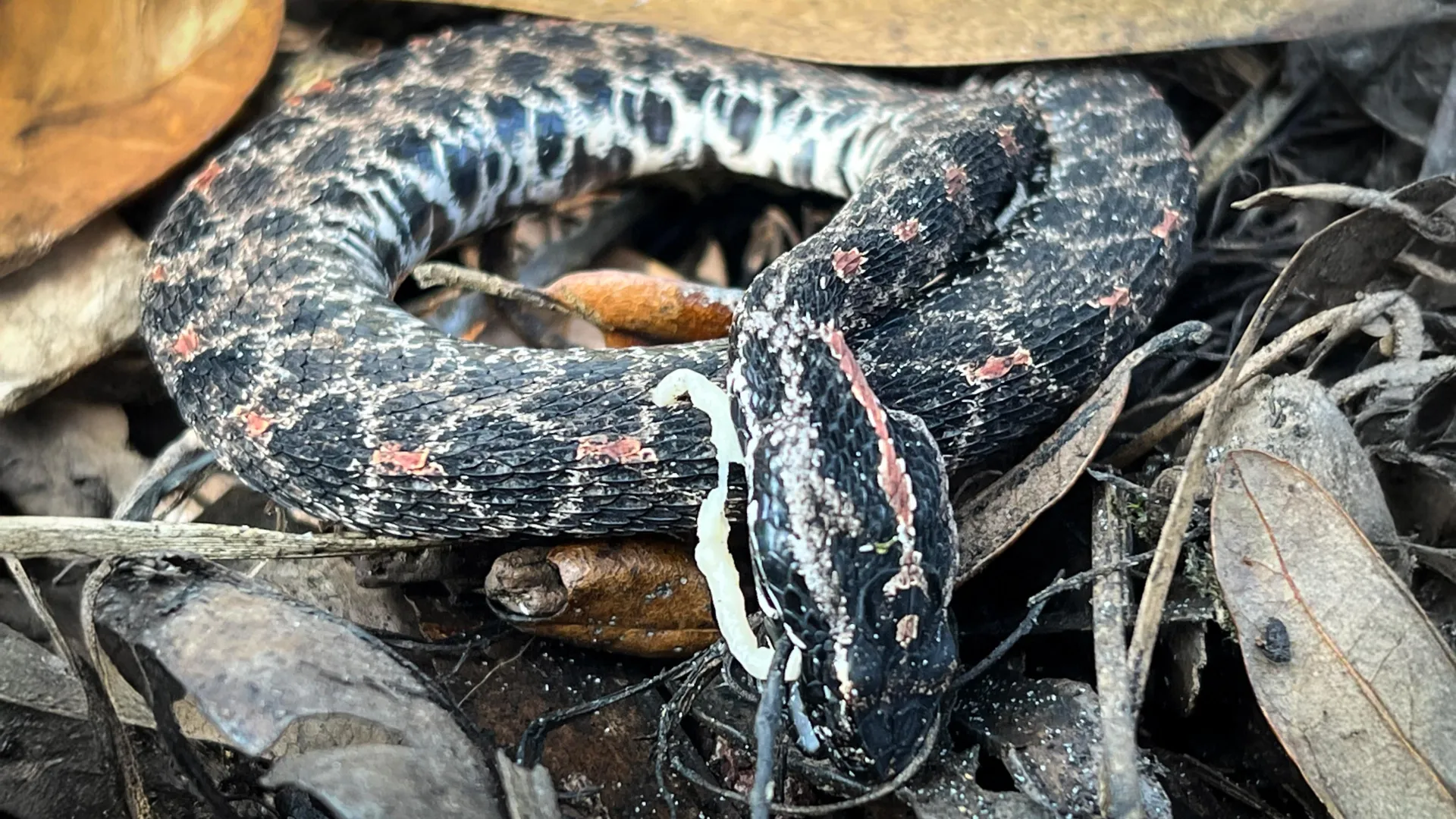
University of Maryland researchers have identified a promising new way to treat venomous snakebites by borrowing from snakes' own natural defenses. Their approach uses toxin-blocking proteins that western diamondback rattlesnakes evolved to protect themselves from venom. By combining specific proteins found in rattlesnake blood, the researchers achieved unusually strong protection…University of Maryland researchers have identified a promising new way to treat venomous snakebites by borrowing from snakes' own natural defenses. Their approach uses toxin-blocking proteins that western diamondback rattlesnakes evolved to protect themselves from venom. By combining specific proteins found in rattlesnake blood, the researchers achieved unusually strong protection against venom from several dangerous snake species. The study was led by Distinguished University Professor of BiologySean B. Carroll and published in the Proceedings of the National Academy of Sciences . The findings could help researchers develop more powerful antivenoms for deadly snakebites, which remain a major health threat in some regions of the world. "This is one of those great stories when nature has already solved a problem we've been grappling with for decades," said Carroll, who also holds the Andrew and Mary Balo and Nicholas and Susan Simon Endowed Chair at UMD. The Global Challenge of Snakebites Snakebite is considered one of the world's most neglected tropical diseases. According to the World Health Organization, venomous snakes kill an estimated 80,000 to 140,000 people annually, while hundreds of thousands of survivors are left with permanent disabilities. Many of those affected live in rural areas where effective antivenom can be difficult to obtain. Existing antivenoms save lives, but they also have major drawbacks. They are typically produced by exposing large animals to snake venom and then collecting the antibodies those animals generate. Manufacturing these treatments can be costly, their quality and effectiveness can vary, and they may not work equally well against the many different toxins found in venom from different snake species. They can also cause serious immune reactions. Those limitations have pushed scientists to search for better options. In this case, the researchers turned to snakes themselves for clues. "We've known from anecdotes for 100 years that vipers tend to be resistant to their own venom," Carroll said. "But for a long time, nobody knew what exactly was circulating in their blood that protected them." A Natural Defense Hidden in Rattlesnake Blood In 2022, Carroll's laboratory found part of the answer: a protein called FETUA-3. The researchers discovered that it could block the activity of many metalloproteinase toxins found in western diamondback rattlesnake venom. It could also bind to and inhibit toxins from the venoms of several other rattlesnake species. "Here was evolution's way for snakes to protect themselves from accidental self-envenomation," he said, which prompted a follow-up question. "Why rely on horse antibodies when nature has packaged an effective antidote right there in the snake?" For the new research, co-authors including Elda Sánchez, director of the National Natural Toxins Research Center at Texas A&M University-Kingsville, examined what each FETUA protein contributes to venom resistance. The team found that individual proteins could counter certain effects of venom. One might reduce bleeding, for example, while another could interfere with enzyme activity. However, none of the FETUA proteins on its own was able to completely prevent death from a venomous bite. Protein Combinations Dramatically Boost Protection The results changed when researchers combined several FETUA proteins. These mixtures were far more effective at blocking the harmful effects of venom than the individual proteins alone. Finding the best combinations is complicated because snake venom is extraordinarily complex. A single venom can contain around 100 toxin proteins belonging to multiple protein families, and venom composition differs from one snake species to another. "The ingredients are there," Carroll said. "We just have to keep testing various mixtures." In laboratory experiments, optimized combinations of the proteins were about 10 times more potent than the current sheep-derived rattlesnake antivenom. The mixtures completely neutralized the lethal effects of rattlesnake venom and also provided broad protection against venom from multiple viper species, including species separated by millions of years of evolution. "The fact that parts of these inhibitors have been perfectly conserved over 50 million years of snake evolution tells you just how real a risk this is for these animals," Carroll said, noting that how snakes envenomate themselves, whether through mouth tissue during a bite, by eating envenomated prey, through cannibalism or all of the above, isn't well understood. Toward a New Generation of Antivenoms The present study concentrated on metalloproteinases, one important family of venom toxins. The researchers are now using the same general strategy to target other toxin families. "We're getting remarkably close to having effective solutions for the three major toxin families in vipers," Carroll said. "What we've learned here, together with research we're doing now, gives us real confidence that nature-based recombinant [lab-produced] antivenoms are within reach." Carroll expects that the first commercial applications of "nature's antivenom" could be in veterinary medicine, with treatments for human snakebites potentially following later. He envisions future antivenoms that protect against a wider range of venoms while also being safer, less expensive and easier to manufacture on a large scale than many current treatments. "We could make train cars-worth of this stuff and help solve a massive global health problem," Carroll said. "Many of our most important medicines have come from nature. I'm delighted that the components for a better-than-commercial antivenom were in these snakes all along." Along with Carroll, the UMD co-authors included Department of Biology visiting faculty specialists Fiona Ukken and Yetunde Ayinuola. The research was funded by the Howard Hughes Medical Institute and the Viper Resource Center (Grant #P40OD01960-22). This article does not necessarily reflect the views of these organizations.
Co-owner of The Pest Posse Foster Brusca and PMP Senior Editor Diane Sofranec preview this month's edition of PMP magazine. The post Today’s PMP previews PMP’s May edition first appeared on Pest Management Professional.
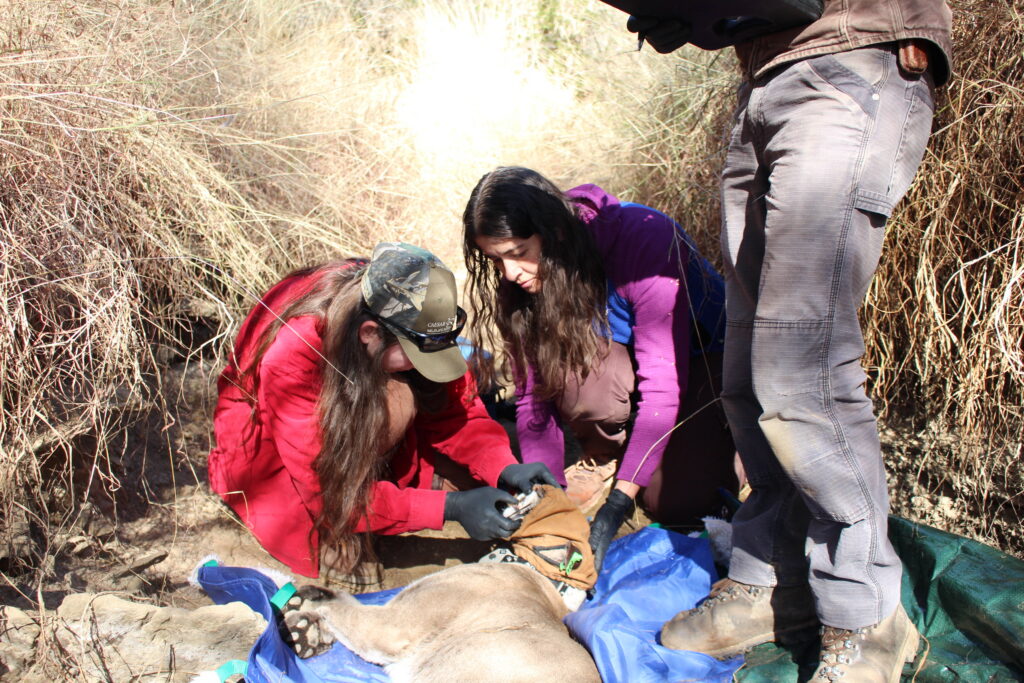
New evidence reveals that mountain lions can fit through improvised kitty doors set up on the border wall dividing the U.S. from Mexico. But researchers are concerned about the future connection of the population of the big cats. In this episode of “Our Wild Lives,” carnivore ecologist Lisanne Petracca walks…New evidence reveals that mountain lions can fit through improvised kitty doors set up on the border wall dividing the U.S. from Mexico. But researchers are concerned about the future connection of the population of the big cats. In this episode of “Our Wild Lives,” carnivore ecologist Lisanne Petracca walks us through the monitoring being done to determine the potential effects of the construction of the 30 foot high wall along the Texas border on mountain lions ( Puma concolor ). Preliminary results show that openings the size of a sheet of paper could be the solution keeping the United States and Mexico populations connected. “Our Wild Lives” is The Wildlife Society’s biweekly podcast, sharing compelling stories from wildlife professionals doing critical work around the world. Your hosts, Katie Perkins and Ed Arnett, of The Wildlife Society, bring you thought-provoking conversations with leading experts and emerging voices. New episodes are released weekly wherever you get your podcasts. Read more: About Lisanne Petracca: https://www.tamuk.edu/agriculture/departments/rwsc/faculty-staff-rwsc/Petracca.html Spatial and Population Ecology of Carnivores (SPEC) Lab: https://thespeclab.weebly.com/ Article by Katie Perkins
There are many measures on the Colorado ballot right now, but there’s only one focused on dedicated funding to mitigate the effects of drought and wildfire across the state. Proposition … Read more The post Colorado Wildlife & Communities Would Benefit from Proposition 137 appeared first on The National Wildlife…There are many measures on the Colorado ballot right now, but there’s only one focused on dedicated funding to mitigate the effects of drought and wildfire across the state. Proposition … Read more The post Colorado Wildlife & Communities Would Benefit from Proposition 137 appeared first on The National Wildlife Federation Blog.
Bears in Japan are a conservation success story that might be a little too successful. Last year saw a huge surge in bear attacks on people, killing 13 and injuring more than 100. Wildlife biologists say a combination of factors are to blame, including more bears, less food for them…Bears in Japan are a conservation success story that might be a little too successful. Last year saw a huge surge in bear attacks on people, killing 13 and injuring more than 100. Wildlife biologists say a combination of factors are to blame, including more bears, less food for them and paradoxically, fewer people. Japan is home to two species of bears, one of which is the Asiatic black bear ( Ursus thibetanus ), which populates three regions, including Japan’s main island. Hokkaido, a mountainous island in northern Japan, is also home to the Ussuri brown bear ( Ursus arctos lasiotus ). By the 1980s, overharvesting had led Asiatic black bear populations to plummet, and some areas had lost the species entirely. But the bears began to rebound after conservation plans limited hunting. By November of last year, 2025 had seen 235 bear attacks and more than 20,000 reported sightings across the country. “One reason this human-bear conflict has increased is because the distribution of bears expanded in the last 20 years,” said Masahiro Ohnishi, a TWS member and principal research scientist at Wildlife Management Office in Japan. But the reasons for the uptick in attacks are complex, with overlapping forces pushing hungrier, bolder bears into the fringe of urban areas. As the number of bears has increased, Ohnishi said that many prefectures are unequipped to deal with them, leaving people—and bears—at risk. Bears on the move Sharing a common ancestor with American black bears, Asiatic black bears, also known as moon bears, are on average a little smaller than their North American counterparts. They have a crescent moon-shaped cream marking on their chest, hence the nickname, and ears reminiscent of a certain famous mouse. Ohnishi said that Asiatic black bears tend not to be aggressive. “When we see the Asiatic black bear in the forest, they’re shy, like American black bears,” he said. Like American black bears, they are also predominantly scavengers and rarely kill for food. But in Japan, black bears have recently been moving in unexpected ways in search of food. Because Japan has a temperate climate with strong seasonality, these bears typically hibernate each winter. And before they hibernate, they eat anything they can get their paws on, relying heavily on acorns and beech nuts in the fall. But in 2025, there was a mass failure in acorn and beechnut production, so bears, including mothers and cubs, had to travel farther into unknown territories to find food. Sightings and camera trap data have caught females and cubs traveling into suburban areas. In the north, the government deployed the Japan Self-Defense Forces to help local hunters move bear traps in residential areas. Only licensed hunters were permitted to kill the bears. Some scientists in Japan have pointed to climate change as one factor that caused unusual weather patterns and contributed to last year’s failed beechnut crop. Past studies have linked climate change and human-wildlife conflict in other areas, as shifting weather patterns cause wildlife to move in new and unexpected ways. Ohnishi doesn’t think that climate change is part of the equation in Japan’s spiking bear attacks, though, pointing to natural low years in beechnut and acorn production cycles. Compounding factors Beyond last year’s dramatic decrease in acorns and beechnuts, there are other, longer-term factors at play. Japan is facing a human depopulation crisis, especially in rural areas. “Farms and orchards have been abandoned by many farmers because they don’t have successors to take care of them,” Ohnishi said. “And those resources have become food for many species, including bears, deer and boars.” While in the past, farmers have been able to push the bears back through maintaining fencing and working with local hunters, Ohnishi said that many of them no longer have the ability to. Local hunting clubs, too, have decreased in popularity and are struggling to recruit new members. Ohnishi, who is himself a hunter, said the hobby is dying out. “The average hunter age has been around 65 years old for many years,” he said. As the Japanese population decreases, so does the already small sliver that would be hunters. There are two types of attacks: defensive and predatory. In Japan and around the world, there are far more defensive than predatory encounters. But in Japan in the last year, predatory attacks were on the rise in both forested and residential areas. The country’s Ussuri brown bears kill one or two people, if any, each year in defensive attacks, which Ohnishi said is “normal.” Brown bears can become aggressive when startled, especially if it’s a female with cubs or they’re defending a carcass. Attacks have become more frequent as populations have increased, but nowhere near as high as what’s happening with the Asiatic black bears. “We didn’t know that they are capable of killing 13 people, even with the increase in population size,” he said. Without eye-witnesses, it can be hard to tell if an attack was predatory or defensive. But as bears are moving into areas inhabited by humans, there have been cases of surveillance footage capturing the attack. In one instance on Oct. 8 on the northern side of Japan’s main island, a bear attacked an 82-year-old woman from behind while she was on her morning walk. In a now-infamous example in a neighboring prefecture, a 60-year-old spa worker was mauled while cleaning an outdoor bath on Oct. 16. His body was found a day later, just 2 kilometers from the site of another fatal bear attack that happened a few weeks prior. There are an estimated 12,000 brown bears on Hokkaido, and Japan’s main island has an estimated 20,000 to 40,000 Asiatic black bears. “Still, I think we are underestimating the population size,” Ohnishi said. “Some parts have a very high density,” he said, especially in the north. And each prefecture—of which there are 47—has its own way of estimating bear numbers, which makes it hard to standardize estimates across the country. Removing bears from the population has been the main tactic for population control. Last year, around 12,000 Asiatic black bears and 2,000 brown bears were culled across the country. Hunters with permits predominantly shot these animals after encountering or trapping them within, or just outside, city limits. “That’s a lot of bears,” Ohnishi said. “We need to be more calm and systematic in our approach.” Japan’s model of wildlife management Wildlife management in Japan looks different than it does in the United States, and Ohnishi has experience in both systems. Before his career in Japan, Ohnishi lived in Texas for 15 years, where he earned his PhD and worked as a research scientist at the Caesar Kleberg Wildlife Research Institute. Now, Ohnishi works at Wildlife Management Office, a private organization that is contracted by the Ministry of the Environment as well as at the prefecture, or state, level to carry out wildlife research and management. He started studying the bears in 2022 using GPS collars and camera traps. Masahiro Onishi attaches GPS collars to Asiatic black bears to track their movement and population numbers. Courtesy of Masahiro Ohnishi Unlike the U.S., the Japanese government employs few wildlife biologists. “We do have very limited numbers of wildlife biologists in the federal and prefecture agencies,” he said. Japan’s Ministry of the Environment has manuals for bear management. “But across the country—like from California to New York—can you apply the same bear management plan? Probably not,” he said. The guidance is flexible, Ohnishi said, so that prefectures can customize their own management strategies. But some of the regions are left unprepared and with no existing strategies because they didn’t have bears before. Now with black bears’ recent range expansion, some areas are dealing with high levels of human-wildlife conflict. And it’s not just the bears who have been changing their behavior. Humans, too, are responding. In part of Hokkaido’s biggest city, Sapporo, which hosted the 1972 Winter Olympics, Ohnishi said that it’s common to see people using bear bells. He said some people are so scared of bears, they don’t walk around at night in some parts of the city. In October 2025, a bear was trapped and removed from the parking lot of a bank building in the downtown area of a city on the northern side of Japan’s main island. Preventing future attacks Ohnishi thinks that managers need to implement more preventative and less reactive approaches. He likened opportunistic bear culling to playing whack-a-mole—they’re just trying to deal with problems as they come up. Rather, creating cities informed by science-based conflict-prevention methods, like securing trash, can stop attracting bears to residential areas. Ohnishi also thinks that instituting bear management zones around major urban areas will create buffer zones of targeted bear deterrence to keep bears away but also maintain forested areas that can still act as conservation zones for the animals. “In Japan, we can learn a lot from wildlife biologists from other countries, including the United States,” he said, citing areas in the north and west where people coexist with large populations of bears. “I think the number of people killed strongly impacted the Japanese people,” he said. “We have to make a more systematic way to deal with it.” Article by Olivia Milloway
Snakes around the world are increasingly facing the threat of extinction, with disease emerging as a major concern alongside habitat loss. One of the most serious illnesses affecting snakes is ophidiomycosis, commonly called snake fungal disease, which is caused by the fungus Ophidiomyces ophidiicola ( Oo ). Since researchers first…Snakes around the world are increasingly facing the threat of extinction, with disease emerging as a major concern alongside habitat loss. One of the most serious illnesses affecting snakes is ophidiomycosis, commonly called snake fungal disease, which is caused by the fungus Ophidiomyces ophidiicola ( Oo ). Since researchers first identified the disease about 20 years ago, it has been detected in many snake species. In an effort to better understand the overall health of wild snakes, researchers in the southeastern United States investigated seven different pathogens in native snake populations. Their goal was to compare infection rates across species, locations, and time periods. The findings were published in Frontiers in Veterinary Science . "The fungus Oo and the parasite Raillietiella orientalis ( Ro ), appear to be the most important infectious agents in free-ranging snakes in the southeastern US," said first author Dr. Corinna Mishin (formerly Corinna Hazelrig), a researcher at the University of Georgia. "We also show that increased risks of ophidiomycosis was strongly associated with coinfections in free-ranging native snakes." Researchers Survey Hundreds of Wild Snakes The study, funded by the Morris Animal Foundation, involved sampling more than 500 snakes from two wildlife refuges in South Carolina and Florida, covering 29 species. Researchers also collected additional samples from other areas across the southeastern US whenever possible. Most snakes were captured alive so scientists could swab their skin and collect blood samples before release. A smaller number of snakes that had died on roads or in the wild underwent detailed postmortem examinations that included tissue collection. "For around 10 years, free-ranging snake research almost solely focused on Oo . We wanted to evaluate snake health on a more comprehensive level and really establish a broader view," Mishin said. Multiple Infections Common in Wild Snakes The researchers discovered that fewer than 20% of the snakes tested showed no signs of infection. The most widespread pathogen was the bacterium Salmonella enterica , which appeared in 63% of the snakes. Another common infection came from Hepatozoon spp., a tick borne parasite found in 53% of the animals. Scientists also detected antibiotic resistant Mycoplasma spp. bacteria in 18% of snakes. These bacteria can cause upper respiratory illness and had never before been reported in wild snakes in the United States. Many snakes were carrying more than one pathogen at the same time. Overall, 44% of the snakes had multiple infections. About 29% carried two pathogens simultaneously, while 11% had three infections and 3% carried four different pathogens. "When an animal has become sick from an infection their immune system is compromised which increases the risk of further disease exacerbation from other infectious agents that may have once been subclinical," Mishin explained. Pygmy Rattlesnakes Face Elevated Risk The study also found that some snake species were much more vulnerable to certain diseases than others. Pygmy rattlesnakes showed especially high rates of snake fungal disease. Of the 34 rattlesnakes tested, 12 were positive for Oo , and many also displayed visible signs of illness. By comparison, only one out of 55 eastern ribbon snakes and three out of 36 ring necked snakes tested positive. Rattlesnakes were also the species most frequently infected with Ro , an invasive crustacean parasite commonly known as snake lungworm. Fourteen of the 34 rattlesnakes carried the parasite. In several other snake species, Ro infections were much less common or absent altogether, including among Florida green watersnakes. "We hypothesize that certain species with poorer general population health, specifically rattlesnakes with historic and current increased risks of human persecution, are likely more susceptible to infection with subsequent disease," said Mishin. "In addition, pygmy rattlesnakes were expected to have an increased prevalence of Ro , as they primarily consume lizards and frogs which are known to transmit the parasite." Geography and Skin Damage Influence Infection Risk Location also appeared to affect infection patterns. Snakes sampled in Georgia were much more likely to test positive for Oo , while Ro infections were found only in Florida snakes. Skin damage was another important factor. More than 30% of snakes with skin lesions tested positive for snake fungal disease, compared to just 2% of snakes without lesions. Disease Risks and Conservation Concerns The researchers noted several limitations to the study. Sampling took place in only a small number of counties, meaning the findings may reflect local environmental conditions rather than the entire southeastern US. The team also explained that detecting Ro in living snakes can be difficult because testing relies on fecal samples. Since snakes often go long periods without eating, usable samples are not always available. As a result, the true rate of Ro infection may be higher than reported. Even so, the researchers say the findings could play an important role in wildlife conservation and invasive species management. Burmese pythons and brown anoles, both invasive species in the US, are known carriers of Ro . "Our data provide important information of which pathogens native snakes may likely have but also which they are likely naïve to. This can inform actions needed to prevent pathogen spillover from captive snakes," Mishin concluded. "When translocating wildlife, it's essential to consider which pathogens may be translocated with them -- and the potential downstream effects."