Raccoon Exterminator Coppell AAAC Wildlife Removal of Dallas is a reputable company in Coppell, Texas, offering top-notch Raccoon Exterminator services to help customers with raccoon infestations. With their expertise and commitment to humane wildlife removal, AAAC Wildlife Removal of Dallas has established itself as a reliable and effective solution for…Raccoon Exterminator Coppell AAAC Wildlife Removal of Dallas is a reputable company in Coppell, Texas, offering top-notch Raccoon Exterminator services to help customers with raccoon infestations. With their expertise and commitment to humane wildlife removal, AAAC Wildlife Removal of Dallas has established itself as a reliable and effective solution for raccoon problems. The video above showcases AAAC Wildlife Removal of Dallas' proficiency in raccoon extermination, highlighting their methods and techniques for safely and effectively removing raccoons from homes and properties. The company's effectiveness lies in their team of skilled technicians who possess extensive knowledge and experience in handling raccoon infestations. What sets AAAC Wildlife Removal of Dallas apart is their commitment to humane and ethical wildlife removal practices. They understand the importance of protecting both the customer and the raccoons during the removal process. Their technicians are trained to handle raccoons with care and use safe and effective methods to remove them from the property. Moreover, AAAC Wildlife Removal of Dallas takes a comprehensive approach to raccoon extermination. They not only remove the raccoons but also identify and address the root cause of the infestation to prevent future occurrences. This proactive approach ensures long-term solutions for customers. In addition to their expertise in raccoon extermination, AAAC Wildlife Removal of Dallas also offers comprehensive cleanup and repair services to restore any damage caused by the raccoons. Their dedication to providing exceptional customer service extends beyond the removal process, as they strive to ensure that customers are satisfied with the results. For customers in Coppell, Texas, dealing with raccoon infestations, AAAC Wildlife Removal of Dallas is a trusted choice for effective and humane solutions. With their skilled technicians, comprehensive approach, and commitment to customer satisfaction, AAAC Wildlife Removal of Dallas ensures that customers receive top-quality raccoon extermination services that address their needs efficiently and effectively. More on YouTube: https://www.youtube.com/watch?v=NfEHMMWUvDk On Sound Cloud: https://soundcloud.com/aaac-wildlife-removal/raccoon-exterminator-coppell AAAC Wildlife Removal of Dallas provides professional raccoon removal services for customers in Coppell, Texas. Contact Us: AAAC Wildlife Removal of Dallas 4925 Greenville Ave Ste 200 Dallas, TX 75206 469-423-9299 Website: https://dallas.aaacwildliferemoval.com/ Email: dallas@aaacwildliferemoval.com Find us around the web: YouTube: https://www.youtube.com/channel/UCU5vEuK2NZCsb56Bv21OQYw Facebook: https://www.facebook.com/profile.php?id=61565888967944 Twitter: https://x.com/aacOfDallas SoundCloud: https://soundcloud.com/aaac-wildlife-removal Blogger: WordPress: Tumblr:
Raccoon Removal Coppell AAAC Wildlife Removal of Dallas is a trusted and reliable company that offers top-notch Raccoon Removal services to customers in Coppell, Texas. With years of experience in the field, they have established themselves as a go-to solution for all wildlife removal needs, providing swift and efficient assistance…Raccoon Removal Coppell AAAC Wildlife Removal of Dallas is a trusted and reliable company that offers top-notch Raccoon Removal services to customers in Coppell, Texas. With years of experience in the field, they have established themselves as a go-to solution for all wildlife removal needs, providing swift and efficient assistance when it matters most. Raccoons can cause significant damage to homes and properties, and their presence can also pose health risks to humans and pets. That's why it's essential to address raccoon infestations promptly and effectively. AAAC Wildlife Removal of Dallas understands this and offers a comprehensive range of raccoon removal services to help homeowners and businesses in Coppell, Texas, get rid of these pesky critters. What sets AAAC Wildlife Removal of Dallas apart from the competition is their team of experts who are trained and equipped to handle raccoon removal with utmost precision and care. They understand the behavior and habits of raccoons, allowing them to devise effective strategies to remove them from your property safely. The technicians at AAAC Wildlife Removal of Dallas use humane and environmentally-friendly methods to remove raccoons from your property. They also take preventive measures to ensure that raccoons do not return to your property in the future. This includes sealing off any entry points and providing recommendations on how to make your property less attractive to raccoons. AAAC Wildlife Removal of Dallas also offers attic restoration services to repair any damage caused by raccoons and sanitize the area to eliminate any health hazards. This comprehensive approach ensures that your property is not only free of raccoons but also restored to its pre-infestation condition. Customer satisfaction is a top priority for AAAC Wildlife Removal of Dallas. They strive to provide prompt and efficient services, ensuring minimal disruption to your daily routine. Their team is available 24/7 to handle emergency raccoon removal situations, giving customers peace of mind knowing that help is just a phone call away. In conclusion, AAAC Wildlife Removal of Dallas is a reliable and effective solution for raccoon removal in Coppell, Texas. Their expertise, humane methods, and commitment to customer satisfaction make them the preferred choice for wildlife removal services. Trust AAAC Wildlife Removal of Dallas to help you get rid of raccoons and restore the safety and comfort of your home or business. More on Sound Cloud: https://soundcloud.com/aaac-wildlife-removal/sets/aaac-wildlife-removal-of-coppell On YouTube: AAAC Wildlife Removal of Dallas provides professional raccoon removal services for customers in Coppell, Texas. Contact Us: AAAC Wildlife Removal of Dallas 4925 Greenville Ave Ste 200 Dallas, TX 75206 469-423-9299 Website: https://dallas.aaacwildliferemoval.com/ Email: dallas@aaacwildliferemoval.com Find us around the web: YouTube: https://www.youtube.com/channel/UCU5vEuK2NZCsb56Bv21OQYw Facebook: https://www.facebook.com/profile.php?id=61565888967944 Twitter: https://x.com/aacOfDallas SoundCloud: https://soundcloud.com/aaac-wildlife-removal Blogger: WordPress: Tumblr:
“Chocolate, avocados, onions, and moldy foods are some of the most poisonous items you can leave out for squirrels. Even small amounts of these everyday ingredients can cause serious health issues—or be fatal—for these sensitive rodents.” Squirrels may look harmless scampering across your fence or chasing each other up a…“Chocolate, avocados, onions, and moldy foods are some of the most poisonous items you can leave out for squirrels. Even small amounts of these everyday ingredients can cause serious health issues—or be fatal—for these sensitive rodents.” Squirrels may look harmless scampering across your fence or chasing each other up a tree, but when they show up in your attic or tear through your garden, that charm disappears fast. In leafy neighborhoods where parks are close by and backyard bird feeders are everywhere, it’s no surprise that squirrels are regular visitors—and sometimes uninvited tenants. While many people enjoy watching them or even tossing out food, what you leave behind can actually be dangerous to squirrels—and a bigger headache for you without proper squirrel control . This article isn’t about harming wildlife. It’s about knowing what food is poisonous to squirrels so you don’t accidentally invite them in or make them sick. If you’ve been leaving out scraps, filling feeders, or composting without thinking twice, there’s a good chance you’re creating a squirrel buffet without even realizing it. Let’s break down what to avoid, what to secure, and how to protect both your home and the squirrels from a bad encounter. What Is The Most Dangerous Foods for Squirrels? Chocolate and Caffeinated Products Chocolate is one of the most toxic substances you can accidentally leave out for squirrels or any rodent. It contains theobromine—a stimulant that these small animals can’t metabolize effectively. Just a small amount from a brownie, chocolate almond bar, or sugar-filled candy can trigger tremors, elevated heart rate, or seizures in squirrels. Since they have such fast metabolisms and tiny bodies, the toxic effects hit hard and fast, often with serious consequences. Caffeinated foods and drinks are equally dangerous. Coffee grounds , soda spills, or chocolate-covered espresso beans tossed into a compost pile can be life-threatening if a squirrel gets into them. Where outdoor parties and backyard BBQs are common, it’s easy for sugary or caffeine-rich snacks to end up where rodents roam. To keep squirrels safe and your property clear of unwelcome visitors, make it a habit to clean up thoroughly and store all sweet or stimulant-laced foods securely. Avocados Avocados contain persin, a fungicidal toxin found in the fruit’s skin, pit, and even its leaves. While persin might not harm humans, it can be toxic to many animals, including squirrels. The risk isn’t just in eating an avocado—squirrels that nibble on a discarded peel, chewed seed, or exposed pit can experience digestive issues or worse. What makes this even more concerning is how easily avocado waste can be overlooked, especially in compost bins. If you’re growing avocado trees or preparing guacamole from scratch, this is something to stay mindful of. As urban farming and composting become more popular, the risk of accidentally exposing squirrels to this toxic fruit increases. Make sure avocado scraps are properly sealed or discarded, and if you have a tree, regularly clear fallen fruit from the yard. It’s better to be safe than to unknowingly poison a local animal. Onions, Garlic, and Spicy Foods While these aromatic kitchen staples may keep your chili full of flavor, they spell serious trouble for squirrels. Onions and garlic contain compounds that can damage red blood cells, leading to anemia and other health complications. The danger extends to cooked dishes, too. If a squirrel gets into leftover food seasoned with garlic or onions, even in small amounts, it can suffer lasting effects. In worst cases, repeated exposure can be fatal over time. Spicy foods also pack a punch that squirrels can’t handle. Hot sauce remnants, chili powder, or discarded tacos can cause severe digestive distress. Where spicy dishes are a staple, food waste often ends up in outdoor bins or compost piles. Make sure spicy scraps are stored in critter-proof containers, and avoid tossing seasoned leftovers near your patio or yard. The goal isn’t just to avoid harming squirrels—it’s to stop inviting them altogether. Alcohol and Fermented Fruit Alcohol might seem like an unlikely threat to wildlife, but squirrels are highly sensitive to it. Whether it’s beer spills from a tailgate, wine left out on the porch, or sugary cocktails left on patio tables, these drinks can lead to disorientation, slowed reaction time, and eventually liver failure in squirrels. Their small bodies can’t handle even trace amounts, and it doesn’t take much to put them in serious danger. Another sneaky culprit? Overripe or fermenting fruit, especially in backyards with peach, fig, or persimmon trees. As the fruit falls and begins to break down, it can release natural alcohols that attract squirrels and get them intoxicated. They may stagger, fall from trees, or become easy prey for predators. Regularly clean up fruit from the ground and keep alcoholic beverages secure during outdoor events. Salty Snacks and Chips Salt is another ingredient that can easily disrupt a squirrel’s internal balance. While humans can handle a salty snack during a football game or backyard hangout, squirrels don’t process salt well. Even a few bites of junk food like chips, pretzels, or salted walnut snacks can dehydrate them and overwork their kidneys. These types of treats also contain added sugar and artificial ingredients that offer zero nutritional value for squirrels—making them both harmful and useless from a dietary perspective. Many of these items—especially sugary breakfast cereals or processed snack mixes—are casually dropped or tossed outside without much thought. But to a hungry squirrel, that forgotten bowl of cereal or spilled trail mix is a full meal. Where outdoor events, food trucks, and weekend cookouts are part of the culture, squirrels quickly learn where the good stuff is. Cleaning up sugary crumbs and sealing snack waste tightly are easy steps that help discourage squirrels from turning your yard into their favorite buffet line. Surprising “Healthy” Foods That Still Poisonous To Squirrels Not all squirrel-dangerous foods are obviously harmful. Some look totally natural or even nutritious—but for squirrels, they can cause more harm than good. These foods often show up in gardens, bird feeders, compost piles, or well-meaning attempts to “feed the wildlife.” Here’s what to watch for. Raw Corn (Especially Moldy Corn) Corn might seem harmless—it’s a common ingredient in bird seed, livestock feed, and even human snacks. But when corn starts to mold, it can develop aflatoxins, which are highly toxic to squirrels and many other animals. Aflatoxins are produced by certain types of fungi and can affect liver function, immune systems, and even lead to cancer in wildlife. A squirrel doesn’t have to eat much moldy corn for it to cause serious internal damage. The risk goes up during warm, humid stretches—especially in summer—when moisture speeds up mold growth. Corn that’s left outside for too long, stored improperly in feeders, or tossed into compost piles can quickly become a hidden hazard. If you’re putting out corn in a feeder, store it in a dry place, change it frequently, and never offer anything that smells off or looks discolored. It’s not just about nutrition—it’s about safety. Bread and Processed Carbs Bread might feel like a safe, throwaway snack for critters—but it’s actually a poor and potentially harmful food choice for squirrels. Bread, crackers, and other refined carbs offer little to no nutrition, and they can expand in a squirrel’s stomach, leading to bloating or discomfort. In some cases, processed bread products contain preservatives and additives that are hard for squirrels to digest, weakening their system over time. Squirrels that eat too much bread often end up malnourished despite feeling full. This is especially common in neighborhoods where residents leave out food “just to be nice.” Unfortunately, the kindness backfires. Instead of helping, you may be attracting squirrels that grow dependent on an unhealthy food source—and more likely to take up permanent residence in your attic. If you want to be squirrel-friendly, stick to natural deterrents and avoid the bread basket. Peanuts (Especially Salted or Moldy) Peanuts are a bit of a wildcard. While they’re often seen in squirrel food blends or used to lure wildlife for photos, they aren’t actually nuts—they’re legumes. And when they’re salted, roasted, or worse, moldy, they become a serious risk. Moldy peanuts, like corn, can carry aflatoxins that attack a squirrel’s liver and immune system. Salted peanuts, on the other hand, can cause dehydration and kidney stress. This matters because many people use peanuts to feed birds or squirrels without realizing the risks. In fact, some birdseed mixes from big-box stores still include them. If you’re trying to keep squirrels away from your yard—or avoid poisoning them by accident—skip the peanuts. And if you must use them, go for raw, unsalted, and fresh, and use a squirrel-proof bird feeder so your effort to help one species doesn’t endanger another. Foods That Attract Squirrels (But Shouldn’t) Some foods might not be poisonous, but they’re basically neon signs saying “Free Snacks Here!” for squirrels. These attractants can lead to more frequent visits, nesting, and eventual infestations. If you’re trying to squirrel-proof your yard or keep them from invading your home, these are the items to manage carefully. Bird Seed and Pet Food Bird feeders are one of the top culprits for squirrel problems. Many blends contain sunflower seeds, millet, corn, and peanuts—aka squirrel candy. Once they find a reliable food source, squirrels will return again and again, sometimes destroying the feeder in the process. The same goes for pet food left outside. Dry kibble and wet food alike are high-protein, calorie-dense meals that squirrels will happily devour. Where backyard birdwatching is popular and outdoor pet bowls are commo
Featured Resources
ArticleWildlife Damage Management Technical Series
United States Department of Agriculture: Animal and Plant Health Inspection Service Wildlife Damage Management Technical Series Date of this Version 10-2021 Document Type Article Citation Dutcher, A., K. Pias, G.C. Sizemore, and S.M. Vantassel. 2021. Free-ranging and Feral Cats. Wildlife Damage Management Technical Series. USDA, APHIS, WS National Wildlife Research…United States Department of Agriculture: Animal and Plant Health Inspection Service Wildlife Damage Management Technical Series Date of this Version 10-2021 Document Type Article Citation Dutcher, A., K. Pias, G.C. Sizemore, and S.M. Vantassel. 2021. Free-ranging and Feral Cats. Wildlife Damage Management Technical Series. USDA, APHIS, WS National Wildlife Research Center. Fort Collins, Colorado. 25p. Abstract Domestic cats (Felis catus) are a common household pet in the United States, with an estimated 25.4% of households owning cats (American Veterinary Medical Association 2018). While an increasing number of cat owners keep their pet cats exclusively indoors, a portion of society maintains that domestic cats are entitled to a free-ranging lifestyle and may even consider unowned domestic cats to be wildlife. Although wildlife managers recognize the beliefs of many concerned stakeholders, including advocates who use strong emotional appeals on behalf of cats, it remains that free-ranging and feral domestic cats are an invasive species spread by humans (Lowe et al. 2000) (Figure 1). Free-ranging cats are associated with a number of sociological and ecological conflicts. They impact people directly through the spread of parasites and diseases, damage to gardens and property, and noise nuisances. Cats also cause conflict through their direct and indirect impacts on native wildlife through predation, competition, spread of disease, and impacts on species survival (e.g., nest failure, injury, behavioral changes). Removing free-ranging cats is the most effective strategy for addressing cat-caused damage. Such removals could include adoption, placement in a long-term holding facility (e.g., cat sanctuary), or euthanasia. Owned cats should be kept indoors or otherwise under their owner’s control. Up to 164 million cats reside in the United States, of which an estimated 30 to 80 million are unowned (Loss et al. 2013) (Figure 2). A large portion of owned cats are also free-ranging (Loss et al. 2013). The threat which free-ranging cats pose to native wildlife cannot be understated. DOWNLOADS Since October 25, 2021 COinS
Raccoon Pest Control Coppell AAAC Wildlife Removal of Dallas is a reputable pest control company in Coppell, Texas, providing top-notch raccoon pest control services to its customers. With their extensive experience and expertise in dealing with raccoon infestations, AAAC Wildlife Removal of Dallas has established itself as a reliable and…Raccoon Pest Control Coppell AAAC Wildlife Removal of Dallas is a reputable pest control company in Coppell, Texas, providing top-notch raccoon pest control services to its customers. With their extensive experience and expertise in dealing with raccoon infestations, AAAC Wildlife Removal of Dallas has established itself as a reliable and effective solution for pest control needs. The video above showcases the professionalism and dedication of AAAC Wildlife Removal of Dallas in handling raccoon pest control. From identifying entry points to safely removing raccoons and preventing future infestations, their skilled technicians are equipped to handle any situation with efficiency and care. What sets AAAC Wildlife Removal of Dallas apart is their humane approach to pest control. They understand the importance of coexisting with wildlife and strive to remove raccoons without causing harm to the animals. Their team uses safe and ethical methods to trap and relocate raccoons, ensuring that they are not harmed in the process. In addition to their expertise in raccoon removal, AAAC Wildlife Removal of Dallas also offers comprehensive pest control solutions to prevent future infestations. Their team conducts thorough inspections of the property to identify potential entry points and provides recommendations to seal them off effectively. This proactive approach helps to keep raccoons and other pests at bay, ensuring a pest-free environment for customers. AAAC Wildlife Removal of Dallas takes pride in their commitment to customer satisfaction. They prioritize clear communication and transparency throughout the pest control process, ensuring that customers are well-informed and involved in decision-making. This approach builds trust and enables customers to make informed choices that align with their pest control needs and budget. For customers in Coppell, Texas, facing raccoon infestations, AAAC Wildlife Removal of Dallas stands out as a trusted choice. With their humane approach, comprehensive solutions, and dedication to customer satisfaction, AAAC Wildlife Removal of Dallas ensures that customers receive top-quality raccoon pest control services that effectively and ethically address their pest problems. More on YouTube: https://www.youtube.com/watch?v=0BtBXWsV0B0 On Sound Cloud: https://soundcloud.com/aaac-wildlife-removal/raccoon-pest-control-coppell AAAC Wildlife Removal of Dallas provides professional raccoon removal services for customers in Coppell, Texas. Contact Us: AAAC Wildlife Removal of Dallas 4925 Greenville Ave Ste 200 Dallas, TX 75206 469-423-9299 Website: https://dallas.aaacwildliferemoval.com/ Email: dallas@aaacwildliferemoval.com Find us around the web: YouTube: https://www.youtube.com/channel/UCU5vEuK2NZCsb56Bv21OQYw Facebook: https://www.facebook.com/profile.php?id=61565888967944 Twitter: https://x.com/aacOfDallas SoundCloud: https://soundcloud.com/aaac-wildlife-removal Blogger: WordPress: Tumblr:
Center, Internet, Wildlife Damage Management Newsletter of The Wildlife Society Wildlife Damage Management Working Group Interactions: Volume 14 Issue 1 Winter 2008 Date of this Version 2008 Document Type Article Abstract New Board Members Selected; Feel like You’ve Been There Before? Letters F Rom Art; New Publications: HWC Volume 2-1…Center, Internet, Wildlife Damage Management Newsletter of The Wildlife Society Wildlife Damage Management Working Group Interactions: Volume 14 Issue 1 Winter 2008 Date of this Version 2008 Document Type Article Abstract New Board Members Selected; Feel like You’ve Been There Before? Letters F Rom Art; New Publications: HWC Volume 2-1 Now Available; Call For Posters: 23rd Vertebrate Pest Conference; Decision 2007! Election Results - Meet the New Board Members; Calls From The Field (Or A House, Or A Farm, Or A…); 23rd Vertebrate Pest Conference San Diego California; 2008 National Conference On Feral Hogs; Call for Papers: 2008 National Conference on Feral Hogs; Call for Papers: Habitat and the Predation Process A Special Symposium at the 2008 TWS Meeting; Human-Wildlife Conflict In The News; Recent Wildlife Damage Management Research; The Wildlife Society Wildlife Damage Management Working Group; Upcoming Meetings, Conferences, And Events; DOWNLOADS Since November 09, 2010 COinS
Raccoon In Attic Coppell AAAC Wildlife Removal of Dallas offers professional and effective raccoon in attic services to customers in Coppell, Texas. With their expertise and commitment to humane wildlife removal, the company has established itself as a trusted solution provider for raccoon infestations in attics. The video above showcases…Raccoon In Attic Coppell AAAC Wildlife Removal of Dallas offers professional and effective raccoon in attic services to customers in Coppell, Texas. With their expertise and commitment to humane wildlife removal, the company has established itself as a trusted solution provider for raccoon infestations in attics. The video above showcases the team at AAAC Wildlife Removal of Dallas in action, highlighting their skills and techniques in safely and effectively removing raccoons from attics. The company's effectiveness lies in their thorough understanding of raccoon behavior and their ability to devise customized removal plans for each customer's unique situation. Raccoons can cause significant damage to attics, posing health risks to homeowners and their families. AAAC Wildlife Removal of Dallas understands the urgency of addressing raccoon infestations, and their team is available 24/7 to provide prompt and efficient services. They use humane and ethical methods to remove raccoons, ensuring that the animals are safely relocated to their natural habitat. What sets AAAC Wildlife Removal of Dallas apart is their comprehensive approach to raccoon in attic services. Their team not only removes the animals but also provides thorough cleanup and sanitization of the affected area to prevent any health hazards. They also offer exclusion services to seal off any entry points and prevent future infestations. The company's commitment to customer satisfaction is evident in their transparent communication and competitive pricing. They take the time to educate customers about raccoon behavior and the removal process, providing them with peace of mind and confidence in the services provided. In conclusion, AAAC Wildlife Removal of Dallas is a reliable and effective choice for raccoon in attic services in Coppell, Texas. With their expertise, humane approach, and comprehensive solutions, the company ensures that customers' homes are free from raccoon infestations and potential health hazards. More on YouTube: https://www.youtube.com/watch?v=eBHX2BkU9SU On Sound Cloud: https://soundcloud.com/aaac-wildlife-removal/raccoon-in-attic-coppell AAAC Wildlife Removal of Dallas provides professional raccoon removal services for customers in Coppell, Texas. Contact Us: AAAC Wildlife Removal of Dallas 4925 Greenville Ave Ste 200 Dallas, TX 75206 469-423-9299 Website: https://dallas.aaacwildliferemoval.com/ Email: dallas@aaacwildliferemoval.com Find us around the web: YouTube: https://www.youtube.com/channel/UCU5vEuK2NZCsb56Bv21OQYw Facebook: https://www.facebook.com/profile.php?id=61565888967944 Twitter: https://x.com/aacOfDallas SoundCloud: https://soundcloud.com/aaac-wildlife-removal Blogger: WordPress: Tumblr:
United States Department of Agriculture: Animal and Plant Health Inspection Service United States Department of Agriculture Wildlife Services: Staff Publications Amy T. Gilbert , United States Department of Agriculture, Animal and Plant Health Inspection Services, Wildlife Services, Fort Collins, Colorado Christine Ellis , United States Department of Agriculture, Animal and…United States Department of Agriculture: Animal and Plant Health Inspection Service United States Department of Agriculture Wildlife Services: Staff Publications Amy T. Gilbert , United States Department of Agriculture, Animal and Plant Health Inspection Services, Wildlife Services, Fort Collins, Colorado Christine Ellis , United States Department of Agriculture, Animal and Plant Health Inspection Services, Wildlife Services, Fort Collins, Colorado Document Type Fact Sheet Date of this Version 2024 Citation In CABI Compendium. Wallingford, United Kingdom: CAB International, 2024 doi: 10.1079/cabicompendium.66457 Abstract Illustrated fact sheet on rabies. DOWNLOADS Since April 23, 2025 Included in Natural Resources and Conservation Commons , Natural Resources Management and Policy Commons , Other Environmental Sciences Commons , Other Veterinary Medicine Commons , Population Biology Commons , Terrestrial and Aquatic Ecology Commons , Veterinary Infectious Diseases Commons , Veterinary Microbiology and Immunobiology Commons , Veterinary Preventive Medicine, Epidemiology, and Public Health Commons , Zoology Commons COinS
Raccoon Removal Coppell AAAC Wildlife Removal of Dallas is a reputable company in Coppell, Texas, that offers top-notch raccoon removal services to help customers deal with unwanted critters on their property. With their expertise and commitment to humane and effective wildlife removal, AAAC Wildlife Removal of Dallas has established itself…Raccoon Removal Coppell AAAC Wildlife Removal of Dallas is a reputable company in Coppell, Texas, that offers top-notch raccoon removal services to help customers deal with unwanted critters on their property. With their expertise and commitment to humane and effective wildlife removal, AAAC Wildlife Removal of Dallas has established itself as a trusted solution provider for raccoon removal. The video above showcases the professionalism and dedication of AAAC Wildlife Removal of Dallas in handling raccoon removal cases. Their team of trained technicians is equipped with the necessary knowledge and tools to safely and effectively remove raccoons from residential and commercial properties. What sets AAAC Wildlife Removal of Dallas apart is their focus on humane and ethical methods of raccoon removal. They understand the importance of preserving the well-being of both the customers and the raccoons. Their team employs non-lethal techniques to trap and remove raccoons, ensuring that they are relocated to a safe and suitable habitat. In addition to their expertise in raccoon removal, AAAC Wildlife Removal of Dallas also offers comprehensive exclusion services to prevent future raccoon infestations. They conduct thorough inspections of the property to identify potential entry points and seal them off, preventing raccoons from re-entering the premises. AAAC Wildlife Removal of Dallas takes pride in their commitment to customer satisfaction. They prioritize clear communication and transparency throughout the raccoon removal process, ensuring that customers are well-informed and involved in decision-making. This approach fosters trust and enables customers to make informed choices that align with their needs and budget. For customers in Coppell, Texas, facing raccoon infestations, AAAC Wildlife Removal of Dallas stands out as a reliable and effective solution provider. With their humane approach, comprehensive services, and dedication to customer satisfaction, AAAC Wildlife Removal of Dallas ensures that customers can reclaim their property from raccoons safely and efficiently. More on YouTube: https://www.youtube.com/watch?v=5dvbCaFBpxA On Sound Cloud: https://soundcloud.com/aaac-wildlife-removal/raccoon-removal-coppell AAAC Wildlife Removal of Dallas provides professional raccoon removal services for customers in Coppell, Texas. Contact Us: AAAC Wildlife Removal of Dallas 4925 Greenville Ave Ste 200 Dallas, TX 75206 469-423-9299 Website: https://dallas.aaacwildliferemoval.com/ Email: dallas@aaacwildliferemoval.com Find us around the web: YouTube: https://www.youtube.com/channel/UCU5vEuK2NZCsb56Bv21OQYw Facebook: https://www.facebook.com/profile.php?id=61565888967944 Twitter: https://x.com/aacOfDallas SoundCloud: https://soundcloud.com/aaac-wildlife-removal Blogger: WordPress: Tumblr:
United States Department of Agriculture: Animal and Plant Health Inspection Service United States Department of Agriculture Wildlife Services: Staff Publications Accessibility Remediation If you are unable to use this item in its current form due to accessibility barriers, you may request remediation through our remediation request form . Jonathan Q.…United States Department of Agriculture: Animal and Plant Health Inspection Service United States Department of Agriculture Wildlife Services: Staff Publications Accessibility Remediation If you are unable to use this item in its current form due to accessibility barriers, you may request remediation through our remediation request form . Jonathan Q. Richmond , US Geological Survey, Western Region Ecological Center Tim Harvey-Samuel , School of Life Sciences, Keele University, Staffordshire, United Kingdom Melia G. Nafus , U.S. Geological Survey Adam Perez , US Geological Survey Renee Bellinger , US Geological Survey Antoinette J. Piaggio , USDA National Wildlife Research Center Riley Taitingfong , Udall Center's Native Nations Institute at the University of Arizona Margaret E. Hunter , US Geological Survey Robert N. Fisher , US Geological Survey ORCID IDs Jonathan Richmond - 0000-0001-9398-4894 Tim Harvey-Samuel - 0000-0003-4006-7034 Melia Nafus - 0000-0002-7325-3055 Adam Perez - 0000-0001-5057-1133 M Renee Bellinger - 0000-0001-5274-9572 Antoinette Piaggio - 0000-0002-4701-0746 Riley Taitingfong - 0000-0003-0981-4783 Margaret Hunter - 0000-0002-4760-9302 Robert Fisher - 0000-0002-2956-3240 Document Type Report Date of this Version 9-2026 Citation Citation: Richmond, J. Q., T. Harvey-Samuel, M. G. Nafus, A. Perez, R. Bellinger, A. Piaggio, R. Taitingfong, M. E. Hunter, and R. N. Fisher. 2026. An evaluation of next-generation biological control methods for the invasive brown treesnake in the Mariana Islands—2026 Final Report. Hawai‘i Cooperative Studies Unit Technical Report HCSU-120. University of Hawai‘i at Hilo. 54 pages. https://hdl.handle.net/10790/5403 DOWNLOADS Since October 30, 2026 Included in Natural Resources and Conservation Commons , Natural Resources Management and Policy Commons , Other Environmental Sciences Commons , Other Veterinary Medicine Commons , Population Biology Commons , Terrestrial and Aquatic Ecology Commons , Veterinary Infectious Diseases Commons , Veterinary Microbiology and Immunobiology Commons , Veterinary Preventive Medicine, Epidemiology, and Public Health Commons , Zoology Commons COinS
There is no excerpt because this is a protected post. The post Protected: Hantavirus scare is good reminder for rodent control basics first appeared on Pest Management Professional.
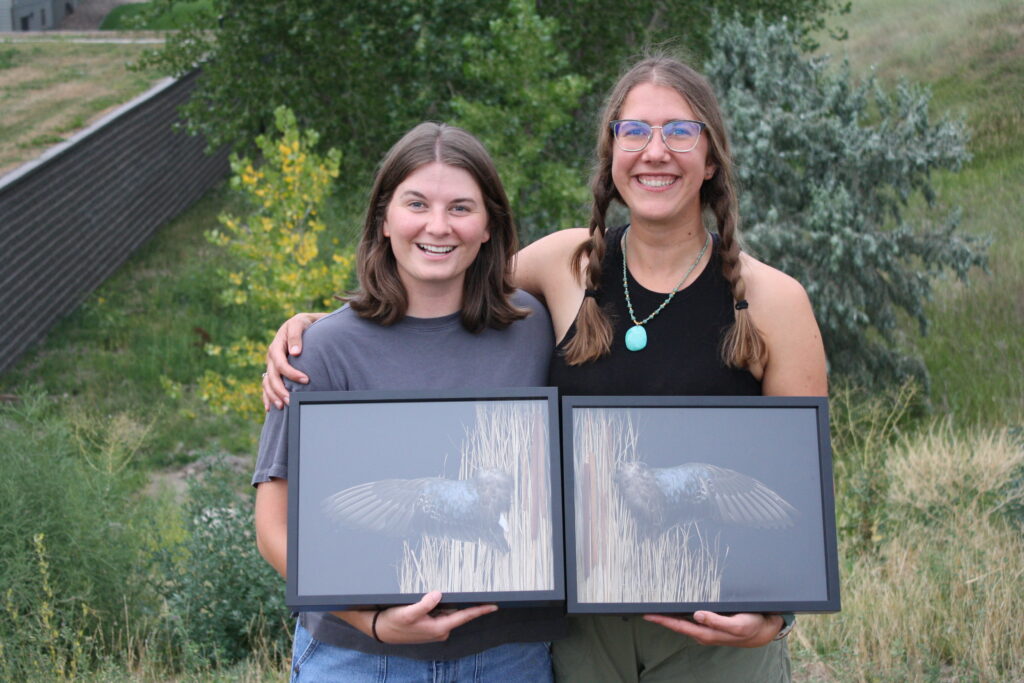
When The Wildlife Society launched its open call for art, we hoped to celebrate the many ways people connect with wildlife and conservation through artistic expression. What we received surpassed every expectation. To the artists who shared their creativity with us: thank you. The diversity of contributions has been truly…When The Wildlife Society launched its open call for art, we hoped to celebrate the many ways people connect with wildlife and conservation through artistic expression. What we received surpassed every expectation. To the artists who shared their creativity with us: thank you. The diversity of contributions has been truly remarkable. We received needlepoints, stained glass, photography, paintings, sculptures, carvings, sketches, ceramics, poetry, cartoons and countless other artistic expressions. The works reflected an incredible variety of species and landscapes, from familiar backyard wildlife to some of the world’s most iconic species. Just as meaningful were the stories behind the art. Many submissions reflected personal journeys, shared experiences, cherished memories and moments of discovery. Others carried powerful conservation messages or challenged us to contemplate our role as humans in the balance of nature. Some of the contributions came from established artists, but for many, this was the first time sharing their art publicly. Their willingness to be vulnerable and share a piece of themselves has enriched this project in ways that are difficult to express. As The Wildlife Society celebrates its 90 th anniversary, these works of art provide a fitting tribute to our shared legacy. They honor not only the species and landscapes we work to conserve but also the people whose passion sustains that work. I’d like to think that conservation visionaries such as Aldo Leopold and J.N. “Ding” Darling would be proud to see the creativity, stewardship and love for wildlife reflected in this collection. On behalf of The Wildlife Society, thank you for helping tell the story of wildlife through art. Your creativity has left a lasting impression, and we look forward to celebrating your contributions at The Wildlife Society’s 2026 Annual Conference. View the full art collection here . Article by Cameron J. Kovach
When the One Big Beautiful Bill Act was passed last year, its sheer size and complexity made it difficult to grasp the full scope of its consequences. Months later, the … Read more The post Oil and Gas Mandates Could Reshape Colorado’s Public Lands and Wildlife appeared first on The…When the One Big Beautiful Bill Act was passed last year, its sheer size and complexity made it difficult to grasp the full scope of its consequences. Months later, the … Read more The post Oil and Gas Mandates Could Reshape Colorado’s Public Lands and Wildlife appeared first on The National Wildlife Federation Blog.
The National Wildlife Federation was founded in 1936, largely by the will of hunters and anglers who were fed up with widespread habitat degradation, wildlife populations dwindling, and politicians who … Read more The post Securing Colorado’s Rich Outdoor Recreation: Amendment 83 appeared first on The National Wildlife Federation Blog.
Sometimes the best way wildlife can cope with the forces of climate change, habitat loss or pollution is by self-reliance. The term “evolutionary rescue” isn’t commonly used for larger wildlife and creatures—most people observe the process of rapid natural selection more often in pathogens or bacteria, said Laurinne Balstad, a…Sometimes the best way wildlife can cope with the forces of climate change, habitat loss or pollution is by self-reliance. The term “evolutionary rescue” isn’t commonly used for larger wildlife and creatures—most people observe the process of rapid natural selection more often in pathogens or bacteria, said Laurinne Balstad, a biologist at the University of British Columbia in Vancouver. But this process isn’t just microscopic, some researchers argue in a review published recently in Trends in Ecology and Evolution . It can also occur in plants and larger creatures. Laurinne Balstad In our latest Q&A, The Wildlife Society connected with Balstad, the first author of the recent review, to learn how the process might help wildlife managers and conservationists. Her responses were edited for brevity and style. What is evolutionary rescue? How does it work? Evolutionary rescue occurs when populations persist in changing or novel environments via evolutionary change. This could be the evolution of a new mutation or gene flow spreading alleles between populations or across species. In the case of a gradually changing environment, evolution allows the population to keep pace with change and avoid extirpation. Evolution restores the population growth rate, allowing the population to avoid extinction. We use the concept of avoiding extinction, rather than strict recovery to a historical baseline, to reflect the diverse demographic outcomes of populations following evolutionary rescue. Across types of environmental change, past theoretical work and the studies we reviewed emphasize that slower rates or less severe change increases the probability of evolutionary rescue. Why do some people question whether evolutionary rescue exists? The evidence for evolutionary rescue is strong across systems like bacteria and pathogens, but there is some hesitancy in applying it to larger, slower reproducing organisms that we’d normally be trying to conserve. This is because evolutionary rescue implies rapid evolution in response to a changing environment, which is generally more accessible for organisms with short generation times. Our work shows that evolutionary rescue is occurring in wild animal and plant populations, particularly in response to stresses like novel diseases and pollution. Of course, not all populations will be rescued, but actions like reducing the rate of environmental change and maintaining diversity can increase the likelihood of evolutionary rescue when relevant. What is an example of evolutionary rescue in the wild? Past reviews have suggested rabbits evolving tolerance to myxomatosis and crickets adapting new signals of sexual selection following an introduced parasite as two possible examples of evolutionary rescue. Our work adds to this by pointing out several new examples described in the past decade or so. I think two of the best animal examples we point out are killifish evolving tolerance to extreme pollution along the U.S. East Coast and various frog species evolving tolerance (or resistance, in some cases) to the Batrachochytrium dendrobatidis fungus that causes chytrid disease, allowing some populations to persist while other populations go extinct. How can evolutionary rescue fail? Quantifying something not happening is really difficult! To identify possible cases of failed evolutionary rescue, we looked for examples where researchers tried to show that with increased evolutionary capacity, such as higher heritability, evolution could have saved the population. Some of the most compelling examples of failed evolutionary rescue are yet to come under climate change. For example, several genomic and modeling studies have demonstrated that some coral populations can withstand slow rates of climate change but can’t keep pace with faster rates of change. If these populations are extirpated in the future, that would be an example of failed evolutionary rescue. What does evolutionary rescue mean for wildlife management? Are there implications for reintroduction and captive breeding? Part of our goal with this review was to recognize that evolutionary rescue is a probabilistic event: there are cases and actions where evolutionary rescue might be more or less likely to occur, but even when the probability is high, any single population might not be rescued. Using this more probabilistic framework around evolutionary rescue allows managers to consider the weight of the evidence for potential evolutionary rescue in a system alongside other pathways to population persistence, without needing to prove or disprove its existence. When evolutionary rescue might be more likely or where trait change is feasible and desired, we point out a range of interventions managers can consider to increase the likelihood of evolutionary rescue. Some interventions are broadly applicable and carry minimal risk, such as efforts to reduce environmental change, preserve potentially adaptive alleles, and maintain genetic diversity. Other interventions to enable evolutionary rescue can carry higher risk but might be more accepted when the alternative is extinction, like assisted gene flow or assisted evolution. Accounting for these risks via approaches like adaptive management, where there are clear on- and off-ramps for action, identification of core uncertainties, and implantation of risk management approaches, can help guide current and future actions. Article by Joshua Rapp Learn
Botanical gardens and arboretums offer numerous benefits to the public. Outside of just offering a beautiful and calming space to enjoy nature, they provide education and can even serve as … Read more The post Visit a Public Certified Wildlife Habitat® this Spring! appeared first on The National Wildlife Federation…Botanical gardens and arboretums offer numerous benefits to the public. Outside of just offering a beautiful and calming space to enjoy nature, they provide education and can even serve as … Read more The post Visit a Public Certified Wildlife Habitat® this Spring! appeared first on The National Wildlife Federation Blog.
For a pack of wolves, fresh roadkill can be mouth-watering. Scientists are using this appetite for carrion to their advantage to keep the predators away from ranchers’ cattle—especially during the season when wolves are the hungriest. Mexican wolves nearly went extinct in the 1900s, but wildlife biologists began to reintroduce…For a pack of wolves, fresh roadkill can be mouth-watering. Scientists are using this appetite for carrion to their advantage to keep the predators away from ranchers’ cattle—especially during the season when wolves are the hungriest. Mexican wolves nearly went extinct in the 1900s, but wildlife biologists began to reintroduce them to Arizona and New Mexico in the late 1990s. These efforts continue today—biologists have now started reintroducing the animals to parts of Mexico . As their population grows, so does the conflict with ranchers. Wildlife managers are using diversionary feeding to try to proactively reduce the burden on local ranchers who already operate in the margins and help a recovering wolf population at the same time. A group of Mexican wolves feed on a cache of carnivore logs. Courtesy of John Oakleaf/USFWS “Wolves are always trying to balance their need to survive with what’s the lowest-risk situation,” said Matt Hyde, a TWS member and postdoctoral researcher at the University of California, Berkeley. Diversionary or intercept feedings attract wolves away from livestock with an easy meal, like roadkill elk ( Cervus canadensis ) , removing the incentives for conflict before it happens. With a live cow or elk, they might get kicked in the head and die—but not with carrion. In a new study published in Animal Conservation, Hyde and his collaborators evaluated if this diversionary feeding actually worked to reduce the number of livestock killed by Mexican wolves ( Canis lupus baileyi ). Highs and lows of the Mexican wolf Humans persecuted Mexican wolves for decades in the early 20 th century, and by the 1950s, the wolves were all but lost. They were eliminated from their former range in Arizona, New Mexico and Texas, and only a small, struggling population in Mexico remained. But once authorities listed the wolves under the U.S. Endangered Species Act in the 1970s, the Mexican Wolf Recovery Program (MWRP), a collaboration of federal, state, Tribal and Mexican wildlife authorities, began a captive breeding program. In 1998, they released their first wolves into the wild. Since then, the population, which is concentrated in the Mexican Wolf Recovery Zone in Arizona and New Mexico, has grown to over 300. Some nonlethal wolf deterrents include flagging, like this fladry installed by the U.S. Fish and Wildlife Service at a ranch in New Mexico. Credit: Mexican Wolf Interagency Field Team Though the population is still small compared to historic numbers, the wolves are numerous enough to cause problems for local ranchers who graze their herds on public land. “These are huge, expansive rangelands,” Hyde said. “A lot of tools that might be practical in other areas, like electric fences or more human supervision, just aren’t practical [here].” Hyde noted that when it comes to predators, wildlife conflict management tools usually involve negative stimuli. Electric fences shock, beanbag rounds shot from guns bruise, and herdsmen scare the wolves away. “The animal has to balance the reward of killing the animal behind the fence with the fear of that fence,” he said. But the fear of repercussion only goes so far. In certain times of the year when prey is low and the pack is hungry—like when the wolves are denning and need to feed growing pups—the need for food may outweigh the risks. Offense, not defense In 2009, wildlife managers at the MWRP began diversionary feedings to try to reduce conflict with ranchers. They started their analysis in April, when denning season starts, and ended around May, fawning season for deer and elk, their natural prey. Once or twice a week during that six-week period, managers put roadkill elk or a horse sausage, which is commonly used to feed carnivores in zoos, in an area where wolves would likely find them. According to a 2024 count, there are at least 60 active Mexican wolf packs in Arizona and New Mexico, each of which has two collared animals as part of ongoing monitoring by the MWRP. Hyde and his team looked at movement data from 2014 to 2021 to see how well the diversionary feeding program was working. Hyde and his coauthors found that in the three months following diversionary feedings, the level of depredation by Mexican wolves on livestock dropped by 43%. They also found that before the feedings started, packs in areas with lower prey densities were more likely to prey on cattle. Smaller packs, too, were more likely to kill livestock. Potentially because larger, more powerful packs or even other carnivores stole their kills. A collared adult wolf is accompanied by three pups feeding on a cache. Credit: Mexican Wolf Interagency Field Team Hyde also found that in areas of less livestock density, there were more depredations, potentially because there was less surveillance. But he’s not as sure about these findings, as producers aren’t required to report livestock numbers in the western U.S. “We don’t have an accurate depiction of where livestock are at any one time,” he said. “That’s the great challenge of conflict mitigation.” Helping wolves, helping ranchers Hyde said that conflict will always be an issue with wolves and livestock. While there are compensation programs for losses, Hyde said they often don’t account for the full scope of ranchers’ losses. He said it’s important for wildlife managers to understand the impact of depredations on ranchers, especially when they operate on such small profit margins. Authorities can also kill problem wolves that depredate livestock again and again. But the wolves move around so much that it’s unpredictable how many heads of cattle a rancher might lose year to year. “Sometimes there might be one producer who loses 10 calves in one year, and then the next they don’t lose any,” Hyde said. Though it is not a “silver bullet” solution, Hyde said the diversionary feeding is a win-win for recovering, highly monitored populations: wildlife managers draw wolves away from areas where the risk of conflict is high, and the wolves get an easy meal to feed their pups. And there’s no risk for habituation, as wolves often scavenge the landscape for dead and cached animals. “I think the goal is to reduce their conflict as much as possible while also recovering the wolves,” he said. Article by Olivia Milloway
Debug Pest Control, a leading pest management provider serving Rhode Island, Massachusetts, and Connecticut, today announced the acquisition of Bee Smart Pest Control, a well-established pest control company based in East Hampton, Conn. This strategic acquisition strengthens Debug Pest Control’s footprint in Connecticut while enhancing service capacity and continuity for…Debug Pest Control, a leading pest management provider serving Rhode Island, Massachusetts, and Connecticut, today announced the acquisition of Bee Smart Pest Control, a well-established pest control company based in East Hampton, Conn. This strategic acquisition strengthens Debug Pest Control’s footprint in Connecticut while enhancing service capacity and continuity for Bee Smart’s loyal customer base. Bee […] The post Debug Pest Control expands with acquisition of Bee Smart Pest Control first appeared on Pest Management Professional.
Back to Resources The Public Lands Rule aimed to improve ecosystem resilience and modernize land management. Credit: Bureau of Land Management California The U.S. Bureau of Land Management has announced a final decision to roll back a rule that put conservation as an official “use” of public lands hat had…Back to Resources The Public Lands Rule aimed to improve ecosystem resilience and modernize land management. Credit: Bureau of Land Management California The U.S. Bureau of Land Management has announced a final decision to roll back a rule that put conservation as an official “use” of public lands hat had allowed for focus on ecosystem health and restoration. Under the Federal Land Policy and Management Act (FLPMA), the Bureau (BLM) must manage public lands for “multiple use and sustained yield” to the benefit of current and future generations. The BLM manages approximately 10% of the land area of the United States for the “use, occupancy and development” of public lands for multiple uses like mining, grazing and recreation. The BLM is tasked with ensuring the land is able to serve present and future generations. Roughly 140,000 public comments were submitted in September in response to the proposed rule . In the final ruling , officials said eliminating the 2024 rule was necessary because it “threatened to restrict productive use of the public lands and introduced uncertainty and unnecessary burdens in planning and permitting.” The BLM stated that full rescission of the public lands rule aligns the agency’s regulations with national energy policy, avoids unnecessary litigation risk and supports efficient, transparent management of public lands. The BLM also stated that this deregulatory action does not alter the agency’s authority under FLPMA to take management actions to conserve public lands and resources. Read the final decision in the Federal Register.
A team of experts is launching an ambitious effort to create the first comprehensive assessment of nature in the United States and is weaving the expertise of wildlife professionals into it. Carrying on work canceled under the Trump administration, The Nature Record, currently at 868 pages, brings together knowledge, storytelling…A team of experts is launching an ambitious effort to create the first comprehensive assessment of nature in the United States and is weaving the expertise of wildlife professionals into it. Carrying on work canceled under the Trump administration, The Nature Record, currently at 868 pages, brings together knowledge, storytelling and public participation to create a picture of nature across the nation. The Nature Record covers everything from marine ecosystems to how nature interacts with health and well-being, and the role it plays in local economies and community resilience. The Nature Record has invited people from across the country to help shape the national conversation on nature. “We need everybody’s voice in there,” said Phillip Levin, the director of The Nature Record. “If we’ve left something out that’s really important to someone, I think we’ve done a disservice, so we’d like to know that.” The Nature Record intends to help communities, businesses and policymakers make more informed decisions about conservation, development, climate resilience and economic planning. The birth of a nature assessment in the U.S. Levin was formerly part of The National Nature Assessment under the Biden administration. The National Nature Assessment is intended to be a comprehensive, first-of-its-kind evaluation of the status, trends and future of U.S. lands, waters and biodiversity. Starting in 2022, the National Nature Assessment was just beginning to work with federal agencies and begin the lengthy pursuit of summarizing the value of nature. When the Biden administration ended, The National Nature Assessment was terminated, but Levin and his team decided to carry on the work as The Nature Record. The Nature Record builds on the original assessments’ foundation, looking to make the biggest impact under new conditions. “When priorities changed, it was disappointing,” Levin said. “Even so, everybody involved with the project realized that what we were doing is really important. It was needed, and so we kept going.” “I Burn to Bloom, Listen” is a depiction of student Tiffany Lee as she flees her neighborhood during a wildfire. She said that in creating the piece, she was processing “what it meant to live through an inescapable fire that engulfed everything.” Credit: Tiffany Lee/Bow Seat: Creative Action for Conservation While new to the United States, several other countries, including the United Kingdom, Canada and Australia, have also developed national efforts to measure nature’s contributions to society. For example, the U.K. has The National Ecosystem Assessment , a peer-reviewed evaluation of nature and the benefits it provides. For Levin, the project reflects a broader shift in how he has thought about nature and conservation through time. After watching many of his study sites change and working to incorporate ecosystem thinking into the National Oceanic and Atmospheric Administration, he became increasingly interested in the reciprocal relationship between people and nature. The Nature Record is designed to demonstrate the ways that people shape nature and nature shapes people, capturing the connections while combining scientific knowledge with public participation. The new nature assessment On the publicly available website, people can preview 13 chapters of the assessment. Experts are synthesizing information from a variety of areas, from equity and environmental justice to terrestrial ecosystems of the United States. While some of the chapters are informational, about a third of the chapters are focused on solutions to modern environmental problems and success stories. The report covers the return of bald eagles ( Haliaeetus leucocephalus ), the decline of the use of DDT and the resilience of ecosystems after the eruption of Mt. Saint Helens. Levin and his team intend for it to be a shared record of how nature is doing, why it matters to people and what they or others are doing. “We want to feature success stories—what’s working, what’s broken, how do we fix it?” said Levin, who wants solutions on the ground to be more widely accessible. The public had the opportunity to click on each chapter and add comments as they read, weaving their expertise and lived experiences into the fabric of the report. By allowing for public participation, the team intended for The Nature Record to be as practical, relevant and valuable to people as possible. Through collaborations with other organizations, Levin and his team sought to convey why a holistic assessment of nature mattered. “Nature is the infrastructure for life. It shapes our health, shapes our water safety, our economy,” he said. The report is a living document that continues to grow. Translating the value of nature Levin and his team are also collaborating with some nontraditional partners to extend The Nature Record’s reach and convey the value of nature in new ways. By working with artists, writers and those engaged in the humanities, The Nature Record displays the way humans feel about the topics covered in the report. Inspired by Robert Swan’s quote, “The greatest threat to our planet is the belief that someone will save it,” student Nerissa Pan looked to highlight that nature is not separate from humans but rather a reflection of their choices. The student calls on viewers to “stop waiting and start acting.” Credit: Nerissa Pan/Bow Seat: Creative Action for Conservation For example, Poets for Science , a global community initiative exploring the connection between science and poetry, has worked with Levin and his team to capture the human emotions behind topics covered in the report, such as climate change, building an anthology called “ Nature of our Times .” The anthology was released prior to completion of the report. “[The poems] hold grief and gratitude, urgency and wonder. They don’t look away from what’s being lost, but they also refuse despair,” Levin said, describing the poems and the partnership as “life-changing.” Levin and his team are also working with Bow Seat: Creative Action for Conservation , the world’s largest environmental youth program for the creative arts, to capture their response to the themes in The Nature Record. “Seeing the responses to those prompts through the eyes of middle and high school students expressed as a painting—it’s pretty amazing they are giving it back to us through their eyes and hearts,” Levin said. By working together, the groups have realized how much they can learn from each other and expand their reach. Article by Kaylyn Zipp
Disclaimer: Early release articles are not considered as final versions. Any changes will be reflected in the online version in the month the article is officially released. Wild Mice and Shrews as Natural Reservoirs of Emerging Tickborne Yezo Virus, Hokkaido, Japan, 2023–2025 Author affiliation: Hokkaido University International Institute for Zoonosis…Disclaimer: Early release articles are not considered as final versions. Any changes will be reflected in the online version in the month the article is officially released. Wild Mice and Shrews as Natural Reservoirs of Emerging Tickborne Yezo Virus, Hokkaido, Japan, 2023–2025 Author affiliation: Hokkaido University International Institute for Zoonosis Control, Sapporo, Japan (M. Ito, Y. Ohari, I. Kojima, Y. Mimura, K. Mizuma, J. Li, E. Fujii, Y. Orba, K. Matsuno); Hokkaido University Graduate School of Environmental Science, Sapporo (H. Torisu, T. Sakiyama, H. Mieda); Tokai University Graduate School of Biology, Sapporo (S. Kamiyama, K. Kawai); Sapporo Maruyama Zoo, Sapporo (N. Matsumoto, N. Iijima); Hokkaido University Institute of Low Temperature Science, Sapporo (S.D. Ohdachi) Suggested citation for this article Abstract We screened 420 wild small mammals and 2,273 ticks for infections with an emerging tickborne orthonairovirus, Yezo virus, during 2023–2025 in Hokkaido, Japan. We detected virus in mice, shrews, and ticks that were closely related. Apodemus spp. mice and Sorex spp. shrews were identified as potent natural reservoirs of Yezo virus. Yezo virus (YEZV) is an emerging tickborne orthonairovirus initially identified in febrile patients after a tick bite in Hokkaido, Japan ( 1 ). Since the first report in 2021, YEZV infections in humans have been reported from Hokkaido, northeastern China, and Russia ( 2 – 5 ). Despite its public health significance, our understanding of YEZV circulation in nature remains limited. In previous studies ( 1 , 6 , 7 ), we demonstrated that raccoons ( Procyon lotor ), tanukis ( Nyctereutes procyonoides ), and sika deer ( Cervus nippon ) possess antibodies against YEZV, suggesting YEZV circulation in the field. However, the vertebrate reservoirs remain unidentified. In contrast, among several tick species in YEZV-endemic regions, Ixodes spp. ticks are suspected to play crucial roles in the pathogen’s circulation and transmission to humans ( 3 , 7 – 9 ). Given that larval and nymphal Ixodes spp. ticks mainly infest small mammals in Hokkaido ( 10 ), we hypothesized that those animals serve as natural reservoir hosts of YEZV. This study reports YEZV infection status and the phylogenetic relationships of YEZV in 3 taxonomic groups of native small mammals in Hokkaido: mice (order Rodentia, family Muridae, genus Apodemus ), voles (order Rodentia, family Cricetidae, genus Craseomys and Clethrionomys ), and shrews (order Eulipotyphla, family Soricidae, genus Sorex ) ( 11 , 12 ). We captured small mammals at 14 sites across Hokkaido in 2023 and 2025 ( Appendix Figure). We identified the species of animal on the basis of morphologic features ( 11 ) and confirmed species by sequencing the mitochondrial genome (data not shown). We collected liver, spleen, lung, heart, kidney, brain, and serum samples of trapped animals. All animal experiments were approved by the Animal Care and Use Committee of Hokkaido University (approval nos. 23-0063, 23–0178, and 25-0119). Permission to capture wild mammals was obtained from the Hokkaido Government. We captured a total of 420 wild small mammals, consisting of 252 mice ( Apodemus argenteus and A. speciosus ), 121 voles ( Craseomys rufocanus and Clethrionomys rutilus ), and 47 shrews ( Sorex caecutiens , S. gracillimus , and S. unguiculatus ). We collected serum samples from 199 animals and screened them for YEZV-specific antibodies by ELISA ( 1 ). Of the 199 serum samples, 14 (7.0%) samples were positive for YEZV antibodies ( Table 1 ). The seroprevalence was not statistically different between mice and voles (p = 0.561 by Fisher exact test). We screened liver samples from all 420 animals for YEZV small (S) segment RNA using real-time quantitative reverse transcription PCR (qRT-PCR) ( 8 ). We detected YEZV RNA in 16 samples from mice and shrews, whereas all voles tested negative ( Table 1 ). RNA detection rates in mice and shrews were significantly higher than those in voles (p = 0.038 [mice] and p = 0.004 [shrews] by pairwise comparison using Fisher exact test with Holm adjustment). Among the 199 individual animals tested by both real-time qRT-PCR and ELISA, 6 were RNA-positive/antibody-negative, 4 were RNA-positive/antibody-positive, and 10 were RNA-negative/antibody-positive, reflecting different stages of infection. Figure 1 Figure 1 . RNA copy numbers and viral titers in organs of wild small mammals in study of wild mice and shrews as natural reservoirs of emerging tickborne Yezo virus, Hokkaido, Japan, 2023–2025.... We further quantified the amount of S, medium (M), and large (L) segment RNA in the 16 viral RNA-positive samples using the following primers and probes: for the M segment, forward primer 5′-TGGAGTCAAGGGCTGTTATG-3′, reverse primer 5′-CACCAGGCATTTACCTCTACTT-3′, and probe 5′-/56-FAM/TAAGCAGGC/ZEN/TGACATGGAGCCTTT/3IABkFQ/-3′; for the L segment, forward primer 5′-CTCAACCTGCTTCCAACCTATC-3′, reverse primer 5′-GGTGTAAAGCCCAACATCCT-3′, and probe 5′-/5Cy5/CCAAGGAAG/TAO/CACACAGATGGGTACA/3IAbRQSp/-3′. The copy numbers of the S segment RNA were consistently higher than those of the M and L segment RNA ( Figure 1 , panel A). Of note, all 5 shrews tested positive for all 3 segments, whereas only 2 of the 11 mice were positive for all 3 segments, suggesting that the mode of viral replication differs between mice and shrews. To confirm production of infectious virions, we attempted virus isolation using the 16 liver samples that tested positive for viral RNA ( Table 2 ). We intraperitoneally inoculated AG129 mice, which showed higher susceptibility to YEZV infection than did cell lines ( 1 , 4 ), with each sample. Subsequently, we inoculated the serum and liver samples of AG129 mice to ISE6 cells. Finally, we successfully isolated YEZV from liver samples from HAs25-107 ( A. speciosus mouse) and HSg23-013 ( S. gracillimus shrew). To investigate the systemic infection and tissue tropism of YEZV in those wild mammals, we quantified RNA copy numbers and infectious titers in the serum and internal organs ( Figure 1 , panels B–E). We detected viral RNA in all examined organs except for the brain. Consistent with the RNA copy numbers, we did not detect infectious virus in the serum of HAs25-107 and multiple organs of both animals; the highest virus titers and RNA copy numbers were in the liver. In 2025, ticks were also collected by a flagging method at the same sites where small mammals were captured for this study to examine local transmission cycles. Of the 2,286 ticks collected, 2,273 ticks were pooled into 288 samples and screened by real-time qRT-PCR ( 8 ). A total of 7 pools tested positive for YEZV RNA ( Table 2 ). Figure 2 Figure 2 . Phylogenetic tree of Yezo virus from study of wild mice and shrews as natural reservoirs of emerging tickborne Yezo virus, Hokkaido, Japan, 2023–2025. Tree was constructed based on the nucleotide... To examine the relationship among YEZV infections in mammals and ticks, we determined complete coding sequences for the S (n = 7), M (n = 5), and L (n = 5) segments from small mammal samples and for the S (n = 2), M (n = 1), and L (n = 1) segments for Ixodes persulcatus tick pools ( Table 2 ). The sequences of YEZV isolates obtained from small mammals and questing ticks in this study shared high identity with previously reported sequences from human patients and ticks collected from humans and birds in Japan (93.2%–100.0% at the nucleotide level and 99.0%–100.0% at the amino acid level) ( Appendix Tables 1–3). Phylogenetic analysis based on those sequences demonstrated that most YEZV isolates from small mammals and ticks clustered with isolates from Japan ( Figure 2 ). Some sequences from the same sampling sites (i.e., isolates HSg23-005 and HSc23-012 and isolates HIpe24-390 and HAs25-201) formed site-specific clusters with high identity (>99.9% at the nucleotide level) ( Appendix Tables 1, 3). In contrast, isolates HSc23-012 and HSg23-013 from the same site belong to phylogenetically distinct clusters ( Table 2 ; Figure 2 ). One isolate (HAa25-262) from an A. argenteus mouse clustered with isolates reported in China rather than with isolates from Japan. This study identified Apodemus spp. mice and Sorex spp. shrews as natural reservoir hosts for YEZV and confirmed local circulation of the virus in Hokkaido, Japan. Systemic infection with viremia indicates that wild mice and shrews serve as a source of infection for feeding ticks, which might subsequently transmit the virus to humans. In contrast, all the liver samples of voles ( Cr. rufocanus and Cl. rutilus ) were negative for viral RNA despite showing seropositivity comparable to mice, implying that voles contribute less to YEZV circulation. The cocirculation of the diverse isolates at local sites suggests the frequent movement of YEZV within Hokkaido as well as between Hokkaido island (Japan) and Eurasia (China and Russia). Given that wild mice and shrews have small home ranges ( 13 ), YEZV is likely dispersed by highly mobile species, such as migratory birds ( 8 , 9 ). In addition, because those shrew and mouse species and their close relatives, together with Ixodes ticks, are also distributed in areas considered as nonendemic for YEZV, such as the Korean Peninsula and the main island of Japan (Honshu) ( 11 , 12 ), YEZV might be more widely distributed than currently recognized. Our findings provide critical insights into the ecology of YEZV and highlight the need for efficient epidemiologic surveillance for this virus. Mr. Ito is a PhD student in the Division of Risk Analysis and Management, International Institute for Zoonosis Control, Hokkaido University. His primary research interest is the ecology of tickborne viruses. Top Acknowledgments We thank Norikazu Isoda, Asako Shigeno, and Aiko Ohnuma for their technical assistance. We are also grateful to Wakana Kajihara, Maya Ohdachi, Natsuki Makino, Kota Kitagawa, Ryo Kamada, and Sotaro Sarudate for their coo
New AI models may allow scientists to monitor pollinator populations without killing bees in the process. Studies of pollinators have traditionally relied on lethal traps to identify species and obtain accurate population counts. However, ecologists at the University of Massachusetts Amherst have found another, non-deadly way to collect data on…New AI models may allow scientists to monitor pollinator populations without killing bees in the process. Studies of pollinators have traditionally relied on lethal traps to identify species and obtain accurate population counts. However, ecologists at the University of Massachusetts Amherst have found another, non-deadly way to collect data on pollinators based on their sound, according to a study recently published in Approaches in Entomology: Methods, Philosophies, and Ethics. The researchers built two models using convolutional neural networks—a type of artificial intelligence mainly used for processing data like images or sounds—to detect pollinators from audio recordings in the field. The first model measures overall bee activity, while the second distinguishes honeybees from bumble bees. The models were trained on 594 field recordings collected over five years from 43 sites across the northeastern U.S. They achieved high precision rates, correctly identifying 93% to 97% of bees in a sample. They were also highly correlated with researchers’ visual observations in the field. Since scientists can only identify many bees under a microscope, the new models are not meant to entirely replace traditional lethal traps. However, they add to the diversity of tools available to researchers to study pollinator populations and open new opportunities for monitoring in areas difficult for researchers to sample. Read more from University of Massachusetts Amherst News.