Bat Removal Round Rock AAAC Wildlife Removal of Austin presents this SoundCloud playlist about professional bat removal in Round Rock, TX. Round Rock’s warm climate, mature trees, creeks, parks, and abundant insects create favorable conditions for bats. While bats are beneficial to the environment, they may cause problems when they…Bat Removal Round Rock AAAC Wildlife Removal of Austin presents this SoundCloud playlist about professional bat removal in Round Rock, TX. Round Rock’s warm climate, mature trees, creeks, parks, and abundant insects create favorable conditions for bats. While bats are beneficial to the environment, they may cause problems when they enter attics, walls, chimneys, and other parts of a building. Throughout this playlist, listeners can learn about common signs of a bat infestation. These may include scratching or squeaking noises, bats flying near the roofline at dusk, dark stains around entry points, unpleasant odors, and piles of guano. Bats can enter through small gaps around soffits, vents, fascia boards, flashing, roof edges, and utility openings. AAAC Wildlife Removal of Austin uses humane bat exclusion methods customized to each property. Our wildlife specialists can inspect the building, identify active entry points, check for dependent young, and install one-way devices that allow bats to leave safely. After the bats are gone, accessible openings can be sealed to help prevent them from returning. If you need reliable bat removal in Round Rock, Texas, contact AAAC Wildlife Removal of Austin. Our services may also include guano removal, sanitation, odor control, wildlife damage repair, and attic restoration. Listen to this playlist to understand how professional bat removal and exclusion can help protect your home or commercial property. More on Sound Cloud: https://soundcloud.com/aaac-wildlife-removal/sets/squirrel-removal-round-rock On YouTube: AAAC Wildlife Removal of Austin offers professional bat removal services in Round Rock, Texas. Contact Us: AAAC Wildlife Removal of Austin 512-598-5162 Website: https://austin.aaacwildliferemoval.com/ Email: austin@aaacwildliferemoval.com Find us around the web: YouTube: Facebook: Twitter: SoundCloud: Blogger: WordPress: Tumblr:
“Chocolate, avocados, onions, and moldy foods are some of the most poisonous items you can leave out for squirrels. Even small amounts of these everyday ingredients can cause serious health issues—or be fatal—for these sensitive rodents.” Squirrels may look harmless scampering across your fence or chasing each other up a…“Chocolate, avocados, onions, and moldy foods are some of the most poisonous items you can leave out for squirrels. Even small amounts of these everyday ingredients can cause serious health issues—or be fatal—for these sensitive rodents.” Squirrels may look harmless scampering across your fence or chasing each other up a tree, but when they show up in your attic or tear through your garden, that charm disappears fast. In leafy neighborhoods where parks are close by and backyard bird feeders are everywhere, it’s no surprise that squirrels are regular visitors—and sometimes uninvited tenants. While many people enjoy watching them or even tossing out food, what you leave behind can actually be dangerous to squirrels—and a bigger headache for you without proper squirrel control . This article isn’t about harming wildlife. It’s about knowing what food is poisonous to squirrels so you don’t accidentally invite them in or make them sick. If you’ve been leaving out scraps, filling feeders, or composting without thinking twice, there’s a good chance you’re creating a squirrel buffet without even realizing it. Let’s break down what to avoid, what to secure, and how to protect both your home and the squirrels from a bad encounter. What Is The Most Dangerous Foods for Squirrels? Chocolate and Caffeinated Products Chocolate is one of the most toxic substances you can accidentally leave out for squirrels or any rodent. It contains theobromine—a stimulant that these small animals can’t metabolize effectively. Just a small amount from a brownie, chocolate almond bar, or sugar-filled candy can trigger tremors, elevated heart rate, or seizures in squirrels. Since they have such fast metabolisms and tiny bodies, the toxic effects hit hard and fast, often with serious consequences. Caffeinated foods and drinks are equally dangerous. Coffee grounds , soda spills, or chocolate-covered espresso beans tossed into a compost pile can be life-threatening if a squirrel gets into them. Where outdoor parties and backyard BBQs are common, it’s easy for sugary or caffeine-rich snacks to end up where rodents roam. To keep squirrels safe and your property clear of unwelcome visitors, make it a habit to clean up thoroughly and store all sweet or stimulant-laced foods securely. Avocados Avocados contain persin, a fungicidal toxin found in the fruit’s skin, pit, and even its leaves. While persin might not harm humans, it can be toxic to many animals, including squirrels. The risk isn’t just in eating an avocado—squirrels that nibble on a discarded peel, chewed seed, or exposed pit can experience digestive issues or worse. What makes this even more concerning is how easily avocado waste can be overlooked, especially in compost bins. If you’re growing avocado trees or preparing guacamole from scratch, this is something to stay mindful of. As urban farming and composting become more popular, the risk of accidentally exposing squirrels to this toxic fruit increases. Make sure avocado scraps are properly sealed or discarded, and if you have a tree, regularly clear fallen fruit from the yard. It’s better to be safe than to unknowingly poison a local animal. Onions, Garlic, and Spicy Foods While these aromatic kitchen staples may keep your chili full of flavor, they spell serious trouble for squirrels. Onions and garlic contain compounds that can damage red blood cells, leading to anemia and other health complications. The danger extends to cooked dishes, too. If a squirrel gets into leftover food seasoned with garlic or onions, even in small amounts, it can suffer lasting effects. In worst cases, repeated exposure can be fatal over time. Spicy foods also pack a punch that squirrels can’t handle. Hot sauce remnants, chili powder, or discarded tacos can cause severe digestive distress. Where spicy dishes are a staple, food waste often ends up in outdoor bins or compost piles. Make sure spicy scraps are stored in critter-proof containers, and avoid tossing seasoned leftovers near your patio or yard. The goal isn’t just to avoid harming squirrels—it’s to stop inviting them altogether. Alcohol and Fermented Fruit Alcohol might seem like an unlikely threat to wildlife, but squirrels are highly sensitive to it. Whether it’s beer spills from a tailgate, wine left out on the porch, or sugary cocktails left on patio tables, these drinks can lead to disorientation, slowed reaction time, and eventually liver failure in squirrels. Their small bodies can’t handle even trace amounts, and it doesn’t take much to put them in serious danger. Another sneaky culprit? Overripe or fermenting fruit, especially in backyards with peach, fig, or persimmon trees. As the fruit falls and begins to break down, it can release natural alcohols that attract squirrels and get them intoxicated. They may stagger, fall from trees, or become easy prey for predators. Regularly clean up fruit from the ground and keep alcoholic beverages secure during outdoor events. Salty Snacks and Chips Salt is another ingredient that can easily disrupt a squirrel’s internal balance. While humans can handle a salty snack during a football game or backyard hangout, squirrels don’t process salt well. Even a few bites of junk food like chips, pretzels, or salted walnut snacks can dehydrate them and overwork their kidneys. These types of treats also contain added sugar and artificial ingredients that offer zero nutritional value for squirrels—making them both harmful and useless from a dietary perspective. Many of these items—especially sugary breakfast cereals or processed snack mixes—are casually dropped or tossed outside without much thought. But to a hungry squirrel, that forgotten bowl of cereal or spilled trail mix is a full meal. Where outdoor events, food trucks, and weekend cookouts are part of the culture, squirrels quickly learn where the good stuff is. Cleaning up sugary crumbs and sealing snack waste tightly are easy steps that help discourage squirrels from turning your yard into their favorite buffet line. Surprising “Healthy” Foods That Still Poisonous To Squirrels Not all squirrel-dangerous foods are obviously harmful. Some look totally natural or even nutritious—but for squirrels, they can cause more harm than good. These foods often show up in gardens, bird feeders, compost piles, or well-meaning attempts to “feed the wildlife.” Here’s what to watch for. Raw Corn (Especially Moldy Corn) Corn might seem harmless—it’s a common ingredient in bird seed, livestock feed, and even human snacks. But when corn starts to mold, it can develop aflatoxins, which are highly toxic to squirrels and many other animals. Aflatoxins are produced by certain types of fungi and can affect liver function, immune systems, and even lead to cancer in wildlife. A squirrel doesn’t have to eat much moldy corn for it to cause serious internal damage. The risk goes up during warm, humid stretches—especially in summer—when moisture speeds up mold growth. Corn that’s left outside for too long, stored improperly in feeders, or tossed into compost piles can quickly become a hidden hazard. If you’re putting out corn in a feeder, store it in a dry place, change it frequently, and never offer anything that smells off or looks discolored. It’s not just about nutrition—it’s about safety. Bread and Processed Carbs Bread might feel like a safe, throwaway snack for critters—but it’s actually a poor and potentially harmful food choice for squirrels. Bread, crackers, and other refined carbs offer little to no nutrition, and they can expand in a squirrel’s stomach, leading to bloating or discomfort. In some cases, processed bread products contain preservatives and additives that are hard for squirrels to digest, weakening their system over time. Squirrels that eat too much bread often end up malnourished despite feeling full. This is especially common in neighborhoods where residents leave out food “just to be nice.” Unfortunately, the kindness backfires. Instead of helping, you may be attracting squirrels that grow dependent on an unhealthy food source—and more likely to take up permanent residence in your attic. If you want to be squirrel-friendly, stick to natural deterrents and avoid the bread basket. Peanuts (Especially Salted or Moldy) Peanuts are a bit of a wildcard. While they’re often seen in squirrel food blends or used to lure wildlife for photos, they aren’t actually nuts—they’re legumes. And when they’re salted, roasted, or worse, moldy, they become a serious risk. Moldy peanuts, like corn, can carry aflatoxins that attack a squirrel’s liver and immune system. Salted peanuts, on the other hand, can cause dehydration and kidney stress. This matters because many people use peanuts to feed birds or squirrels without realizing the risks. In fact, some birdseed mixes from big-box stores still include them. If you’re trying to keep squirrels away from your yard—or avoid poisoning them by accident—skip the peanuts. And if you must use them, go for raw, unsalted, and fresh, and use a squirrel-proof bird feeder so your effort to help one species doesn’t endanger another. Foods That Attract Squirrels (But Shouldn’t) Some foods might not be poisonous, but they’re basically neon signs saying “Free Snacks Here!” for squirrels. These attractants can lead to more frequent visits, nesting, and eventual infestations. If you’re trying to squirrel-proof your yard or keep them from invading your home, these are the items to manage carefully. Bird Seed and Pet Food Bird feeders are one of the top culprits for squirrel problems. Many blends contain sunflower seeds, millet, corn, and peanuts—aka squirrel candy. Once they find a reliable food source, squirrels will return again and again, sometimes destroying the feeder in the process. The same goes for pet food left outside. Dry kibble and wet food alike are high-protein, calorie-dense meals that squirrels will happily devour. Where backyard birdwatching is popular and outdoor pet bowls are commo
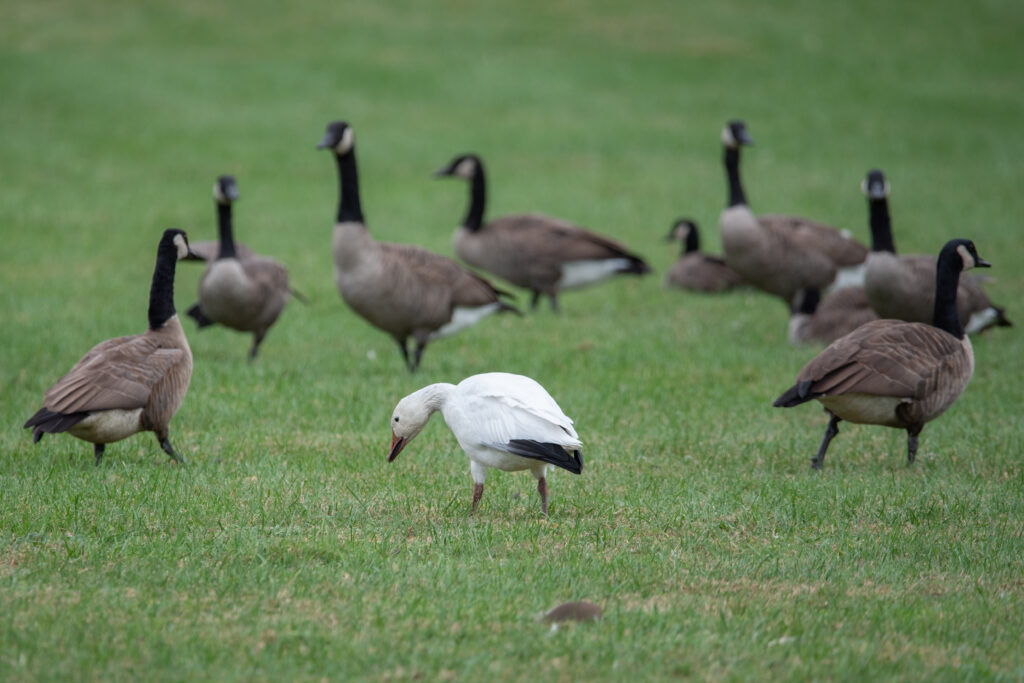
Center, Internet, Wildlife Damage Management TWS Wildlife Damage Management Working Group Newsletter: Winter 1999 - Volume 6(1) Date of this Version 1999 Document Type Article Abstract Forward -- Scott Craven; Next Edition Deadlines; 1999 Wildlife Damage Management Working Group Officers:; Tws 6th Annual Conference Working Group Sponsored Sessions; Proceedings Of…Center, Internet, Wildlife Damage Management TWS Wildlife Damage Management Working Group Newsletter: Winter 1999 - Volume 6(1) Date of this Version 1999 Document Type Article Abstract Forward -- Scott Craven; Next Edition Deadlines; 1999 Wildlife Damage Management Working Group Officers:; Tws 6th Annual Conference Working Group Sponsored Sessions; Proceedings Of The 18th Vertebrate Pest Conference Held March 2-5, 1998 In Costa Mesa, Ca Are Now Available; Announcing The Availability Of A New Publication And Video On Managing Urban Canada Geese; Wildlife Damage Management Around The World - Part 3; Application For Membership / The Wildlife Society DOWNLOADS Since November 09, 2010 COinS
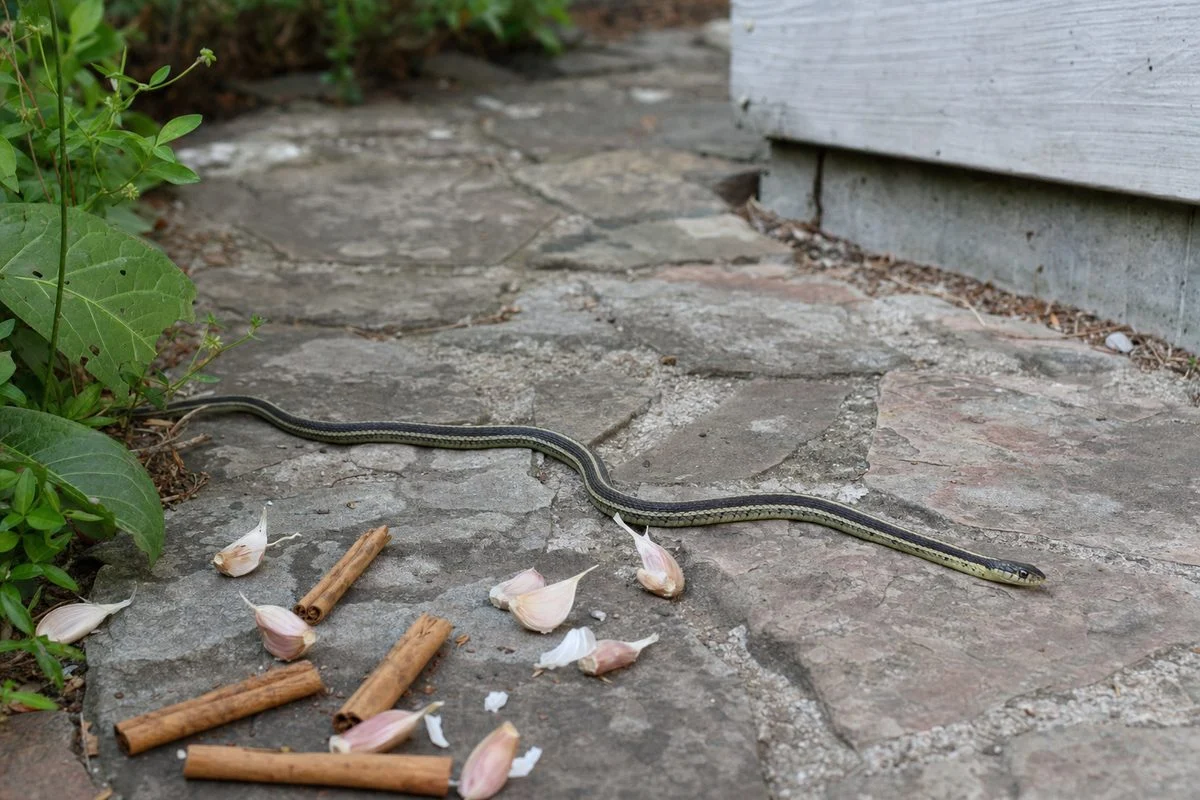
“ Snakes hate strong scents like garlic, cinnamon, clove, and citrus, which irritate their sensory system and make them avoid treated areas. “ Snakes don’t need to knock on your door to make themselves at home, and nothing makes that thought more unsettling than wondering how to keep them away.…“ Snakes hate strong scents like garlic, cinnamon, clove, and citrus, which irritate their sensory system and make them avoid treated areas. “ Snakes don’t need to knock on your door to make themselves at home, and nothing makes that thought more unsettling than wondering how to keep them away. Home remedies often pop up in conversations, with people swearing that certain smells are a snake’s kryptonite. Some of those claims are grounded in truth, while others are nothing more than myths passed around the neighborhood. The good news is that science does back up a few scents snakes find unbearable. The trick isn’t to turn your house into a spice cabinet, but to understand which smells actually irritate snakes and how to use them safely. That’s where AAAC Wildlife Removal steps in, to separate fact from fiction and show you how scent can be part of a smarter snake prevention plan. How Do Snakes Smell Anyway? Snakes don’t smell the way humans or pets do. Instead, they rely on a special organ called the Jacobson’s organ, located on the roof of their mouth, to process chemical particles from the air. When you see a snake flicking its tongue, it’s essentially “tasting” scent molecules and sending that information to this organ. This means strong odors can interfere with how snakes interpret their surroundings. Scents that irritate or overwhelm their chemical sensing can push them to avoid an area altogether. By understanding this unique system, it becomes clear why certain strong, pungent smells are more likely to keep snakes at bay. Snakes Avoid These Smells Ammonia and Naphthalene : These harsh chemicals overwhelm a snake’s sensory system, making the area uncomfortable. While effective at deterring snakes, they’re also dangerous to people, pets, and the environment, which makes them a poor long-term solution. Spices and Strong Oils : Garlic, onion, cinnamon, and clove give off intense odors that snakes dislike. These natural options irritate their chemical receptors and can be applied safely in controlled areas like gardens or near entry points. Citrus and Lemongrass : Bright, sharp fragrances such as lemon peels or lemongrass oil can make an area less attractive to snakes. These smells are offensive to them while being relatively pleasant for humans to use around the home. Snakes depend heavily on chemical cues for survival, so when those cues are disrupted by overpowering odors, they’re more likely to leave in search of a more comfortable habitat. Scent Strategies That Work (And Which to Skip) DIY Sprays : A simple mix of crushed garlic or boiled lemon peels in water can be sprayed near entry points and garden edges. This creates a lingering odor barrier without introducing toxic chemicals into your home. Spice Barriers : Sprinkling cinnamon, cayenne, or onion powder along baseboards, porch steps, or sheds can discourage snakes from crossing. Just remember to refresh the barrier after rain or heavy wind. Plant Power : Landscaping with natural deterrents like lemongrass, marigolds, or garlic adds a dual benefit. These plants not only brighten your yard but also give off scents snakes find irritating. Skip the Mothballs : While often recommended, mothballs contain chemicals harmful to people, pets, and soil. They’re not approved for outdoor snake control and can do more harm than good. Using scents the right way makes your property less comfortable for snakes, but they’re most effective when paired with other prevention tactics. Why Some Snakes Aren’t Bothered? Not every snake will react the same way to strong odors. Some species are less sensitive, while others may simply tolerate the smell if food or shelter is nearby. A hungry snake is more likely to ignore discomfort and stick around if it senses prey in the area. Over time, snakes can also become accustomed to mild scents if they linger without change. This is why rotating different natural deterrents can be more effective than relying on one smell alone. It keeps the environment unpredictable and less appealing for snakes to settle in. The takeaway is that while scents can help, they shouldn’t be the only strategy. Combining them with sealing entry points and removing attractants creates a much stronger defense against unwanted slithering guests. How AAAC Does It Smarter? At AAAC Wildlife Removal, we know scents can play a role in discouraging snakes, but we never rely on them alone. Our approach combines safe scent strategies with proven exclusion methods like sealing gaps, installing vent covers, and removing clutter that attracts both snakes and their prey. This creates a layered defense that actually works. We also focus on long-term results. A garlic spray or citrus barrier might buy time, but pairing that with rodent control, yard maintenance, and proper inspections ensures snakes don’t come back. Our trained technicians know how to identify high-risk areas and apply solutions that balance effectiveness with safety. By blending natural deterrents with professional-grade prevention, we help homeowners avoid the trial-and-error frustration of quick fixes. Instead, you get a clear, customized plan that keeps snakes out and your property secure. Smells Help, Smarts Win Snakes may hate sharp scents like garlic, citrus, and strong spices, but odors alone won’t keep them away for good. While these smells can make your property less appealing, the real key is pairing them with smart prevention steps such as sealing entry points, controlling rodents, and keeping the yard tidy. AAAC Wildlife Removal takes the guesswork out of the process by combining safe scent strategies with expert exclusion and long-term prevention. With the right balance of natural deterrents and professional solutions, you can keep snakes out without turning your home into a spice rack. Keep Snakes Away the Smart Way! Don’t rely on guesswork or risky home remedies to keep snakes at bay. AAAC Wildlife Removal offers safe, effective solutions that combine natural deterrents with professional prevention methods. From sealing entry points to applying smart scent strategies, our team knows how to protect your home and yard for the long term. Call AAAC Wildlife Removal today and take the stress out of snake control, because your home should smell like safety, not snake repellent.
Bats are the unsung heroes of our ecosystem, playing crucial roles that benefit us all. Hey there, nature lovers! Ever wondered why bats are so important? These little night-flyers might not get as much love as pandas or dolphins, but they’re just as crucial to our planet’s health. Picture this:…Bats are the unsung heroes of our ecosystem, playing crucial roles that benefit us all. Hey there, nature lovers! Ever wondered why bats are so important? These little night-flyers might not get as much love as pandas or dolphins, but they’re just as crucial to our planet’s health. Picture this: you’re enjoying a peaceful evening outdoors, free from the annoyance of buzzing mosquitoes. You can thank bats for that! These nocturnal superheroes are the unsung guardians of our ecosystems, and it’s high time we shed some light on their amazing contributions. Let’s dive into the world of bats and uncover why they truly matter, from pest control to pollination and beyond. Trust me, by the end of this article, you’ll see bats in a whole new light. Key Takeaways Bats contribute significantly to pest control and pollination. They play a vital role in maintaining healthy ecosystems. Bats have a surprising economic impact on agriculture. Bats as Natural Pest Controllers Alright, let’s get into one of the coolest superpowers bats have – natural pest control. Imagine a world where farmers didn’t have to rely so heavily on chemical pesticides. Sounds dreamy, right? Well, bats are making that dream a reality. These nocturnal ninjas are voracious eaters, especially when it comes to insects. Every night, a single bat can gobble up thousands of insects, including those pesky mosquitoes that love to ruin our summer evenings. But their diet isn’t just about making our BBQs more enjoyable. Bats play a crucial role in agriculture by keeping crop-damaging insects in check. Think about it: fewer bugs munching on crops means less need for chemical pesticides, which is a win for both farmers and the environment. Consider this – in the U.S. alone, bats save the agriculture industry an estimated $3.7 billion a year in pest control services. That’s a lot of cash saved just by letting bats do what they do best. And it’s not just about the money. Reducing pesticide use means healthier ecosystems, cleaner water, and safer food for us all. So, next time you see a bat zipping around at dusk, remember – it’s on a mission to keep our world a little bit greener and our lives a lot less buggy. These tiny pest controllers are a huge asset, silently working behind the scenes to maintain a balanced ecosystem and protect our crops. Who knew such small creatures could have such a big impact? Pollinators and Seed Dispersers Now, let’s talk about another superhero skill that bats possess – their role as pollinators and seed dispersers. You might be thinking, “Wait, bats do more than just eat bugs?” Absolutely! These night-time dynamos are also key players in keeping our ecosystems vibrant and diverse. First off, let’s chat about pollination. You might already know that bees and butterflies are great pollinators, but did you know that bats are too? Many bat species, especially in tropical and desert regions, are essential pollinators for a variety of plants. This includes some plants that produce fruits we love, like bananas, mangoes, and even the agave plant – yes, the one that gives us tequila. Imagine a world without these delicious fruits and, dare I say, tequila! It’s the bats who help keep these plants thriving by transferring pollen as they feed on nectar. But wait, there’s more. Bats also play a crucial role in seed dispersal. Many plants rely on bats to spread their seeds far and wide, promoting forest regeneration and biodiversity. When bats eat fruits, they fly off and later excrete the seeds in different locations, often far from the parent plant. This helps in the growth of new plants and maintains healthy, diverse ecosystems. Forests, especially rainforests, owe a lot to these flying gardeners who help plants colonize new areas and maintain genetic diversity. Imagine bats as the unsung gardeners of the night, working tirelessly to ensure our forests and gardens flourish. Without them, many plant species would struggle to survive, leading to less diverse and resilient ecosystems. Economic Benefits of Bats Alright, folks, let’s dive into the dollars and cents of why bats matter – the economic benefits. You might not think of these little creatures as financial powerhouses, but their contributions to the economy are nothing short of impressive. First up, pest control. As we mentioned earlier, bats are voracious insect eaters. By keeping pest populations in check, they provide a natural service that saves the agriculture industry billions of dollars each year. Fewer pests mean healthier crops and less reliance on expensive chemical pesticides. In the U.S. alone, bats save farmers an estimated $3.7 billion annually. That’s money that can be reinvested into sustainable farming practices, research, and even lower prices for consumers. It’s a win-win situation all around. Now, let’s talk about healthcare. Reducing the use of chemical pesticides, thanks to bats’ natural pest control, means fewer chemicals in our environment. This translates to cleaner water, healthier soil, and, ultimately, better health for humans and wildlife alike. Fewer chemicals in our food and water supply can reduce the risk of pesticide-related health issues, which can save on healthcare costs and improve overall well-being. Bats also boost local economies through tourism. Yep, you heard that right – bat tourism is a thing! Many regions around the world have turned their bat populations into tourist attractions. For example, the Congress Avenue Bridge in Austin, Texas, is home to the largest urban bat colony in North America. Every evening, thousands of tourists gather to watch the bats emerge at dusk, bringing significant revenue to the local economy through tourism-related spending on hotels, restaurants, and activities. This kind of eco-tourism not only educates people about the importance of bats but also supports local businesses. And let’s not forget about the indirect economic benefits. Bats play a crucial role in pollination and seed dispersal, as we discussed earlier. Healthy ecosystems with diverse plant and animal life contribute to the overall stability of our environment, which in turn supports agriculture, forestry, and fisheries. These industries rely on robust ecosystems to thrive, and bats are an integral part of that equation. Fascinating Bat Facts Ready to have your mind blown? Bats are not just essential for our ecosystems and economy; they’re also downright fascinating. Here are some cool bat facts that will make you appreciate these nocturnal marvels even more. Incredible Diversity There are over 1,400 species of bats, making them the second most diverse group of mammals after rodents. They range in size from the tiny bumblebee bat, which weighs less than a penny, to the giant flying fox, with a wingspan of up to six feet. This incredible diversity means that bats have adapted to a wide range of habitats and diets, showcasing nature’s creativity at its finest. Masters of Flight Bats are the only mammals capable of sustained flight. Unlike birds, bats have flexible wings with a thin membrane of skin stretched over elongated fingers. This unique wing structure allows for remarkable agility and maneuverability in the air, enabling them to catch insects on the fly and navigate through the darkest of nights with ease. Long Lifespan Despite their small size, bats can live surprisingly long lives. Some species of bats can live up to 30 years or more, which is quite impressive when you consider that most small mammals have much shorter lifespans. This longevity allows bats to play a consistent role in their ecosystems over many years. Echolocation Experts Many bats use echolocation to navigate and hunt in the dark. By emitting high-frequency sounds and listening for the echoes that bounce back from objects, bats can create a mental map of their surroundings. This remarkable ability allows them to detect even the smallest insects in complete darkness, making them highly efficient hunters. Social Creatures Bats are incredibly social animals. They often live in large colonies, sometimes numbering in the millions. These colonies can be found in caves, trees, buildings, and even bridges. Living in groups provides bats with safety in numbers and enhances their ability to locate food and mates. Important Pollinators As we’ve discussed, many bats are crucial pollinators. Without them, we’d have a hard time enjoying some of our favorite fruits and plants. In fact, some plants have evolved to bloom at night specifically to attract bat pollinators. These plants often have strong scents and large, pale flowers, making them easy for bats to find in the dark. Disease Fighters Bats play a role in controlling the spread of diseases. By consuming large quantities of insects, they help reduce the population of disease-carrying pests such as mosquitoes. This natural pest control helps lower the risk of diseases like malaria and West Nile virus, protecting both humans and animals. The Plight of Bats As much as we’ve celebrated the incredible awesomeness of bats, it’s time to talk about the challenges they face. Despite their many benefits and fascinating traits, bats are in trouble. Let’s delve into the major threats that are putting these vital creatures at risk. Habitat Loss One of the biggest threats to bats is habitat destruction. Deforestation, urbanization, and agricultural expansion are wiping out the natural habitats that bats depend on. Trees, caves, and other roosting sites are being destroyed, leaving bats with fewer places to live and breed. This loss of habitat not only reduces bat populations but also disrupts the ecosystems they help maintain. Disease Bats are susceptible to diseases, just like any other animal. One of the most devastating diseases affecting bats is White-Nose Syndrome (WNS), a fungal infection that has killed millions of bats in North America since it was first discovered in 2006. WNS causes bats to wake from hibernation frequently, depleting their
United States Department of Agriculture: Animal and Plant Health Inspection Service United States Department of Agriculture Wildlife Services: Staff Publications Accessibility Remediation If you are unable to use this item in its current form due to accessibility barriers, you may request remediation through our remediation request form . Kelly F.…United States Department of Agriculture: Animal and Plant Health Inspection Service United States Department of Agriculture Wildlife Services: Staff Publications Accessibility Remediation If you are unable to use this item in its current form due to accessibility barriers, you may request remediation through our remediation request form . Kelly F. Robinson , US Geological Survey, Georgia Fish and Wildlife Unit, Warnell School of Forestry and Natural Resources, University of Georgia, Athens GA Travis O. Brenden , Quantitative Fisheries Center, Department of Fisheries and Wildlife, Michigan State University, Lansing MI Alex Maguffee , Quantitative Fisheries Center, Department of Fisheries and Wildlife, Michigan State University, Lansing MI Charles R. Bronte , US Fish and Wildlife Service, Green Bay Fish and Wildlife Conservation Office, New Franken, WI Randall M. Claramunt , Michigan Department of Natural Resources Thomas R. Cooper , US Fish and Wildlife Service, Division of Migratory Bird Management Robin L. DeBruyne , USGS Great Lakes Science Center, Ann Arbor, MI Brian S. Dorr , US Department of Agriculture, Wildlife Services, National Wildlife Research Center, Mississippi State University MS James F. Farquhar , New York State Department of Environmental Conservation Jana R. Lantry , New York State Department of Environmental Conservation James R. Jackson , Cornell Biological Field Station, Cornell University, Bridgeport, NY David G. Fielder , Michigan Department of Natural Resources Rachel L. Pierce , US Fish and Wildlife Service, Division of Migratory Bird Managemen Doug Schultz , Michigan Department of Natural Resources ORCID IDs Kelly Robinson - 0000-0001-8109-9492 Travis Brenden - 0000-0002-4373-1503 Brian S Dorr - 0000-0001-6857-8560\ James Farquhar - 0000-0003-3388-612X David Fielder - 0000-0002-7278-986X Jana Lantry - 0000-0002-3310-7926 Document Type Article Date of this Version 9-2026 Citation Robinson, K.F., Brenden, T.O., Maguffee, A. et al. A decision analytic approach to hierarchical decisions for double-crested cormorant conflict resolution. Environ Syst Decis 46 , 81 (2026). https://doi.org/10.1007/s10669-026-10071-4 Abstract Double-crested cormorants ( Nannopterum auritum ) are piscivorous, migratory waterbirds that often conflict with fisheries interests in North America, stemming from depredation effects on fish populations. A new permitting process in the United States allows natural resource agencies to request permits for lethal take of cormorants in special instances like depredation of managed fish stocks. This rule does not include guidance for when cormorant take might be actionable. We developed a hierarchical structured decision making (SDM) framework for evaluating whether, when, and how much cormorant take might be necessary. A broad-scale, or “umbrella,” SDM framework established the overarching problem, objectives that likely are relevant for permitting decisions (i.e., minimizing loss of ability to harvest fish and sustaining cormorant presence on the landscape), and methods for evaluating the extent of management that might be necessary. A local-scale SDM process can then be applied for individual systems to determine the need for and magnitude of a permit request. We provide an example of such a local-scale SDM process for Brevoort Lake, Michigan, United States, where walleye ( Sander vitreus ) are sustained through stocking. We found that decisions for cormorant permitting on Brevoort Lake were influenced by uncertainties about the level of cormorant feeding on walleye, per capita level of daily cormorant consumption, number of days the cormorants spent feeding on the lake, and number of walleye stocked in the lake. This case study highlights the importance of uncertainty and risk in decisions for cormorant management, both of which can be accounted for more fully within the SDM framework. DOWNLOADS Since October 30, 2026 Included in Natural Resources and Conservation Commons , Natural Resources Management and Policy Commons , Other Environmental Sciences Commons , Other Veterinary Medicine Commons , Population Biology Commons , Terrestrial and Aquatic Ecology Commons , Veterinary Infectious Diseases Commons , Veterinary Microbiology and Immunobiology Commons , Veterinary Preventive Medicine, Epidemiology, and Public Health Commons , Zoology Commons COinS
Center, Internet, Wildlife Damage Management Newsletter of The Wildlife Society Wildlife Damage Management Working Group Interactions: Volume 14 Issue 1 Winter 2008 Date of this Version 2008 Document Type Article Abstract New Board Members Selected; Feel like You’ve Been There Before? Letters F Rom Art; New Publications: HWC Volume 2-1…Center, Internet, Wildlife Damage Management Newsletter of The Wildlife Society Wildlife Damage Management Working Group Interactions: Volume 14 Issue 1 Winter 2008 Date of this Version 2008 Document Type Article Abstract New Board Members Selected; Feel like You’ve Been There Before? Letters F Rom Art; New Publications: HWC Volume 2-1 Now Available; Call For Posters: 23rd Vertebrate Pest Conference; Decision 2007! Election Results - Meet the New Board Members; Calls From The Field (Or A House, Or A Farm, Or A…); 23rd Vertebrate Pest Conference San Diego California; 2008 National Conference On Feral Hogs; Call for Papers: 2008 National Conference on Feral Hogs; Call for Papers: Habitat and the Predation Process A Special Symposium at the 2008 TWS Meeting; Human-Wildlife Conflict In The News; Recent Wildlife Damage Management Research; The Wildlife Society Wildlife Damage Management Working Group; Upcoming Meetings, Conferences, And Events; DOWNLOADS Since November 09, 2010 COinS
Comments on photos entered in citizen science platforms like iNaturalist or eBird can carry useful information about wildlife interactions that aren’t necessarily recorded in the metadata. Now, researchers are using artificial intelligence to quickly sort through photos, finding those online conservations likely to contain information useful to ecologists. “In many…Comments on photos entered in citizen science platforms like iNaturalist or eBird can carry useful information about wildlife interactions that aren’t necessarily recorded in the metadata. Now, researchers are using artificial intelligence to quickly sort through photos, finding those online conservations likely to contain information useful to ecologists. “In many cases, species interactions require direct observation, and that’s really hard to come by simply because you can’t keep a lot of people in the field monitoring the same patch of an ecosystem for 24 hours a day, seven days a week,” said Hengxing Zou, a postdoctoral researcher at the University of Michigan during this research, in a press release. In a study , published recently in the Proceedings of the National Academy of Sciences , the team mined iNaturalist comments for data about the interactions between West Coast lady ( Vanessa annabella ) butterflies and plants in California and Mexico. They also examined comments in eBird to learn more about interactions between birds in Michigan. The team used Claude and ChatGPT to successfully extract comments and useful information on both topics. “There’s definitely a lot more information that could be recovered from these kinds of comments, in addition to species interactions,” Zou said. Read more at Earth.com .
The Journal of Wildlife Management is a benefit of membership in The Wildlife Society. Published eight times annually, it is one of the world’s leading scientific journals covering wildlife science, management and conservation, focusing on aspects of wildlife that can assist management and conservation. Join today for access to The…The Journal of Wildlife Management is a benefit of membership in The Wildlife Society. Published eight times annually, it is one of the world’s leading scientific journals covering wildlife science, management and conservation, focusing on aspects of wildlife that can assist management and conservation. Join today for access to The Journal of Wildlife Management and all the other great benefits of TWS membership. In the featured article for this issue, researchers looked at the effect of restoring forests in old coal mines on frogs and toads in Kentucky and West Virginia. They found that these sites had increased species richness. Other articles in this issue address private landowners’ perspectives on managing feral swine, the effects of construction material on turtles, the effects of feral horses on native ungulates in British Columbia and more. Log in to read the April issue today.
Across Michigan, Ohio, New York, and Missouri, students are discovering that sustainability is more than an environmental responsibility—it’s an opportunity to become scientists, engineers, problem-solvers, and leaders. For 11 years, … Read more The post Growing Tomorrow’s Environmental Leaders appeared first on The National Wildlife Federation Blog.
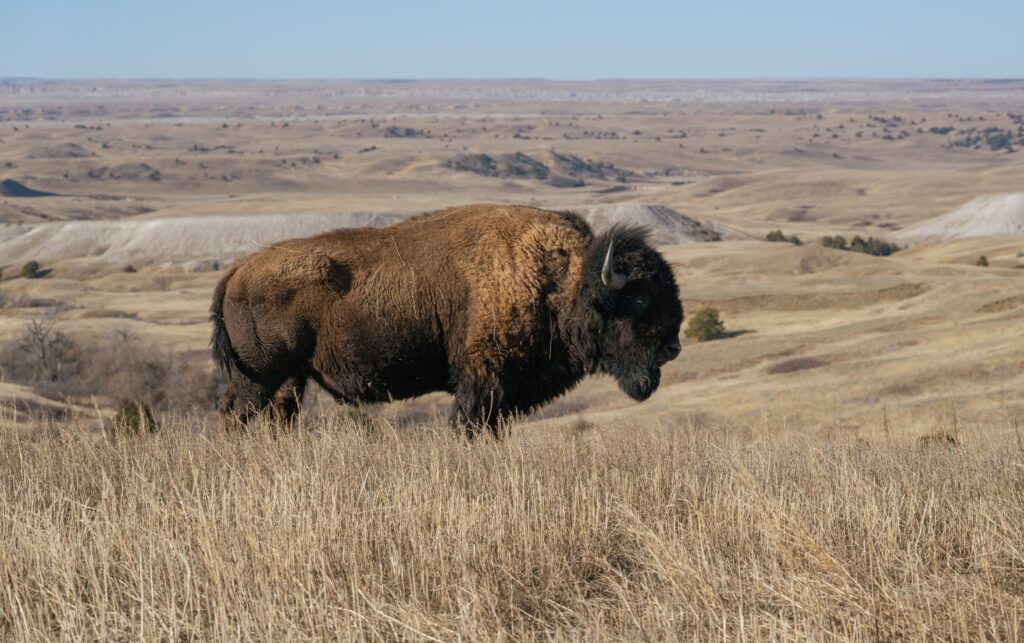
A federal judge has stalled efforts by the Trump administration to remove hundreds of bison from federal public lands in Montana. Earlier this year, the U.S. Bureau of Land Management (BLM) withdrew permits that allowed American Prairie, a conservation organization, to graze bison on federal lands. In a sudden reversal…A federal judge has stalled efforts by the Trump administration to remove hundreds of bison from federal public lands in Montana. Earlier this year, the U.S. Bureau of Land Management (BLM) withdrew permits that allowed American Prairie, a conservation organization, to graze bison on federal lands. In a sudden reversal of its long-standing policy, the agency argued that the animals counted as wildlife rather than “production-oriented” livestock. In addition to retracting existing permits, the BLM issued new grazing regulations that could prevent future permits for grazing bison on public land. American Prairie, which has worked for over two decades to restore bison to public and private lands in Montana, filed a lawsuit in August challenging the BLM’s cancellation of its bison grazing permits. In a win for the organization, U.S. District Judge Brian Morris issued a preliminary injunction and temporary restraining order, describing the BLM’s decision to exclude American Prairie’s bison from federal grazing permits as “arbitrary, capricious, an abuse of discretion and otherwise not in accordance with the law.” The federal judge’s order is restricted to the three federal grazing allotments where American Prairie’s bison currently graze. The ruling also leaves the BLM’s new grazing regulations unchanged regarding future permits for bison grazing while American Prairie’s full lawsuit is heard. Read more at Public Domain .
The Global Pest Management Coalition (GPMC) today announced the theme for World Pest Day 2026: Defending Health Across Borders: The Global Power of Pest Management. This year’s theme celebrates the unified mission of the global pest management industry and marks a milestone occasion — the 10th anniversary of World Pest…The Global Pest Management Coalition (GPMC) today announced the theme for World Pest Day 2026: Defending Health Across Borders: The Global Power of Pest Management. This year’s theme celebrates the unified mission of the global pest management industry and marks a milestone occasion — the 10th anniversary of World Pest Day, observed annually on June […] The post World Pest Day theme announced: Defending health across borders first appeared on Pest Management Professional.
Back to Resources Established forested buffer zones help conserve sensitive riparian areas. Credit: USDA A global study has revealed that forested land around rivers known as riparian buffers play a significant role in protecting wildlife. The researchers examined intact forests alongside rivers with streamside areas converted to other uses and…Back to Resources Established forested buffer zones help conserve sensitive riparian areas. Credit: USDA A global study has revealed that forested land around rivers known as riparian buffers play a significant role in protecting wildlife. The researchers examined intact forests alongside rivers with streamside areas converted to other uses and found that natural, vegetated riversides consistently supported 32% more species on average. They also found that the amount of required forest varied depending on the species, with birds and mammals requiring 200-380 meters of forest on each side of the river, while invertebrates only required 6-50 meters. The authors found that 23 of 30 countries with high forest loss do not have national-level policies to protect riparian buffers as a strategy for biodiversity conservation, despite their importance. In North America, Mexico has federally mandated riparian zone protections, while the U.S. and Canada do not. The results suggest that forested zones around rivers may be important to conserve and promote as humans continue to modify the landscape. Read more in Nature Communications.
WHEN October 7, 2026 @ 6:00pm–7:30pm EDT JOIN https://us06web.zoom.us/meeting/register/MVFR6JW1QR2WiLXg0ajPCw How do you engage in policy in a way that actually leads to tangible results? Join a panel of wildlife professionals for a candid conversation about ways to engage in policy and learn the processes for influencing legislation. Panelists will share…WHEN October 7, 2026 @ 6:00pm–7:30pm EDT JOIN https://us06web.zoom.us/meeting/register/MVFR6JW1QR2WiLXg0ajPCw How do you engage in policy in a way that actually leads to tangible results? Join a panel of wildlife professionals for a candid conversation about ways to engage in policy and learn the processes for influencing legislation. Panelists will share their experiences in policy and how they have shaped the careers that they are in now. They will also provide practical advice for wildlifers interested in policy careers. Moderators : Moed Gerveni, Public Policy Graduate Student Emily Williams, Student Liaison to TWS Council & Student Development Working Group Chair Kelly O’Connor, TWS Conservation Policy Manager Panelists : (all previous TWS policy interns) Cassi Ferri, Legislative Analyst, Defenders of Wildlife Charlie Booher, Consultant, Watershed Results Lindsay Martinez, Research Program Coordinator, East Foundation Tom Klein, Policy Associate, National Conference of State Legislatures Bios : Moed Gerveni is a wildlife conservation professional with field and research experience primarily with birds. More recently, he has transitioned into advocacy and government relations, focusing on translating conservation science into public policy. His areas of interest are sound habitat management and increased conservation funding at all levels of government. Cassi Ferri specializes in the Endangered Species Act. She supports Defenders of Wildlife’s federal congressional advocacy efforts through coalition work, direct lobbying and grassroots mobilization. Prior to joining Defenders in February 2024, Cassie interned at Environmental Defense Fund, where she focused on tropical forest conservation and indigenous land tenure in the Brazilian Amazon. Previously, she had served as The Wildlife Society’s policy intern. She has also worked as a field technician researching imperiled Seaside Sparrows and Saltmarsh Sparrows in New Jersey’s salt marshes. Cassie holds a B.Sc in Wildlife Ecology from the University of Maine and an M.Sc in Environmental Science and Policy from Northeastern University. Charlie Booher specializes in natural resource conflict resolution. He has the great privilege of representing some of this country’s oldest, largest, and most generous conservation organizations in Helena, Montana and in Washington, D.C. Charlie is an Associate Wildlife Biologist®, a Professional Member of the Boone and Crockett Club, and an occasional outdoor writer. Outside of the office, you can find him hiking in the mountains of Western Montana and re-learning how to hunt and fish in the Northern Rockies. Lindsay Martinez supports research and conservation projects for species of conservation concern across East Foundation’s private cattle ranches in deep South Texas. Martinez is originally from Great Falls, Montana, studied Ecology and Evolutionary Biology at Princeton, and has a master’s degree in Wildlife and Fisheries Sciences from Texas A&M. Prior to working with East Foundation, she completed internships with the National Park Service at Dinosaur National Monument and with TWS’ Government Affairs Program on Capitol Hill. Tom Klein conducts nonpartisan research on wildlife, water and agriculture policy for state legislators and legislative staff and convenes meetings that connect legislators with experts to support informed, science-based decision-making. Before joining NCSL, Tom worked at The Wildlife Society, first as a policy intern and later as a government affairs associate, and previously worked as a wildlife technician with Colorado Parks and Wildlife. He holds a bachelor’s degree in wildlife science and a master’s degree in public policy and administration. Tom is also an Associate Wildlife Biologist and serves as an appointed member of the City of Golden Colorado’s Planning Commission.
Did you know you can practice forest bathing in any natural environment, such as your backyard, a local park, or a Certified Wildlife Habitat® garden? Read this blog to learn … Read more The post Spark Joy in Your Outdoor Events by Blending Forest Bathing, Nature Appreciation, and Wildlife Education…Did you know you can practice forest bathing in any natural environment, such as your backyard, a local park, or a Certified Wildlife Habitat® garden? Read this blog to learn … Read more The post Spark Joy in Your Outdoor Events by Blending Forest Bathing, Nature Appreciation, and Wildlife Education appeared first on The National Wildlife Federation Blog.
AXN Growth Partners announced a partnership between its child company, Action Termite and Pest Control and Adventure Pest and Wildlife. The post AXN Growth Partners partners with Adventure Pest and Wildlife first appeared on Pest Management Professional.
The Wildlife Society has visited Capitol Hill alongside our partners to discuss the benefits of proactive conservation funding and wildlife crossings. CEO Ed Arnett and staff visited representatives’ offices and attended briefings that TWS sponsored on the State and Tribal Wildlife Grants Program and Wildlife Crossings. These two initiatives aimed…The Wildlife Society has visited Capitol Hill alongside our partners to discuss the benefits of proactive conservation funding and wildlife crossings. CEO Ed Arnett and staff visited representatives’ offices and attended briefings that TWS sponsored on the State and Tribal Wildlife Grants Program and Wildlife Crossings. These two initiatives aimed to underscore the importance of proactive, science-driven conservation. TWS came together with several long-time organizational partners, including the Native American Fish and Wildlife Society, the National Wildlife Federation, ARC Solutions and the Association of Fish and Wildlife Agencies to have conversations highlighting the importance of communicating and educating about wildlife science. “The importance of the State and Tribal Wildlife Grants Program cannot be overstated,” said The Wildlife Society’s CEO Ed Arnett. “Any loss of funding for this program threatens wildlife conservation efforts by state and Tribal wildlife agencies and ultimately may trickle down to impacts on wildlife populations, their habitats and the outdoor recreation economy driven in part by wildlife-related activities.” CEO Ed Arnett and policy and communications fellow, Kaylyn Zipp on Capitol Hill. Credit: Kaylyn Zipp Renee Callahan, the executive director of ARC Solutions, an advocate for wildlife crossings, spoke about the importance of wildlife crossings for human and wildlife safety. “Reducing motorist crashes with wildlife is a bipartisan issue that can be solved today by ensuring continued investment in crossing infrastructure, which has been shown to lower collisions by up to 97%, a virtually unprecedented return on investment,” she said. At the wildlife crossings briefing, attendees watched videos of deer successfully using the crossings and listened to Sen. Don Beyer (D-VA) emphasize how wildlife crossings can yield measurable outcomes for both people and wildlife. The briefing highlighted how wildlife crossings reduce wildlife-vehicle collisions and benefit wildlife connectivity, particularly as legislation moves through the House of Representatives and Senate to fund and expand the Wildlife Crossings Pilot Program . The briefing spoke to the powerful intersection of infrastructure and conservation for delivering benefits for public safety and wildlife. TWS and our partners also spent the week discussing the need for sustained and increased funding for State and Tribal Wildlife Grants to support State Wildlife Action Plans, which serve as blueprints for conserving at-risk species and habitats. State and Tribal Wildlife Grants invest in proactive conservation to help prevent species identified by states and Tribes from further decline. These grants are important for preventing species decline before they require protection under the Endangered Species Act, which helps reduce long-term costs. The briefing featured a panel where speakers discussed the local impacts of conservation grants in Indiana and Wyoming. Sen. Don Beyer (D-VA) speaking at the wildlife crossings briefing. Credit: Kaylyn Zipp Programs like State and Tribal Wildlife Grants and initiatives like wildlife crossings depend on continued support, clear communication of their value and strong, diverse partnerships. “We are incredibly grateful to our rock-star panel of experts, including Bill Blumenthal of State Farm Insurance, Nova Simpson of Nevada Department of Transportation, Angi Bruce of Wyoming Game and Fish, Shailyn Miller of Native American Fish and Wildlife Society and Jason Smith of Jacobs Engineering Group, for taking time to share their perspectives on the myriad safety, economic and other benefits anticipated to accrue from continuing dedicated federal funding for wildlife crossing infrastructure,” Callahan said. Article by Kaylyn Zipp
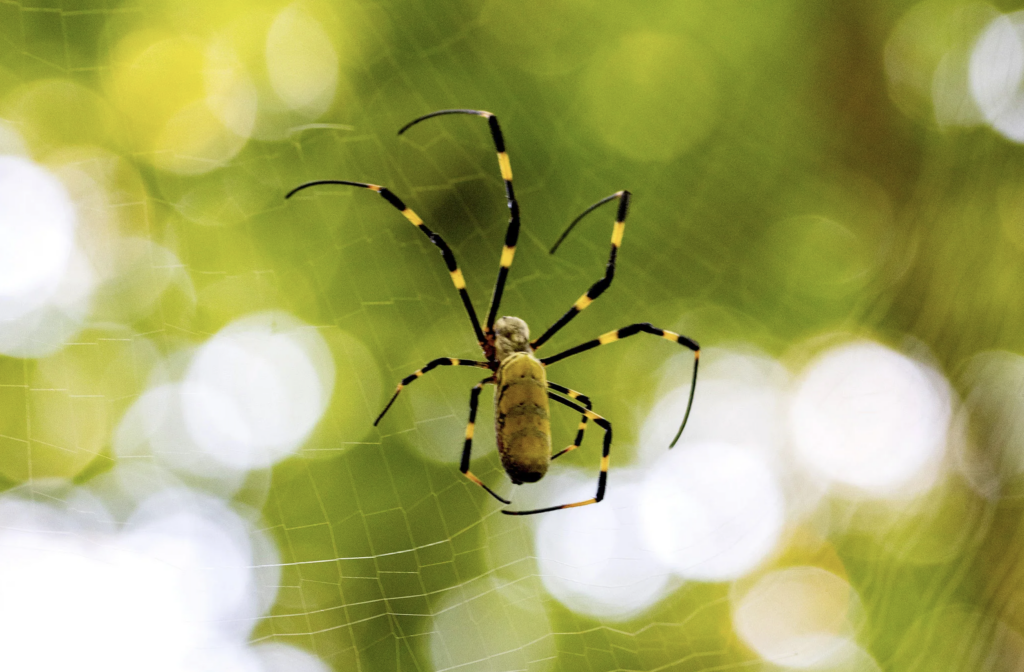
Giant introduced Joro spiders may not be feeding off the plates of native spiders in Georgia and South Carolina. New research reveals that these spiders, native to parts of Asia, have diet preferences that don’t overlap much with native spiders. Colorful Joro spiders ( Trichonephila clavate ) are massive—their legs…Giant introduced Joro spiders may not be feeding off the plates of native spiders in Georgia and South Carolina. New research reveals that these spiders, native to parts of Asia, have diet preferences that don’t overlap much with native spiders. Colorful Joro spiders ( Trichonephila clavate ) are massive—their legs can stretch out larger than the palm of your hand. They were first discovered in Georgia a little more than a decade ago and have since spread through parts of the U.S. Southeast. In a study published recently in PLOS One , researchers analyzed the DNA of stomach contacts of 200 Joro spiders collected from 33 sites in Georgia and South Carolina. They compared the evidence of these past meals of Joro spiders to those of 140 native orb weaver spiders in those states. The researchers found a little overlap in terms of the insects the native spiders ate versus what the Joro spiders consumed, but diets largely differed. Joro spiders also aren’t eating monarch butterflies ( Danaus plexippus ), or really many butterflies at all, as some biologists feared. “They’re feeding on things that we would consider pests,” said Jason Schmidt, co-author of the study and a professor of entomology at the University of Georgia, in a press release. “A lot of little flies. For the size of the spider, it looks kind of like popcorn.” Read more at UGA Today .
Bird-X acquired Symterra, the developer of the patented Symterra Pulse advanced bird deterrent system. The post Bird-X acquires Symterra first appeared on Pest Management Professional.